REVIEW · GALLIPOLI DAY TRIPS
Gallipoli Day Trip from Istanbul
Book on Viator →Operated by Fez Travel · Bookable on Viator
Gallipoli is far more than a history stop. This long, small-group WWI day trip brings you to key ANZAC and Turkish memorial sites across the peninsula, with an English guide and lunch handled for you. My favorite part was the way the route hits the main places in a logical order, and the other big win is the small-group feel (max 20) with hotel-area pickup. The trade-off? It’s a very long day, and the return can run late depending on traffic.
What makes this excursion feel worth it is how focused it is: you’re not bouncing between random attractions. You’re riding to the Gallipoli battlefields, then walking and pausing where people actually landed, fought, and died—ANZAC Cove to Lone Pine, through trenches at The Nek and Johnston’s Jolly, then on to cemeteries and memorials that keep the names in view.
One more thing to keep in mind: breakfast is on you, and the schedule starts early. Pick-up timing varies by where you’re staying, so if you hate early alarms, plan to adjust your whole day.
In This Review
- Key things you’ll notice right away
- Why this Gallipoli day trip works better as a “route,” not a checklist
- Hotel pickup, coach comfort, and the real start time you should plan for
- Tekirdağ breakfast stop: the small pause that makes the whole day doable
- ANZAC Cove and the landing story you’ll actually be able to picture
- Lone Pine: names on stone, and why this memorial hits hard
- The Nek and Chunuk Bair: trenches, hiding places, and lost ground
- Johnston’s Jolly and the 57th Regiment Turkish Memorial: the war from both sides
- Beach cemeteries and memorials: Brighton Beach, Ari Burnu, Burnu, and remembering by name
- Lunch in the nearby town (and how to use it without losing momentum)
- The drive back to Istanbul: when the day can run long
- Price and value: what you’re really paying for at $240.15
- Who this tour suits best (and who should think twice)
- Small-group size and guide style: why names like Burak, Alp, Ikut matter
- Should you book the Gallipoli Day Trip from Istanbul?
- FAQ
- FAQ
- What is the duration of the Gallipoli day trip from Istanbul?
- What time does the pickup happen?
- Is hotel pickup and drop-off included?
- What language is the tour conducted in?
- What’s included in the price?
- Is breakfast included?
- How many people are in the group?
- Is this tour refundable if I cancel?
Key things you’ll notice right away
- Early hotel-area pickup keeps the peninsula day from feeling like a DIY mission
- ANZAC Cove, Lone Pine, Chunuk Bair, The Nek cover the core WWI landmarks in one push
- Johnston’s Jolly trenches and tunnels turn “WWI trivia” into something you can picture
- Lunch is included (at the provided stop in the nearby town), so you don’t waste precious minutes
- Max 20 people means you’re less likely to feel like a number in a huge crowd
Why this Gallipoli day trip works better as a “route,” not a checklist
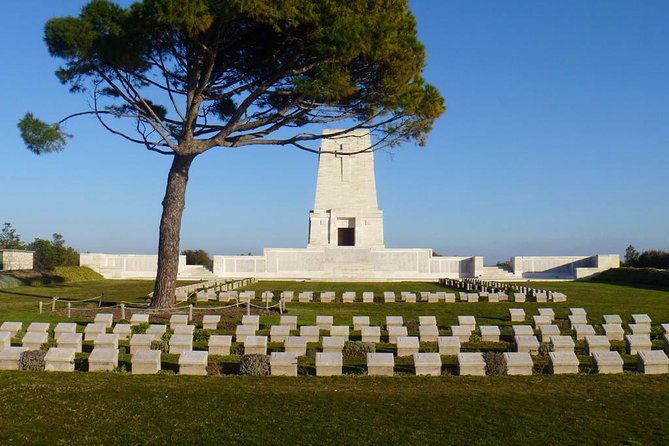
Gallipoli is one of those places where you can easily get lost in details if you show up alone with only a map and a few dates. What you get here is a guided flow across the peninsula, timed for one-day feasibility. You start with transport south along Turkey’s European side, then move into the WWI sites in a sequence that builds a story: landing points, memorial grounds, trenches, and cemeteries.
I like that the tour is designed so you can spend your energy walking and looking, instead of constantly figuring out directions. With an English-speaking guide, you also get explanations that connect geography to what happened there—why specific spots mattered and how the fighting played out over months.
The other practical win is the structure of the day. You get a breakfast stop en route (Tekirdağ), a lunch stop in the nearby town, then more sites after lunch. That keeps you from trying to power through a 14-hour outing on snacks alone.
You can also read our reviews of more tours and experiences in Istanbul

Hotel pickup, coach comfort, and the real start time you should plan for
This is a long coach day, so the “how” matters. You’ll travel in a fully air-conditioned, non-smoking vehicle. You can also be picked up from your Istanbul hotel if you’re in the Sultanahmet (old city) or Taksim area. If you’re not in those zones, you’ll likely meet at the listed start point near Sultan Hostel & Guesthouse in Sultanahmet.
Pick-up is scheduled between 6:15 am and 6:45 am, depending on where your hotel is. That early start is not negotiable if you want enough daylight to cover multiple memorials. If you’re the type who likes a slow morning, shift your expectations now: this day begins before most people in Istanbul are fully awake.
The good part: the tour is capped at 20 travelers, so you’re not stuck in a massive sardine can. You still spend many hours on the road, but you’ll usually feel like part of a group rather than one of hundreds.
Tekirdağ breakfast stop: the small pause that makes the whole day doable
On the way down, you stop in Tekirdağ for a break. This is your chance to grab breakfast, stretch, and reset before the Gallipoli portion begins.
Breakfast is not included, so bring a little cash or use your card as needed. I recommend eating something that holds you for a few hours—this is not a quick snack-and-go outing. Once you’re on the peninsula, the stops involve walking, reading memorial plaques, and taking in scenes that tend to slow you down.
If you’re caffeine-dependent (fair), aim to use this break for coffee and water. It sounds minor, but when you’re staring at names on graves for hours, you’ll be grateful you started hydrated.
ANZAC Cove and the landing story you’ll actually be able to picture
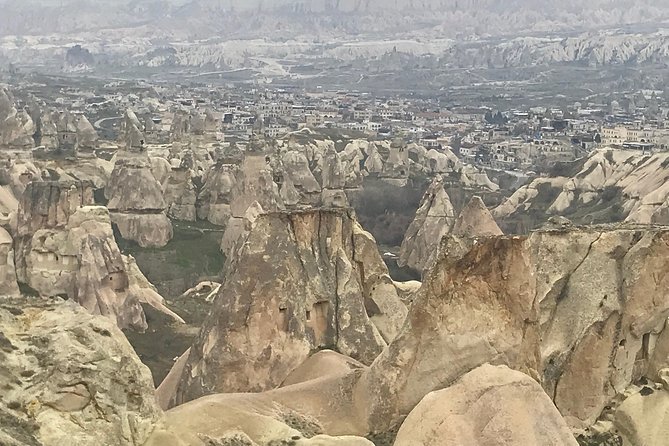
ANZAC Cove is where the day starts to feel personal. You’re not just reading about “the first day.” You’re at the coast itself—then your guide connects what you’re seeing to what happened when Australian and New Zealand forces landed in 1915.
You’ll also have time to wander the symbolic battleground areas and stroll the headlands. That’s important. Even if you know the broad outlines of the campaign, the place has a way of turning “history class” into a lived setting. The sea, the shoreline contours, and the memorial layout help you understand why movement and supply were such brutal challenges.
One thing I appreciate from the way some guides handle this stop is that they don’t treat it like a lecture. For example, Burak (a guide named in past departures) is noted for using supporting photos and letters from the period, and that kind of material helps the story land. It’s one thing to hear about the campaign; it’s another to see period evidence tied to the same places you’re walking.
Lone Pine: names on stone, and why this memorial hits hard
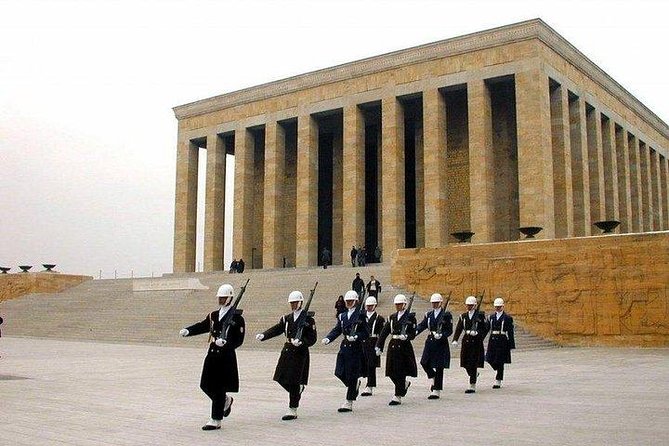
Next comes Lone Pine, described as Australia’s primary memorial site on the peninsula. This is the spot many people come for. It’s named for a single pine tree that once lived here, but the emotional weight is in the scale of remembrance.
You’ll get the chance to see the names of 5,000 soldiers resting there after dying in battle. That’s the kind of number that becomes real only when you’re physically surrounded by it. I like that the tour doesn’t rush you through Lone Pine like it’s just another stop on a list. It’s a place where people slow down naturally.
Practical tip: bring your attention. Set aside your phone scrolling urge for this part. The memorial works best when you let yourself read, pause, and take a few photos without turning it into a speedrun.



The Nek and Chunuk Bair: trenches, hiding places, and lost ground
After ANZAC Cove and Lone Pine, the tour moves into the more tactical and terrain-based sites—places where the story becomes about what soldiers could and couldn’t hold.
At The Nek, you’ll see the war-torn trench areas and hear accounts of soldiers attacking from hiding places within nearby forests. This is one of those stops where the ground shapes the outcome. From a distance, it’s easy to think of battles as “charge here, fire there.” On the ground, you start to understand how visibility, cover, and supply routes mattered just as much as bravery.
Then you head to Chunuk Bair, where your guide explains how the Allies captured the position—but couldn’t defend it. That “captured but lost” theme is a big part of the Gallipoli tragedy: progress came with enormous costs, and holding ground was brutally difficult.
If your guide is Ercan Yavuz (also named in past departures), you may get an especially detail-dense explanation style with a coherent timeline, the kind where you feel like you’re learning the whole campaign, not just individual landmarks. Either way, aim to keep asking yourself: what does this hill or trench do for an attacker? What does it deny to defenders?
Johnston’s Jolly and the 57th Regiment Turkish Memorial: the war from both sides
One of the strongest parts of this experience is that it doesn’t only treat the ANZAC story as the whole story. You’ll see memorials tied to Turkish defense and the broader fighting.
Johnston’s Jolly is a major highlight because it includes original Allied and Turkish trenches and tunnels. This is the spot where your brain finally stops imagining trenches and starts seeing them as physical structures that shaped survival. It’s also a place where walking a few minutes feels longer, because the site does the work of explaining the tactics.
Then you can observe the 57th Regiment Turkish Memorial—a reminder that these were not faceless armies. The memorials keep the focus on sacrifice, even when the tour is moving quickly between locations.
This dual perspective is a big reason the tour tends to be recommended for history-focused travelers. It’s still emotional, still heavy, but the context feels more complete than a one-sided narrative.
Beach cemeteries and memorials: Brighton Beach, Ari Burnu, Burnu, and remembering by name
Later in the day, you shift into calmer memorial zones near Gallipoli. The tone changes from “major landing and battle positions” to “this is where people were laid to rest.”
You’ll stop at Burnu Cemetery, which honors 252 servicemen. You’ll also pass and/or stop at places such as Brighton Beach, Beach Cemetery, and Ari Burnu Cemetery. The tour also includes Johnson’s Jolly (as listed in the schedule) and other nearby WWI memorial points.
These stops can feel repetitive if you treat them like photo opportunities. Don’t. Treat them like reading rooms. Spend a few minutes absorbing what’s inscribed. Even if you don’t speak the language used on every stone marker, the names and the layout communicate the same thing: this place keeps loss visible.
If you want the day to feel meaningful, this is where it happens.
Lunch in the nearby town (and how to use it without losing momentum)
Lunch is included at a restaurant in the nearby town, listed as Savod. The food isn’t the headline, but lunch matters because it protects the rest of the day.
You’ll eat after the earlier battlefield and memorial stops, then continue on to more serene memorial sites before heading back toward Istanbul. This timing is smart. It prevents you from trying to squeeze a long meal between the “big” stops, which would steal walking time and attention.
As with any long day, I recommend eating slower than you think you need to. You don’t want to feel rushed while your guide keeps the schedule moving, especially around memorial sites where pausing is part of the experience.
The drive back to Istanbul: when the day can run long
Heading back is when you’ll feel the true scale of the outing. The peninsula itself is worth it, but the coach ride can be tiring.
I’d plan your energy accordingly: hydrate, pack a light layer (coaches can swing temperature), and save your heavier conversations for after you’ve had a few stretches. Some departures can run late—especially around holidays when traffic can surge. One past group reported a much later return than expected due to holiday traffic, even though the peninsula touring part felt well-paced.
So yes, it’s “a day trip.” But treat it like a full-day event with a possible late finish. Build your next-day plan with buffer time.
Price and value: what you’re really paying for at $240.15
At $240.15 per person, this isn’t a budget snack. You’re paying for a lot of real-world value: long-distance transport, an English-speaking guide for the full experience window, entrance fees, and lunch, plus hotel-area pickup and drop-off.
Here’s how I think about value on tours like this:
- You’re not driving yourself across the peninsula.
- You’re not paying separate admission fees to multiple memorials.
- You’re getting a guided narrative across nine major WWI sites, not just one.
That said, you should only book if you’re comfortable trading a full day for a focused, heavy historical route. If you want something more flexible, or if you’re traveling with very young kids who need frequent downtime, you may find the long coach hours tough.
For the right traveler—especially anyone with a personal or national connection to ANZAC memory—this price often feels like it buys you time, context, and convenience rather than just transportation.
Who this tour suits best (and who should think twice)
This Gallipoli day trip is a strong match for:
- History buffs who want a guided route across multiple WWII? No—WWI—sites, with the ANZAC and Turkish perspectives handled together.
- Travelers from Australia and New Zealand, including people coming for a personal family connection. Past participants described visiting graves at Lone Pine and turning it into a more complete story of the lead-up, fighting, and aftermath.
- Anyone who likes memorial travel done with structure, not guesswork.
It may be a tougher fit if:
- You hate early starts and long coach rides.
- You’re hoping for a light, sightseeing-first day rather than a reflective WWI experience.
- You depend on very clear communication from the guide. English is part of the offer, but some departures may have guide language strengths that vary. When the guide language isn’t easy, you lose some of the story.
Small-group size and guide style: why names like Burak, Alp, Ikut matter
This tour is capped at 20 travelers, which helps with flow at stops. You also get more of a chance to ask questions than you’d get on a large bus.
Guide styles vary, but you’ll often see patterns:
- Some guides, like Burak, are praised for explaining with period photos and letters from 1915.
- Some guides add humor and handle Australian or New Zealand slang in a friendly way (Alp and Burak were both mentioned with this kind of approach).
- Guides like Ikut are noted as highly detail-oriented, which can make the campaign feel chronological rather than scattered.
If you’re picky about how a guide tells the story, focus less on personality and more on how they connect the terrain to events. That connection is what makes the memorials feel coherent instead of random.
Should you book the Gallipoli Day Trip from Istanbul?
Book it if you want a well-timed, guided sweep of the Gallipoli peninsula’s most important WWI sites in one day, and you value hotel-area pickup, included lunch, and an English narrative that ties the battlefield geography to what happened there.
Skip it (or at least shop alternatives) if you’re truly short on time, hate early mornings, or want an easy-going day with lots of free time to wander at your own pace. This is structured. It’s also emotionally heavy in a way that makes pacing part of the experience.
If you do book, set yourself up for success: sleep early the night before, plan for a long return, and treat Lone Pine and the cemeteries as the heart of the day—not just “one more stop.”
FAQ
FAQ
What is the duration of the Gallipoli day trip from Istanbul?
The tour runs for about 14 hours.
What time does the pickup happen?
Pickup is between 6:15 am and 6:45 am, depending on where your hotel is located.
Is hotel pickup and drop-off included?
Yes. Pick up & drop off from/to your Istanbul hotel is included (and if you’re in the Sultanahmet or Taksim area, pickup from your hotel is offered).
What language is the tour conducted in?
The tour is offered in English with a professional English-speaking tour guide.
What’s included in the price?
Included items are the English-speaking tour guide, air-conditioned non-smoking transportation, pick up & drop off, tips except driver and guide, entrance fees, and lunch.
Is breakfast included?
No. There is a break for breakfast on the way, but breakfast is at your own expense.
How many people are in the group?
The tour has a maximum of 20 travelers.
Is this tour refundable if I cancel?
This experience is non-refundable and cannot be changed. If it’s canceled due to poor weather, you’ll be offered a different date or a full refund. If the minimum number of travelers isn’t met, you’ll be offered a different experience/date or a full refund.
If you want, tell me your travel dates and where you’re staying (Sultanahmet, Taksim, Beyoğlu, etc.). I’ll help you judge whether this early pickup timing is realistic for your schedule.