REVIEW · SHORE EXCURSIONS
Istanbul Shore Excursion: Istanbul in One Day Sightseeing Tour
Book on Viator →Operated by Neon Tours · Bookable on Viator
Istanbul in a single day works because you’re not just ticking sights. You’re moving through Constantinople-to-Ottoman layers with an English-speaking guide who keeps the story straight, stop after stop. I love how the day hits the biggest icons first—Blue Mosque and Hagia Sophia—and then you flow into palace sights and the market buzz. My only real caution is the pace: it’s a lot of walking, with uneven ground and stairs, so it’s not ideal if you tire easily.
The value is also in the structure. This is built as a shore excursion with pickup from Galataport Istanbul, air-conditioned transport, and a tight route around Sultanahmet’s cluster of landmarks. Plus, the tour runs in a small group (maximum 14), so you’re less likely to get lost in the shuffle.
Here’s the deal: you’ll see a huge amount in about eight hours, but you’ll feel that “eight hours” in your legs. If you’re steady on your feet and don’t mind moving fast, it’s a smart way to get a first crack at Istanbul’s most famous sights.
In This Review
- Key things to know before you go
- Price and what $100 really buys you
- Getting started at Galataport and why timing matters
- The day’s pace: how an 8-hour loop can still feel long
- Blue Mosque: where the light does the talking
- Hagia Sophia: mosaics, size, and a dramatic identity change
- Topkapi Palace: Ottoman power with Golden Horn views
- Hippodrome, obelisks, and German fountain: small stops, big context
- Hagia Irene and the quiet edge of Topkapi
- Basilica Cistern: the underground “wow” stop
- Grand Bazaar: shopping time with crowd energy and optional pressure
- Lunch, rests, and keeping your energy steady
- What makes the guide make or break the day
- Who should book this shore excursion
- Should you book this Istanbul in One Day tour?
- FAQ
- How long is the Istanbul shore excursion?
- Where is the meeting point?
- Is there pickup from the port?
- Are entrance tickets included?
- What happens if my ship leaves early?
- Is lunch included?
- Is this tour suitable for limited mobility?
Key things to know before you go
- Blue Mosque is ticket-free on this tour, and the highlights inside (the stained glass light and Iznik-style tiles) are worth planning around.
- Hagia Sophia and Topkapi tickets aren’t included, so factor in entry costs before you go.
- The day is designed for cruise timing, with an on-time return focus if ships are running late.
- Grand Bazaar time can feel crowded, and you may be guided through shops rather than wandering freely the whole hour.
- Expect quick hits beyond the big three, including Hippodrome, fountains, an obelisk, and Hagia Irene.
- Moderate walking is required, and it’s not recommended for participants with walking difficulties.
Price and what $100 really buys you
At $100 per person for roughly eight hours, you’re paying for three things: an English-speaking guide, organized transportation in an air-conditioned vehicle, and a route that keeps you moving between major sights. Several key stops are included without an admission fee—Blue Mosque and Grand Bazaar—which helps balance out the parts where tickets aren’t included (like Hagia Sophia and Topkapi).
So what feels “worth it”? If you have limited time in Istanbul—especially on a port day—this is the kind of plan that lets you compress a lot of expensive, time-consuming decisions into one day. The trade-off is that the schedule is packed, and the market portion can include shop stops that don’t feel like pure free time.
If you want maximum flexibility—slow wandering, long café breaks, and lots of solo detours—this price point may feel tight. But if you want a guided route that protects your cruise timing, $100 starts to make a lot more sense.
You can also read our reviews of more tours and experiences in Istanbul



Getting started at Galataport and why timing matters
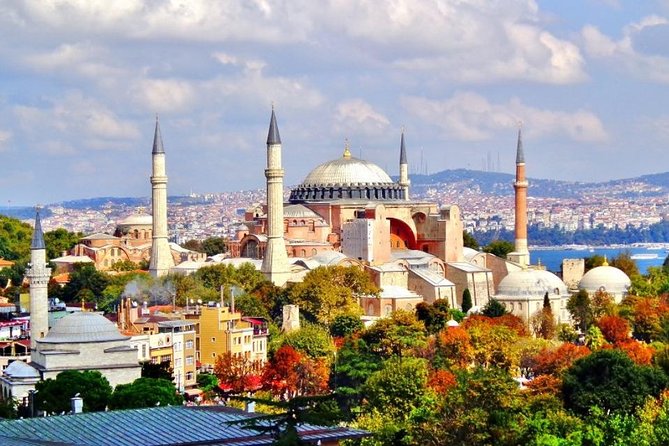
Your day begins at Galataport Istanbul, with pickup offered there. That matters because cruise passengers often lose the most time at the start: finding the group, waiting in line, and getting turned around. This tour is built to reduce that friction by meeting you and getting oriented quickly.
Another timing win: this excursion is set up as a worry-free shore tour. If your ship is delayed, you should be covered in the moment. If it departs early, the plan is to arrange transportation to your next port, and there’s a refund if you’re delayed returning to Istanbul’s port. In plain terms, you’re not gambling your schedule on a late-day traffic jam.
The catch is that the route is still a sprint. Even with good logistics, you’ll be on the move for most of the day.
The day’s pace: how an 8-hour loop can still feel long
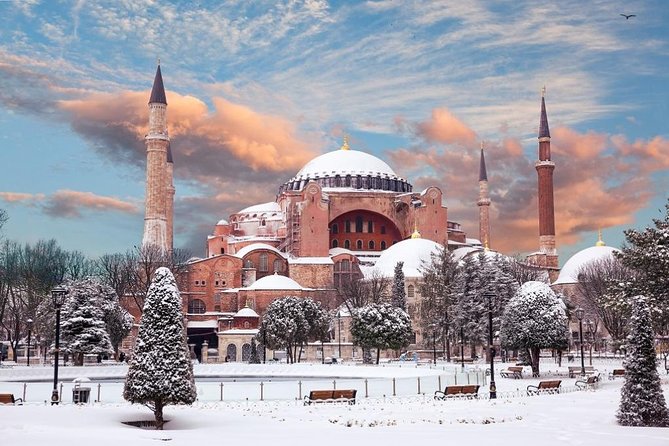
This is one-day Istanbul, and it shows. You’ll be bouncing between major landmarks in the Sultanahmet area, plus a handful of nearby historic sites. Some stops are timed fairly tightly, and you’ll spend extra energy navigating crowds, stairs, and uneven surfaces.
The tour is also not aimed at limited-mobility travelers. The instruction is clear: if walking difficulties are a concern, you should look for a gentler option. Even the positive feedback in the mix includes the same theme—this is a lot of walking, and you’ll want comfortable shoes.
My practical advice: plan for “museum legs” rather than “city stroll legs.” If you’re coming straight off a ship day with limited rest, you’ll feel it.
Blue Mosque: where the light does the talking
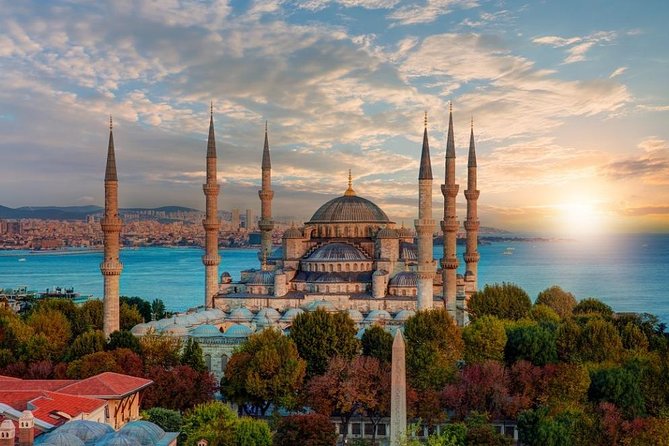
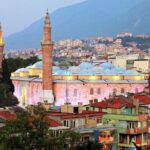
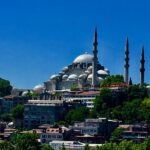
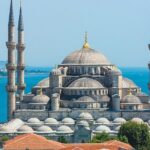
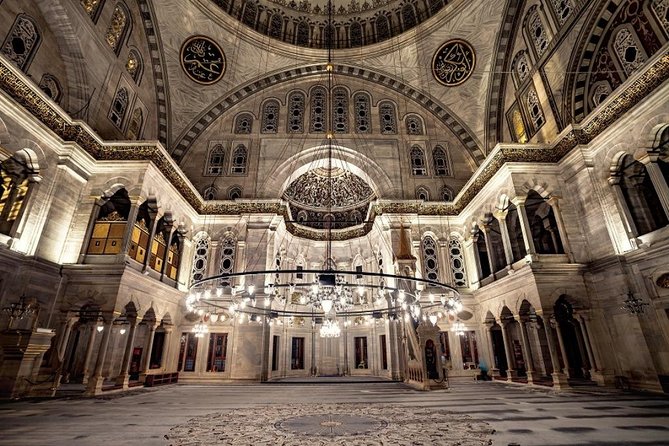
The Blue Mosque (Sultan Ahmet Mosque) is the headliner for a reason. Out front, you get that instantly recognizable Ottoman profile—six minarets and a large central dome. Then you go inside, where the visuals become the story: hundreds of stained glass windows light the main chamber, and the walls are covered with more than 20,000 Iznik-style tiles.
One smart thing about hitting this stop early in your day is crowd control. Even if you’re not chasing emptier photos, the building reads better when you’re not rushing. At this stop you’ll have about 45 minutes, which is enough to see the main room and take in the tilework without making it a full-on endurance contest.
Admission here is listed as free, which is another reason this is a great anchor for the itinerary.
Hagia Sophia: mosaics, size, and a dramatic identity change
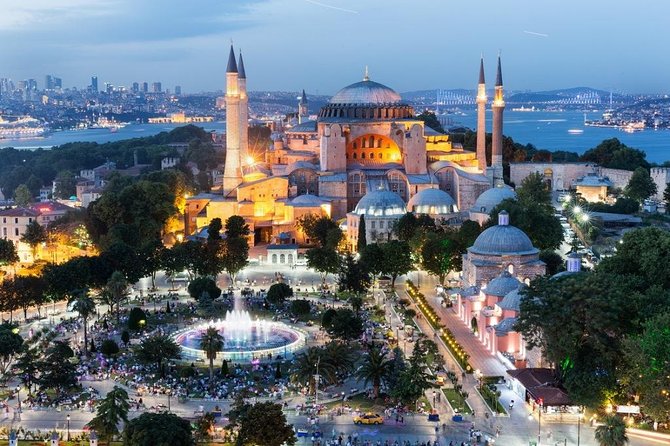
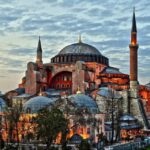
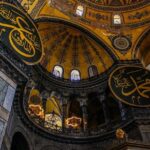
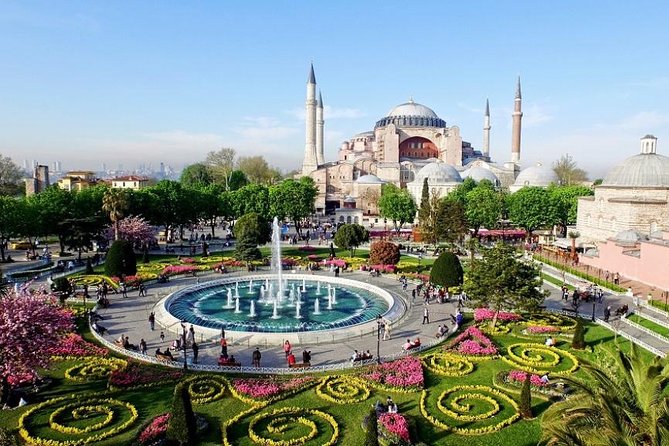
Hagia Sophia is built like a statement. It began as a major Christian basilica in the 6th century under Emperor Justinian, and later became a mosque under Ottoman rule. Today it functions as a museum, and the result is a layered experience: Byzantine mosaics and historic tilework inside a structure that has belonged to different eras and beliefs.
On the tour, this stop is about 1 hour, and admission is not included. So if you want to avoid any last-minute stress, just assume you’ll need to pay the entry cost on-site.
A practical note: Hagia Sophia is listed as closed on Mondays (noted as a closure pattern starting Oct 20, 2015). The tour also says that if museums close, you’ll visit an alternative similar museum—so don’t panic if your day falls on a closure day.
You can also read our reviews of more tours and experiences in Istanbul



Topkapi Palace: Ottoman power with Golden Horn views
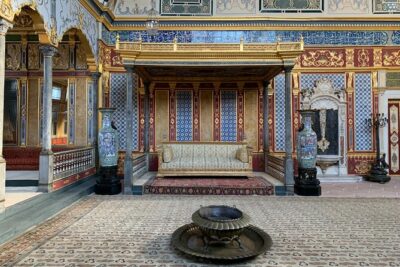
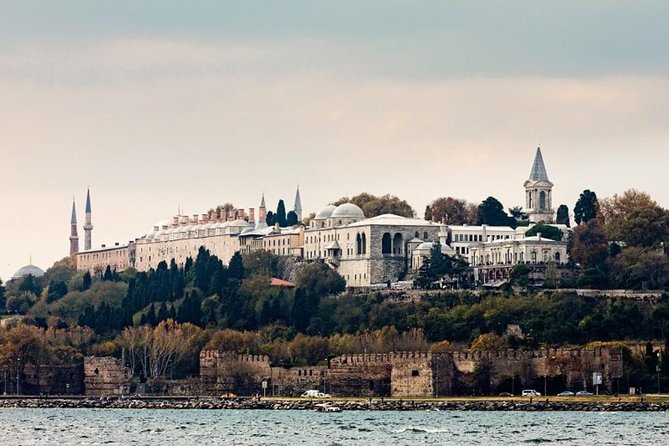
Topkapi Palace is described as the crown jewel of the Ottoman Empire—and that checks out in how people talk about it: this place is about scale, authority, and daily-life spaces packed into one sprawling complex. On your visit, you’ll cover the palace rooms, including areas connected with the imperial treasury and the harem quarters, plus viewpoints over the Golden Horn.
You’ll have about 1 hour 30 minutes here, but keep expectations realistic. Topkapi is big, and one-and-a-half hours is enough to see the main beats and key rooms, not to read every plaque like a graduate course.
Admission is not included. Still, I like this stop on a shore excursion because you get an Ottoman “why” behind the sights you saw earlier. It’s easier to understand Blue Mosque from the palace angle; the city feels less like separate monuments and more like one system of rule, art, and faith.
Topkapi is listed as closed on Tuesdays, so if that’s your cruise day, expect a swap.
Hippodrome, obelisks, and German fountain: small stops, big context
Not every highlight is a long museum stop. Some of the tour’s best value is in the short, free “history props” that remind you Istanbul wasn’t built in a vacuum.
You’ll visit the Byzantine Hippodrome (about 30 minutes). Then there’s the Obelisk of Theodosius, a quick stop but a fascinating one: it began as an Egyptian obelisk erected for Thutmose III and later ended up in Constantinople. And you’ll also see the German Fountain, which was built in Germany and moved to Istanbul by ship, with construction completed there.
Why I like these quick stops: they train your eyes. Once you’ve seen a few artifacts like these, the city stops feeling like “random old buildings” and starts looking like a collection of repurposed political messages.
These segments are short—think 10 to 30 minutes—so your best move is to stay alert and listen when the guide explains what you’re looking at. The “pause-and-gawk” approach works less here.
Hagia Irene and the quiet edge of Topkapi
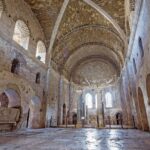
Hagia Irene sits in the outer courtyard area of Topkapi Palace and is described as the oldest church of the Eastern Roman Empire (Byzantine). It’s a different vibe than the major museums nearby. If you’ve been sprinting through major sights, this is the kind of stop that gives you a breather—half visual, half context.
You’ll have about 30 minutes, and admission is not included. This is the sort of place you enjoy more if you care about the Byzantine layer, or if you want an offset from the bigger, more crowded indoor spaces.
If you tend to love quiet corners of history, this stop will feel like a nice counterbalance.
Basilica Cistern: the underground “wow” stop
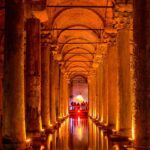
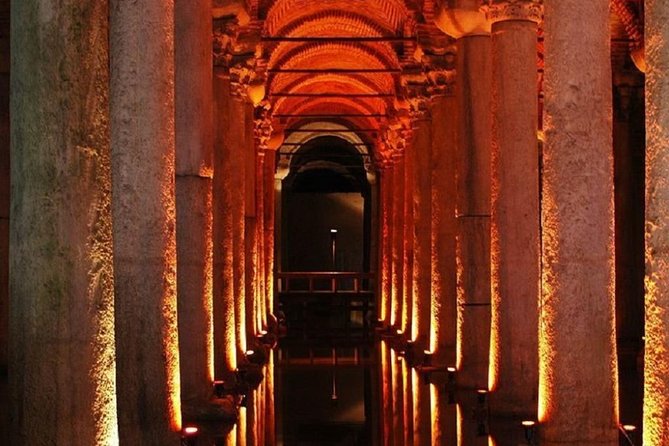
Basilica Cistern is one of those places where Istanbul shrinks into a different planet. You go underground into the cool interior of an underground cistern, and suddenly the city’s noise disappears.
On this tour it’s about 30 minutes, and admission is listed as not included. You’re not there to wander for hours. You’re there to get the atmosphere and see the scale.
This stop also works as a strategy. In a packed day, it can break up the “sun and stone” rhythm. If your day is running hot or crowded, you’ll appreciate the temperature shift.
Grand Bazaar: shopping time with crowd energy and optional pressure
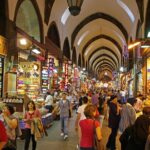
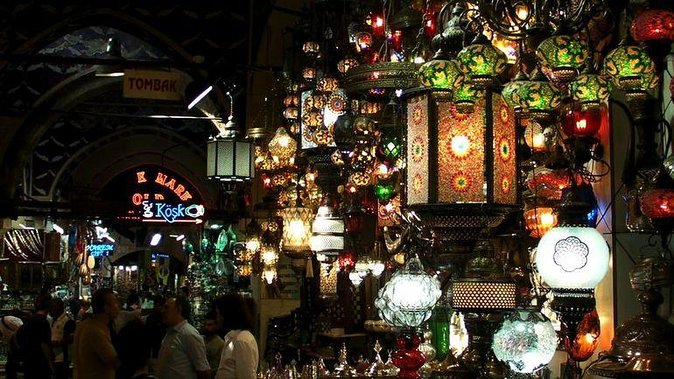
The Grand Bazaar is one of the world’s largest covered markets, operating since the 14th century. The tour frames it with clear numbers—58 streets and over 4,000 shops—so you get a sense of why people feel overwhelmed here fast.
You’ll have about 1 hour and admission is free. In other words, the bazaar time isn’t a ticket line situation. It’s about how you spend the hour once you’re inside.
Now for the practical reality: some people enjoy the bazaar’s chaos and leave with great souvenirs. Other people find it hard to get true wandering time because they get guided through specific shops. There are also mentions of forced-feeling shopping moments and carpet demonstrations as part of the market experience.
My advice if shopping is important to you: decide ahead of time what you want (jewelry, pottery, leather, spices, carpets). Then set a mental rule: if you’re spending too long watching a demo, ask the guide to shorten it so you still get bazaar walking time.
Lunch, rests, and keeping your energy steady
Food and drinks are listed as not included on the tour. Still, the tour can include time for a lunch break depending on how your day is handled. In the feedback shared, lunch stops were often described positively, including Turkish meals in sit-down settings.
So what should you do? Bring a plan. If the day has you moving from place to place with limited breaks, you’ll feel better if you’re prepared with water and snacks before you start the day. And if lunch is offered on your particular departure, take it as a reset—not a long sit.
Also watch your break timing. In a busy schedule, you don’t want to be the person holding the group up. Go when you need to, but keep it quick.
What makes the guide make or break the day
This tour lives or dies on the guide. And it’s clear from the range of feedback that guide quality varies. The strongest experiences point to guides who know the history, manage the group pace, and adjust when needed.
For example, there are mentions of guides like Gurkan being well-prepared and accommodating, and Arzu being flexible enough to adjust the day based on what people wanted to see. Others—like Berrin—were praised for care with older couples and for keeping the tone friendly, not pushy. Omar is mentioned for professionalism and paying attention to when people needed breaks. Uğur is noted for adding the Cistern stop when timing meant Grand Bazaar couldn’t be fully reached. And Hakan Adagume gets credit for detailed historical storytelling and a sense of humor.
You can also learn from the negatives. If your guide seems to move on without checking on the group, that’s a problem. If you have accessibility needs, make them clear at the start so the guide can pace appropriately.
Who should book this shore excursion
I’d book this if:
- you’re on a cruise day and want the major Istanbul icons without DIY planning
- you like guided storytelling that connects Roman, Byzantine, and Ottoman layers
- you can handle a packed schedule and don’t need long breaks between stops
- you enjoy structured shopping time (or at least can stay firm about what you will and won’t buy)
I’d skip it if:
- your walking ability is limited (the tour isn’t recommended for walking difficulties)
- you want a slow, free-form bazaar experience with minimal shop stops
- you hate being on a strict timeline
If you’re traveling as a couple or a small group and you want a first-time highlights hit, this fits well. It’s also capped at 14 travelers, which helps keep things from turning into a stampede.
Should you book this Istanbul in One Day tour?
If your priority is seeing Istanbul’s biggest landmarks in one day while protecting your ship schedule, I think it’s a solid choice—especially because Blue Mosque and Grand Bazaar are built into the day with free admission there, and the guide-led structure keeps you from wasting precious hours.
But make your decision with two eyes open. First, you’ll walk a lot, and the surfaces aren’t “easy mode.” Second, the bazaar experience can include shopping stops and demo time that might feel sales-heavy, depending on your guide and your group’s pacing.
My verdict: book this if you want a guided highlights circuit and you’re comfortable with a fast pace. If you want slow, quiet, and fully independent time, look for a tour with fewer scheduled stops and more free wandering.
FAQ
How long is the Istanbul shore excursion?
It runs for about 8 hours (approx.).
Where is the meeting point?
The tour starts at Galataport Istanbul (meeting point listed as Kılıçali Paşa, Meclis-i Mebusan Cd. No: 8 İç Kapı No: 102, 34433 Beyoğlu/İstanbul).
Is there pickup from the port?
Yes, pickup is offered from Galataport Istanbul.
Are entrance tickets included?
Some are free (notably Blue Mosque and Grand Bazaar), while others are not included (for example Hagia Sophia and Topkapi Palace, plus Hagia Irene and Basilica Cistern).
What happens if my ship leaves early?
The tour is designed for on-time return to the port. If the ship departs before your return, transportation will be arranged to your next port, and you can receive a refund if your arrival to Istanbul’s port is delayed.
Is lunch included?
Food and drinks are not included unless specified, and lunch is listed as not included.
Is this tour suitable for limited mobility?
It is not recommended for participants with walking difficulties, and you should have a moderate physical fitness level. It’s also not recommended for children aged 4 and under.