REVIEW · SHOPPING TOURS
Istanbul: Guided Shopping Trip with Turkish Coffee Tasting
Book on GetYourGuide →Operated by kılıclı turizm · Bookable on GetYourGuide
If you’ve ever felt overwhelmed by Istanbul shopping, this tour’s structure helps you see it clearly—then shop with confidence. You’ll move through the old-town lanes with a live English guide and stop for Turkish coffee and tea plus spice-and-sweet tastings that make the whole experience feel local, not touristy.
I especially like how the route is built around real trades. You’ll spend time in the Grand Bazaar area and the Spice Bazaar side by side, so you get the contrast: glittering goods versus fragrant, everyday pantry favorites.
One thing to consider: some shops (especially carpet and ceramics) may push hard to sell, including the back-and-forth of bargaining. If you’d rather browse without pressure, keep that pace in mind and tell your guide what level of shopping you want.
In This Review
- Key takeaways before you go
- Where you meet and how the tour stays easy to follow
- Entering the Grand Bazaar without the usual circus
- The real “why” of the Grand Bazaar stop
- Ceramics, tiles, and the crafts stops that explain what you’re buying
- The one downside to watch for
- Istanbul’s jewelry streets: where browsing turns into decision-making
- How the Turkish coffee break makes the whole tour click
- Coffee versus tea flexibility
- Spice Bazaar: the scents do half the guiding
- What to buy (and what to treat as a “maybe”)
- The carpet demonstration: why the final stop feels different
- Where the sales pressure might show up
- Meeting your guide: why the names matter
- Price: what $114 per group really buys you
- Who should book this shopping trip?
- Should you book this tour?
- FAQ
- How long is the shopping trip?
- Is this a private tour?
- Where do I meet the guide?
- What bazaars and stops are included?
- Do you include Turkish coffee and snacks?
- Is transportation or lunch included?
- Is there an English-speaking guide?
- Do I skip the line?
- What’s the cancellation policy?
- Is the tour wheelchair accessible?
Key takeaways before you go
- A short, focused 4-hour route through Sultanahmet’s top shopping zones, so you don’t lose the afternoon to wandering
- Coffee-and-delight breaks that turn the tour from shopping-only into a cultural food moment
- Carpet demonstration time (not just a showroom visit), which helps you understand what you’re looking at
- Tile and ceramic stops that explain materials and craftsmanship before prices start flying
- Separate-entry skip-the-line access for the key bazaar areas
- Guides like Eylem and Ayhan are repeatedly praised for keeping the pace friendly and the experience practical
Where you meet and how the tour stays easy to follow
Meet your guide in front of Eresin Hotel Sultanahmet. Starting in the old city matters because Sultanahmet is all short streets and quick turns—having a guide means you don’t waste time figuring out routes or where lines are.
This is also a private group setup. That usually makes it less rigid than a big shared tour, and the reviews back that up: guides like Eylem and Ayhan are described as personable and willing to adjust the day to your interests, like focusing more on bags, lamps, or ceramics.
The duration is listed as 4 hours, but the “private guide for 5–6 hours” detail also appears in the included items. In practice, plan your schedule like it’s an afternoon block and keep some buffer for the natural pace of bazaar walking.
You can also read our reviews of more food & drink experiences in Istanbul

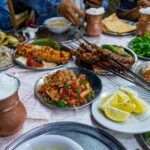
Entering the Grand Bazaar without the usual circus
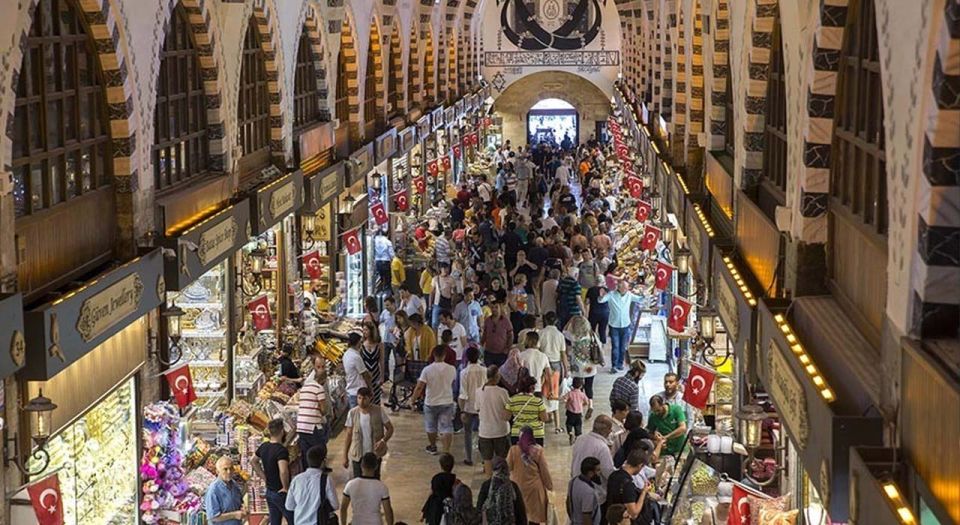
The Grand Bazaar is the big name, but the tour’s value isn’t just “go there.” It’s more about how you approach it: with a guide who helps you shop in a smarter order and teaches you what to look for as you move from stall to stall.
You’ll get the chance to see the typical shopping habits of Istanbul in a compressed way—smell first, touch second, ask questions third. That order helps, because a bazaar can be visually loud. When you’re offered tea and small bites in multiple shops during the walk (something multiple guides are praised for), it turns the experience into a real shopping rhythm instead of a hurried checklist.
A practical tip for you: in the bazaar, take a breath before you buy anything. Look at quality and construction signals first, then let bargaining happen with clearer eyes. The tour format is built to support that—especially when you’re also visiting specialized craft stops.
The real “why” of the Grand Bazaar stop
The Grand Bazaar is famous for everything from textiles to souvenirs, but the guide’s job is to narrow your focus. If you care about value, this is where you learn the difference between “looks impressive” and “will age well.”
The feedback I saw repeatedly highlights that guides help you find higher-quality shops and avoid places that feel like they’re only there to rush sales. That’s the difference between spending money and spending money well.
Ceramics, tiles, and the crafts stops that explain what you’re buying
A standout part of this tour is the inclusion of tiles and ceramic locations, plus a carpet-focused ending. These stops do something important: they break the shopping day into categories where craftsmanship matters.
When you walk into a tile or ceramic store on your own, you’re stuck comparing styles. With a guide, you get more context about materials, finishing, and why certain pieces look sharper or feel more substantial. That makes it easier for you to decide if something is decorative filler or a piece you’ll actually live with.
One review described a guide taking the group to porcelain showroom and carpet showroom stops first, then moving into the bazaar streets afterward. That sequencing is smart: you learn what “good” looks like before you get distracted by the sheer volume of goods.
The one downside to watch for
Some parts of the day can feel like a sales push. A reviewer noted a more intense hard-sell from carpet and porcelain shops, even while the sellers were described as nice people. If you’re the type who gets annoyed by pressure, communicate early that you want to browse and only consider purchases if pricing makes sense.
You can also read our reviews of more guided tours in Istanbul





Istanbul’s jewelry streets: where browsing turns into decision-making
Between major stops, you’ll also spend time around popular jewellery streets in the Sultanahmet area. This part is useful because jewelry shopping works differently than carpets or ceramics—you often decide based on personal fit, style, and whether the piece feels right for everyday wear.
A guide can also help you compare shops without turning it into a chaotic hunt. You’ll likely get suggestions on what to prioritize, and where to slow down. That’s not about buying quickly—it’s about not missing the best pieces because you were too tired or too rushed.
If you’re buying as a gift, this is a good segment to lean into your guide’s judgment. You’ll have time for short discussions, and the day’s flow keeps you from getting stuck in one store too long.
How the Turkish coffee break makes the whole tour click
This tour includes a Turkish coffee and tea break, plus Turkish delight tasting. That might sound like a small add-on, but it changes the mood of the day.
First, it slows you down. Bazaar shopping can make you rush decisions. A coffee break resets your senses and gives you a moment to regroup—especially after you’ve been surrounded by spices, fragrances, and displays.
Second, it’s a cultural cue. More than one review notes guides creating tactile, sensory moments—tasting and smelling and learning the background around what you’re consuming. It turns shopping into something you can talk about later, not just receipts you crumple into a bag.
Coffee versus tea flexibility
One nice detail from the feedback: a guide reportedly adjusted the break based on the group. When coffee tasting mattered for one person less, the guide changed it to tea and cake. For you, that’s a good sign: if you have preferences (or you’re not feeling coffee), it’s worth mentioning early.
Spice Bazaar: the scents do half the guiding
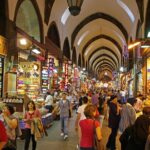
The Spice Bazaar is where the tour shifts from shine to smell. You’ll walk through a market designed for aroma, bulk items, and the kind of shopping locals actually do when they cook at home.
If the Grand Bazaar feels like a maze of goods, the Spice Bazaar feels more like a set of choices you can understand quickly. You’ll see spices, sweets, and related specialty products laid out in a way that encourages small sampling and comparisons.
That matters because bargaining without understanding can cost you. The tour helps you get your bearings first, then gives you a chance to taste and evaluate what you’re buying.
What to buy (and what to treat as a “maybe”)
From the overall product focus of the tour, you’ll likely be tempted by:
- spices and seasoning blends
- Turkish delights and boxed sweets
- related gift items tied to food
If you’re bringing things home, keep packaging in mind. One review mentioned a guide helping vacuum seal Turkish delights for the trip back. While you can’t assume every shop will do that, it’s a smart question to ask your guide when you’re ready to take something away.
The carpet demonstration: why the final stop feels different
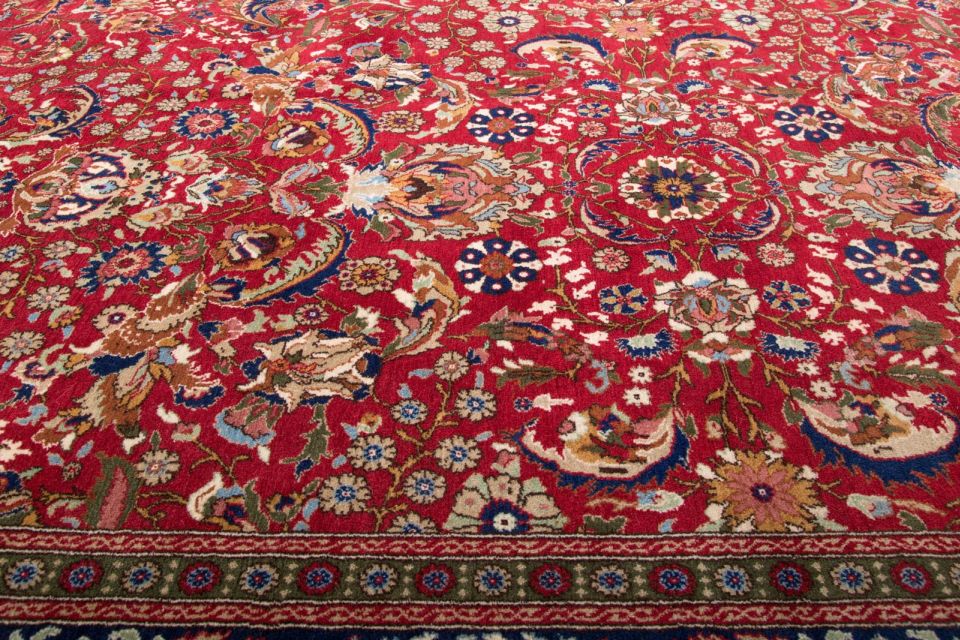
The tour finishes with a carpet demonstration. This is one of the better choices for a short tour because it helps you understand the craft rather than just viewing products.
Carpets are hard to judge fast. A quick look at pattern alone can trick you. A demonstration gives you a mental checklist: what to pay attention to in materials, weaving, texture, and overall finish. Even if you aren’t shopping, you’ll leave with more clarity than you’d get from a quick “look around” visit.
Also, the ending keeps the day from collapsing into fatigue. Reviews praise a pace that includes frequent stops, which helps you keep your energy up even when the market lanes get crowded.
Where the sales pressure might show up
Because carpets are a high-value item, this is where the “hard sell” complaint can surface. The carpet sellers may explain products in a way that leads toward purchasing, and bargaining can be part of the experience.
If you want a low-pressure end, tell your guide you’re there for the demonstration only. A good guide will still help you understand what you’re seeing without trying to force a shopping outcome.
Meeting your guide: why the names matter
One of the most valuable things about this experience is the human factor. Multiple reviews call out specific guides by name and describe similar strengths: friendly attitude, customization, and smart routing to better shops.
Examples from the feedback:
- Eylem is repeatedly praised for customizing the day and helping with practical extras like mailing postcards and giving restaurant recommendations.
- Ayhan is described as going at the group’s pace and even adjusting the coffee portion to tea and cake.
- Taha Uruç is credited with showing high-skill, high-quality shops while avoiding tourist traps.
- Perihan, Hasan, Turan, Billura, and Seyma show up in reviews for being patient, helpful, and focused on authenticity.
For you, this translates into something practical: this tour is more than “walk with someone.” It’s a chance to have a guide who understands how to match your interests to the right shops.
Price: what $114 per group really buys you
This tour is listed at $114 per group up to 14 for about 4 hours. On the surface, that sounds like a simple per-group rate. But the value is in what’s included: a private English guide for the shopping time, plus Turkish tea and coffee and Turkish delight tasting.
Also, you’re getting an experience that concentrates multiple major shopping areas into one guided plan: Grand Bazaar, Spice Bazaar, and craft stops like ceramics and carpets. Without guidance, you’d likely spend more time figuring out where to go and more effort trying to sort quality by yourself.
Transport and lunch aren’t included. So if you’re planning meals, build that in separately. If your day is already packed, this short format can still be a good fit because it’s designed to work as a half-day block.
Who should book this shopping trip?
Book it if you want:
- a guided way to shop in Sultanahmet without wandering aimlessly
- a sensory break via Turkish coffee/tea and delight tasting
- extra craft education at ceramics and carpet demonstration stops
- a private group experience with a guide who can adjust pace and focus
It’s also a good option for first-timers who want the “big names” (Grand and Spice bazaars) but still want help separating quality from hype.
If you hate bargaining or dislike sales pressure, don’t skip it—just set expectations with your guide from the start so you can control how purchase-heavy the day becomes.
Should you book this tour?
Yes, if you want a structured afternoon that mixes shopping with food and craft context. The biggest reason to book is how the tour groups major markets with learning stops, then adds a coffee-and-delights pause so the day feels balanced instead of exhausting.
I’d pass or reconsider if you’re only interested in browsing casually with zero shopping pressure. Even though you can treat it as a look-and-learn day, the carpet and ceramics segment can turn into a sales push.
If you do book, come with a plan: decide what category you care about most—bags, lamps, ceramics, jewelry, spices, or carpets—and tell your guide up front. That’s when the tour tends to deliver the best value.
FAQ
How long is the shopping trip?
It’s listed as a 4-hour experience. The included items also mention a private guide for 5–6 hours, so it’s smart to confirm the exact timing when you reserve.
Is this a private tour?
Yes. It’s described as a private group experience, and the price is per group (up to 14 people).
Where do I meet the guide?
You meet at the meeting point in front of Eresin Hotel Sultanahmet.
What bazaars and stops are included?
You’ll visit the Grand Bazaar and the Spice Bazaar, plus tile and ceramic shops and a carpet demonstration. You’ll also spend time around jewellery streets.
Do you include Turkish coffee and snacks?
Yes. The tour includes Turkish tea and coffee and a Turkish delight tasting.
Is transportation or lunch included?
No. Transportations and lunch are not included.
Is there an English-speaking guide?
Yes. The live tour guide is in English.
Do I skip the line?
Yes, you get skip the line through a separate entrance.
What’s the cancellation policy?
Free cancellation is offered up to 24 hours in advance for a full refund.
Is the tour wheelchair accessible?
Yes, it’s listed as wheelchair accessible.