REVIEW · CAPPADOCIA TOURS FROM ISTANBUL
Escorted 10 Days Tour of Istanbul, Cappadocia, Ephesus and Pamukkale
Book on Viator →Operated by Ada Vegas Travel · Bookable on Viator
Ten days, four regions, one plan. I like how this trip stacks Istanbul’s top monuments with timed travel days out to Ephesus, so you aren’t burning brainpower on routes and tickets. You get a guided, step-by-step approach that makes big days feel doable, and the included meals help keep the pace from turning into a daily scavenger hunt. The tradeoff is that the itinerary is busy, and on a day trip like Pamukkale you may find the time at the travertines runs shorter than you’d like.
What I also like is the small group setup (up to 15 people) plus the practical “everyone moves together” logistics: pickups, airport transfers, and domestic flights are built in. It’s especially helpful if you’re visiting Turkey for the first time and want your days to feel organized without feeling like a factory line.
Finally, I think the strongest value is the mix of hotel styles, including an overnight in a Cappadocia cave hotel, which is the kind of experience that’s hard to recreate on your own without extra planning.
In This Review
- Key highlights that matter in real life
- Entering Istanbul in the Right Order: Airport Transfer, Blue Mosque, Grand Bazaar
- Blue Mosque, Hagia Sophia, and Topkapi: What You’re Actually Buying with Tour Time
- Bosphorus Strait Day: Crossing Europe and Asia Without Stress
- Flying to Izmir and Settling in Kusadasi: A Smart Base for Ephesus
- Ephesus: The Kind of Ruins Day That Needs Real Morning Energy
- Pamukkale and Hierapolis: Travertines, Roman Gates, and Karahayit Red Waters
- Istanbul Again, but Different: A Night in the City After Your Return Flight
- Cappadocia Flight and Cave Hotel Check-In: When the Trip Changes Mood
- Guided Cappadocia Day: Göreme Open Air Museum, Dervent, Pasabag, and a Less-Hassle Shopping Stop
- Kaymaklı Underground City and the Uchisar Area: The Other Side of Cappadocia
- Price and logistics: Why $4,500 can feel fair here (and where it may not)
- Hotels and guides: the human side of the itinerary
- Pacing tradeoffs you should expect before you go
- Should you book this Istanbul–Cappadocia–Ephesus–Pamukkale tour?
- FAQ
- Where does the tour start and end?
- How long is the tour?
- How much does it cost?
- What’s included in the price?
- Are dinner and drinks included?
- How many people are in the group?
- Is hot air ballooning included in Cappadocia?
- Do you offer pickup and mobile tickets?
- What is the cancellation policy?
- Is there a child rate?
Key highlights that matter in real life
- Small-group flow (max 15): easier to stay on time, easier for the guide to manage questions.
- No blank days of planning: airport transfers and intercity movements are handled.
- Ephesus + Hierapolis on the same “ancient” track: two major ruins days back-to-back in spirit.
- Pamukkale’s travertines plus Karahayit red waters: you don’t just do the famous spot.
- Cave hotel in Cappadocia: you sleep inside the region’s signature experience.
- Cappadocia is guided twice: one day for the open-air museum and valleys, another for underground city sights.
Entering Istanbul in the Right Order: Airport Transfer, Blue Mosque, Grand Bazaar
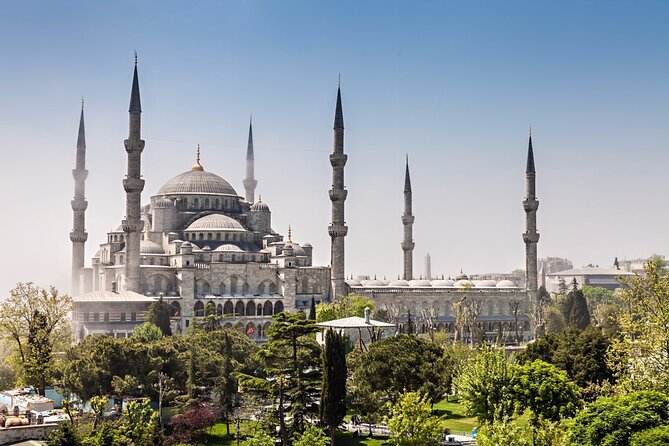
Istanbul can feel like a maze on day one. This tour helps by starting with a driver pickup from Istanbul Airport and moving you straight to your hotel, so your first half-day isn’t wasted figuring out transit. After that, you get a classic Old City sweep that hits the monuments most people actually came for.
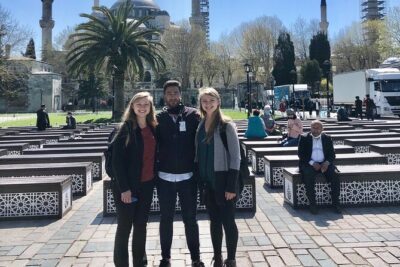
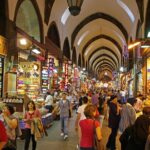
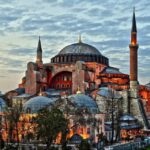
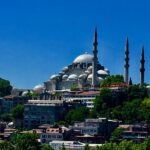
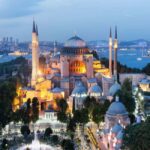
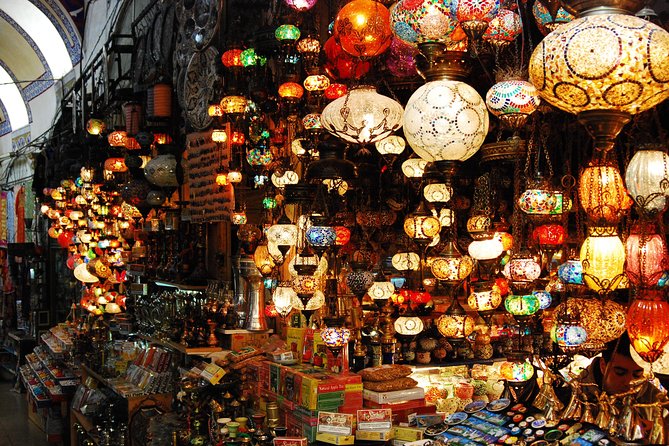
On Day 2, the route makes sense. You start at the Hippodrome area, then move to the Blue Mosque, where the famous Iznik blue tiles do the heavy lifting. You follow with Topkapi Palace and Hagia Sophia, which are both huge in scale and meaning. Then you finish at the Grand Bazaar, the oldest and largest covered market in the world—perfect for a souvenir hunt after you’ve “seen the big stuff.”
A practical note: the palace and Hagia Sophia stops are admission-included in this package, which saves time on buying tickets and reduces the hassle factor when your day is already packed.
You can also read our reviews of more tours and experiences in Istanbul.

Blue Mosque, Hagia Sophia, and Topkapi: What You’re Actually Buying with Tour Time
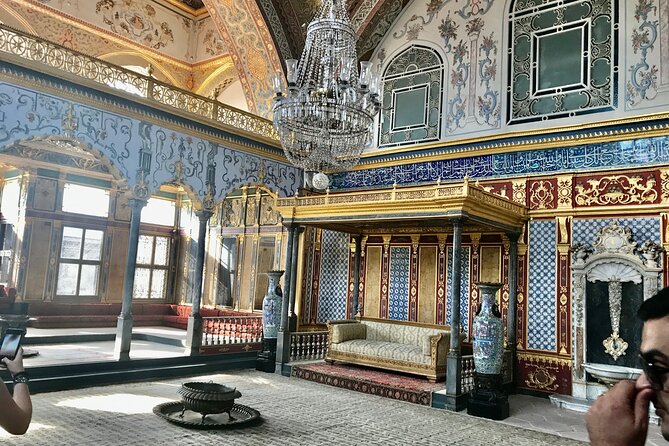
You’re not just paying for a list of sights. You’re paying for sequencing and pacing. When you do these on your own, it’s easy to waste hours between locations or hit long ticket lines at the wrong time. Here, those friction points are reduced.
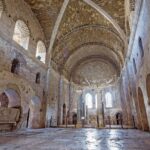
Topkapi Palace and Hagia Sophia also benefit from guided context. Even if you’ve read about the Ottoman and Byzantine layers, it’s the kind of place where a good guide can help you see what’s different—what was rebuilt, what symbolism was kept, and why these buildings matter beyond photos.
If you care about getting your bearings, this order helps. Big landmarks first, then market time. You’ll likely feel more confident as you head out on your own later, because the city’s layout and history will already be mapped in your head.
Bosphorus Strait Day: Crossing Europe and Asia Without Stress
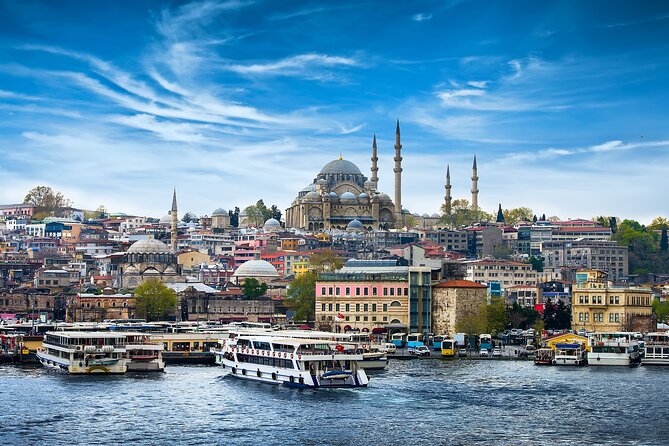
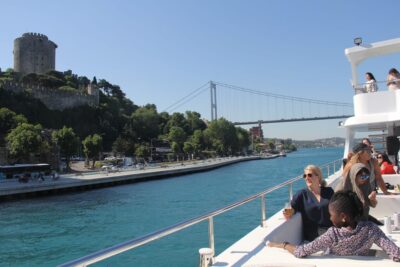
Day 3 is your “breather with wow-factor.” You begin with a visit to the Egyptian Spice Bazaar (included), then head out for a long excursion on the Bosphorus Strait that connects Europe and Asia. This isn’t just scenic—it’s one of the easiest ways to understand what Istanbul is: a city that literally straddles two worlds.
The timing is a full day (about 7 hours), and that matters. A short half-day boat or viewpoint stop can feel rushed. With more time built in, you have room to move, snack, and pause for photos without feeling like you’re sprinting.
If you’re sensitive to heat, plan for it. This is a long day outdoors and on the move, so hat, water, and a light layer go a long way.
Flying to Izmir and Settling in Kusadasi: A Smart Base for Ephesus
On Day 4, the tour switches from Istanbul to the Aegean. You transfer to Istanbul Airport, fly to Izmir Airport, then continue by transfer to Kusadasi. The rest of the day is leisure.
This is more valuable than it sounds. Kusadasi acts like a staging point for Ephesus. Staying there reduces daily chaos and makes the next morning start feel less brutal. Also, “leisure” on Day 4 is not nothing—you’ll likely be tired from travel, and having open time gives you a chance to do laundry, explore the local area, or simply rest.
Ephesus: The Kind of Ruins Day That Needs Real Morning Energy
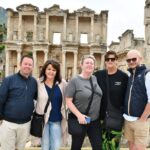
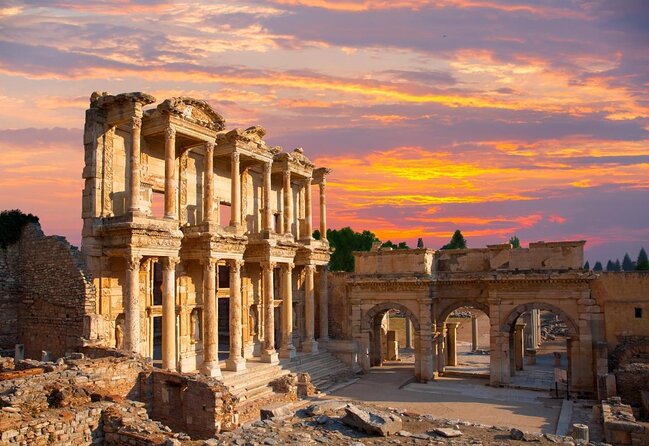
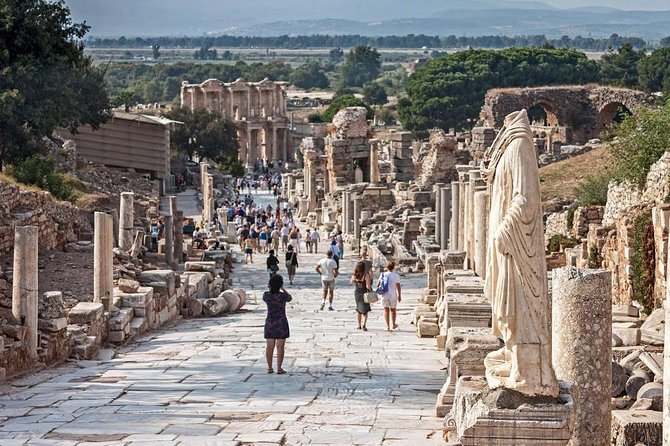
Day 5 is Ephesus, starting at 09:00, and it’s a big one. This is one of the best-preserved ancient ruin sites in the world, and the scale shows immediately once you start walking through the commercial and cultural heart of the ancient city.
The guided tour includes major features such as:
- the theatre
- the gymnasium
- the agora and baths
- the Library of Celsus
You also get the Artemis connection, including the way the temple was rebuilt over time (with the latest form dating to around the third century B.C.). That detail matters because it changes Ephesus from “cool stones” into a living idea of how power, religion, and wealth shaped the city.
After the main tour, you get free time—so you can slow down if you want to linger around the Library of Celsus area or just enjoy a quieter moment before dinner plans. Since dinners aren’t included in this package, you’ll be able to choose where you eat instead of being stuck with a set menu.

Pamukkale and Hierapolis: Travertines, Roman Gates, and Karahayit Red Waters
Day 6 is two big themes in one day: Pamukkale’s natural travertines and Hierapolis’ Roman-era site. You start at 09:30 and it’s admission-included.
You’ll see:
- Pamukkale’s hot springs and limestone travertines
- the ancient city of Hierapolis
- key Roman landmarks like the Domitian Gate, Colonnaded Gate, and Cathedral
- Karahayit’s red waters
- the Pamukkale Museum (to add context)
- and then actual time on the travertines themselves
There’s a real reason the museum stop is included: it helps you understand what you’re seeing before you get distracted by the surreal white terraces. Pamukkale is famous, but without context it can feel like only a photo stop. With context, you start noticing how the site’s layers fit together.
One caution: this is a long, full-day outing (about 8 hours). Even when the schedule is efficient, you might wish for more time in the most popular area of the travertines. If you’re the type who likes to linger for an hour, you’ll want to mentally prepare for a tighter visit than a private slow walk.
Istanbul Again, but Different: A Night in the City After Your Return Flight
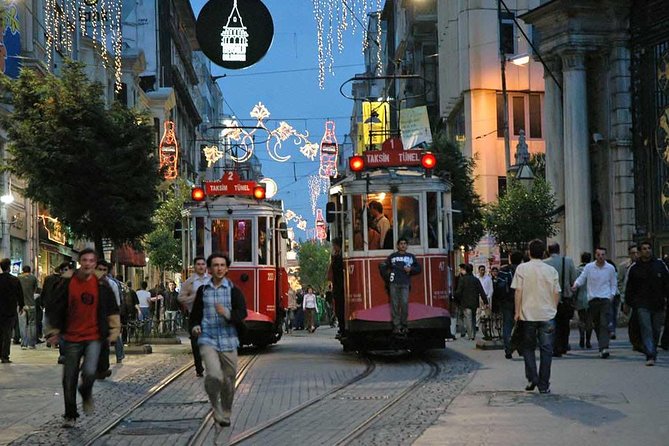
On Day 9, after your second Cappadocia day, you transfer to the airport and fly back to Istanbul. You check into a central hotel and get an overnight stay. Day 10 is essentially checkout and departure.
That “one last night in Istanbul” is a smart way to land. You’re not rushing straight home right after the most dramatic scenery of the trip. Instead, you get a chance to eat something you didn’t have time for earlier, or to wander in the evening when the city feels calmer.
Cappadocia Flight and Cave Hotel Check-In: When the Trip Changes Mood
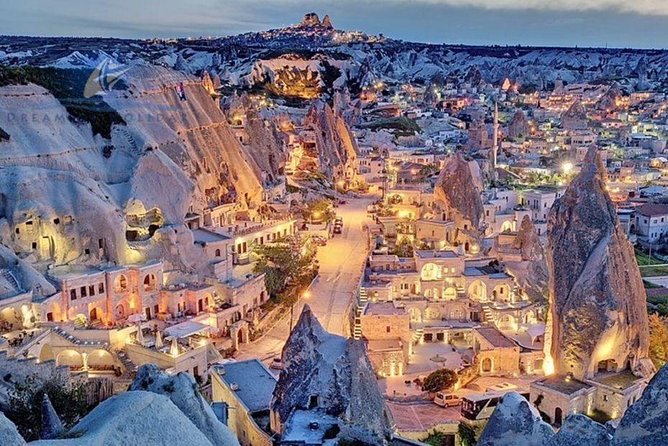
Day 7 is a direct shift in scenery and rhythm. You fly from Izmir Airport to Cappadocia (via Kayseri Airport), then transfer to your cave hotel. The rest of the day is yours to explore.
This day is important because Cappadocia isn’t a “show up and everything is instantly clear” place. Those cave and rock formations take a moment to sink in. Having leisure time helps you adjust to the region, not just collect sights.
Also, an overnight in a cave hotel isn’t a gimmick here—it fits the geography. After days of mosques and ruins, it gives you a different kind of Turkey: handmade spaces carved into the land, with a calmer feel.
Guided Cappadocia Day: Göreme Open Air Museum, Dervent, Pasabag, and a Less-Hassle Shopping Stop
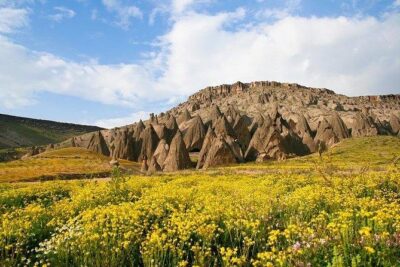
Day 8 is a private Cappadocia tour with guided stops at the Göreme Open Air Museum, Dervent Valley, and Pasabag Valley. You’ll also have time after lunch for a shopping tour focused on traditional crafts like carpet weaving, leather manufacturing, and jewelry.
This is one of those “sounds touristy” parts that can be genuinely useful—if you treat it as cultural context, not just shopping. The guide’s role is key here: you’re shown how products are made and what materials connect to the region’s history. And because it’s guided, you avoid some of the hard-sell pressure that can make craft shopping stressful.
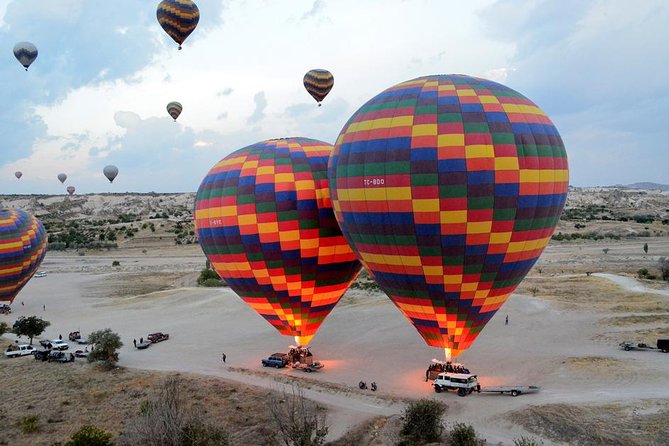
There’s also an optional hot air balloon chance before the tour, starting at sunrise. The package says ballooning is optional rather than included, but it’s there for people who want the classic view. If you’re interested, I’d weigh it against other time you might want for photography or just a slower morning.
Kaymaklı Underground City and the Uchisar Area: The Other Side of Cappadocia
Day 9 starts with Kaymaklı Underground City, a fascinating place where early Christians hid from Roman armies and raids by hostile tribes. The tour describes self-sufficient features inside the underground spaces: halls for storing crops, barns, rooms, kitchens, and ventilation channels.
This isn’t just “a tunnel you walk through.” It’s a reminder that people once designed whole life systems underground for protection and survival. If you like human stories behind sites, this is the strongest “meaning” stop of the day.
After that, the tour continues with Uchisar Castle, Avcilar, and Pigeon Valley. Then you have a free afternoon before heading to the airport and returning to Istanbul.
Price and logistics: Why $4,500 can feel fair here (and where it may not)
At $4,500 per person for 10 days, this tour sits in the “serious itinerary” category. The reason it can feel like value is that you’re not paying separately for everything that adds up in Turkey travel: the package covers 9 nights of accommodation, local licensed guide service, all transfers, plus meals.
Specifically, meals included are breakfast (8) and lunch (6). Dinners are not included, and drinks are not included. So you’ll want to budget evenings on your own, which can be a plus if you like variety—or a headache if you’d rather have every meal handled.
Also, the tour includes a mix of admission tickets and free entries depending on the stop. The practical benefit is that you’re not spending your time chasing paperwork and individual tickets between major sights.
Group size is max 15. That usually means you get the efficiency of group travel with enough space to ask questions without losing your whole day to crowd control.
Hotels and guides: the human side of the itinerary
The tour promises hand-picked hotels and unique overnight stays, and that’s where you’ll feel the difference most. A standard room just isn’t the same as a cave hotel after a long day of ruins. You’ll also likely appreciate the fact that breakfasts are included, because it removes one more daily decision.
Guide quality is repeatedly a highlight in the feedback you provided, with named guides including Emrah, Murat, and Alí. What comes through is a mix of historical knowledge and patience—exactly what you want when you’re walking through places where details can otherwise float past you.
One practical detail to consider: there was a note about Istanbul hotel location being far from the city center and causing long travel time. That’s not something I’d ignore. When you book, ask what “central” means in your specific hotel, and plan for the possibility of longer transit if your hotel is on the outskirts.
Pacing tradeoffs you should expect before you go
This is not a slow travel itinerary. It’s structured, with start times on key days (Ephesus at 09:00, Pamukkale at 09:30, and other timed movements). That works well if you want to see a lot without decision fatigue.
But it has a few realities:
- You’ll move by flight between regions, so you’re trading time in transit for more time on-site.
- Long days happen, especially on Ephesus and Pamukkale days.
- If your personal style is “linger as long as I want,” you might feel Pamukkale is time-pressured.
- Due to COVID-era caution, opening hours and the exact order of visits can change.
None of this makes the trip bad. It just means you should match your expectations to a guided plan.
Should you book this Istanbul–Cappadocia–Ephesus–Pamukkale tour?
I’d recommend it if you:
- want the biggest Turkey hits in one trip
- prefer a guide and transfers to heavy planning
- like structured days with built-in meals (especially lunch and breakfast)
- enjoy mixing ancient ruins with dramatic natural sites
- think a cave hotel is worth prioritizing
I’d hesitate if you:
- need full free evenings every day (dinners and drinks aren’t included)
- hate domestic flights or want zero travel days between regions
- expect long, unhurried time in the single most famous sights
If you book, do three small things that pay off fast: confirm where your Istanbul hotel sits, think through whether the hot air balloon option is a priority for you, and pack for a long-legs, walk-heavy rhythm on ruins days.
FAQ
Where does the tour start and end?
The tour starts in Istanbul and ends back in Istanbul, which is meant to make flight connections easier.
How long is the tour?
It runs for about 10 days.
How much does it cost?
The price is $4,500 per person.
What’s included in the price?
You get 9 nights of accommodation, a local licensed tour guide, all transfers, lunch (6 times), and breakfast (8 times).
Are dinner and drinks included?
No. Any dinner, drinks, and personal expenses are not included.
How many people are in the group?
There’s a maximum of 15 travelers, and a minimum of 2 people per booking.
Is hot air ballooning included in Cappadocia?
Hot air ballooning is listed as an option before the tour, not something included by default.
Do you offer pickup and mobile tickets?
Pickup is offered, and the tour uses a mobile ticket.
What is the cancellation policy?
It is non-refundable and cannot be changed for any reason. If you cancel or request an amendment, the amount you paid is not refunded.
Is there a child rate?
Yes, but the child rate applies only when sharing with 2 paying adults, and children must be accompanied by an adult.