REVIEW · ISTANBUL CITY HIGHLIGHTS & PRIVATE TOURS
ISTANBUL Full-Day PRIVATE Guided Tour: For the Top Historic Sites
Book on Viator →Operated by Istanbul Private Guided Tour: For Major Historical Attractions · Bookable on Viator
One day, two empires, six landmarks. This private tour is a fast way to get your bearings, hitting Ottoman and Roman-era icons in a sensible order without feeling rushed. The private licensed guide setup means you can ask questions and adjust the pace to your group.
I also like the market help built into the day. You get haggling support at the Grand Bazaar, plus practical tips for spotting what you actually want to buy in that maze of shops.
One thing to watch: the day can include shopping-style stops and demonstrations that may feel sales-heavy if you are not shopping, so set expectations early.
In This Review
- Key things that make this Istanbul day tour work
- Price and logistics: what you are really paying for
- Starting at Hagia Sophia: where to look first
- Blue Mosque: the 17th-century Ottoman design lesson
- Topkapi Palace: the Ottoman empire in rooms, not just facts
- Basilica Cistern: 10 meters down and suddenly in a movie scene
- Hippodrome: chariot races and carved leftovers
- Grand Bazaar: shopping help without getting steamrolled
- What to budget beyond the $79 tour fee
- Timing, walking pace, and dress code: make the day easier
- Choosing the right day: closure notes that affect your map
- Should you book this private Istanbul historic sites tour?
- FAQ
- What is the price of the Istanbul full-day private guided tour?
- How long does the tour take?
- Is this tour private?
- What’s included in the tour price?
- Are entrance fees included for the museums?
- Which sites are free to enter?
- What is closed on Tuesdays and Sundays?
- What is the dress code for visiting the mosques?
Key things that make this Istanbul day tour work
- Private guide for real orientation: you’re not just looking at buildings, you’re learning what to notice as you go
- Mosque dress code handled in advance: plan for headscarves and covering knees before you arrive
- Blue Mosque + Hagia Sophia back-to-back value: two major landmarks with different stories and design details
- Topkapi time is protected: the largest portion of the day goes to Ottoman power and palace artifacts
- Basilica Cistern is more than a photo stop: 10 meters underground, with pillars and lighting (plus famous film history)
- Grand Bazaar is free entry but not free decisions: it’s great for browsing, better if you have a shopping plan
Price and logistics: what you are really paying for
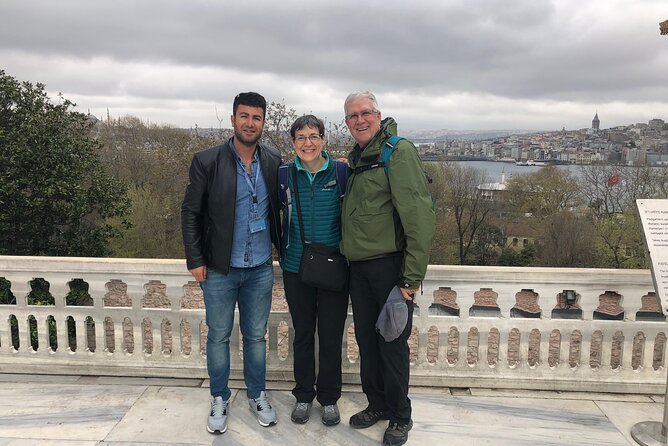
The tour costs $79 per person for a 6–7 hour private guided day. That price is mainly paying for one thing: a licensed guide who can move you efficiently between top sites, help with timing, and give context you would miss if you walked it alone.
Museum entrances are not included, and that matters for value. Depending on your exact stops, you should expect extra costs on top of the $79, especially for Topkapi. In one case, a traveler advised budgeting around $130 per person total after all admissions, with Topkapi cited around $60, but your final number can vary with ticket prices.
Also, transportation is not included. You’ll want to plan how you’ll reach the start point and how you’ll get back afterward, since the tour ends back at the same meeting location near Sultanahmet.
You can also read our reviews of more guided tours in Istanbul


Starting at Hagia Sophia: where to look first
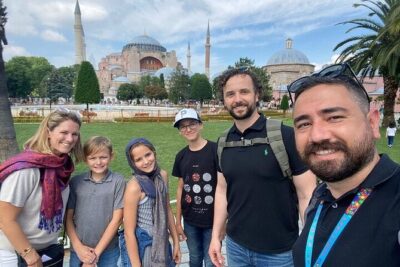
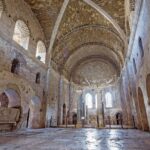
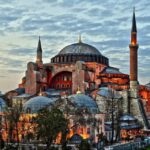
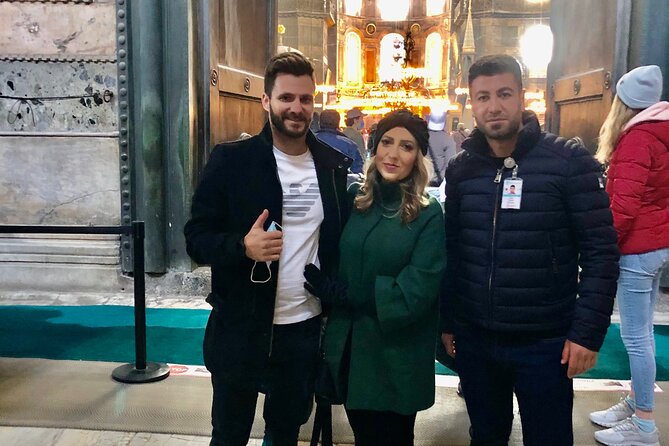
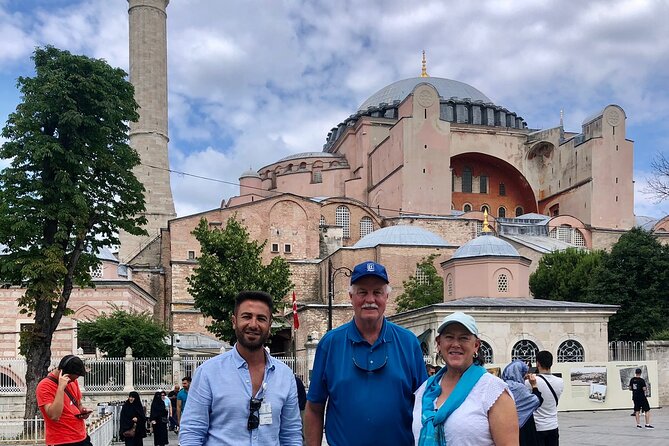
You begin at Hagia Sophia in Sultanahmet, the city’s grand “hinge” between empires. This building began as a 6th-century cathedral under the Eastern Roman Empire, then became a mosque after the Ottomans took Istanbul in 1453, and today it functions as both mosque and museum.
When you walk inside, the value of a guide is simple: you learn how to read the layers. You’ll notice Roman-era icons and motifs alongside Ottoman additions, and suddenly the building stops feeling like one big interior and becomes a timeline you can follow with your eyes.
Dress code is required here, so plan ahead. Women need a headscarf and a long dress (covering the knee), and men need long pants that cover the knee.
If you’re the type who gets lost in details, this is a good place to start with someone steering you. Hagia Sophia is stunning, but it is also easy to miss the “why” behind what you’re seeing.
Blue Mosque: the 17th-century Ottoman design lesson
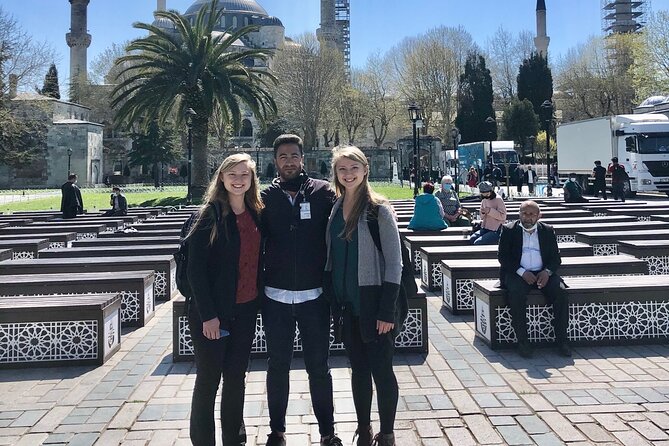
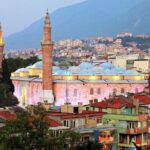
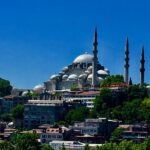
Next is the Blue Mosque, built by the Ottoman Empire in the 17th century and known for its famous wall of blue ceramic tiles. Yes, the interior is visually striking, but what makes it memorable is understanding what those tiles and stained glass windows were meant to communicate.
A nice bonus for planning: entry is free at this stop. You still need to follow the dress code, though, and that is the part most visitors underestimate. Women should bring a headscarf and clothing that covers the knee; men should plan on long pants that cover the knee.
Spend your time looking at the way light moves across the interior surfaces. With an attentive guide, you’ll know where to aim your attention so it feels like more than a quick “wow and go.”
Topkapi Palace: the Ottoman empire in rooms, not just facts
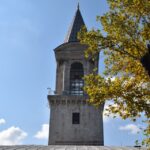
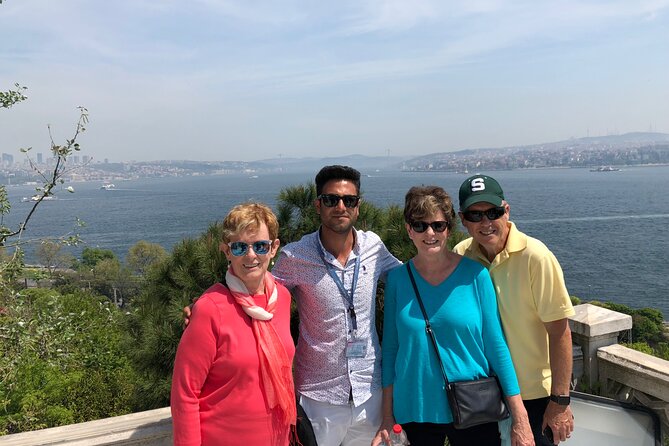
Topkapi Palace Museum is where the day often becomes “real.” This complex was the residence of Ottoman sultans and the empire’s imperial palace for centuries, built after Mehmet II captured Constantinople in the 15th century.
Because this is a palace maze with many rooms, a guide’s role is huge. You can walk through beautiful spaces for hours and still miss what each section represents. With guidance, you’ll connect artifacts and rooms to how Ottoman rule worked, not just admire objects as decoration.
Plan for about two hours here. One practical note: Topkapi is closed on Tuesdays. If your trip includes a Tuesday, you’ll want a different plan, or you’ll need to rebook another day to keep the full circuit.
Also, there’s a heads-up that guides may not be allowed into some private exhibition rooms during busier times. Even so, you should still get solid historical context and clear direction for what to prioritize once you’re inside.
Basilica Cistern: 10 meters down and suddenly in a movie scene
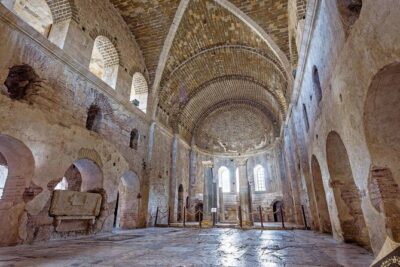
After Topkapi comes the Basilica Cistern, the underground water reservoir built in the 6th century by the Roman Empire. It’s not an active tank anymore, so today it’s experienced more like a museum with dramatic lighting and a forest of pillars.
You go down roughly 10 meters underground, and the atmosphere changes fast. That vertical drop makes it feel like you stepped into a different city, with columns receding into shadow and colorful lights reflecting off the stone.
This is one of the stops where context really pays off. The cistern has been used as a filming location, including for From Russia with Love (1963) and Inferno (2016), and a guide can help you connect the spaces you see to why filmmakers love the look.
Admission is not included for this stop, so factor that into your total budget. Expect around 30 minutes at a comfortable pace.
You can also read our reviews of more private tours in Istanbul



Hippodrome: chariot races and carved leftovers
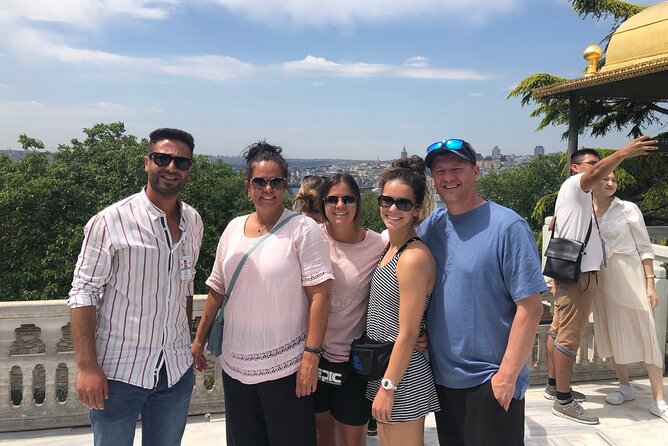
Next you’ll see the Hippodrome, a square associated with Constantine the Great and used for chariot races. It was the most popular activity in the city, and it’s one of those places where the “big event” is gone, but the pieces remain.
Today you can spot several major elements, including an Egyptian obelisk, the serpent column from Greece, a German fountain, and a walled obelisk. You’re not going to see chariots here, obviously, but you’ll get a feel for how Istanbul’s power centered on public spectacles.
This stop is quick (about 20 minutes) and the admission is free. It’s also a good break in the walking day, letting your legs rest while your mind keeps absorbing context.
Grand Bazaar: shopping help without getting steamrolled
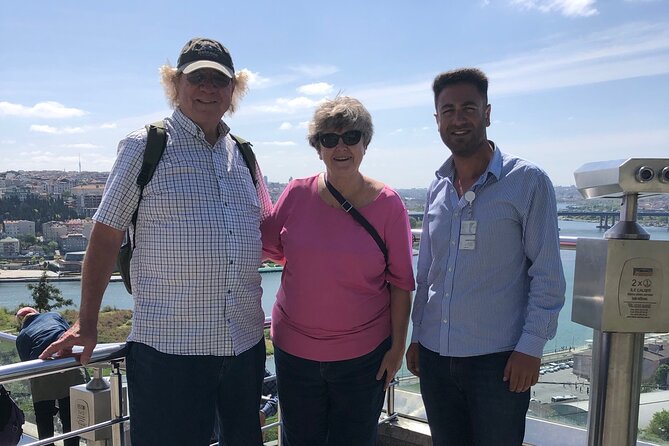
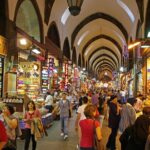
You finish at the Grand Bazaar, a 500-year-old Ottoman market with thousands of shops. It was built in 1461 and is the kind of place where you can wander for an hour and still feel like you saw nothing unless someone tells you what to look for.
Entry is free, but the real value is guidance. The tour includes help with navigating the stalls and even practical support for haggling for souvenirs, which is a big deal in a market where prices can swing wildly depending on what you want.
Grand Bazaar is closed on Sundays, so check your day. If you visit on a Sunday, you’ll lose this stop entirely.
Inside, you’ll see shops for ceramics, spices, sweets, jewelry, and hand-made rugs. Some areas also involve demonstrations of craft. For many people, the carpet and textile side is the main attraction, but you still have a choice: browse calmly, ask questions, and only move forward if the product and price feel fair.
One caution based on real-world experiences: the day can include demonstrations and shopping presentations. If you are not looking to buy, tell your guide early and keep your priorities clear, so the day stays focused on the sites you came for.
What to budget beyond the $79 tour fee
Your $79 covers a private licensed guide and the tour structure around major landmarks. It does not include lunch, museum entrance fees, transportation, or gratuity for the guide.
Museum entrance costs are the big variable, and they often add up most at Topkapi. One traveler also suggested that the total admissions could come to around $130 per person, depending on what you do and ticket prices at the time.
Lunch is not included, so build in time to grab something nearby if you want a sit-down break. If you skip lunch and snack instead, you’ll likely have more energy for the later market stop.
Finally, gratuity is not included. If you want to tip, plan a cash budget or be ready for whatever the local norm is for your guide.
Timing, walking pace, and dress code: make the day easier
This is a moderate-fitness walking day across multiple historic sites. That means comfortable shoes are not optional. You are moving between areas, and mosques add a bit of stop-start time due to entry checks and dress code compliance.
Dress code is required for Blue Mosque and Hagia Sophia. Women need headscarves and long clothing that covers the knee; men need long pants that cover the knee. I’d treat this as a “bring it or plan to borrow” situation, because arriving without the right coverage can slow everything down.
Expect the tour to last about 6–7 hours. Some sites also take longer depending on the group, so if your group has kids, mobility limits, or strong preferences, a private guide makes a difference. Several guides on this circuit are praised for adapting pace and keeping teenage attention on track, which is exactly what you want for a full-day plan.
Choosing the right day: closure notes that affect your map
Two closures can change the flow of your day.
- Topkapi Palace is closed on Tuesdays. If your dates include Tuesday, you’ll likely need a different plan to keep Topkapi in the itinerary.
- Grand Bazaar is closed on Sundays. On Sunday trips, you can still see many major sites, but you’ll miss the bazaar stop.
If you are booking in advance, aim for planning early. This tour is commonly reserved about 51 days ahead on average, which suggests it sells out in many weeks. The earlier you lock your date, the easier it is to match your schedule to the closures.
Should you book this private Istanbul historic sites tour?
Book it if you want a clear, efficient primer to Istanbul’s historic core. This is especially good for first-timers because it strings together the most important Ottoman and Roman-era landmarks in one day, starting at Hagia Sophia and ending at the Grand Bazaar.
Skip it (or be very firm in how you manage the day) if you hate shopping presentations. The Grand Bazaar segment can include demonstrations and heavy sales energy, so if your goal is strictly sightseeing, tell your guide you are there for the monuments, not the sales floor.
You’ll probably love it if you:
- want a private guide who can explain what you’re seeing in plain language
- care about mosque etiquette and want help navigating the rules
- like hitting multiple top sights without spending half your time sorting tickets and “what do we do next”
And you’ll be happier if you show up ready for a walk: comfortable shoes, a dress-code plan, and a realistic budget for museum entrances.
FAQ
What is the price of the Istanbul full-day private guided tour?
The tour costs $79.00 per person.
How long does the tour take?
It lasts about 6 to 7 hours.
Is this tour private?
Yes. It’s a private tour/activity, so only your group participates.
What’s included in the tour price?
A personal licensed private guide and coverage of the major attractions (Blue Mosque, Hagia Sophia, Topkapi Palace, Basilica Cistern, Grand Bazaar, and Hippodrome). Lunch, museum entrance fees, transportation, and guide gratuity are not included.
Are entrance fees included for the museums?
No. Museum entrance fees are not included, including Topkapi Palace and Hagia Sophia, as well as Basilica Cistern.
Which sites are free to enter?
Blue Mosque and the Hippodrome are listed as free to enter. Grand Bazaar is also listed as free to enter.
What is closed on Tuesdays and Sundays?
Topkapi Palace is closed on Tuesdays. Grand Bazaar is closed on Sundays.
What is the dress code for visiting the mosques?
For both Blue Mosque and Hagia Sophia: women need a headscarf and long dresses (covering the knee), and men need long pants that cover the knee.