REVIEW · CITY TOURS
Byzantion Walk Path and City Walls of Istanbul
Book on Viator →Operated by Taha Guide of Turkiye · Bookable on Viator
Istanbul’s walls have a pulse. This walk traces the Byzantine defenses from the Golden Gate area through major gates and the Theodosian Walls system, then ends with the Chora Museum mosaics. I especially like how the route mixes big-picture military engineering with real, eye-level details you can still touch. The main drawback: this is a moderate-walking outing and it’s not recommended if you have leg problems.
You’ll also get a proper human guide, not a canned audio script. Guides like Taha (and sometimes Ally/Taja, depending on the team) are praised for clear history, friendly pacing, and planning that keeps the day efficient. Just note that the Chora Museum won’t work on Fridays, since it’s closed that day.
In This Review
- Key Highlights You’ll Actually Feel During the Walk
- From Byzantion Walls to Real Street Views
- Yedikule and the Golden Gate Area: Where Defenses Get Dramatic
- Silivrikapı: Small Gate, Clear Clues About Rebuilding
- Mevlanakapı and the Theodosian Walls: Siege Engineering, Not Just Stone
- Chora Museum: The Art Stop That Makes the Walk Worth It
- Price and Group Value for a Private Istanbul Walk
- Meeting Point and How to Plan Your Day
- Who This Tour Suits Best
- Practical Tips Before You Go
- Should You Book This Byzantion Walk and Walls Tour?
- FAQ
- How long is the Byzantion Walk Path and City Walls tour?
- Where does the tour start?
- Is this tour private?
- What is the group size limit?
- Is the tour in English?
- Are any admission tickets included?
- Is lunch included?
- Is the Chora Museum stop available on Fridays?
- Is service available for people using service animals?
- Is the tour suitable if I have leg problems?
Key Highlights You’ll Actually Feel During the Walk
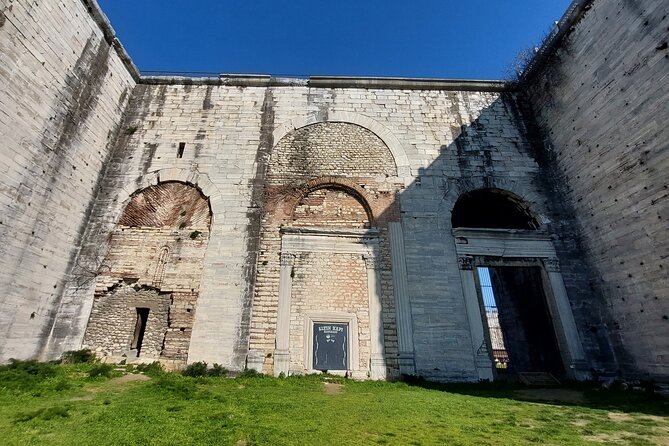
- Golden Gate and the Yedikule area: see where the Ottomans used gate-adjacent dungeons and why the location mattered.
- Late Byzantine repairs at Silivrikapı: notice the irregular stone-and-brick pattern and the gate’s polygonal towers.
- Theodosian Wall logic, up close: the multi-layer siege design—moat, outer defenses, and the towering inner wall.
- Chora Museum mosaics and frescoes: a 14th-century peak of the Palaeologan Renaissance with human feeling and naturalism.
- Private-group feel: up to 15 people, with a licensed/certified English guide and room for breaks.
From Byzantion Walls to Real Street Views
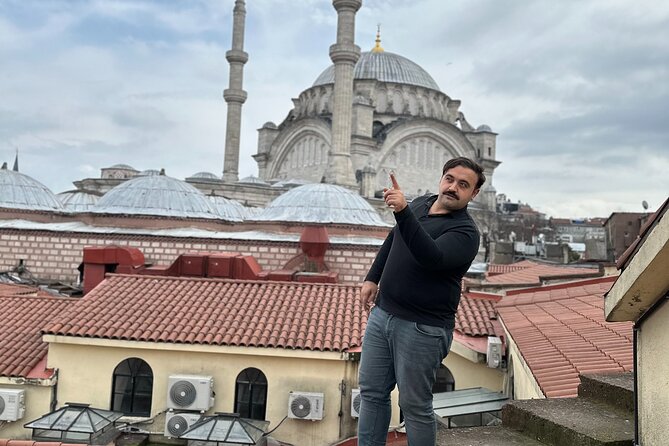
This tour is built around one idea: Constantinople wasn’t protected by one wall. It was protected by a system—layers of defenses that were meant to slow invaders down, break momentum, and soak up siege pressure. That’s exactly what makes the walk more than a sightseeing checklist.
I like that you get both the strategic story and the physical evidence. One moment you’re learning why a gate mattered; the next you’re standing in the same kind of defensive zone that shaped the city’s survival for centuries.
And it’s also a good “first-timers but not basic” choice. If you’ve seen the grand landmarks already, this kind of tour gives you the under-the-surface Istanbul.
You can also read our reviews of more walking tours in Istanbul



Yedikule and the Golden Gate Area: Where Defenses Get Dramatic
You start in the Yedikule area, heading toward the largest surviving stretch of the city walls and the Golden Gate zone. This is the kind of place where context matters. A gate is not just an entrance—it’s a control point, a choke point, and often a place where power shows itself.
In the Ottoman period, Yedikule was tied to imprisonment and dungeons, which adds a sharp edge to what you’re looking at. You’re not only seeing stonework; you’re seeing a location that carried political weight long after the Byzantine era.
A practical note: you might travel there by taxi or public transportation depending on how the day is run. That helps you save time and makes the walk feel more focused instead of turning into a long transit day.
Silivrikapı: Small Gate, Clear Clues About Rebuilding
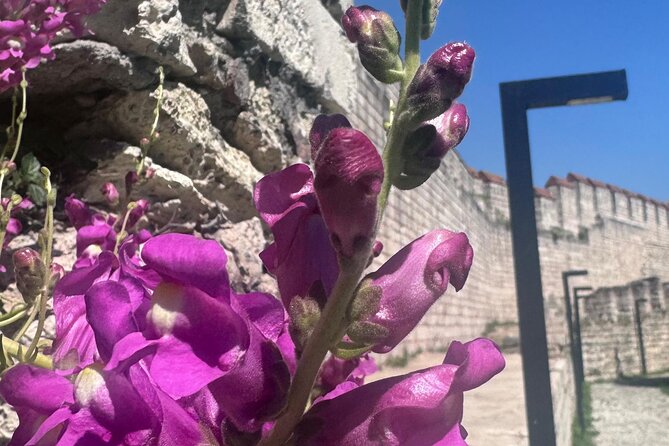
Next you move to Silivrikapı, another major gate to the north of Belgrad Kapı. This one doesn’t always get the same attention as the headline sights, but that’s the point. It’s easier to understand how the city managed access when you see multiple gateways in sequence.
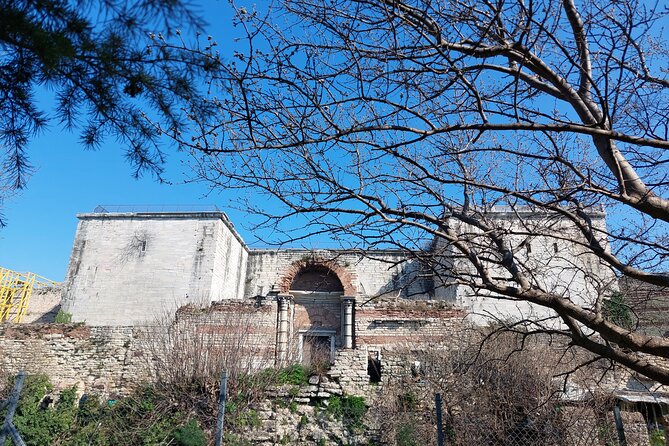
Silivrikapı sits between two polygonal gateway towers, and the gate was renewed in the Late Byzantine period using irregular stones with brick rows placed between them. If you enjoy looking closely, this is a rewarding stop. You can literally read repair work in the masonry.
It’s also a nice “breather” in terms of effort. The time at this point is shorter, which helps you keep good energy for the heavier wall viewing later.
Mevlanakapı and the Theodosian Walls: Siege Engineering, Not Just Stone
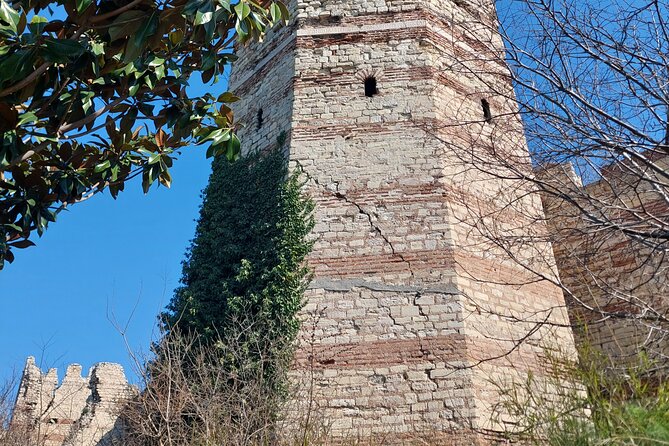
This is the heart of the experience. You’ll walk defensive walls that date to a system designed to stop invaders for over a millennium. The focus here is the Theodosian Walls as engineering, not as a single backdrop.
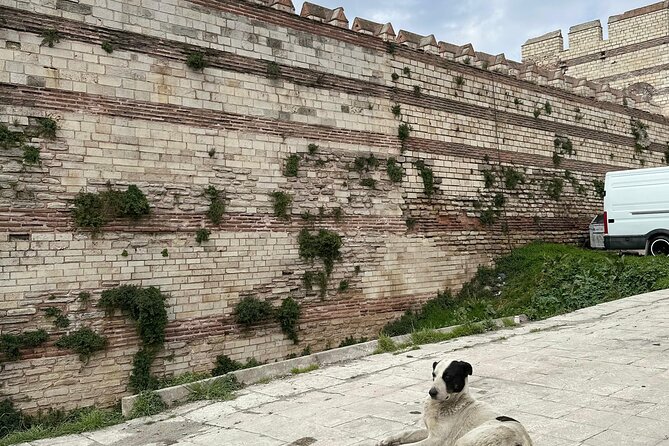
Here’s the key mental model the guide helps you hold onto: it wasn’t just one barrier. It was a multi-layer system built to absorb and redirect siege damage. You’ll learn to picture the defenses working together—starting with a deep moat, then an outer defensive wall, and then a massive inner wall that rises about 12 meters.
That height and layering weren’t random. The whole plan was meant to absorb cannon fire and repel siege engines. Standing along the walls, you start to see why attackers needed time, manpower, and luck—and why Constantinople could survive so many attempts.
This part of the tour is also where your photos will improve. Instead of only capturing a wall, you’ll understand what you’re photographing. You’ll know where the pressure was supposed to land, and where defenders had an advantage.
Chora Museum: The Art Stop That Makes the Walk Worth It
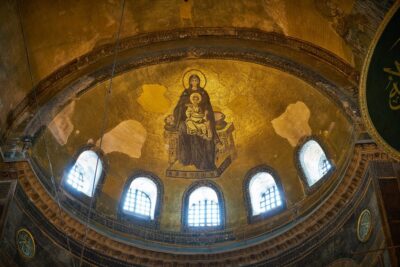
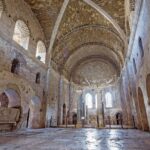
After the defensive story, the day flips to art at the Chora Museum, famous for a major collection of Byzantine mosaics and frescoes. This is often described as the Sistine Chapel comparison for a reason: the scale of preserved detail and the emotional punch are what catch people off guard.
The museum started as the Church of the Holy Savior in Chora. The surviving masterpieces you’re there to see were created in the 14th century and are tied to the Palaeologan Renaissance. The big idea for the art lovers: this period shows a shift toward naturalism and more human feeling than earlier Byzantine art.
Admission for Chora Museum isn’t included in the tour price, so budget for the ticket on top of what you pay the guide. Also, plan your week carefully: the museum is closed on Fridays. If your trip lands on a Friday, this stop won’t be available.
If you’re choosing between this and a pure-walls day, I’d lean toward this option because the art gives your brain a satisfying second theme. You go from city defense to city identity—stone tactics, then spiritual and artistic expression.
You can also read our reviews of more city tours in Istanbul






Price and Group Value for a Private Istanbul Walk
The price is $372.07 per group, for a private tour with up to 15 people. That sounds like “group pricing,” but it’s still useful to think in per-person terms once you compare it to private guides elsewhere.
What you’re paying for here is a licensed English guide plus admissions that are free for the wall/gate sights you visit. You also get a tour designed to move efficiently through major points without you having to connect all the dots alone.
Duration is listed as 1 to 5 hours, but the timing of the included segments suggests a more typical experience around half a day. In plain terms: it’s long enough to feel like an actual walk with meaning, short enough that you can stack other Istanbul stops the same day.
And you’ll want to factor in lunch. Lunch isn’t included, and the estimate given ranges from 300 to 6,000 Liras. That range is wide because everyone’s lunch style is different, but the point is: eat after the walking so your energy holds for the museum.
Meeting Point and How to Plan Your Day
The tour meets at the German Fountain at Binbirdirek, on At Meydanı Cd, 34122 Fatih/İstanbul. It starts at 9:00 am and ends back at the meeting point. Starting in the morning is smart here. You’ll do better with heat, light, and general street flow—especially if you’re planning photos.
It also helps that the meeting area is near public transportation. That matters in Istanbul, where transit choices can change fast.
I’d plan on moderate walking and uneven stone surfaces. The tour is not recommended for anyone with leg problems, so be honest with yourself about your comfort on a city-wall walk.
Who This Tour Suits Best
This is a strong match if you like:
- Byzantine Istanbul and want more than the usual headline monuments
- architecture you can understand through function (not only appearance)
- a structured day with an English guide and pacing that keeps you from burning time
It’s also a good choice for first-time visitors who already know the famous views and want the “how the city worked” layer. The defensive-wall focus makes Istanbul feel different in a good way.
If you’re mainly shopping for a relaxed stroll with minimal walking, you might find the pace and stone paths a bit too active. This tour expects a moderate fitness level.
Practical Tips Before You Go
- Wear shoes you trust on uneven surfaces. City walls are not smooth museum floors.
- Bring water and plan for breaks. The guides for this experience are known for checking in and helping keep the day comfortable.
- If you’re visiting on a Friday, treat Chora Museum as a scheduling issue because it’s closed that day.
- If you want smoother logistics, aim for arriving a few minutes early at the German Fountain meeting point so you’re ready for the day’s transit to the wall areas.
Should You Book This Byzantion Walk and Walls Tour?
If you want your Istanbul day to feel like a story you can see, I’d book it. The combination of gates (Yedikule/Golden Gate), a quieter gateway stop (Silivrikapı), and the major wall logic (Mevlanakapı and the Theodosian Walls system) gives you a complete defensive picture. Then the Chora Museum provides the payoff with Byzantine mosaics and frescoes that turn all that architecture into a fuller understanding of the city.
I’d hesitate only if you have leg issues or if you strongly prefer a very low-walking schedule. Otherwise, this is the kind of tour that turns “I saw Istanbul” into “I understood how Constantinople defended itself and how Byzantines expressed their world.”
FAQ
How long is the Byzantion Walk Path and City Walls tour?
It runs for about 1 to 5 hours, depending on how the day is paced.
Where does the tour start?
It starts at the German Fountain (Binbirdirek), At Meydanı Cd, 34122 Fatih/İstanbul.
Is this tour private?
Yes. It’s private, and only your group participates.
What is the group size limit?
The group can include up to 15 people.
Is the tour in English?
Yes, the guide provides the experience in English.
Are any admission tickets included?
Admission tickets are free for the gate and wall areas. The Chora Museum admission ticket is not included.
Is lunch included?
No. Lunch is not included, and the estimate provided is 300 to 6,000 Liras.
Is the Chora Museum stop available on Fridays?
No. The Chora Museum is closed on Fridays.
Is service available for people using service animals?
Yes. Service animals are allowed.
Is the tour suitable if I have leg problems?
It’s not recommended if you have leg problems, since it involves walking along defenses and walls.