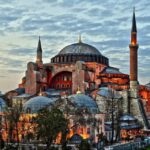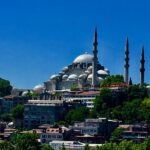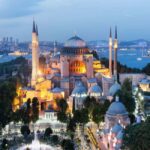
Turkey hits you fast, then keeps going. This 9-day route is a smart mix of big landmarks and hands-on moments like Pamukkale’s hot spring and time in Istanbul’s historic core. I like that the plan is built around clear guided stops, not random wandering, so you see more with less stress. I also like that communication is practical, including advice from past guests to keep WhatsApp working since it often becomes the main thread for updates.
The second thing I like is the variety: Byzantium-era grandeur in Istanbul, Greco-Roman giants at Ephesus, and rock-carved worlds in Cappadocia. You also get a cave hotel setup, plus an included Bosphorus Cruise that helps you understand the city’s layout fast. One possible drawback: the schedule moves daily and includes multiple travel legs and domestic flights, so if you like long, slow days with no transit, this may feel like a sprint.
In This Review
- Key highlights worth marking on your calendar
- Entering Istanbul Like You Have a Plan
- The Blue Mosque and Hagia Sophia With Real Context
- Hippodrome, Palaces, and a Long Day of Walking
- Bosphorus Cruise: The Quickest Istanbul Geography Lesson
- Kusadasi: Seaside Breather Before the Big Heritage Runs
- Pamukkale Cotton Castle and the Travertine Hot Spring Moment
- Ephesus: Marble Street, Celsus, and the Grand Theater Scale
- Virgin Mary’s House and Then Off to Cappadocia
- Cappadocia Cave Hotel Life: A Different Kind of Sleep
- Göreme Open-Air Museum and Dark Church Murals
- Red Valley Hike, Uchisar Views, and Pigeon Valley
- Kaymakli Underground City: The Big Interior World
- Konya’s Mevlana Museum and the Caravanserai on the Silk Road
- Back to Istanbul, Check Out by Noon
- Price and Logistics: What You’re Actually Paying For
- Who This Tour Fits Best
- Should You Book It?
- FAQ
- FAQ
- What cities are included in this 9-day Turkey experience?
- Do you get pickup service in Istanbul?
- Are domestic flights included?
- How are guides handled during the tour?
- Are entrance fees included?
- Is breakfast included?
- Is there baggage included for the domestic flights?
- Do you include the hot spring experience at Pamukkale?
- Is a hot air balloon ride included?
- Is this a private tour?
Key highlights worth marking on your calendar
- Istanbul Old City loop with Blue Mosque, Hippodrome, Hagia Sophia Museum, and Topkapi Palace
- Bosphorus Cruise that frames palaces, bridges, and Ottoman-style waterfront sights in one go
- Pamukkale Cotton Castle with a planned hot spring moment in the travertine pool
- Ephesus guided sightseeing plus added stops like the Artemis Temple area and the Virgin Mary’s House
- Cappadocia cave hotel paired with multiple valleys and a major underground-city visit
Entering Istanbul Like You Have a Plan
Istanbul can overwhelm you on day one. That’s why the arrival setup matters: when you land, you get a local representative to pick you up and drop you at your hotel. You check in, rest up, and then your guide takes over with the kind of organized pacing that helps you learn the city instead of just pass through it.
This tour also keeps the first day lightweight, which is exactly what you want after an international flight. You get the structure without rushing into a museum marathon before your legs are awake. It’s a small thing, but it changes how the whole trip feels.
And here’s the practical angle: the tour includes English-speaking guides and uses an air-conditioned vehicle, which becomes a comfort multiplier once you’re doing multiple stops in a day. If you travel with a phone-as-your-brain style, the mention of mobile ticket is also helpful.
You can also read our reviews of more historical tours in Istanbul
The Blue Mosque and Hagia Sophia With Real Context
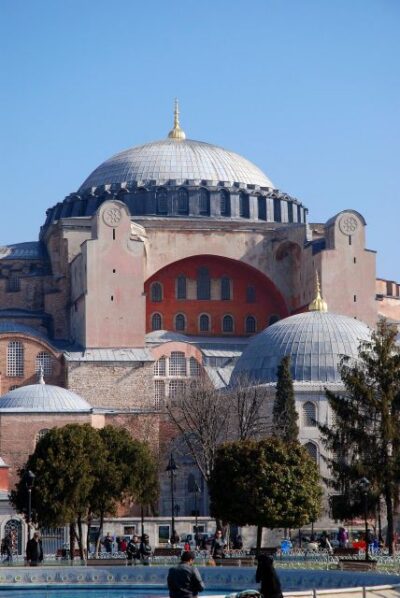
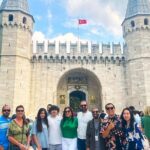
Day 2 is where Istanbul’s layers click. Your guide starts in the old city and runs a classic arc: Blue Mosque, Hippodrome, Hagia Sophia Museum, then Topkapi Palace.
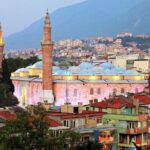
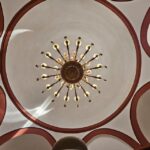
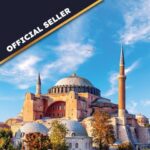
The Blue Mosque visit is not just a photo stop. It’s described in a way that connects architecture to era—Byzantium-style elements, round domes, and six minarets. Standing there helps you understand why Istanbul has always been a crossroads of faith and empire.
Next comes the Hippodrome from the Roman period, a square area surrounded by major monuments. It includes details like the Knitted Obelisk and Serpent Column, plus references to a German pavilion and the way the Blue Mosque sits in the same historic ecosystem.
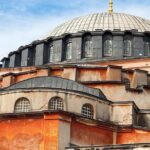
Then Hagia Sophia Museum adds the religious architecture piece tied to the Byzantium period. If you’ve ever wondered why Istanbul’s buildings look both familiar and different, this stop gives you the vocabulary.
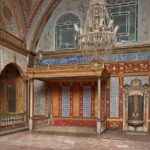
After lunch, Topkapi Palace ties it all together. You’re shown an Ottoman imperial world—courtyards, gardens, libraries, schools, mosques, and more—built like a small city. It’s a good stop for people who like to see governance and culture as one system.
A quick reality check: you’ll be walking. Bring comfortable shoes and expect a bit of climbing around palace courtyards and the museum-like flow inside.
Hippodrome, Palaces, and a Long Day of Walking
I’ll be honest: this day is full. You’re looking at several major sites back-to-back, each with its own story, so your brain stays busy. The benefit is clear—you leave Istanbul understanding the big chapters in less time than you’d likely spend alone.
The main consideration is stamina. If you’re the type who likes to linger in one place for an hour, you might wish you had more slack. On the other hand, if you’re here to see the core and keep moving, this is a strong use of your time.
Also, note that multiple stops include admission tickets listed as free in the schedule for some portions, and the tour overall says entrance fees are included for the sights visited. That reduces the cost surprises and lets you focus on the experience rather than ticket math.
Bosphorus Cruise: The Quickest Istanbul Geography Lesson
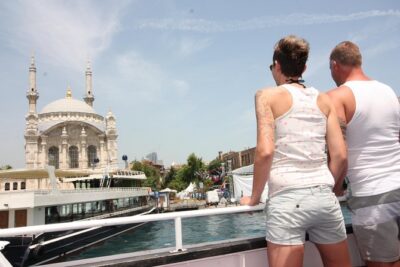
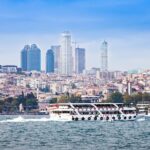
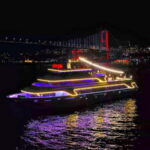
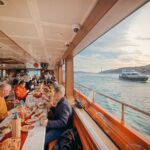
Day 3 starts with a two-hour Bosphorus Cruise. This is one of the best “get your bearings” tools in Istanbul. From the water, you see Dolmabahce Palace, the Bosphorus Bridge, Camlica Hill, and Ottoman-style waterfront buildings across both banks.
You also get an easier mental map. Istanbul isn’t just one city; it’s many neighborhood edges strung along the strait. A boat ride makes that feel obvious, fast.
The cruise is included, with the admission ticket noted as included, and then you transition to the airport for an afternoon flight to Izmir. That means you’re using the cruise as a final Istanbul chapter before leaving the city behind.
Kusadasi: Seaside Breather Before the Big Heritage Runs
After landing in Izmir, you get picked up and driven to Kusadasi, where the rest of the day is yours to explore. This is a good buffer. Rather than rushing straight into ruins, you get time in a charming seaside town and a chance to reset before the next long travel day.
In practice, this is where you’ll likely find casual meals, waterfront walks, and a slower rhythm compared to the concentrated sightseeing days. It’s also a practical staging point for reaching Pamukkale.

Pamukkale Cotton Castle and the Travertine Hot Spring Moment
Pamukkale is famous for a reason: the hot springs flow down a rocky slope and leave mineral deposits that create the look of milky white “cotton” terraces. The tour’s description makes it visual—water gushing from a 200-meter-high rock and forming pool layers year after year.
Your planned special arrangement is a hot spring experience in the travertine pool. You’ll want to pack a swimsuit. This is one of those activities where being ready physically matters more than you think.
After that, you go to Hierapolis Ancient City on the mountaintop. Here, you’re guided through Roman stone pillars, amphitheaters, city gates, and a landscape filled with cemeteries. It’s the kind of pairing that makes Pamukkale feel more than a one-picture stop. You see both the natural phenomenon and the ancient settlement built beside it.
One caution: travertine can be slick. You don’t need anything fancy—just footwear that keeps you steady and confident.
Ephesus: Marble Street, Celsus, and the Grand Theater Scale
Day 5 is a major day, and Ephesus is the star. You drive about two hours to the ancient city, described as the world’s largest and best-preserved Greco-Roman city. That claim sets expectations: this isn’t a small ruin field. It’s a whole urban system.
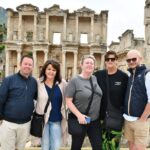
You get guided coverage of the Marble Street, Temple of Hadrian, the Celsus Library, Trajan Fountain, and the Grand Theater. The Grand Theater detail is useful because it gives scale—up to 25,000 spectators in peak times. Even without being an archaeology nerd, you’ll feel how built it was for crowds.
After lunch, you head to the Ephesus Archaeological Museum. This stop is valuable because it adds “where did the pieces go?” context. Relics excavated from Ephesus are displayed, including the statue of the Goddess Artemis.
Then you visit the Temple of Artemis—one of the Seven Wonders of the Ancient World. The key value here is the contrast between what’s left on the ground and what you can imagine from historical scale and decoration.
Virgin Mary’s House and Then Off to Cappadocia
The House of the Virgin Mary is included near the end of the Ephesus day. The tour notes it as a place where Virgin Mary spent her last five years. Even if you approach the site from a historical rather than faith perspective, it offers a different angle on how people understood this region.
Then the day changes gears quickly: you’re transferred to Izmir Airport for your flight to Cappadocia. That transition matters. You’re not just going from city to city—you’re shifting landscapes and time periods in one day.
When you arrive, you drive to a cave hotel and check in. This is a unique accommodation experience, and it can change how you experience Cappadocia even before you explore. Day 6 will do the big sightseeing, but sleeping in a carved space helps set the mood.
If you’re nervous about caves: ask in advance what the room setup is like for your specific booking, since cave hotels vary.
Cappadocia Cave Hotel Life: A Different Kind of Sleep
Your cave hotel stay is a built-in “experience layer.” You get the convenience of being in Cappadocia already, without needing to book and coordinate separately. And since the tour promises help with check-in, you don’t need to figure out timing and logistics on arrival day.
For many people, the best part of a cave hotel is the temperature and the texture of the place. Even when you’re not using it as a bedtime novelty, it makes the valley scenery feel connected to where you’re sleeping. It’s one of those travel comforts that doesn’t show up on a ticket page.
Remember: the tour also lists an optional hot air balloon flight in Cappadocia. If you want it, let the operator know in advance because seats are limited. Balloon flights are weather-dependent, so building in flexibility is smart.
Göreme Open-Air Museum and Dark Church Murals
Day 6 is a Cappadocia highlight reel. You start in the northern area and go to the Göreme Open Air Museum, known for caves converted into monastic residences and churches. Many are described as Byzantine-style with murals.
The standout here is the Dark Church. The tour notes it as the one where murals are most well-preserved due to lack of light, with a chance to pause and take in the murals. This is a nice teaching moment: the same physical reason that made it practical also helped preserve art.
If you like churches, you’ll enjoy how the tour builds a narrative around interiors—what kind of community lived there, and why the spaces were carved in the first place.
After Göreme, you head to Avanos, known for pottery making with clay from the Red River. It’s not just a demo—you’re meant to witness traditional handicrafts by skilled artisans and hear from masters about how they kept the craft alive.
Then you visit Devrent Valley, sometimes called Imagination Valley, famous for lava rocks and the camel-shaped rock. Pasabag Valley (Monks Valley) comes next, with tall stone pillars like fairy chimneys. The day closes with Love Valley for sunset views.
This is a lot of stops, but they’re connected by theme: rock formations, human adaptation, and how people carved meaning into the landscape.
Red Valley Hike, Uchisar Views, and Pigeon Valley
Day 7 takes the “walk and look up” approach. You begin at Cavusin Village and visit the Great Basilica, also called St. John the Baptist Chapel, for murals in the rocks.
Then comes a two-hour hike in Red Valley, noted for churches carved into cliffs and multicolored rock layers. The tour also highlights colored lines that indicate age if you look closely. That kind of detail is helpful because it trains your eyes, not just your feet.
After the hike, you visit Uchisar Castle, excavated from a 60-meter-high boulder. Climbing to the top gives a panoramic view of Cappadocia, which is the payoff for the morning effort.
In the afternoon, you go to Pigeon Valley, known for densely arranged pigeon holes in rock formations. The tour also notes that pigeons act as fertilizer for nearby crops and vineyards, and that Cappadocia wine is highly regarded.
This day feels more physical than day 6, but it’s also the day that gives you a sense of scale—people lived in these rocks, not just visited them.
Kaymakli Underground City: The Big Interior World
Kaymakli Underground City ends the day. It’s described as one of the biggest, spanning eight stories, and once home to around 10,000 people. Your guide explains living scenarios in rooms with different functions, so you’re not just looking at tunnels—you’re imagining how it worked.
Underground cities are a mind-bender. Even without technical knowledge, you can feel the logic: safety, shared space, and the ability to survive during threats. It’s a different kind of wonder than a sunrise view.
Practical note: underground spaces can feel cooler and more enclosed, so wear layers if you’re the type who runs cold. You’re also back to your hotel in Cappadocia at day’s end, which helps after a full day.
Konya’s Mevlana Museum and the Caravanserai on the Silk Road
Day 8 shifts you to the Konya region early. You leave Cappadocia in the morning and drive about three hours to Konya. Here you visit the Mevlana Museum, described as the soul of Konya and tied to the birthplace of whirling dervishes. You also see the mausoleum area and the Semahane ceremonial hall, plus displays of musical instruments and rosary beads.
Next is Sultanhani Caravanserai, a 13th-century station that survived and is well protected on the ancient Silk Road. This stop helps you understand travel as a system. Caravanserais weren’t just places to sleep; they supported trade, people, and logistics.
After Konya, you drive to the airport in Cappadocia and take your flight back to Istanbul. Then you’re transferred to your hotel on arrival.
This is a smart finish: you get culture and a quieter kind of architecture history before you return to Istanbul for your last night.
Back to Istanbul, Check Out by Noon
Day 9 is a clean, practical wrap-up. You check out before 12:00, and your driver takes you to the airport. Since your domestic and international timing is always the variable, this early cutoff helps you avoid last-minute stress.
This final day is light because the real travel days were the ones before. It’s how the tour keeps the pace from turning into constant rushing.
Price and Logistics: What You’re Actually Paying For
$4,129 per person is not cheap, so the real question is value. Here’s what you’re buying:
- Domestic airfares (Istanbul to Izmir, and Cappadocia to Istanbul)
- English-speaking guides across the core sites
- A private driver and air-conditioned vehicle
- Entrance fees for the mentioned sights
- Breakfast included for 8 days
- Domestic flight baggage allowance: 15 kg checked plus 8 kg cabin
When you break it down, the biggest value is the reduction in decision fatigue. You’re not coordinating separate guides, separate transport, and separate ticket queues across multiple regions. Even if you could DIY some of this, DIY tends to cost time, and time is what you pay for when your trip is only 9 days.
Is it good value for solo travelers? The tour is private and only your group participates, so it can make the experience feel smoother if you’re traveling with a partner or small group. If you’re traveling solo and value flexibility more than structure, you might compare against public-group options.
My recommendation is simple: if you want a “see the core, understand the story” Turkey trip without juggling logistics, the price starts to make sense.
Who This Tour Fits Best
This tour is a great fit if you want:
- guided stops across Istanbul, Ephesus, Pamukkale, Cappadocia, and Konya
- a private setup with air-conditioned transport
- included entrances and mostly guided time, with breakfast handled
It’s less ideal if you:
- hate travel days with flights and transfers
- need long breaks every day
- want a fully unguided, spontaneous pace
Also, the tour notes that most travelers can participate, and it’s near public transportation, which can help if you want to add small independent moments on your own.
Should You Book It?
I’d book this route if your top priority is maximum meaningful sightseeing with minimal planning. The combination of Istanbul’s major monuments, Ephesus as a full guided city, Pamukkale’s hot spring experience, and Cappadocia cave-life plus valleys and underground rooms is exactly the kind of “learn and see” package that earns its price.
Book it if your dates are firm and you’re okay with a packed schedule. Skip it if you want days that feel slow and airy, or if you’d rather build a custom itinerary without domestic flight planning.
If you do book, the best move is to confirm your WhatsApp and keep your messages open, since that communication style shows up as the key tool for smooth coordination.
FAQ
FAQ
What cities are included in this 9-day Turkey experience?
It includes Istanbul, Kusadasi, Pamukkale (with Hierapolis), Cappadocia, Konya, and then returns to Istanbul.
Do you get pickup service in Istanbul?
Yes. A local representative picks you up after you arrive at Istanbul Airport and drops you at your hotel.
Are domestic flights included?
Yes. Domestic airfares are included for Istanbul to Izmir and Cappadocia back to Istanbul.
How are guides handled during the tour?
English-speaking guides are provided per itinerary.
Are entrance fees included?
Yes. Entrance fees for the mentioned sights that are visited are included.
Is breakfast included?
Yes. Breakfast is included for 8 days.
Is there baggage included for the domestic flights?
Yes. The tour includes 15 kilo check-in and 8 kilo cabin luggage for domestic flights.
Do you include the hot spring experience at Pamukkale?
Yes. There is a special arrangement for a hot spring experience in the travertine pool, and you’re advised to get your swimsuit ready.
Is a hot air balloon ride included?
A hot air balloon ride in Cappadocia is available, but you need to let the operator know in advance because seats are limited. The tour data does not explicitly state it is automatically included.
Is this a private tour?
Yes. Only your group will participate.