REVIEW · CAPPADOCIA TOURS FROM ISTANBUL
2 Days Cappadocia tour from Istanbul
Book on Viator →Operated by Turkey Tourism · Bookable on Viator
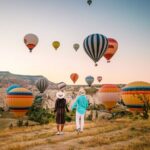
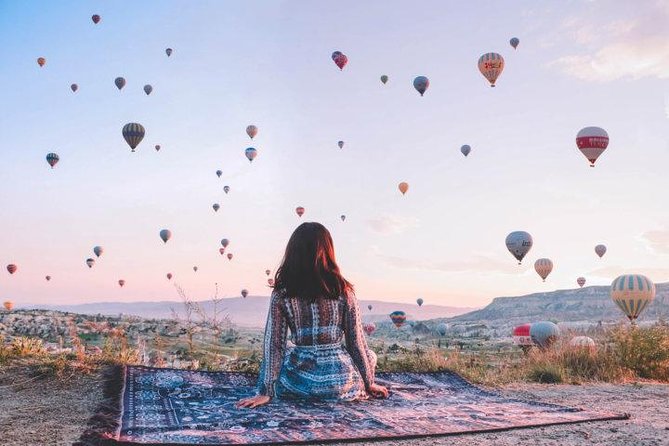
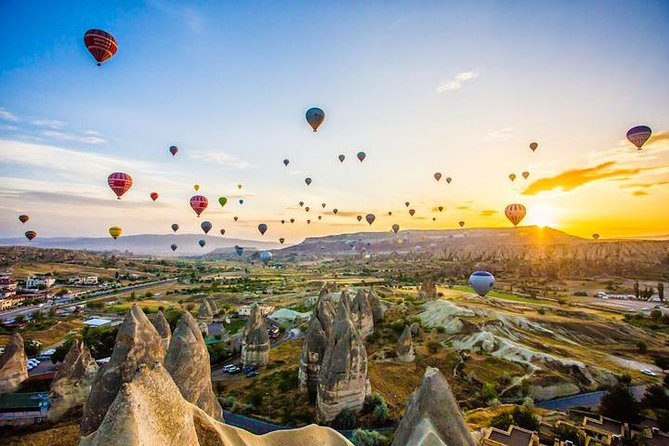
Balloon mornings make Cappadocia feel unreal. I love the sunrise balloon views and the chance to stay in a cave hotel; it turns the region into a real place, not just a checklist. The trade-off is that everything outside depends on weather, so you may face early wake-up calls and schedule adjustments.
This kind of trip can be pricey, but you’re paying for round-trip flights plus transfers and a guided route that keeps time from leaking away. I also like the small group size (up to 15), which makes it easier to manage stops without everyone rushing like it’s a relay race.
The plan is packed with cave villages, fairy chimneys, and underground history. Just note that dinner isn’t included, so you’ll need to plan one evening meal on your own.
In This Review
- Key things to know before you go
- Why Cappadocia from Istanbul feels efficient
- Price and value: what $700 buys in the real world
- Flights, pickup, tickets, and how the day actually runs
- Day 1: Roman gym, early Christians, and the caves near Üçhisar
- Kızılçukur (the Roman gymnasium)
- Çavuşin (village caves and the oldest Christian church)
- Love Valley (White Valley) and its fairy chimney forms
- Kaymakli Underground City (the main underground wow)
- Pigeon Valley (fertilizer power)
- Üçhisar Castle (highest point panoramas)
- Kaymakli Underground City: why this stop hits harder than it sounds
- Cave suite hotel overnight: comfort that fits the theme
- Day 2: Göreme fresco churches, fairy chimney walks, and pottery
- Göreme Panorama (start with the big picture)
- Göreme Open Air Museum (frescoes from the 10th–13th centuries)
- Avanos (pottery and the Kızılırmak river)
- Devrent Valley (walking among fairy chimney formations)
- Paşabağ (Monks Valley) and Ürgüp: the best rock shapes plus wine country vibes
- Balloon reality: sunrise magic, early wake-up, and weather rules
- Who should book this tour, and who should skip it
- Should you book this 2 Days Cappadocia tour from Istanbul?
- FAQ
- Is pickup from Istanbul included?
- What languages is the tour offered in?
- Are round-trip flights included?
- Do I stay overnight in a cave hotel?
- What are the main attractions on the tour?
- Are entrance fees included?
- What meals are included, and what isn’t?
- How many people are in the group?
- What happens if the balloon or tour is canceled due to weather?
Key things to know before you go
- Balloon time is the big emotional payoff, and it’s weather-dependent—so be flexible.
- Cave suite hotel with breakfast keeps you close to the main areas and the feel of Cappadocia.
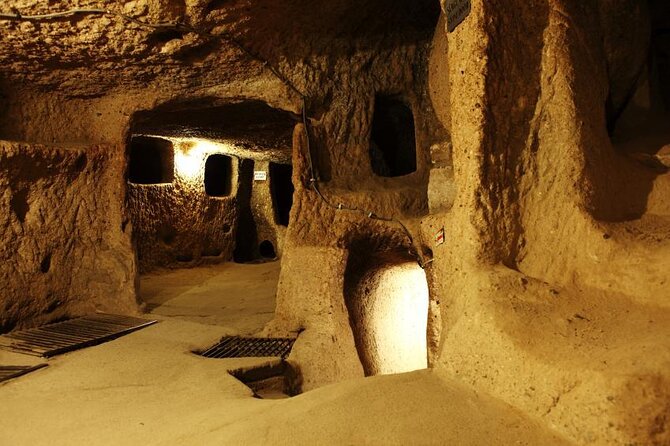
- Kaymakli Underground City is a major stop with rooms, storage areas, and defensive features.
- Göreme Open Air Museum includes carved churches and frescoes from the 10th–13th centuries.
- Most major entrances are covered, so you’re not constantly hunting ticket windows.
- Small group pace (max 15) helps the day run without chaos.
Why Cappadocia from Istanbul feels efficient
Cappadocia is famous for being far away—far enough that a “quick look” can easily turn into a travel slog. This tour’s whole logic is speed with structure. You get scheduled transport, a guide, and booked-in advance logistics, so you’re mostly spending time on sights instead of figuring out transit.
You also get a real overnight in the region. That matters because Cappadocia is at its best with early light and late-day shadows. Even if your days feel full, the change of environment—plus that cave stay—helps it stick in your memory.
And yes, the balloon is the headliner. But the ground-level stuff is what rounds it out: underground living spaces, rock churches with frescoes, and valleys shaped into fairy chimney formations.
You can also read our reviews of more tours and experiences in Istanbul

Price and value: what $700 buys in the real world
At $700 per person, this is not a “cheap weekend” deal. What makes it feel more reasonable is what’s included: round-trip flights with taxes, airport transfers, a cave suite hotel with breakfast, a guided small-group route, transport on the ground, and entrance fees.
In practice, that means you’re bundling the biggest cost drivers together:
- Flight cost (with taxes) so you don’t have to price it separately
- A cave hotel night (with breakfast), which is a core part of the experience here
- Entrance fees for the key sites, including major museum time
The one area to keep in mind is food. Breakfast and lunch are included, but dinner is not. If you’d rather eat every meal out, you’ll still have costs—but at least lunch is handled.
So my take: if you want balloon time plus a guided visit to the big Cappadocia hits in a tight window, the price is easier to justify. If you’re hoping to control every element yourself and travel slowly, you might find better value by building your own route.
Flights, pickup, tickets, and how the day actually runs
This tour offers pickup, and it comes with airport transfers and mobile tickets. That combo matters more than it sounds. When you’re moving between Istanbul and Cappadocia quickly, the stress isn’t the sightseeing—it’s the coordination.
The tour also keeps group size capped at 15 travelers max. That helps at crowded viewpoints and at timed museum hours, because the guide can manage the flow without losing people.
One practical note: expect a day built around efficient stops. Some stops are shorter (30 minutes or so), while the heavy-hitters like underground city visits and museum time take longer. If you like lingering at viewpoints, plan on using your breaks wisely—bring water and a layer for cooler cave interiors and early morning balloon temperatures.
Finally, the tour is offered in English and Spanish, so you’ll have language support instead of relying on basic signposts.
Day 1: Roman gym, early Christians, and the caves near Üçhisar
Your first day is a fast tour of Cappadocia’s “people lived here” story. Instead of only looking at rocks, you start where humans used the rock shapes—then you climb toward the big panoramic views.
Kızılçukur (the Roman gymnasium)
You begin at Kızılçukur, described as a Roman-era gymnasium. It functioned as a social gathering place where people watched athletes. The value here isn’t just the ruins—it’s the idea that this region has been a meeting point for centuries. It sets a tone: you’re not arriving at a modern theme park.



Çavuşin (village caves and the oldest Christian church)
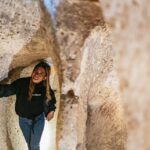
Next is Çavuşin, an ancient settlement tied to early Christianity. The highlight is the village’s cave rooms—living spaces, sleeping areas, kitchens, even winery-style storage—plus the ruins and the view created by landslides in 1960.
A practical thing to know: cave villages can feel uneven underfoot. Wear shoes you’re happy to walk in on rocky ground.
Love Valley (White Valley) and its fairy chimney forms
Then you hit Love Valley, originally called White Valley. The rock formations are the point: fairy chimney shapes that look like natural sculptures. You get a short stop here, but it’s a good “visual reset” after the historical cave dwellings.
Kaymakli Underground City (the main underground wow)
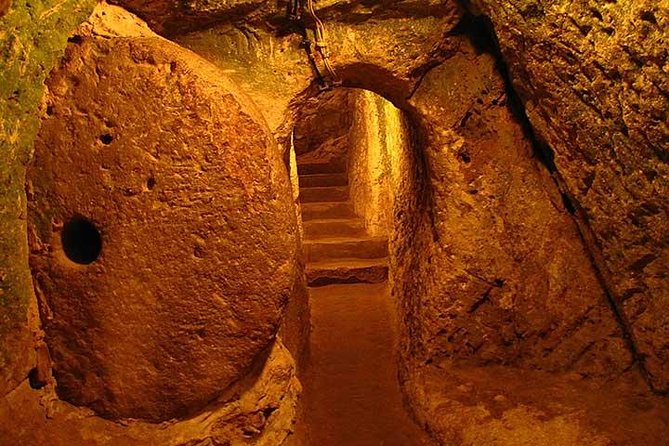
The day’s big underground stop is Kaymakli Underground City. This one stands out among the many underground cities in the region (36 others are referenced in the tour info). It’s tied to early use by the Hittites and later sheltering by Christians during Roman persecution times.
What makes this visit satisfying is variety. You get to see connected rooms and tunnels, including food storage areas and church spaces. The chimneys and defensive systems are also part of what you’ll notice while walking through—basically, this was engineered survival, not just a hideout.
Expect cooler temperatures underground, and know that you’ll be walking through passages that can feel tight. If you’re claustrophobic, take it slow and keep an eye on your comfort level.
Pigeon Valley (fertilizer power)
After Kaymakli, the route swings by Pigeon Valley. The focus is the panoramic view and the pigeon houses designed to collect droppings used to fertilize agricultural areas, especially vineyards. It’s one of those stops that feels unusual in the best way: history tied directly to daily work.
Üçhisar Castle (highest point panoramas)
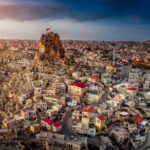
Finally, you end Day 1 at Üçhisar Castle, the highest point in the region. The citadel area historically served for surveying and defense, and today it’s mainly for views. This is a great place to see how the valleys and chimney formations spread out beyond the towns.
It’s a satisfying wrap: underground first, then back up into open air with a sky full of shapes.
Kaymakli Underground City: why this stop hits harder than it sounds
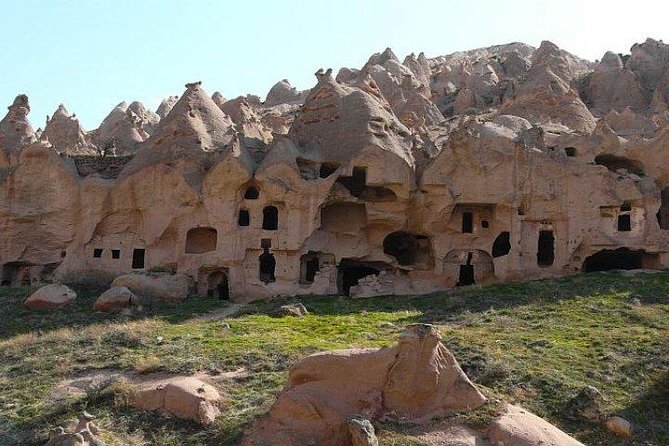
Plenty of tours say underground city. Few make you understand it. Here, the emphasis is on how the spaces worked together: rooms connected by tunnels, storage for food, and church areas used during religious hardship.
The defensive systems and chimneys are key details. They help you picture how people could survive while enemies were close by—ventilation mattered, and so did the ability to control movement.
If you like history you can physically walk through, this is one of the best stops on the whole trip. If you mainly want scenery, you’ll still get value, but be ready for a slower, more tactile experience than the open-air valleys.
Cave suite hotel overnight: comfort that fits the theme
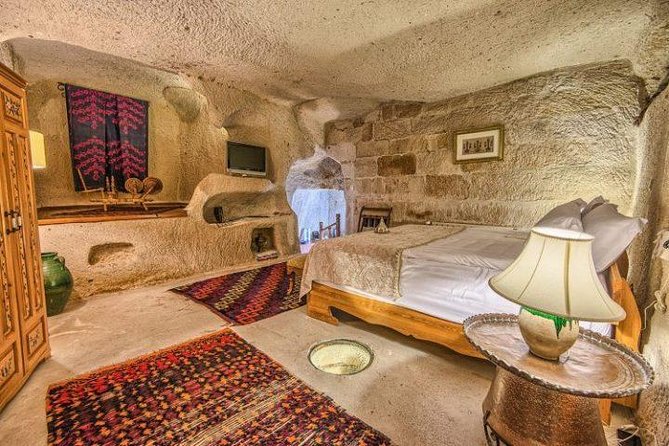
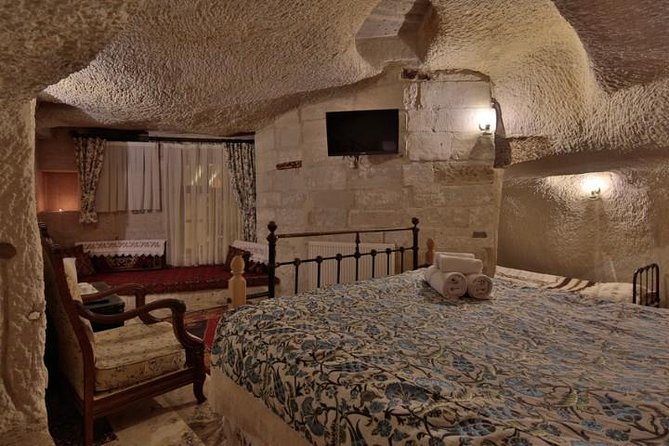
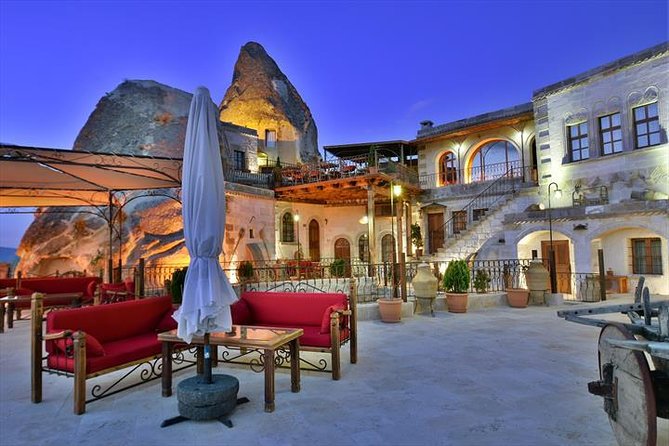
The overnight stay is included in a cave suite hotel, with breakfast. Cave hotels are popular for good reason: they match the setting, keep a naturally cooler temperature, and make the whole region feel consistent.
What I’d plan around is comfort expectations. Cave rooms can be cooler and sometimes feel more humid than a standard hotel. Bring a light layer for the evening, and keep your shoes ready if you step out after a long day.
Also, since lunch and breakfast are included, you’ll likely have a smoother morning. You’ll still need to handle dinner on your own, so I’d consider eating close to where you’re staying to avoid an extra round of logistics.
Day 2: Göreme fresco churches, fairy chimney walks, and pottery
Day 2 leans into the “look closely” side of Cappadocia—church art, sculpted rock valleys, and craft history.
Göreme Panorama (start with the big picture)
You start with Göreme Panorama, which gives a view over Göreme town and its cave houses. This stop is short, but it helps you orient yourself for the Open Air Museum later. When you see the town from above first, the carved churches below feel more meaningful.
Göreme Open Air Museum (frescoes from the 10th–13th centuries)
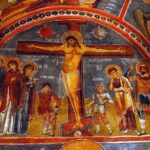
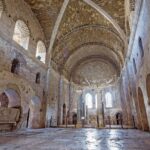
The big museum stop is Göreme Open Air Museum, described as the first and biggest monastery complex where religious education started. You’ll visit churches, chapels, and monasteries carved into the fairy chimneys, with frescoes painted from the 10th to 13th centuries.
The tour also includes historical context around key religious figures tied to the site’s tradition: Great St. Basil, his brother St. Gregory of Nyssa, and St. George of Nazianus. That matters because the artwork isn’t random decoration—it sits inside a broader story of learning and faith during shifting eras.
Give yourself permission to slow down inside. Frescoes reward attention. If you rush, you miss the best details.
Avanos (pottery and the Kızılırmak river)
Next is Avanos, known for pottery connected to traditions reaching back to the Hittite period. The red clay comes from residue in the Kızılırmak River, which divides Avanos.
This stop is a nice change of pace from caves and underground tunnels. It’s also a reminder that Cappadocia isn’t just about ancient buildings. It’s about materials, craft, and how locals used what the land provided.
Devrent Valley (walking among fairy chimney formations)
Then you walk Devrent Valley, famous for fairy chimneys in different shapes—caps, cones, mushroom-like forms, pillars, and pointed rocks. The formations are explained as the slow work of erosion on tuff layers by smaller volcanic activity and by rivers, wind, and floods.
A walk like this works best if you look for patterns. When you try to “read” the rock shapes, the valley stops being scenery and becomes a geology lesson you can actually see.
Paşabağ (Monks Valley) and Ürgüp: the best rock shapes plus wine country vibes
After Devrent, the route takes you to Paşabağları (Monks Valley). Here the fairy chimneys often have multiple stems and caps—one of the unique styles in the area. You’ll also find a chapel dedicated to St. Simeon and a hermit’s shelter built into a fairy chimney, described with three heads.
That mix—rock architecture plus religious use—is why this area stays on people’s minds. It’s sculpture that also served a purpose.
Finally, you end with Ürgüp and a view at Three Beauties, plus wine-factory and vineyard scenery and apricot gardens. It’s a lighter ending compared to underground and fresco churches, and that’s a good thing. After intense history, a calmer viewpoint helps your brain file everything away.
Balloon reality: sunrise magic, early wake-up, and weather rules
The tour’s signature highlight is a balloon experience framed around dramatic morning or late-day views from the air. You should treat balloon time like the heart of the trip: the rest of the schedule can feel supportive, but ballooning is what brings the big emotion.
Two practical points based on how the tour is run:
- The overall experience requires good weather.
- If poor weather cancels the balloon-related parts, you’ll be offered an alternative date or a full refund.
So pack for early and for cold. Even in warmer months, mornings can feel chilly up on launch schedules. And keep your flexibility mindset on: your best balloon window may shift.
Who should book this tour, and who should skip it
This trip is a strong fit if you:
- Want Cappadocia in two days without doing planning gymnastics
- Care about the big three: balloon time, underground city, and Göreme’s fresco churches
- Like a structured small-group pace (up to 15)
- Appreciate staying somewhere that matches the theme, like a cave hotel
You might choose differently if you:
- Hate weather uncertainty. Ballooning and outdoor timing are part of the deal.
- Want lots of free time to wander without scheduled stops.
- Prefer a fully self-directed itinerary with your own hotel and restaurant choices every day.
If you’re a first-time visitor, this tour is especially useful. It gives you a broad sweep, but still spends serious time at the standout sights instead of rushing through everything like a drive-by.
Should you book this 2 Days Cappadocia tour from Istanbul?
If you want a one-ticket solution that covers flights, hotel, guided visits, and the region’s headline experiences, it’s an easy “yes.” The value is strongest for people who don’t want to coordinate logistics, and for those who want a genuine cave stay plus balloon views.
Book it if your schedule can handle early mornings and if you’re okay with weather affecting exact timing. Don’t book it if you need total control and zero uncertainty. Cappadocia rewards flexible plans—and this tour is built around that reality.
FAQ
Is pickup from Istanbul included?
Yes. The tour includes pickup, plus booked-in transfers around the trip.
What languages is the tour offered in?
It’s offered in English and Spanish.
Are round-trip flights included?
Yes. Round-trip flight tickets with all taxes are included, along with airport transfers.
Do I stay overnight in a cave hotel?
Yes. Overnight accommodation is included in a cave suite hotel, with breakfast.
What are the main attractions on the tour?
You’ll visit the Kaymakli Underground City and the Göreme Open Air Museum, plus other scenic stops like Love Valley, Devrent Valley, Paşabağ (Monks Valley), and viewpoints such as Göreme Panorama and Üçhisar Castle.
Are entrance fees included?
Yes. Entrance fees are included in the tour.
What meals are included, and what isn’t?
Breakfast and two lunches are included. Dinner is not included.
How many people are in the group?
The maximum group size is 15 travelers.
What happens if the balloon or tour is canceled due to weather?
The experience requires good weather. If it’s canceled because of poor weather, you’ll be offered a different date or a full refund.