REVIEW · CAPPADOCIA TOURS FROM ISTANBUL
From Istanbul: 2-Day All-Inclusive Cappadocia Guided Trip
Book on GetYourGuide →Operated by Bellaturca Tour · Bookable on GetYourGuide
Cappadocia in two days, done right. This all-inclusive style trip strings together flights, transfers, guided sights, skip-the-line tickets, and a cave hotel stay so you can focus on the weird, wonderful terrain—rock churches, fairy chimneys, and cities built underground. You’ll see a lot, fast, without the usual hunt for tickets and logistics.
What I like most is the Goreme Open Air Museum guided visit, where the rock churches and frescoes make the early Christian story click. Second, you get serious time in the valleys and viewpoints—Pasabag, Devrent, Uchisar, Red Valley, Pigeon Valley—so the famous shapes don’t stay just photos on your phone.
The trade-off is pacing. You’re likely facing early starts and a long day of driving and walking, and the hot air balloon is optional and weather-dependent, so plan for the possibility it won’t happen.
In This Review
- Key highlights that make this trip click
- Why this 2-day Cappadocia format works (even with early mornings)
- Flight + transfers: how the logistics remove the headaches
- Pasabag fairy chimneys: the first wow moment you can’t fake
- Goreme Open Air Museum: where the rock churches stop being random
- Devrent Valley and Avanos: scenery plus a real taste of local life
- Uchisar Castle: one viewpoint that does a lot of work
- Staying in a real cave hotel: Fresco and Solem make the story stick
- Day two: Cavusin, Goreme Panorama, and Red Valley’s color show
- Love Valley and Pigeon Valley: cute shapes with real walking time
- Kaymakli Underground City: history that feels physical
- Turkish lunches and demonstrations: the food is part of the pacing
- Guides and communication: why this trip gets so many high marks
- Balloon flight: the highlight that’s handled with safety-first realism
- Price and value: what $709 buys you in the real world
- Who should book this Cappadocia tour from Istanbul
- Should you book this tour?
- FAQ
- Is the hot air balloon flight included?
- What hotel do you stay in for the night?
- How many meals are included?
- Are museum tickets included?
- Do you get help at the airport for flights?
- What languages are the guided tours offered in?
- Is this tour suitable for wheelchair users or mobility impairments?
Key highlights that make this trip click
- Rock-cut churches with a guide so you understand what you’re looking at, not just what it looks like
- Fairy chimney stops like Pasabag and Love Valley that are quick, visual, and memorable
- Cave hotel night (Fresco Cave Suites or Solem Cave Suites, subject to availability) to make Cappadocia feel real
- Underground city visit to see how people lived and hid underground
- Optional balloon that’s treated as extra, not the one-and-only plan
- Tight logistics with door-to-door transfers in Turkey and strong communication
Why this 2-day Cappadocia format works (even with early mornings)
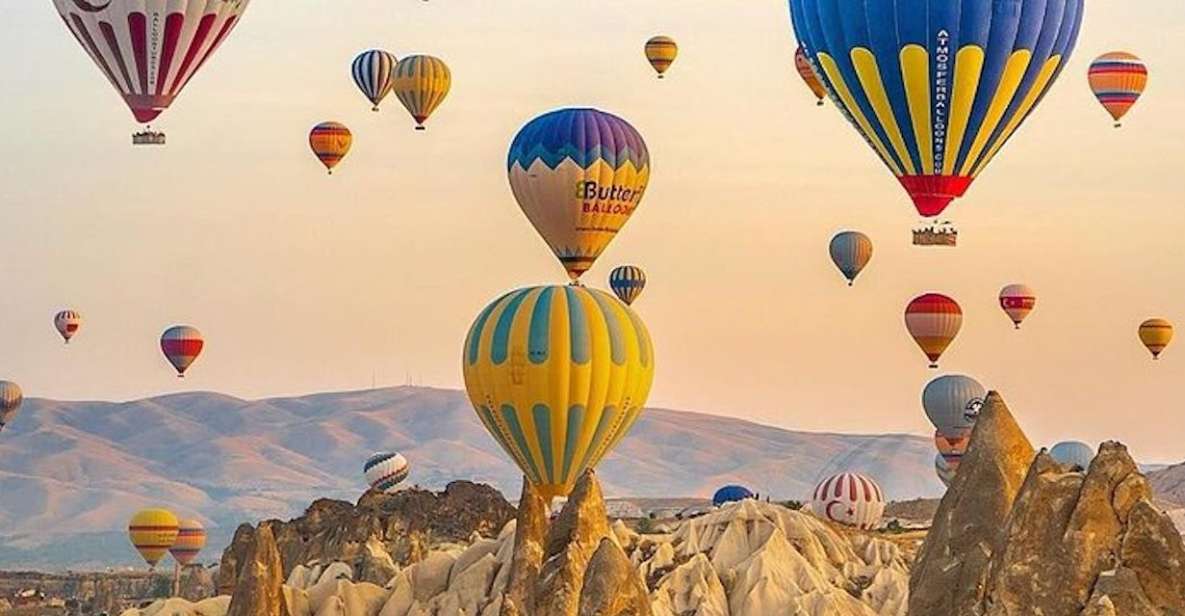
Two days in Cappadocia can feel like trying to see all of Europe in a weekend. But this plan keeps the big-ticket areas clustered, then adds the smaller, off-to-the-side stops that make Cappadocia feel deeper than just balloons. You get a guided structure that helps you move efficiently without turning it into a rushed blur.
Still, the schedule can be early. Some guests report pick-up times around the 4:30 am range for the balloon option or morning rhythm, and Cappadocia mornings often start before the sun is done warming up. If you’re sensitive to early wake-ups, bring patience and caffeine.
You can also read our reviews of more guided tours in Istanbul

Flight + transfers: how the logistics remove the headaches
This trip is built around the Istanbul–Kayseri flight, with roundtrip airport transfers in both regions. You start with a hotel-to-Airport transfer in Istanbul, then you land in Kayseri and meet your guide to begin the fairy chimney route. On the return, you drive back to Kayseri Airport, fly to Istanbul, and then get dropped at your Istanbul hotel.
One practical detail: the tour doesn’t include airport assistant services. The driver drops you off at the terminal entrance, and you’ll need to proceed to your flight gate on your own after handing in luggage. In the Cappadocia side, you’ll meet the driver at the airport’s main gate for the private transfer—so keep your eyes open right after landing.
If you want an “I don’t want to think about anything” trip, this is the right direction. If you like controlling every hour yourself, you might still feel timeboxed, especially on the return day if flights run late. One guest noted arriving back in Istanbul very late after delays, and that’s a reality with domestic travel.
Pasabag fairy chimneys: the first wow moment you can’t fake
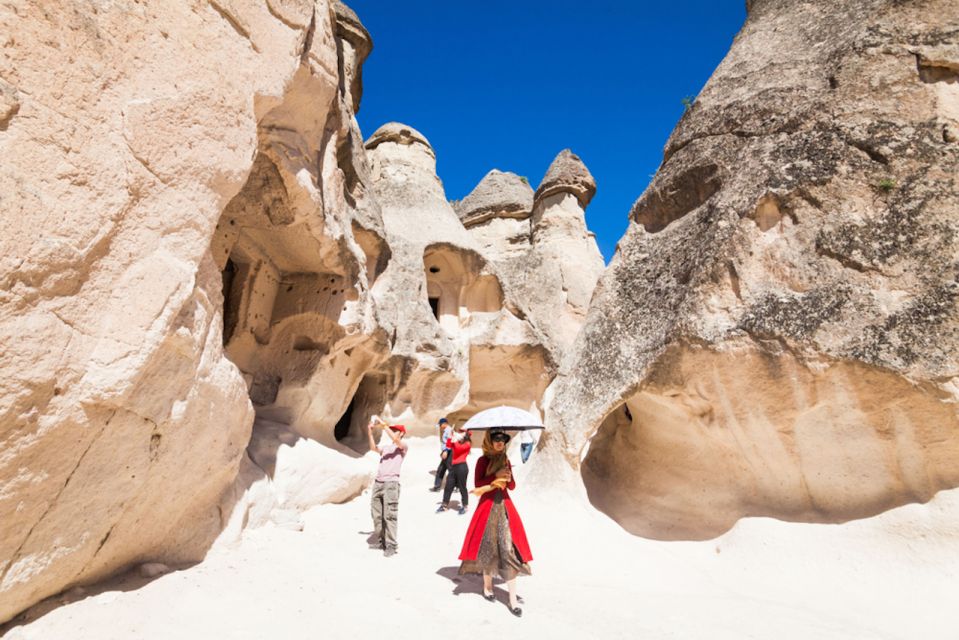
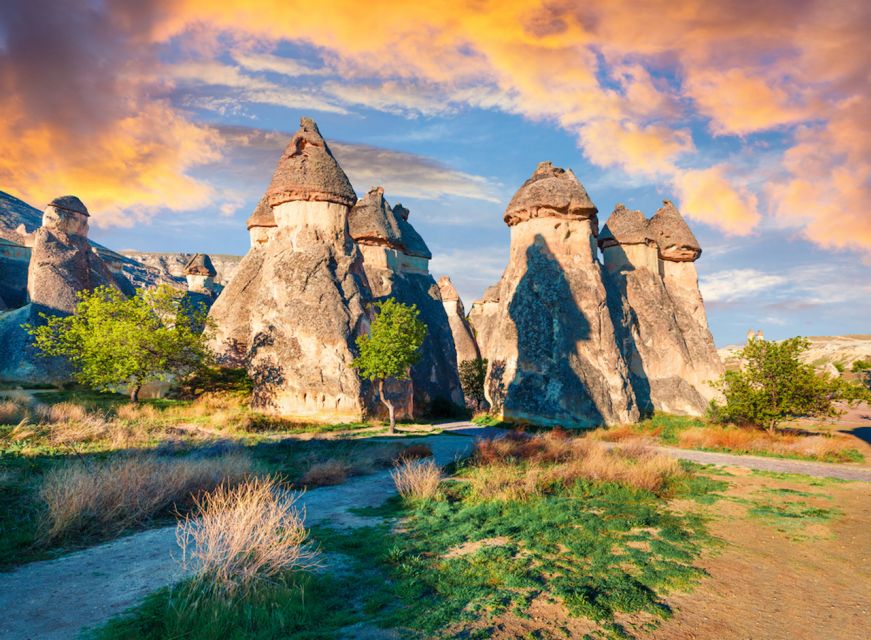
Pasabag is the kind of stop where you instantly get why Cappadocia has myth-level status. You walk through a dense concentration of rock-cut forms and fairy chimneys, including the famous multi-chimney shapes. The pacing here is manageable, about 45 minutes on foot, and it’s a great “warm-up” before the deeper religious sites.
What makes it more than just sightseeing is how a guide frames the terrain. Expect the story of how these volcanic formations were shaped over time, and how people adapted their homes to what nature left behind. It’s easy to look at rocks and move on; it’s harder to ignore the place once you know what you’re seeing.
Goreme Open Air Museum: where the rock churches stop being random
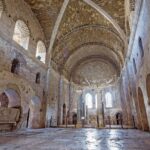
The Goreme Open Air Museum is the center of gravity for Cappadocia’s rock churches. With a licensed guide, you’re not just walking from doorway to doorway—you’re getting context for how these spaces worked and why they mattered to early Christians. The frescoes and monastery spaces land differently when someone explains the symbolism and the living conditions behind the art.
You’ll get time inside or near multiple rock-cut churches. Expect guided interpretation, not a lecture that runs on forever. This is one of the most praised parts of the experience, and it makes sense: you can’t really “self-navigate” your way into understanding the frescoes quickly.
A good tip if you’re planning photos: wear shoes you can walk in for uneven ground. The surfaces can be rocky and slightly slippery, and you’ll likely spend more time standing than you expect.
Devrent Valley and Avanos: scenery plus a real taste of local life
After Pasabag, the trip shifts into valleys and small-town rhythm. Devrent Valley is often called imaginative, and it earns that name through the rock shapes that look like animals and faces—especially when the light hits them just right. The drive past the Red River route also sets you up for the day’s “wow, wow, wow” cadence.
Then you hit Avanos, where the tour slows down enough for food and culture. You’ll enjoy a traditional lunch in a historic village setting. After lunch, there’s a pottery demonstration in Avanos, tied to the idea that pottery is ancient here—shaping clay with techniques that have long roots.
If you enjoy hands-on moments, this stop is worth it even if you usually skip demos. It gives you a mental reset between heavy history sites and gives you something tangible to remember.
You can also read our reviews of more tours and experiences in Istanbul
Uchisar Castle: one viewpoint that does a lot of work
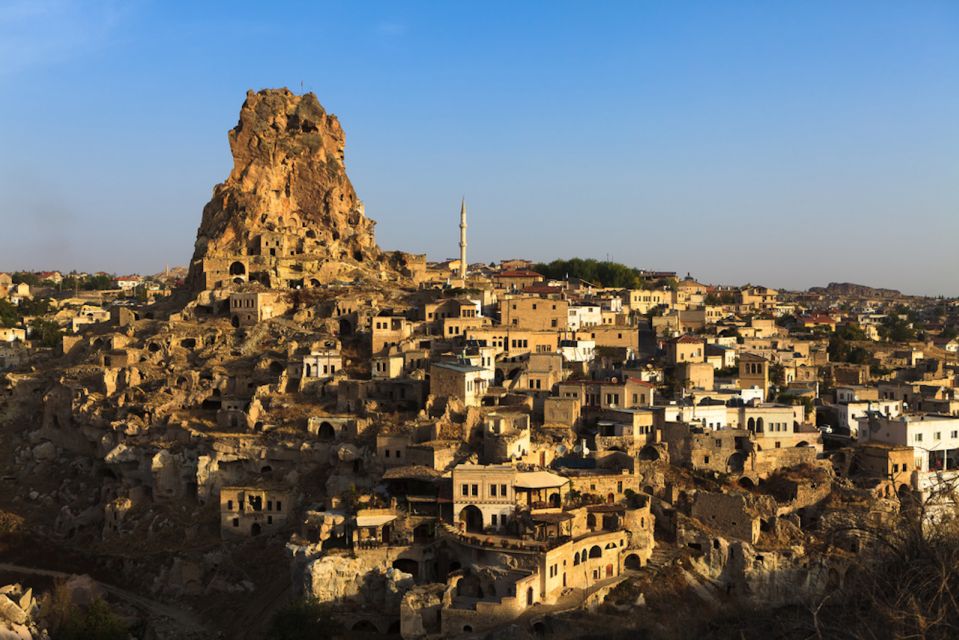
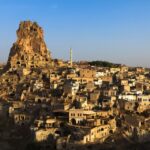
Uchisar is Cappadocia’s height advantage. You go up to the highest point in the region for sweeping views, then follow with a guided tour of the area. This is one of those stops that can feel like a lot of stairs—so plan your footwear and pacing accordingly.
The payoff is clarity. From up there, fairy chimneys and rock-cut homes start to look connected instead of scattered. It helps you understand how the valleys and settlements relate to each other.
Staying in a real cave hotel: Fresco and Solem make the story stick
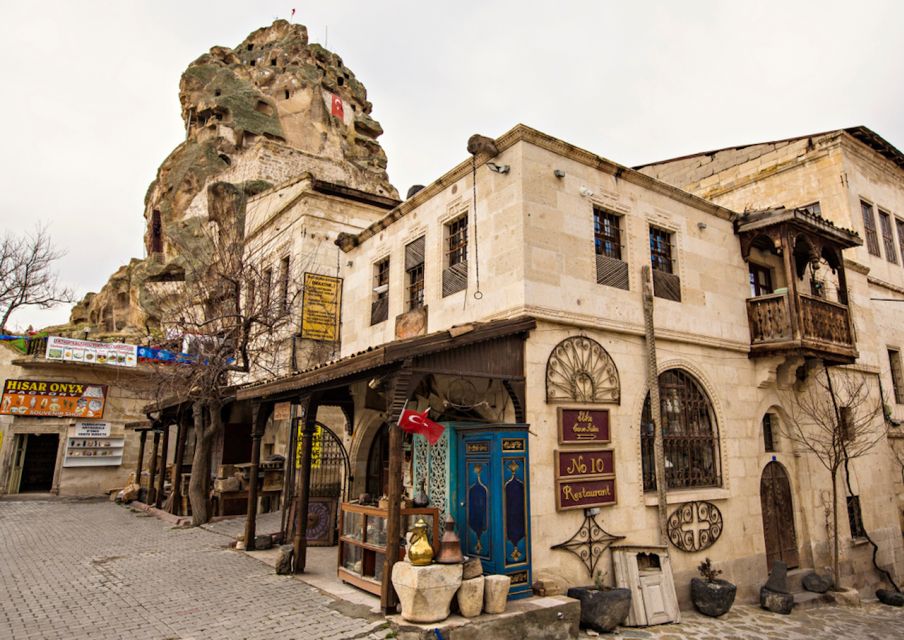
Overnight is where the trip becomes more than a day tour. You stay in a cave hotel in Cappadocia—Fresco Cave Suites & Mansions or Solem Cave Suites (room type depends on availability). Guests consistently praise these stays as clean, well designed, and genuinely charming, with breakfasts that feel like part of the experience, not a rushed add-on.
This matters because Cappadocia is a place where light changes everything. After a day of churches and valleys, going back to a cave room makes the terrain feel personal and not just “somewhere we visited.” If you’re the type who likes atmosphere, the hotel night is a big part of the trip’s value.
Day two: Cavusin, Goreme Panorama, and Red Valley’s color show
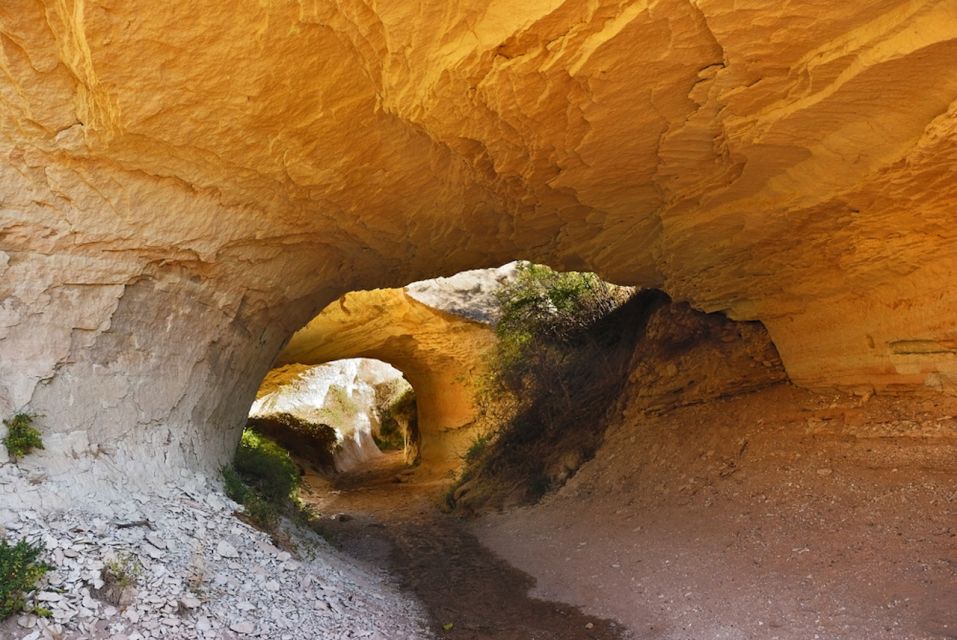
The second day moves into the less obvious corners and the viewpoint circuit. You’ll explore Cavusin and other rock church areas that feel off the main headline route. Then you stop at Goreme Panorama, which is all about taking in the fairy chimney view from above.
Red Valley is the active stretch. You’ll hike through rock formations and colored terrain, and this is where comfy shoes really matter. It’s not described as extreme, but you’ll be on your feet, and the ground can be uneven.
If you’re not a big hiker, you might need to slow down and pace yourself. Bring water, even if you’ll have lunch later. One guest even suggested cutting down on single-use plastic by bringing your own bottle, and it’s good practical sense.
Love Valley and Pigeon Valley: cute shapes with real walking time
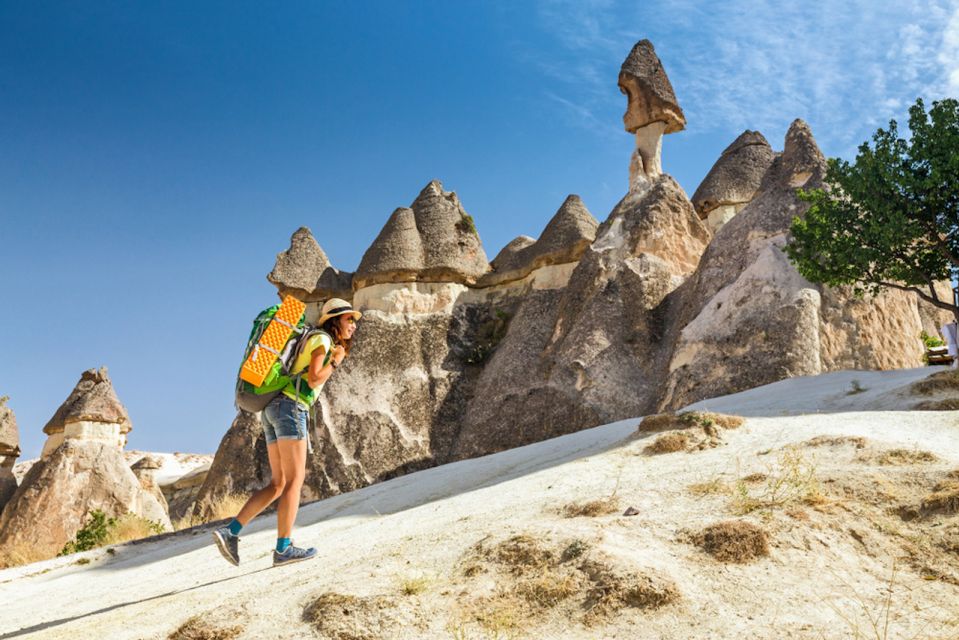
Next come Love Valley and Pigeon Valley, both known for distinctive rock formations. Love Valley’s heart-shaped fairy chimneys are the kind of photo stop that can either feel cheesy or genuinely fun, depending on your attitude. Pigeon Valley is more of a maze, with rock forms that make you wander longer than you planned.
With a guide, these stops don’t just become “look, rock.” You’ll usually get quick context for how these shapes formed and why certain areas became notable. The walking time is light-to-moderate, so it fits well after the active Red Valley segment.
Kaymakli Underground City: history that feels physical
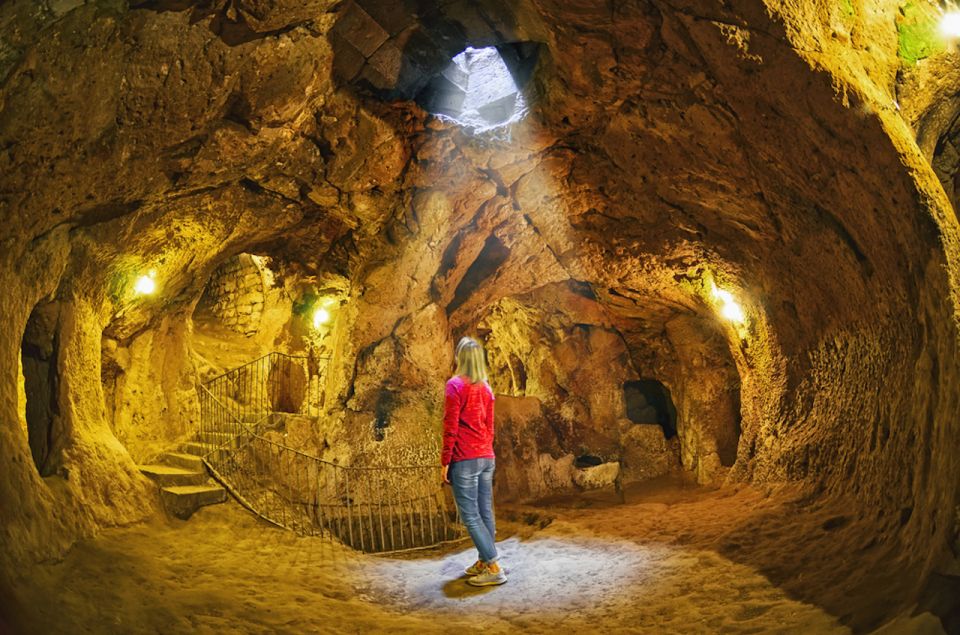
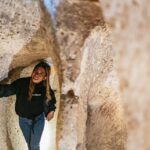
The underground city stop is the reality check. You’ll visit Kaymakli Underground City with a guided tour, learning how underground refuge spaces worked for early Christians. It’s one thing to read about survival and community planning. It’s another to stand underground and feel how carefully everything was designed.
This part is heavily praised for depth without turning into a dry history lesson. You get the story of the refuge network and how daily life could function in hidden spaces. If you like religious history, architecture, or just human problem-solving, this stop is a strong reason to do the full two days.
Turkish lunches and demonstrations: the food is part of the pacing
You get two lunches total, and they’re described as traditional and local. There’s also a pottery demo in Avanos and an onyx demonstration later, which keeps the day from being only rocks and caves. Even if you don’t buy anything, watching the craft helps you connect Cappadocia’s materials—stone, clay, and mineral work—to the people who still use them.
For drink support, soft drinks with lunch are included if you choose a private option. Dinner isn’t included, so you’ll still want to plan a place to eat on your own the night before and after the tour, depending on your hotel location.
Guides and communication: why this trip gets so many high marks
A big reason guests rate this so highly is the human side—guides who can explain what you’re seeing and answer questions without making it feel like a school assignment. Names show up again and again, including Barış Şahin, Omer, Ahmed, Serkan, and Mehmet. Drivers also get credit, with examples like Sitki and Anas, which matters because good driving plus punctual pickups can make or break a tight itinerary.
You’ll also benefit from strong communication. Some guests point out that ticket and transfer details arrive on time, and coordination is clear from hotel pickup through drop-off. If you’re traveling solo or just don’t want to juggle emails, this kind of coordination is a real value.
Balloon flight: the highlight that’s handled with safety-first realism
The hot air balloon ride is optional and not included in the main price. Balloon ticket prices vary by season and demand, and the provider contacts you after you book. Flights depend on optimum weather conditions, and the Civil Aviation Authority can cancel them.
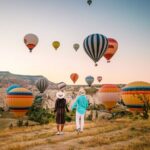
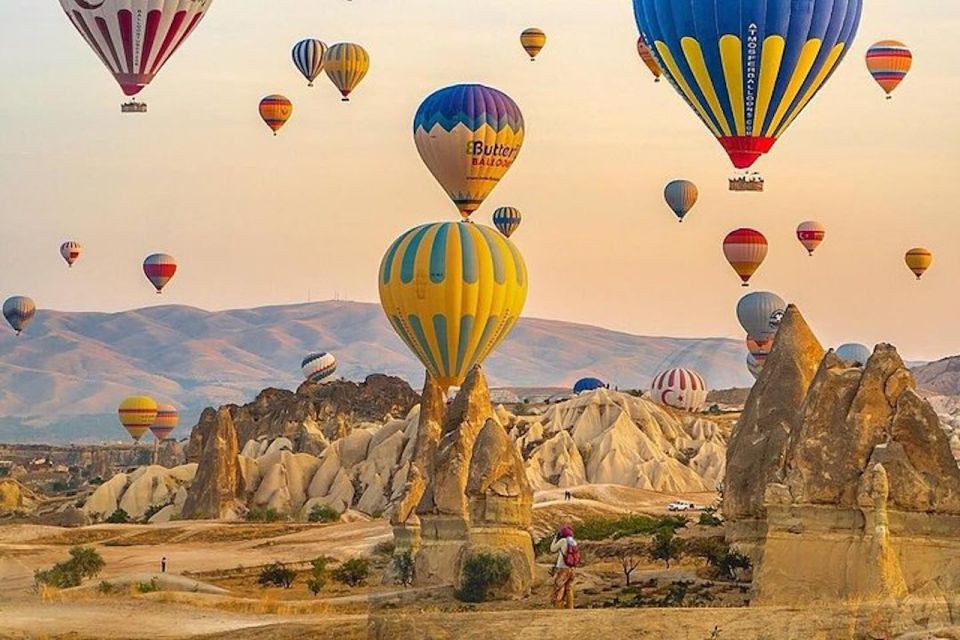
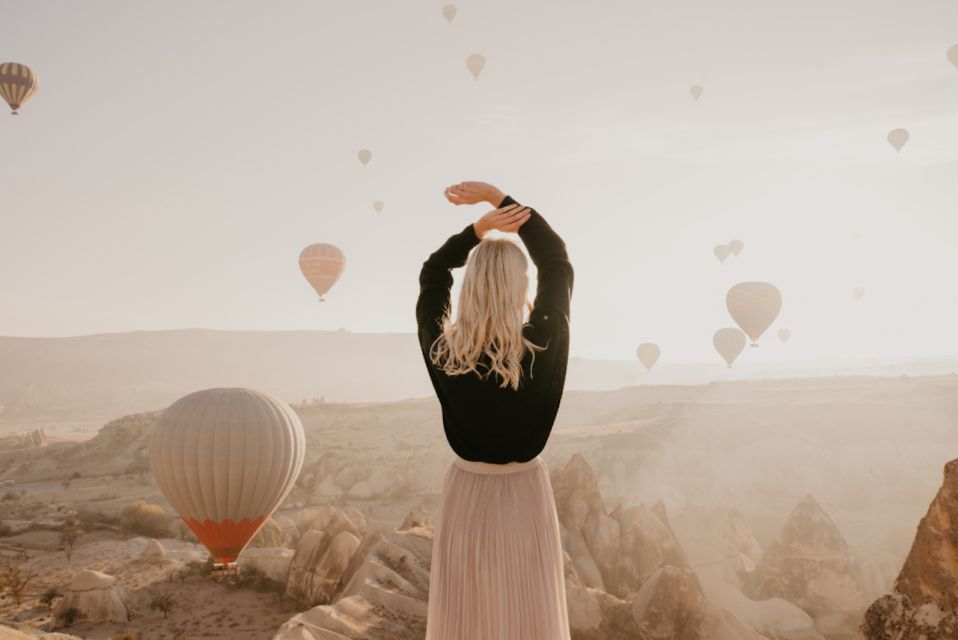
That’s why you should treat the balloon as a bonus, not the backbone. Still, when it works, it’s often described as a life memory: volcanic spires, honeycombed hills, and fairy chimneys from above. Guests also say the balloon cancellation process is handled with a safety-first approach, with full refunds when flights get canceled due to weather.
If you do add the balloon, get ready for early morning wake-ups. If you skip it, you still see the major sites and valleys, just without that aerial finale.
Price and value: what $709 buys you in the real world
At $709 per person, you’re paying for more than “a tour bus and a guide.” You’re also buying domestic flights from Istanbul, roundtrip airport transfers in both regions, guided visits with licensed professional interpretation, skip-the-line museum tickets, a cave hotel night, one breakfast, and two lunches. That’s a lot of moving pieces handled for you.
The best value angle is time saved. Trying to piece together flights, timing, museum entry, and a guided route yourself can turn into a stressful second job. This format lets you spend energy on Cappadocia instead of spreadsheets.
Where you might spend extra is obvious: the balloon is an add-on, and drinks and dinners aren’t included. If balloon flight is your top priority and you’re booking in peak season, plan for higher balloon costs.
Who should book this Cappadocia tour from Istanbul
This trip fits you if you want maximum Cappadocia highlights with minimal planning. It’s also a good match if you like religious history, geology-style storytelling, and craft culture like pottery and onyx work.
You should think twice if you dislike early starts. You’re also not looking at a good fit for wheelchair users or people with mobility impairments, since the tour isn’t designed for that.
If you’re traveling with kids, this can work too, as long as you’re comfortable with early pickup and lots of walking. One family-friendly comment suggests kids enjoyed the pace and story.
If you want total freedom with no fixed structure, you’ll probably prefer a self-guided plan. But if your goal is to see the big Cappadocia hits with a guide and sleep in a cave hotel, this is a strong package.
Should you book this tour?
Book it if you want a stress-reduced way to see Cappadocia’s best stops in two days, with flights and transfers handled and a real cave hotel night included. It’s especially worth it when you value guide-led interpretation at Goreme and underground Kaymakli, plus the practical ease of skip-the-line museum entry.
Skip it or modify your expectations if you’re strict about not doing early morning wake-ups. And remember the balloon is optional and weather-dependent—go in assuming it’s a bonus, not a guarantee.
If that trade works for you, this is one of the more complete two-day ways to hit Cappadocia without scrambling.
FAQ
Is the hot air balloon flight included?
No. The balloon flight is an optional extra activity, and ticket prices vary by season and demand.
What hotel do you stay in for the night?
You stay for one night in Cappadocia in a cave hotel, either Fresco Cave Suites & Mansions or Solem Cave Suites, depending on availability and the selected room type.
How many meals are included?
The trip includes one breakfast and two lunches. Drinks and dinners are not included.
Are museum tickets included?
Yes. Museum tickets are included with skip-the-line access.
Do you get help at the airport for flights?
There’s no airport assistant service. The driver drops you at the terminal entrance door in Istanbul and you go on to your flight gate after luggage drop-off.
What languages are the guided tours offered in?
The tour guide languages are Spanish and English.
Is this tour suitable for wheelchair users or mobility impairments?
No. It is not suitable for people with mobility impairments or wheelchair users.