REVIEW · COOKING CLASSES
Turkish Cooking Course – Home Cooking Class in Istanbul
Book on GetYourGuide →Operated by Lokal Bond · Bookable on GetYourGuide
Cooking in a neighbor’s kitchen beats any food tour. This Turkish Cooking Course in Istanbul starts with Turkish tea/coffee and ends with a shared homemade feast, and you also learn skills for dolma and börek. I love the tea-to-table flow and I love that it stays small enough for real hands-on help. One watch-out: the pre-class directions can feel unclear if you’re expecting perfect step-by-step messaging.
This is one of those experiences where the food actually leads the conversation. The home setting is part of the charm, including a friendly cat and dog that greet people along the way, so it helps to be comfortable around pets.
With a 3-hour pace, a max group size of 8, and English/Turkish support, you should feel like you’re cooking with someone, not just watching a demo. And yes, you eat what you make.
In This Review
- Key things to know before you go
- Turkish tea to homemade meal: how the experience actually runs
- The food you’ll make: dolma-style skills plus snacks and dessert
- Dolma: the stuffed-dish lesson with real building blocks
- Havuç Tarator: how meze gets its flavor punch
- Sigara Böreği: crispy pastry that rewards patience
- İrmik Tatlısı: the dessert that brings the whole meal together
- Eating the meal you make: lunch or dinner with a real table
- Small group size (up to 8) and the hands-on rhythm
- The home setting: pets, warmth, and why it feels different
- Istanbul directions: finding Abbasağa Mah. Çeşme Yokuşu Sk.
- Price and value: is $62 worth it?
- Who should book this cooking course?
- Should you book this Turkish Cooking Course in Istanbul?
- FAQ
- FAQ
- Where is the meeting point for the Istanbul cooking class?
- How do I get there from Sultanahmet, Hagia Sophia, the Grand Bazaar, or Eminönü?
- What dishes will we cook?
- Is it lunch or dinner?
- Are there pets in the home?
- Can they accommodate dietary restrictions?
- How long is the class, and how many people are in the group?
- Can I cancel for a refund?
Key things to know before you go
- Tea and coffee kick off the lesson so you start relaxed, not rushed.
- You’ll learn classic Turkish dishes, including stuffed options and crispy pastries, plus a semolina dessert.
- It’s small-group (up to 8), meaning you get real time at the counter and not just the tasting spoon.
- Pets live in the home with the host, which adds a homey feel if you’re okay with animals.
- Dietary preferences can be adjusted if you tell the host after booking.
Turkish tea to homemade meal: how the experience actually runs
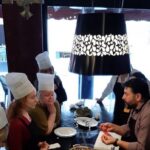
The class begins the Turkish way: with a warm cup of Turkish tea or coffee. It’s not just a drink break. It sets the tone for the whole afternoon, because you get a moment to chat, get oriented, and settle into a home rhythm before you start cooking.
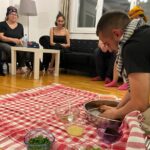
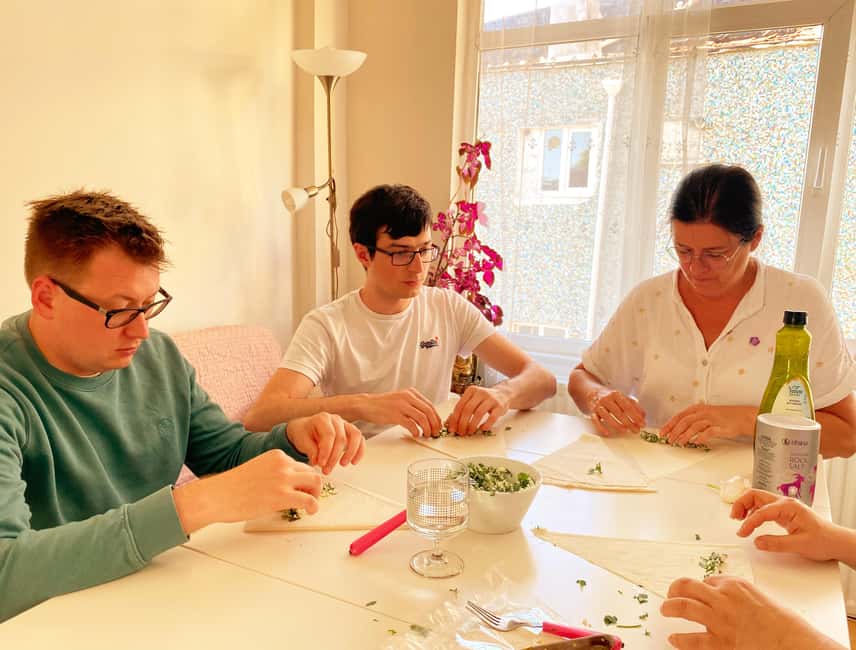
Then the focus shifts fast to hands-on work. You’re guided through each step, and the process is designed so you’re actively making food, not hovering nearby. That matters in Istanbul, where so many food experiences are either show-and-tell or rushed street sampling.
From there, the arc is simple and satisfying: cook together, share together, and end with a meal at the table. If you’re looking for Turkish hospitality you can feel in your hands and on your plate, this structure does the job.
You can also read our reviews of more cooking classes in Istanbul
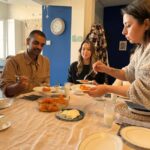
The food you’ll make: dolma-style skills plus snacks and dessert
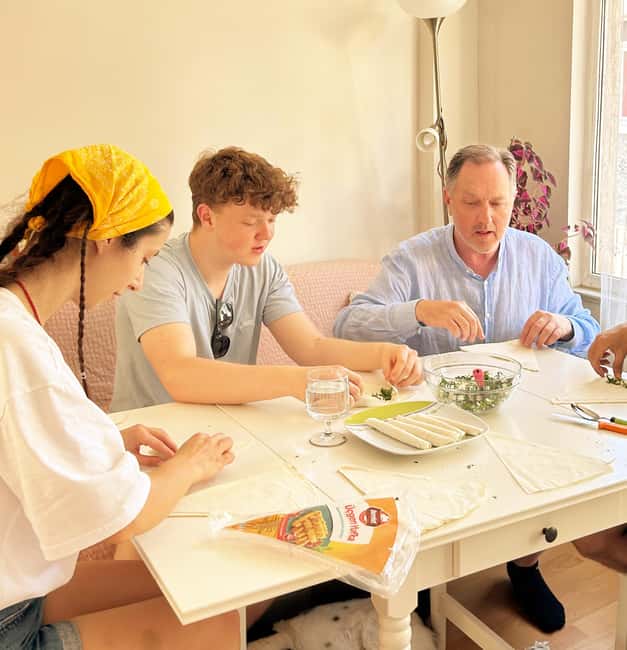
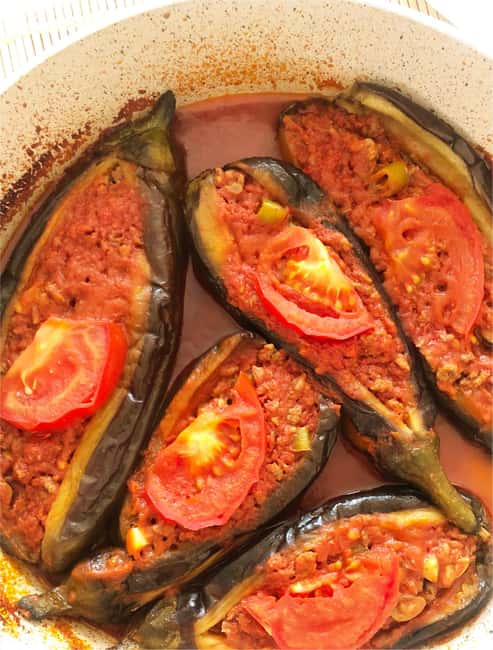
The menu centers on well-known Turkish favorites that are also great for learning technique. You’ll prepare a stuffed dish (listed as dolma—stuffed peppers with a meat, rice, spice, and vegetable filling), a creamy meze (havuç tarator—carrot-based with garlic), a crispy pastry (sigara böreği—feta and herb-filled), and a comforting dessert (irmik tatlısı—semolina pudding-style).
Here’s why that set of dishes works so well for a class: it teaches Turkish home cooking as a system, not a single recipe.
Dolma: the stuffed-dish lesson with real building blocks
Stuffed foods are all about ratios and timing. With dolma, you get practice combining filling ingredients, seasoning with spices, and handling the stuffing process without turning it into chaos. You also learn the basic idea that Turkish stuffed dishes aren’t just about the filling—they’re about balance, texture, and how the filling cooks inside.
Havuç Tarator: how meze gets its flavor punch
Tarator is the kind of dish that makes you instantly understand why Turkish mezze culture is a big deal. Since it’s a creamy, garlicky carrot-based meze meant for dipping, it’s a quick win: you can taste the seasoning changes immediately. If you like flavors that feel familiar but not bland, this one is a keeper.
Sigara Böreği: crispy pastry that rewards patience
Sigara böreği is one of those foods where technique matters. You’re dealing with dough handling and a filling that stays inside while the outside crisps up. This is the dish that tends to feel most impressive once you do it yourself, because the result looks like something you’d expect at a Turkish gathering.
You can also read our reviews of more tours and experiences in Istanbul
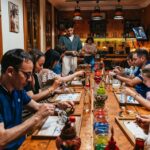


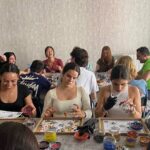

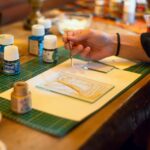
İrmik Tatlısı: the dessert that brings the whole meal together
Irmik tatlısı is lightly sweet and made from semolina, which gives it that comforting texture. It’s also a great way to end because it doesn’t feel heavy or complicated once you’ve finished savory dishes. You’ll likely understand why semolina shows up in so many Turkish sweets after making it yourself.
One note from past sessions: some classes include stuffed roll work like sarma, which is closely related in spirit to dolma (stuffing and careful wrapping). In at least one afternoon, a group ended up making about 200 sarmas—so if that’s on your menu, be ready for a steady, satisfying pace.
Eating the meal you make: lunch or dinner with a real table
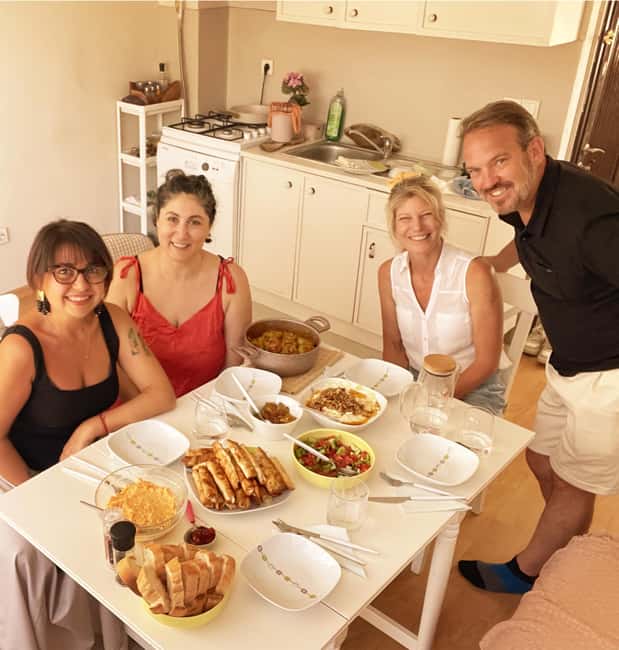
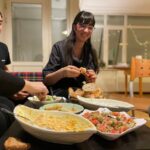
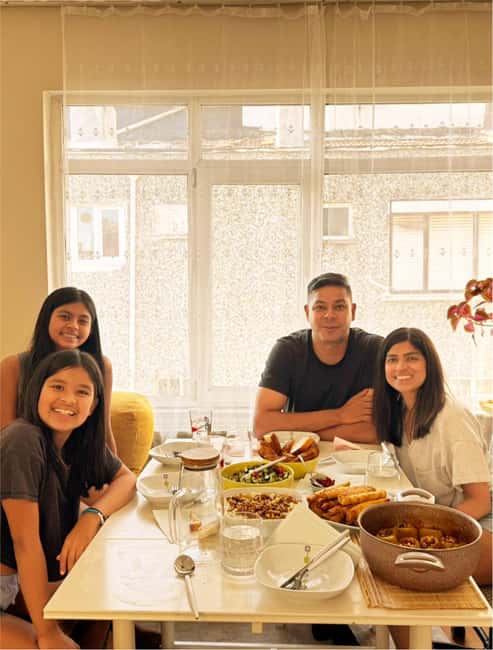
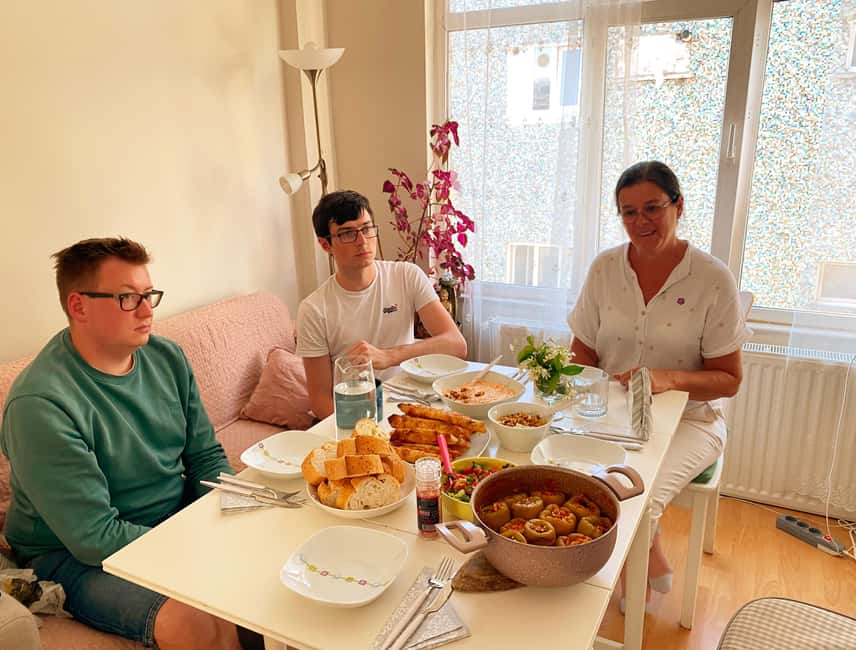
You’re not just tasting small bites. The experience includes dinner or lunch, depending on your booking time. If you book for 5pm, it’s held as a dinner. If you book for 12pm, it’s lunch. Either way, you’ll sit down together once everything is ready.
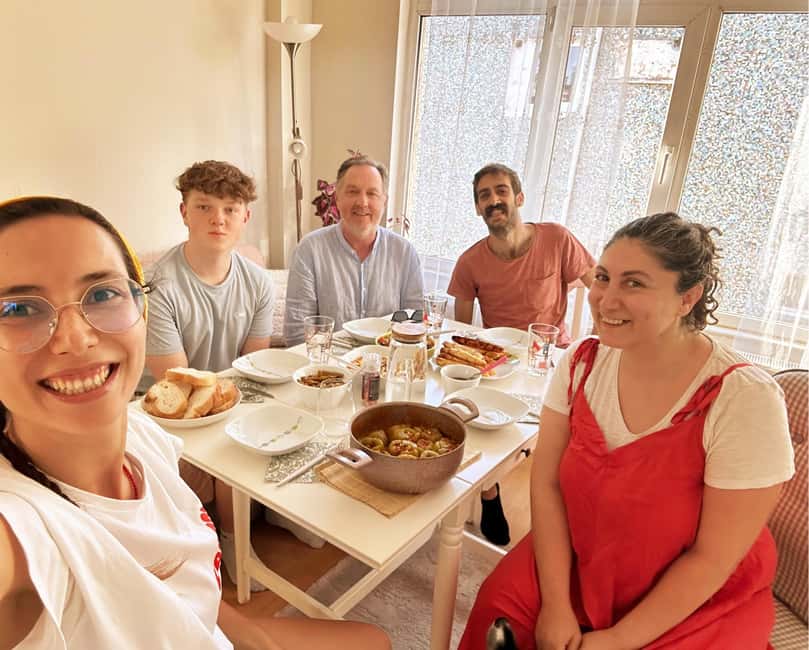
This matters because Turkish home cooking isn’t meant to be consumed standing up and scrolling. The meal format turns the class into an event. You’re eating in the same environment where you cooked, which makes the flavors feel connected, not random.
Also included is coffee and/or tea. So your finish feels complete, not like you stopped at the kitchen counter.
Small group size (up to 8) and the hands-on rhythm
With a limit of 8 participants, you should expect a more personal cooking setup. That’s the difference between learning a recipe and actually learning how to cook it.
In a class like this, you need space to roll, stuff, mix, and fry or assemble (depending on what’s being prepared). A small group makes that possible without turning the kitchen into a slow-motion bottleneck. It also helps you ask questions without feeling like you’re interrupting.
The host or greeter speaks English and Turkish. That’s useful in Istanbul, where even basic food terms can get tricky fast. You can expect guidance that matches your language comfort level, and the cooking steps are explained as you go.
The duration is 3 hours. That’s a sweet spot for both beginners and people who want something more structured than a casual food walk. You get enough time to produce multiple dishes and still sit down together.
The home setting: pets, warmth, and why it feels different
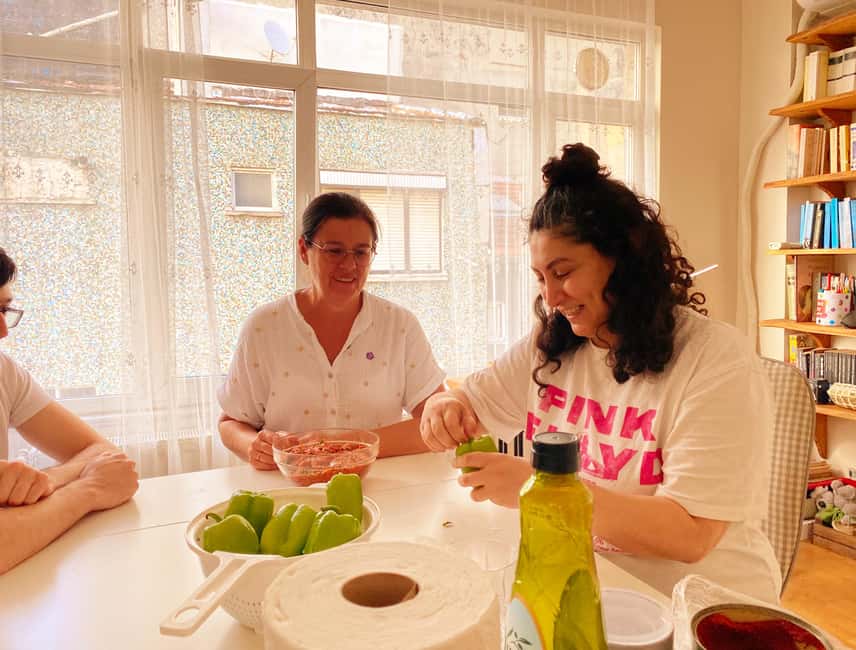
This is a cooking class in someone’s home, not a rental studio. The listing also says the home is shared with a friendly cat and dog who like meeting new people.
For many people, that makes the experience feel more real. You’re not performing for a camera crew. You’re visiting a household where the everyday is part of the atmosphere. One past group described it as more like old friends getting together, with the host and even the pets adding to the relaxed vibe.
For you, the practical takeaway is simple: if animals make you uncomfortable, it’s worth thinking it through ahead of time. If you’re fine around pets, it can add a lot of charm and warmth.
Istanbul directions: finding Abbasağa Mah. Çeşme Yokuşu Sk.
Meeting point details matter a lot for home-based experiences, and this one has specifics. You’ll meet at the host’s apartment at Abbasağa Mah. Çeşme Yokuşu Sk. Look for number 3, then apartment number 4. Once you’re at the address, you can call the host to open the door.
If you’re coming from the old town area (Sultanahmet, Hagia Sophia, the Grand Bazaar, or Eminönü), a practical route is to take the tram to Kabataş. From Kabataş, you can take a taxi or bus, or you can walk (about 30 minutes) uphill. Walking can be lovely if you like views and don’t mind the climb. If not, grab a cab or bus to save your legs for the rest of your day.
One caution: a small number of people have mentioned the message chain before the class felt confusing. My advice is to plan for that by saving the exact address details and confirming the location earlier than you think you need to.
Price and value: is $62 worth it?
At $62 per person for a 3-hour small-group class, the value comes from what’s included and what you’re actually doing.
You get:
- A full cooking experience guided step-by-step
- Lunch or dinner (based on booking time)
- Coffee and/or tea
- A small group format (max 8)
- English/Turkish support
The biggest value piece is that the meal is included and you eat what you make. In many paid classes, the “meal” is a token tasting. Here, you’re set up to sit down for a proper finish. That turns the cost into something closer to a food-and-experience package than a ticket for a half-hands-on activity.
Also, since the host can adjust the menu with dietary restrictions if you notify after booking, you’re more likely to get a satisfying outcome instead of a compromise plate.
Who should book this cooking course?
This works especially well if you want:
- Real Turkish home-style cooking over a restaurant-only experience
- A relaxed social format with conversation while you cook
- Hands-on practice with classic dishes like stuffed foods, meze, crispy pastries, and semolina dessert
It’s also a great choice if you’re staying in or near the old town but want something different from walking streets and buying snacks. A home class gives you the Istanbul angle that feels personal and local.
If you prefer very structured, silent classroom instruction, you might find the chatty home setting less to your taste. But if you like learning through doing and talking, this is exactly the right energy.
Should you book this Turkish Cooking Course in Istanbul?
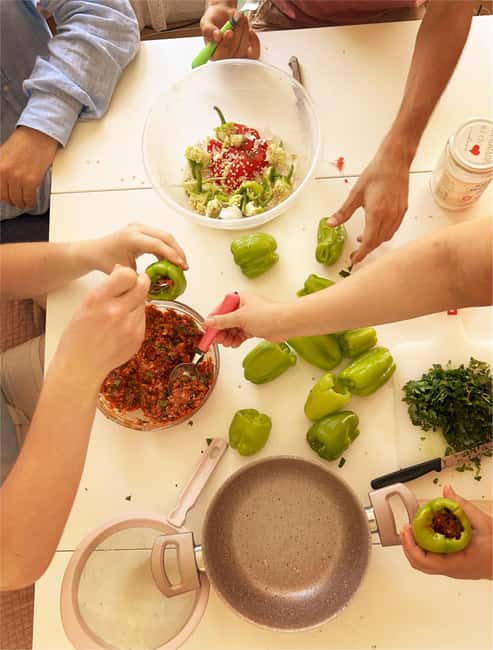
If you’re deciding yes or no, I’d book it if your goal is simple: learn Turkish cooking in a real home, cook multiple dishes, and share a meal at the table. The small-group size and the tea-to-meal flow are the kind of details that make this feel like a lived-in Istanbul moment.
I’d hesitate only if you strongly dislike pets in shared homes, or if you need crystal-clear communication for every step and hate any uncertainty around directions. In that case, message early, save the address, and give yourself a little extra time so you can walk in calm.
FAQ
FAQ
Where is the meeting point for the Istanbul cooking class?
You’ll meet at the host’s home in Abbasağa Mah. Çeşme Yokuşu Sk. Look for number 3, then go to apartment number 4. When you arrive, call the host and they will open the door.
How do I get there from Sultanahmet, Hagia Sophia, the Grand Bazaar, or Eminönü?
From the old town area, take the tram to Kabataş. From Kabataş, you can take a taxi or bus, or walk about 30 minutes uphill if you want a longer stroll with the climb.
What dishes will we cook?
The class includes Turkish dishes such as dolma (stuffed peppers), havuç tarator (creamy carrot meze with garlic), sigara böreği (crispy pastries with feta and herbs), and irmik tatlısı (semolina dessert).
Is it lunch or dinner?
It depends on your booking time. If booked for 5pm, it’s held as dinner. If booked for 12pm, it’s held as lunch.
Are there pets in the home?
Yes. The host’s home is shared with a friendly cat and dog that like meeting new people.
Can they accommodate dietary restrictions?
You can notify the host of allergies or dietary preferences after booking, and they will adjust the menu.
How long is the class, and how many people are in the group?
The experience lasts 3 hours. It’s a small group limited to 8 participants, and the host or greeter speaks English and Turkish.
Can I cancel for a refund?
Yes. The experience offers free cancellation up to 24 hours in advance for a full refund.