REVIEW · ISTANBUL
Tour of Byzantine and Constantinople in Istanbul
Book on Viator →Operated by Magic Way Travel · Bookable on Viator
Byzantine Istanbul feels close up on this route. This Byzantine-focused tour strings together the Golden Gate approach, big wall lines, and old Orthodox corners, with time to look and ask questions in English. I especially like how it puts you on the actual defensive edges of the city, not just in museum rooms. I also like the neighborhood walking, where the city’s layers show up in doorways, streets, and everyday life.
The best part for me is the mix: major stone history at the start, then gentler, human-scale exploring in Fener and Balat. One possible drawback is that the day is built around several short stops. If you want fewer stops with longer explanations at each one, you may feel a bit rushed—especially if your guide keeps things light.
That said, this is set up to be flexible. With hotel pickup and a private group format, it can work well if you like structure but still want a little room to steer the pace.
In This Review
- Key highlights worth your attention
- Price and logistics: when $230 feels fair
- Starting at Yedikule Fortress and the Golden Gate approach
- Istanbul’s walls: short stop, big wall-watching payoff
- Vlaherna Meryem Ana Church: holy water and a relic story
- Tekfur Sarayi: seeing the Byzantine palace in plain sight
- Fener and Balat: walking neighborhoods with real heritage
- Guides and pace: what you’ll want to know before you go
- What to see most: matching this tour to your interests
- How to get the most out of your photos (and your feet)
- Should you book this Byzantine and Constantinople tour?
- FAQ
- How long is the tour?
- What time does the tour start, and is pickup included?
- Is this tour private?
- What language is the tour offered in?
- Are admission tickets included?
- Does the tour include a mobile ticket?
- Can I get a full refund if I cancel?
Key highlights worth your attention
- Yedikule Fortress and the Golden Gate angle: see the European entry idea and the wall system right where it meets the sea.
- Theodosian walls in the open air: you get the wall logic fast, then move on before your legs revolt.
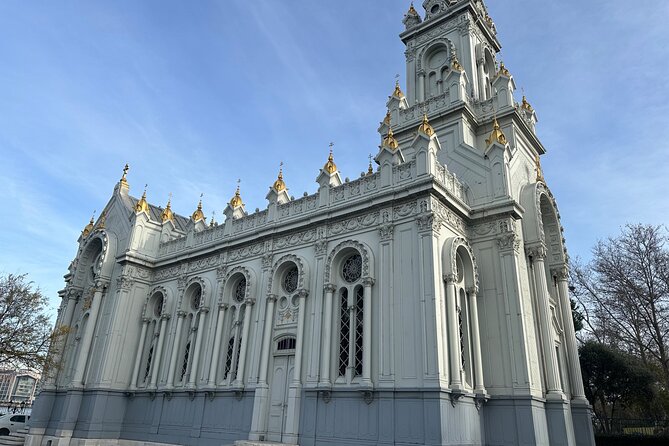
- Vlaherna Meryem Ana Church relic traditions: a focused stop tied to stories about the Virgin Mary and sacred water.
- Tekfur Sarayi (Tekfur Palace): a Byzantine palace you can read visually, now functioning as a museum.
- Fener and Balat neighborhoods: Greek, Bulgarian, Armenian, and Orthodox heritage show up in the street fabric.
- Private tour with hotel pickup: easier timing, fewer hassles, and more control over the day’s feel.
Price and logistics: when $230 feels fair
At $230 per person for about 6 hours, this isn’t an ultra-budget walk. But the value works if you’ll make use of the parts that matter: private-group time, English guidance, and pickup from your hotel or address. If you’re traveling with a friend or small group, the math usually gets friendlier because private tours reduce the “shared misery” factor like waiting on other people.
Also, you get a mobile ticket, which is one less thing to juggle. The start time is 10:00 am, so you’re not starting in the dark, and you have the morning energy to handle stone steps and uneven pavements.
Two practical realities for you: first, this is Istanbul, so bring water and expect some standing around during security checks at religious sites and entrances. Second, the day is structured as several stops with defined time windows, so it’s a good fit for people who like a guided route instead of a self-directed wander.
You can also read our reviews of more tours and experiences in Istanbul.



Starting at Yedikule Fortress and the Golden Gate approach
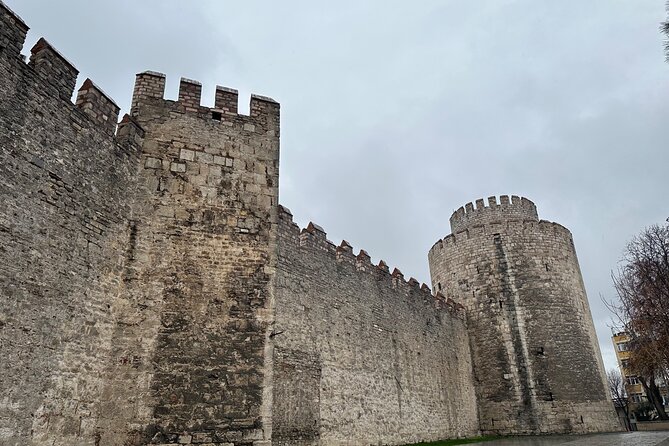
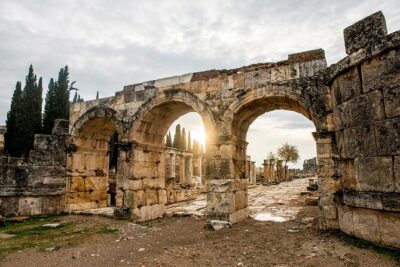
The day kicks off at Yedikule Fortress, a key Byzantine-era stronghold on the west side of the city, connected in spirit to the Golden Gate—the famous entry point toward Europe. The payoff here is scale. Even if you’re not a stone-and-sandals history fanatic, you can read the defensive mindset: walls, towers, and the idea of controlled entry.
You’ll also get wall-watching that goes beyond a quick look. The stop is built around exploring the fortress walls, including the sense of sea-side defense and the layered security walls connected to the city’s long defensive story. You’re given about 1 hour, which is a decent window for taking photos, walking the perimeter areas you can access, and getting the big-picture explanation.
One tip for your comfort: this kind of fortress visit rewards slow looking. If you race through it, you miss the logic of how the fortress relates to the gate and the rest of the city wall line. If you enjoy figuring out geography on foot—why a wall turns where it does—this first stop does the job.
Istanbul’s walls: short stop, big wall-watching payoff
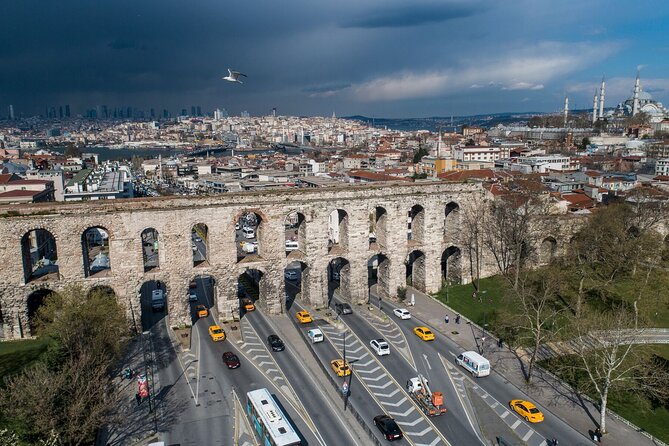
Next comes a quick look at the Walls of Istanbul, again tied to the Byzantine wall system (the tour notes a build date of 390). This part is brief—around 10 minutes—and that timing is both good and slightly risky.
Good, because it keeps you moving. You get the idea of seawalls and landwalls without turning your entire morning into an endurance event. Slightly risky, because if you’re the type who wants to linger, you may wish it were longer. The tour’s design seems to assume you’ll soak up the main wall story at Yedikule, then get a rapid reinforcement shot here.
What I’d do if you’re tempted to skip this segment: don’t. Even short wall breaks give you a visual continuity—like your guide is handing you a diagram you can stand in front of.
Vlaherna Meryem Ana Church: holy water and a relic story
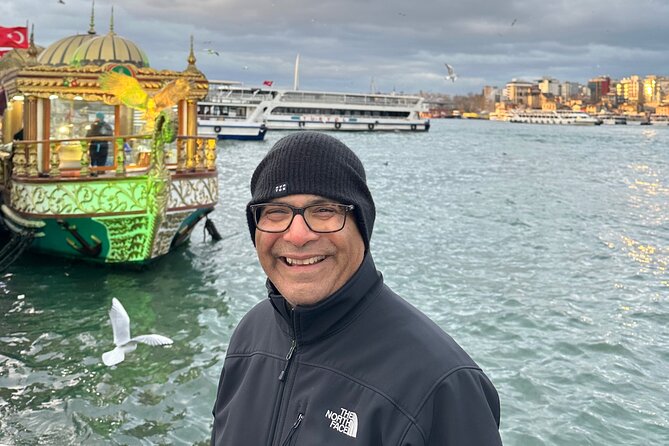
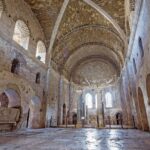
The visit to Vlaherna Meryem Ana Church is one of the most meaningful moments on the schedule. It’s described as one of the oldest and holy churches in Istanbul, with a build date of 457. The tour ties it to traditions connected to the holy mantle and robe of the Virgin Mary, plus the church’s sacred bath and holy water.
This stop lasts about 30 minutes, and that matters. Thirty minutes is short enough to feel doable, but long enough to slow down if you want to see how people behave inside a sacred space, ask questions, and observe the atmosphere without rushing.
A respectful note for you: religious sites come with rules—sometimes about clothing, sometimes about where you can stand, and sometimes about what visitors can do during religious moments. One review raised discomfort about how security guards handled a Christian priest’s situation, including limits on dressing or praying. That doesn’t mean you’ll face the same issue, but it’s smart to plan for stricter-than-usual church security and visitor rules.
If you want a smooth visit, dress modestly and keep your expectations flexible. Think: this is a sacred place first, a sightseeing stop second.
Tekfur Sarayi: seeing the Byzantine palace in plain sight
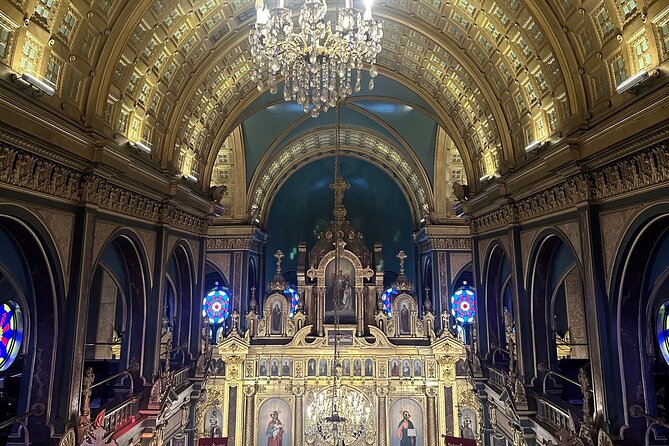
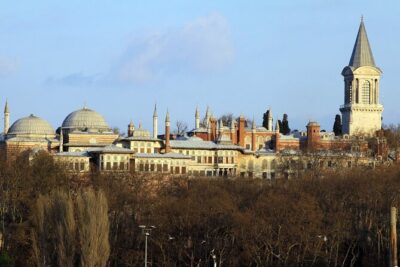
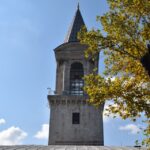
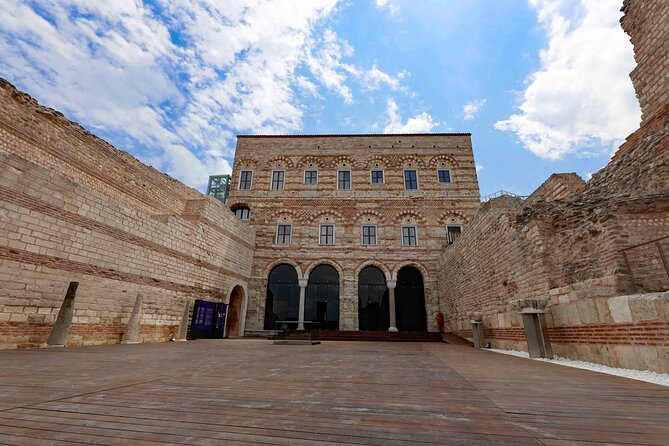
Tekfur Sarayi—also known by its Ottoman name, Tekfur Palace—is another highlight. The tour places it on the Golden Horn and notes it was built in 490, used as a main palace for several years, and later transformed into what you can visit today as a museum.
This is a 1-hour stop, which is a good chunk. Palaces can be trickier than churches because you’re trying to “see” rooms and courts that once existed. With guidance, you can start connecting the dots: where daily life happened, how power looked in architecture, and how the palace fits into the city’s larger story.
What makes this stop worth your time is the way it bridges eras. Byzantine origins, Ottoman naming, and museum today. You’re not just looking at a building; you’re watching history change its job title.
If you like architecture that feels tangible—less theory, more brick-and-stone—this is where you’ll feel it.


Fener and Balat: walking neighborhoods with real heritage
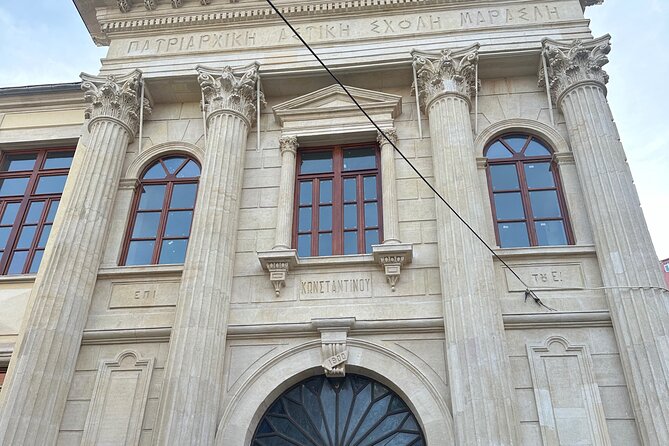
After the fortress and palace stops, you shift gears to street-level Istanbul. Fener comes first, and it’s framed as one of the city’s oldest authentic spots, with old Greek, Bulgarian, and Armenian houses and streets. The time here is about 1 hour, and the goal feels less like checking boxes and more like building a sense of place.
This is the part of the day where your guide’s storytelling matters. Strong guides can connect what you see—a church façade, a doorway style, an uneven little lane—to the larger history of Constantinople and the city’s communities. Less strong explanations can make it feel like a scenic walk with a few facts thrown in.
Then you move on to Balat, described as the Orthodox neighborhood of Constantinople with many monuments, churches, houses, and shops. You get another 1 hour here. This is the day’s “slow down and look” segment, and it’s often where you’ll feel Istanbul as a living city instead of an open-air textbook.
Practical note: neighborhoods mean uneven sidewalks and more time standing near storefronts or church entrances while your group regroups. Wear shoes that don’t punish you after an hour. If you’re prone to shin pain or have knee issues, take it slow on the turns.
Guides and pace: what you’ll want to know before you go
This tour seems to attract strong personalities. Reviews specifically mention guides named Emre/Erme, Yunus, and Yesil, with praise for being personable, flexible, and able to answer questions. If you get a guide like that, you’ll likely feel like you have a conversation, not a lecture.
Still, one review concern was that the guide didn’t explain as much as the group wanted, and some stops felt less essential. That’s the main thing to watch for with a multi-stop format: explanation depth can vary, and time can be spent on transitions as much as landmarks.
Here’s how you can make the tour work for you:
- Ask early for what you should notice. One question like what relation the walls have to the Golden Gate can change how you view the rest.
- If you’re more into walls and palaces than churches and neighborhoods, say it at the start. A flexible guide can often adjust where you spend your attention.
- If you’re into religious traditions, ask what’s appropriate to observe and what’s off-limits inside churches.
What to see most: matching this tour to your interests
I think this tour fits best if you like one or more of these:
- Byzantine defensive architecture and the geography of the city walls.
- A route that blends top monuments with neighborhood texture.
- History with names and dates that actually help you orient—Golden Gate, Theodosian walls, Vlaherna, Tekfur Sarayi.
- A tour format that’s private and pickup-based, so you start with less stress.
It may be less ideal if:
- You want fewer stops with longer time at each one.
- You expect heavy, continuous storytelling at every location.
- You’re sensitive to church security rules and religious-site procedures (because you’ll be inside active or sacred spaces).
For many people, though, the design hits a sweet spot: wall power in the morning, then human-scale streets and churches to round it out.
How to get the most out of your photos (and your feet)
Because this is wall-and-palace heavy, your photos benefit from planning. Start with Yedikule Fortress: take a few wide shots first so you’ll remember the overall layout. Then shift to smaller details like wall textures and angles rather than trying to photograph everything at once.
At Tekfur Sarayi, you’ll likely want both exterior shots and anything you’re allowed to photograph inside museum areas. If you rush here, you’ll miss the building’s relationship to the Golden Horn setting the tour hints at.
In Fener and Balat, don’t only shoot churches. Get street corners, doorways, and small shops. Those are the frames that make the neighborhood feel like a place, not a set.
And please, for real: wear shoes you can wear for long walks on uneven stone. Istanbul can be charming and annoying in the same sidewalk.
Should you book this Byzantine and Constantinople tour?
If you want a guided day focused on Byzantine-era power lines and you’re also curious about how those stories live on in Fener and Balat, I think this is a strong pick. The $230 price makes more sense when you’ll use the private-group format, pickup, and a guide who can explain what you’re seeing rather than just pointing.
I’d especially consider booking if:
- You like quieter-feeling sites compared with the biggest headline attractions.
- You want a structured route that still gives you time to look closely.
- You’ll enjoy neighborhood history, not just famous monuments.
I’d pass or choose a different format if you hate multi-stop schedules or you know you prefer one or two sites with longer, deeper explanations. In that case, a single-site tour might fit you better.
FAQ
How long is the tour?
It runs for about 6 hours.
What time does the tour start, and is pickup included?
The tour starts at 10:00 am, and pickup is offered from your hotel or address.
Is this tour private?
Yes, it is a private tour/activity, and only your group participates.
What language is the tour offered in?
It is offered in English.
Are admission tickets included?
Admission tickets are included for Yedikule Fortress and Tekfur Sarayi. The other listed stops have free admission.
Does the tour include a mobile ticket?
Yes, the tour includes a mobile ticket.
Can I get a full refund if I cancel?
Free cancellation is available. You can cancel up to 24 hours in advance for a full refund. If you cancel less than 24 hours before the start time, the amount paid is not refunded.