REVIEW · ISTANBUL
The Other Face of Istanbul- Istanbul off the Beaten
Book on Viator →Operated by My Local Guide lstanbul · Bookable on Viator
Istanbul has another face, if you walk off-grid. This tour is built for that exact feeling: a small group (max 10) that heads into residential streets instead of orbiting the same big sights. I especially like that the route uses public transit with tram fares included, so the day feels practical and local. One thing to consider: it’s still a walking-and-transit plan, so you’ll want a moderate fitness level and patience for trams and weather.
What makes it interesting is how the stops connect everyday Istanbul life with older landmarks. You’ll see lesser-visited mosques in working neighborhoods, pass by the old water infrastructure around the city, and then slow down for a classic winter-ish drink: boza. You’ll also get a glass of a traditional non-alcoholic beverage as part of the experience.
In terms of value, the price is $78.27 per person for about 3 hours 30 minutes, with bottled water and multiple drinks included. Lunch is not included, but you’ll have a local option (often buryan) to pay for yourself, so budget about $10–15 per person for that meal.
In This Review
- Key highlights worth planning for
- How this tour really differs from the usual Istanbul route
- Getting oriented: the German Fountain start and a morning that works
- Tram rides and local rhythm: traveling like an Istanbulite
- Sehzade Mehmet Mosque: a quieter mosque visit where you can actually look
- Valens Aqueduct (Bozdogan Kemeri) and Zeyrek’s 1118 AD complex
- Kadinlar Pazari: the women’s market and everyday food sourcing
- Vefa Bozacisi: included boza in a place tied to tradition
- Lunch at a non-touristy spot: buryan on your own tab
- Price and value: what you’re getting for $78.27
- Who should book this, and who should skip it
- Guide quality and the feel of the day
- Should you book this off-the-beaten-path Istanbul tour?
- FAQ
- How long is the tour?
- What’s included in the price?
- Is lunch included?
- How large is the group?
- What language is the tour offered in?
- What if the weather is bad or I need to cancel?
Key highlights worth planning for
- Max 10 people for a quieter, easier pace around neighborhoods and smaller sites
- Tram fares included so you move like an Istanbulite, not like a sightseeing bus
- Quiet mosque stops that are far less crowded than the headline attractions
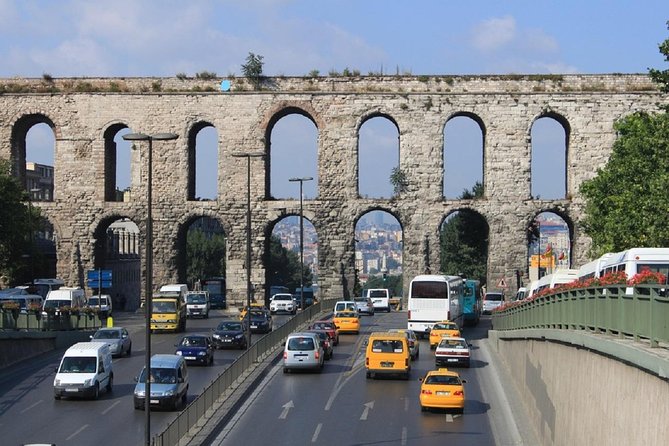
- Valens Aqueduct (Bozdogan Kemeri) and other older structures you can actually walk past
- Vefa Bozacisi for the included boza taste in a place tied to the drink’s tradition
How this tour really differs from the usual Istanbul route
This is the kind of Istanbul day that doesn’t feel like you’re checking boxes. You’re out of the main tourist grid, in areas where people are going to school, shopping, and eating lunch. That matters because Istanbul’s history isn’t only in museums—it’s in the way neighborhoods function.
The group size helps a lot. When you’re with up to 10 people, you’re not competing for space at doorways or turning into a traffic jam near a doorway. It also makes conversation easier, which is a real advantage for getting context at mosques and historic structures without feeling rushed.
You’ll also get a very “doable” pace for a 3.5-hour morning tour. The structure is straightforward: you start, hop on the tram, walk, and snack on included tastes—then you return to the same meeting point. If you like your tours to feel human-scale, this setup fits.
One more detail I like: you’re not just shown places—you’re shown how people eat and drink there too. Boza is a perfect example. It’s included, and it’s not a gimmick. It’s part of daily culture, especially in colder months.
You can also read our reviews of more tours and experiences in Istanbul.

Getting oriented: the German Fountain start and a morning that works
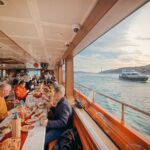
The tour begins at the German Fountain (German Fountain Binbirdirek), in the Fatih area near At Meydanı Cd. Start time is 10:00 am, and it ends back at the same meeting point.
Why that matters for you: a morning start keeps the neighborhoods calmer and makes it easier to enjoy the mosques and markets without feeling dragged through a packed afternoon. Also, because the tour returns to the start, you don’t end up stuck figuring out how to get across town afterward.
You’ll be near public transportation, and the day uses trams with tickets included. That’s a big part of the value: you don’t have to keep stopping to purchase transit, and you don’t lose time figuring out routes.
Tram rides and local rhythm: traveling like an Istanbulite
The included tram rides are more than a perk. They’re the glue that makes this tour feel like a real neighborhood day. You get to see how Istanbul moves—where people ride, how they shop, and how normal life runs alongside famous landmarks.
I like that the tour doesn’t treat transit as a chore. It’s part of the experience, and it helps you connect the dots between sites. For example, after a quiet mosque stop, the tram ride is a natural reset. You’re not “transported” to a staged set—you’re moved through the city the way locals actually do.
Because you’ll be using public transit, plan to dress for weather and bring what you need to stay comfortable. One of the strongest things from the experience feedback is that the day keeps going even when weather is less cooperative, as long as you’re prepared.
Sehzade Mehmet Mosque: a quieter mosque visit where you can actually look
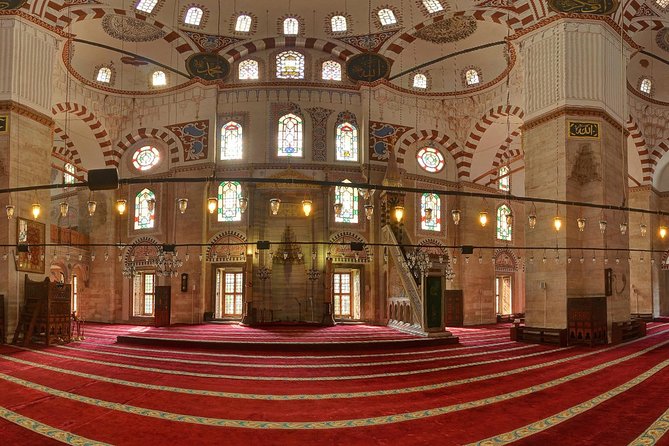
The first stop is the Sehzade Mehmet Mosque. This is where the tour’s off-the-beaten-path promise becomes real. Instead of only hitting the most famous religious sites, you start in a neighborhood context where the atmosphere feels more lived-in.
What you’ll get here is a mosque visit without the usual chaos. That makes it easier to notice details, ask questions, and understand the setting. Mosques are not just architecture—they’re part of daily community life, and a less-crowded location helps the explanation land.
Practical tip: if you’re used to fast photo stops, slow down here. This is the kind of site where the setting matters, and spending a little extra time helps you appreciate what you’re seeing.
Valens Aqueduct (Bozdogan Kemeri) and Zeyrek’s 1118 AD complex
Next comes the Valens Aqueduct, also called Bozdogan Kemeri. You’ll walk by the aqueduct line, and the day frames it as a long-running piece of the city’s water system—built for supplying water to Istanbul, and discussed as an older structure dating back to early centuries. It’s one of those moments where history becomes visible in the simplest way: you see the structure, you follow it with your eyes, and you get the idea of how the city managed water before modern infrastructure.
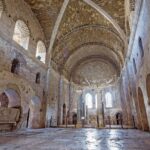
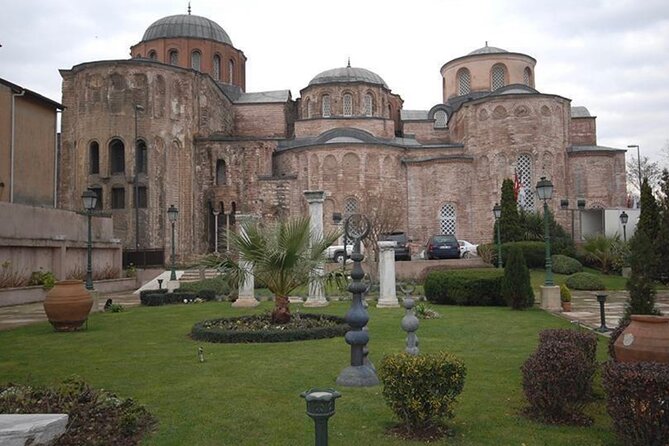
From there, the route continues to the Zeyrek Mosque complex, known as the former Pantrokator church complex built in 1118 AD. This stop gives you the layering effect that Istanbul is famous for—religious buildings across different eras, in a single neighborhood landscape.
Here’s why this pair of stops works: aqueducts explain how a city survives and grows, while 1118 AD religious architecture explains how a city expresses identity. Together, they make the past feel practical, not just decorative.

Kadinlar Pazari: the women’s market and everyday food sourcing
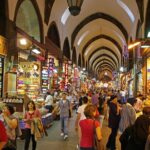
After the historic structures, you move into Kadinlar Pazari (Women’s Market). This is not the kind of market you treat like a shopping mall. It’s a neighborhood market stop, which means you’re more likely to notice ingredients, daily trade patterns, and the kind of foods that show up in local kitchens.
One of the best parts of this segment is the focus on where food comes from. The tour route highlights products associated with Eastern Turkey—so you get a sense of Istanbul’s food supply lines, not only the final shopping display.
If you like food culture, this is a great moment to pause and watch. You’ll often see how people talk with shop owners, how they decide what to buy, and what’s considered normal for the day. It’s also a nice breather before you hit the boza stop.
Vefa Bozacisi: included boza in a place tied to tradition
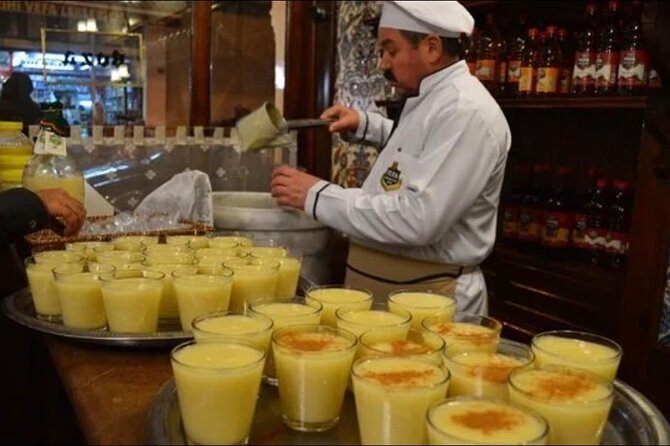
The final cultural “taste” stop is Vefa Bozacisi, where you try boza. Boza is a fermented drink made from corn yeast, and it’s served as a classic for Istanbul’s locals.
The tour highlights two ideas that make boza feel more meaningful than just a drink:
- It’s included, so you don’t have to hunt for it after the tour.
- It’s framed as a tradition served for a long time in the same kind of place, which helps you understand why people treat it as comfort, not novelty.
If you’ve never had boza, expect a thicker, lightly tangy flavor. You don’t need to love it to enjoy the stop—what you’re really tasting is a slice of winter-to-spring neighborhood culture.
Lunch at a non-touristy spot: buryan on your own tab
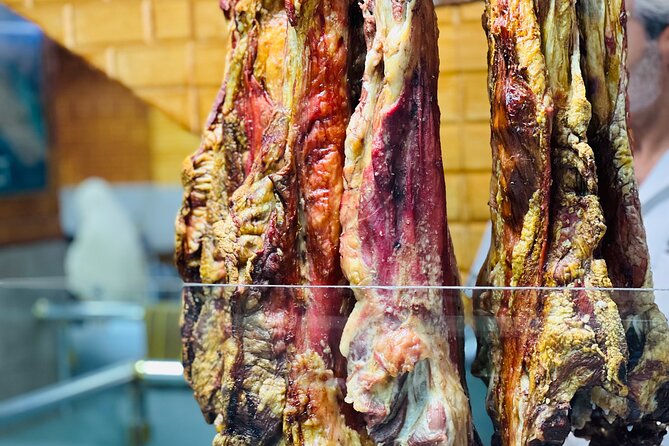
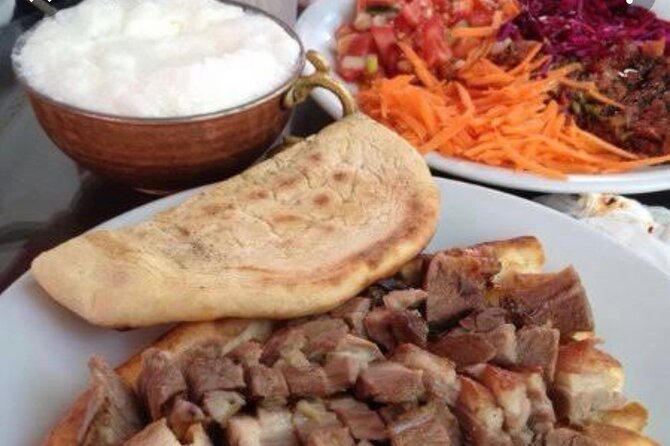
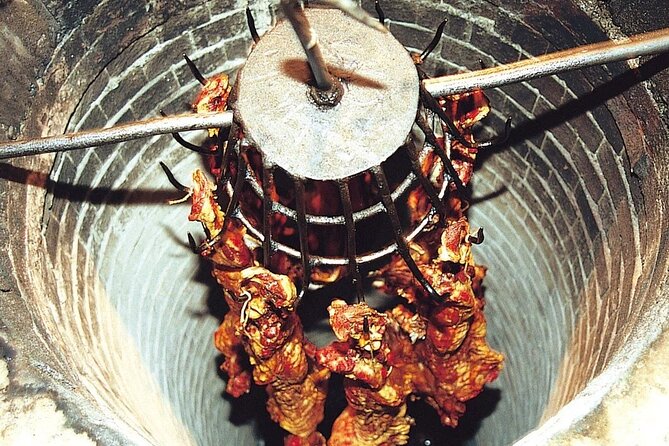
Lunch is where you shift from included tastes to local choice. The tour takes you to a non-touristy restaurant where buryan is available. Buryan is the dish, and you’ll pay for your own meal, typically around $10–15 per person.
This setup is smart for value. Your tour price covers the guided portion and the included drinks and tram tickets. Lunch then stays flexible: you can eat what you came for, without forcing a fixed meal that might not fit your style or dietary needs.
Tip: because lunch is not included, you should consider budgeting a little extra when planning your day. Also, go in ready to sit and eat like a local—less rush, more conversation.
Price and value: what you’re getting for $78.27
At $78.27 per person for about 3 hours 30 minutes, this tour looks like a fair trade if you care about three things: neighborhoods, transit-based touring, and included food/drink.
You’re getting:
- Small group size (max 10)
- Tram tickets included
- Bottled water plus tea, Turkish coffee, and soft drinks
- Boza included
- A traditional non-alcoholic beverage
And you’re not getting:
- Lunch (but a local restaurant option is arranged, with buryan as a featured dish)
Where the value really shows is in the transit and the included tasting. If you were planning your own route across districts, paying for transit and tracking down boza on your own would take extra time and planning. Here, the day is stitched together so you don’t lose momentum.
Who should book this, and who should skip it
This tour is a great fit if you want Istanbul beyond the big-name stops. You’ll enjoy it most if you like:
- quiet mosque visits in residential areas
- seeing older structures you can walk past
- markets that feel like where people actually shop
- public transit days that don’t feel like an extra chore
It might not be the best choice if you want:
- a super structured, zero-walking itinerary
- a fully fixed, included lunch plan
- a tour that feels like a highlights slideshow only
The day also calls for moderate physical fitness. That means comfortable shoes are not optional. You’ll be moving at a local pace and you’ll want your feet to cooperate.
Guide quality and the feel of the day
The experience is strongly shaped by the guide, and the names that come up again and again include Salih Batkin, Burak, and Denker. The common thread is calm, friendly delivery and a focus on context—so history and culture don’t turn into a list of dates.
You’ll likely notice that the route is designed to reduce crowds. That shows up in the way mosques and neighborhoods are described as quieter and more personal. And in rough weather, the day doesn’t fall apart; it keeps you warm and engaged, which is exactly what you hope for when you’re out in winter or shoulder season.
Should you book this off-the-beaten-path Istanbul tour?
If your ideal Istanbul day includes neighborhoods, quieter mosques, real market life, and an included taste of boza, then yes—this is worth booking. The combination of small group size, tram travel with tickets included, and multiple drink stops adds up to solid value for $78.27, especially if you don’t want to plan transit and snacks on your own.
Book soon if your dates are fixed. It’s commonly reserved around 9 days in advance on average, so waiting can shrink your choices.
If you only care about the top headline attractions and you hate any walking at all, you might feel better with a more centralized itinerary. But if you want Istanbul’s “other face,” this tour is built for that.
FAQ
How long is the tour?
It runs about 3 hours 30 minutes.
What’s included in the price?
The tour includes all fees and taxes, bottled water, tea, Turkish coffee, soft drinks, tram tickets, and boza.
Is lunch included?
No. Lunch is at a local restaurant where buryan is available, and you pay for your own meal (about $10–15 per person).
How large is the group?
The tour has a maximum of 10 travelers.
What language is the tour offered in?
It’s offered in English.
What if the weather is bad or I need to cancel?
You can cancel for a full refund up to 24 hours in advance. The experience requires good weather, and if it’s canceled due to poor weather, you’ll be offered a different date or a full refund.