REVIEW · ISTANBUL CITY HIGHLIGHTS & PRIVATE TOURS
Private Guided Best of Istanbul Tour 1,2 or 3 Days
Book on Viator →Operated by Tempel Travel · Bookable on Viator
Istanbul hits hard the first time. This private Best of Istanbul tour strings together the city’s headline sights and a few off-the-beaten-path neighborhoods, with a local guide handling the context so you can focus on what you’re seeing. I especially like the mix of icons and neighborhoods across both sides of the city, and the way the day-by-day flow keeps you from wasting hours on navigation.
One thing to consider: a few major stops still require on-site security lines or paid entry, so you’ll want to plan for tickets on your own and possible waiting times at places like Hagia Sophia and Galata Tower.
Key points at a glance
- Private, group-limited touring (up to 8): You get a local guide’s attention without the big-bus chaos.
- Hotel pickup options: You can meet at central hotels (or the German Fountain if you’re not central).
- Old City power route: Hagia Sophia, Blue Mosque, Basilica Cistern, Topkapi, and the Grand Bazaar are all covered.
- Bosphorus viewpoints built in: A ferry-style cruise option helps you see Europe and Asia without guessing the best vantage points.
- Balat and Orthodox Istanbul: You get more than the Sultanahmet postcard; the tour includes neighborhood stops near the Golden Horn.
- Some entrances aren’t skip-the-line: Security and regulations can mean waiting, especially at Hagia Sophia.
In This Review
- A Private “Best of Istanbul” Route That Actually Feels Efficient
- Picking Up the Day: Where the Tour Starts and How You’ll Get There
- Sultanahmet Core: German Fountain, Hippodrome Square, and the Build-Up to Hagia Sophia
- Hagia Sophia as a Working Mosque: What to Expect and How to Avoid Extra Friction
- Blue Mosque: Iconic Interior Tiles and the Six-Minaret View
- Basilica Cistern and Topkapi: Two Ways to Experience Istanbul’s Power
- Grand Bazaar: Big Shopping Energy, With a Guide to Keep It Fun
- Bosphorus Strait by Ferry: The View That Changes How You See Istanbul
- Dolmabahçe Palace, Then Taksim and Istiklal: Modern Istanbul in Real Time
- Galata Tower from the Outside: Why Regulations Matter
- Spice Bazaar (Misir Çarşısı): A Sensory Break That Makes the Route Better
- Suleymaniye Mosque: Ottoman Architecture With a Less Flashy Calm
- Balat and Fener: Multifaith Istanbul in Neighborhood Form
- Pierre Loti Hill and Rahmi M. Koç Museum: Views and the City’s Work Life
- Halic and the Golden Horn Finish: Where Old Settlement Makes Sense
- Value for $199: What This Private Tour Costs You and Why It Can Be Worth It
- Who This Tour Suits Best (and Who Should Look Elsewhere)
- Should You Book This Private Best of Istanbul Tour?
- FAQ
- How long is the Private Guided Best of Istanbul Tour?
- How much does the tour cost?
- Is it a private tour?
- Does the tour include hotel pickup?
- What’s included in the price?
- Are museum or cruise tickets included?
- Is lunch included?
A Private “Best of Istanbul” Route That Actually Feels Efficient
If you only have a few days, Istanbul can feel like a firehose. This tour helps you catch the big ideas fast, because the guide is there to connect monuments, politics, and changing faiths across centuries—so every stop makes sense, not just looks impressive. The format matters too: it’s private, with a group size capped at up to 8, which usually means you can ask questions and move at a comfortable pace.
I like that the experience is designed around practical flow. You’re not bouncing randomly across the city; you’re moving in logical clusters—Sultanahmet first, then modern/central Istanbul and the Bosphorus, then the Golden Horn area and historic neighborhoods.
A possible drawback is timing at the big-name sites. Even with a guide, you don’t get guaranteed skip-the-line treatment everywhere. Hagia Sophia is one of the spots where you should expect to join a security line, especially if you show up later in the morning.
Picking Up the Day: Where the Tour Starts and How You’ll Get There
The tour meets you at the German Fountain (Alman Çeşmesi) area in Sultanahmet, unless your hotel is centrally located and pickup is arranged. The pickup setup is built for real life: it’s offered from central Istanbul hotels, and if you’re not in the center, you’ll likely meet at the German Fountain instead. In some cases, pickup may be on foot if your hotel is near enough to make that work.
You’ll also get a mobile ticket, and the tour runs in English. If you’ve got a service animal, the tour allows it, and it’s positioned near public transportation—helpful if you want a backup plan for any timing hiccups.
Also, book this with a mindset of comfort in numbers. Even though it’s private, you’re still walking through historic areas where crowds happen. A guide helps, but the city doesn’t pause for anyone.
You can also read our reviews of more guided tours in Istanbul


Sultanahmet Core: German Fountain, Hippodrome Square, and the Build-Up to Hagia Sophia
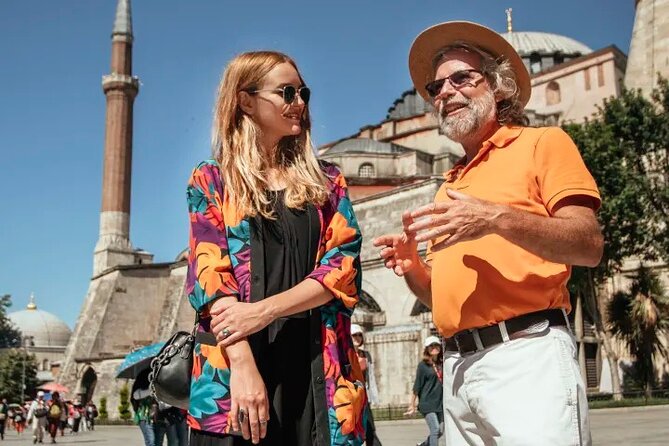
You start in Sultanahmet, the part of Istanbul that still feels like the old capital. The tour begins with quick, easy stops—think short orientation moments that set the stage rather than drag you with long waits. The German Fountain is a good example: it’s a small stop on paper, but it’s placed right where you need it to understand the square and the monuments around it.
Then you move to the Hippodrome Square (Atmeydanı), historically tied to chariot races from the Roman era. Today it reads like an open-air museum of leftovers: different eras layered over each other in one spot. The Egyptian Column you’ll see there acts like a shortcut to understanding the Byzantine/Ottoman habit of reusing, repurposing, and memorializing what came before.
This kind of setup pays off later. By the time you reach the major religious monuments, you’re not just staring—you’re reading the city.
Hagia Sophia as a Working Mosque: What to Expect and How to Avoid Extra Friction
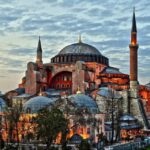
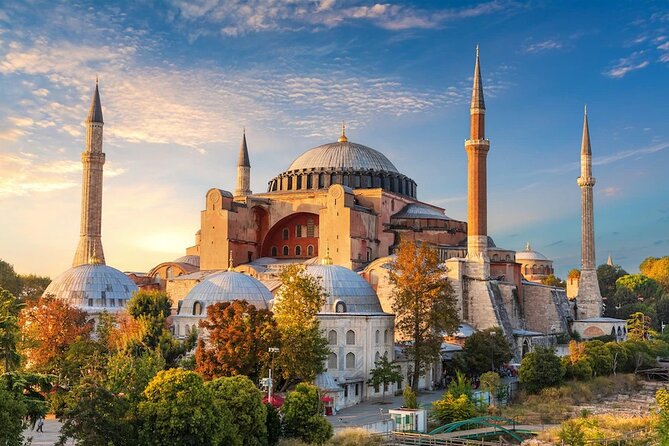
Hagia Sophia is the star stop on day one. Built in the 6th century by Emperor Justinian, it’s a living lesson in how empires swap symbols without erasing everything. The building’s story moves from Christian basilica to Ottoman mosque conversion, and then to museum status—now it functions as a mosque again. The tour guide’s job here is huge: you’re seeing the same volume of space, but with shifting meanings layered on top.
Here’s the practical part: because Hagia Sophia isn’t operating as a museum right now, you don’t get skip-the-line priority. You may need to wait in the security line. The tour suggests you depart early—around 8:30am or 9:00am—to reduce the chance of long waits.
Also plan your mindset. This is not a quiet viewing room. It’s an active religious site, so expect rules and respectful behavior as part of the experience.
Blue Mosque: Iconic Interior Tiles and the Six-Minaret View
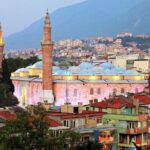
Next comes the Blue Mosque (Sultan Ahmed Mosque), built in the early 1600s. Yes, it’s famous for a reason. The six minarets make it instantly recognizable, and inside you’ll find the style that people photograph everywhere: walls covered in blue Iznik tiles.
You’ll also hear the two stories behind the nickname. One is the obvious tile color. The other links the name to sailors who saw the blue reflections on the sea. Either way, it’s a great stop to help you picture Istanbul’s waterfront relationship to its monuments.
The best way to enjoy the Blue Mosque is slowly. Take a minute to let the interior come into focus—light, pattern, and scale all hit at different moments.
Basilica Cistern and Topkapi: Two Ways to Experience Istanbul’s Power
After two major religious sites, the tour shifts underground and then to imperial rule.
The Basilica Cistern is an underground storage and filtration system beneath Istanbul. You’ll see the massive dimensions and the forest of marble columns—336 columns—that support the ceiling. It’s the kind of place where silence and dim light make you understand why people built water systems as engineering masterpieces, not just plumbing. Expect it to feel cool even on hot days.
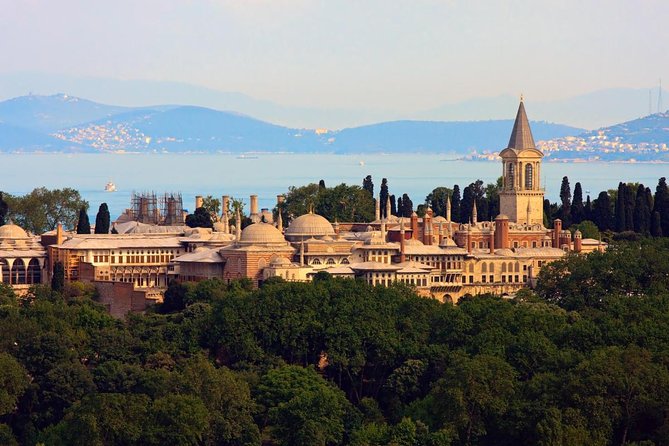
Then it’s Topkapi Palace, which is more than an opulent residence. It served as the seat of Ottoman supreme executive and judiciary power for nearly 400 years. The palace is huge, so the guide’s direction matters—you don’t just wander, you follow a path that connects the palace’s scale to the way the empire governed.
Both Basilica Cistern and Topkapi require paid entry, so budget that into your trip planning. You’ll also want to wear shoes you can handle for walking inside large spaces.
You can also read our reviews of more private tours in Istanbul





Grand Bazaar: Big Shopping Energy, With a Guide to Keep It Fun
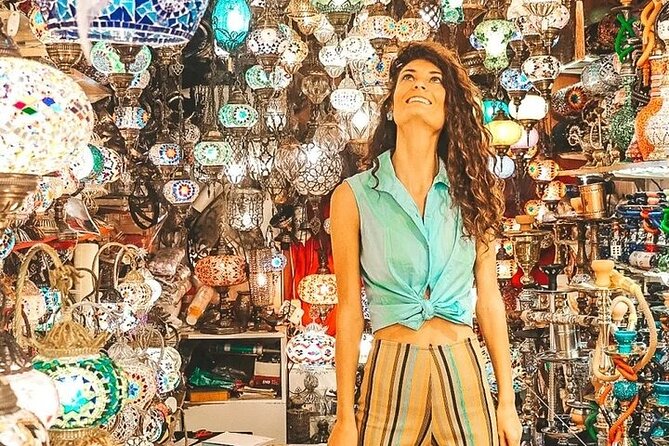
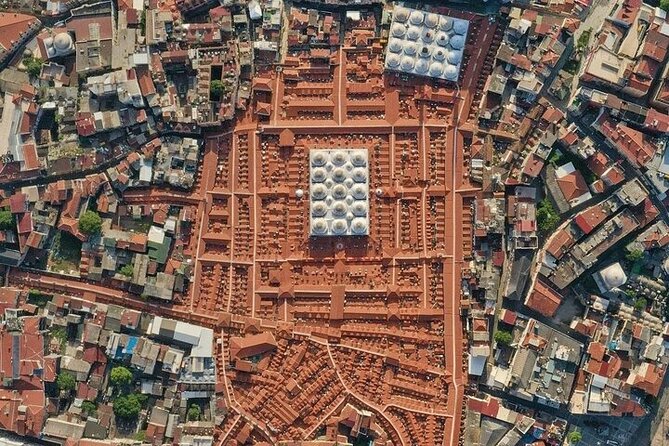
The tour closes the day with the Grand Bazaar, famous as the biggest covered bazaar in the world. It’s loud, crowded at peak hours, and full of color. You’ll find thousands of stalls selling everything from textiles and tiles to jewelry and handmade souvenirs.
The “value” here isn’t just shopping. With a guide, you get help spotting what’s worth your time and how to avoid getting pulled into a time-sink. The bazaar is a maze, and maze-management is a real service.
Also, don’t treat the Grand Bazaar like a single store. Treat it like a whole district inside a roof. You’ll enjoy it more if you set a goal—like browsing tiles, checking handmade goods, or picking one practical souvenir—rather than trying to see everything.
Bosphorus Strait by Ferry: The View That Changes How You See Istanbul
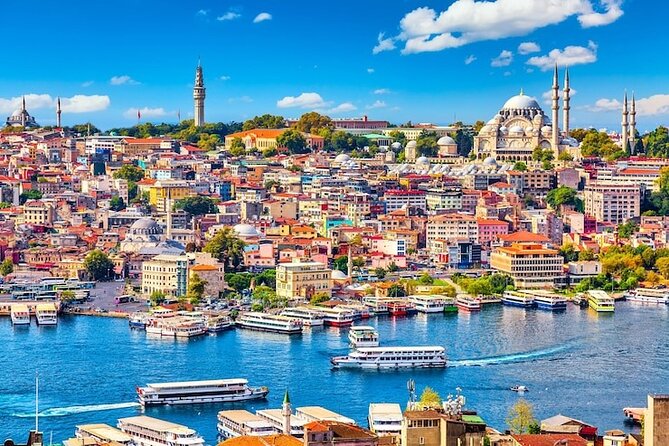
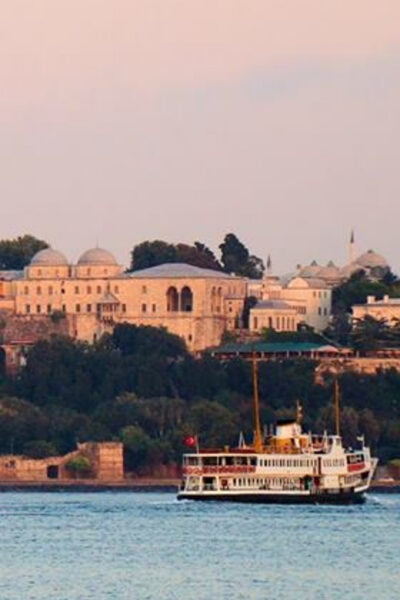
Day two brings you to the water. The Bosphorus Strait cruise is offered either by public ferry or by private cruise (if you choose that option). The public ferry version is often the most Istanbul-feeling choice because you’re riding like locals do—still, it’s a viewpoint machine, not just transport.
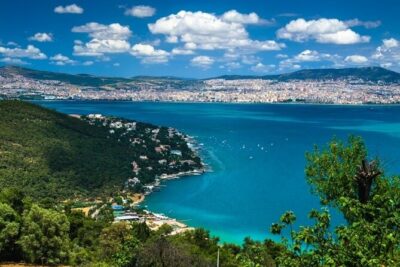
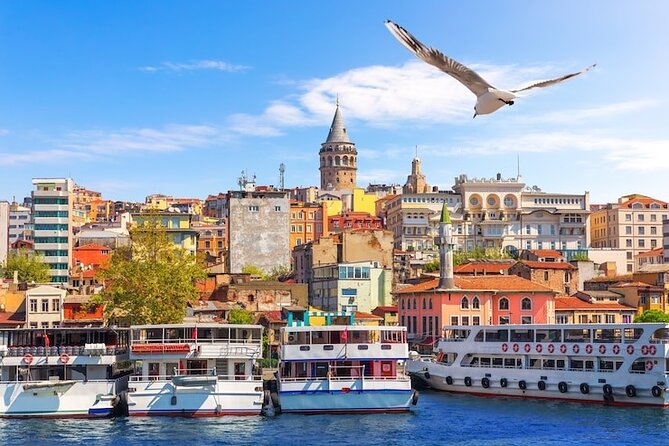
From the water you can see a lot: Galata Tower, Dolmabahçe Palace, Beylerbeyi Palace, Rumeli Fortress, older Ottoman villas, the Bosphorus bridges, and plenty of mosques along the shoreline. The point is that Istanbul’s geography becomes obvious. You stop thinking of the city as one place and start seeing it as two continents connected by a narrow strait.
Just remember: this part involves boat/ferry rules and schedules. It’s also not included ticket-wise in the tour price, so check what you’re paying for and what you’ll cover separately.
Dolmabahçe Palace, Then Taksim and Istiklal: Modern Istanbul in Real Time
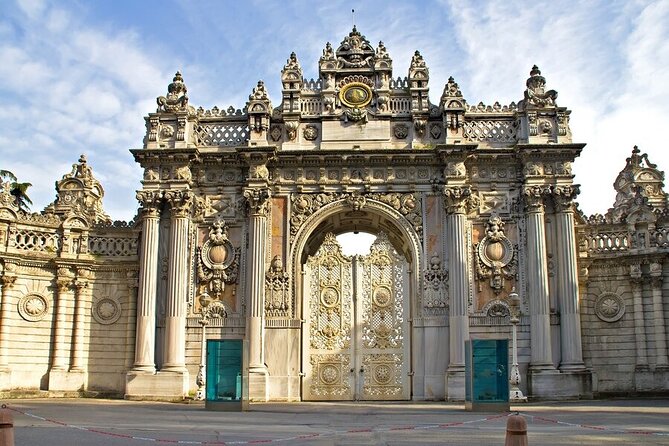
After the water, you step into the mid-1800s world of Dolmabahçe Palace, built to replace an earlier wooden structure. The palace incorporates sixteen separate buildings, including stables, a flour mill, and even a clock tower. It’s a shift from imperial Ottoman symbolism at Topkapi to a more modern imperial statement, with a different kind of grandeur.
Then you head to Taksim Square, a landmark of modern Turkey and a hub connected with Istiklal Street. The area is also surrounded by embassies and offers a slice of contemporary nightlife culture—cafes, shops, and dining along Çiçek Passage.
From there, you walk Istiklal Caddesi (Istiklal Street), lined with churches, modern art galleries, embassies, and all sorts of shops. It’s a good place to reset from heavyweight monuments while still staying in Istanbul’s center.
Galata Tower from the Outside: Why Regulations Matter
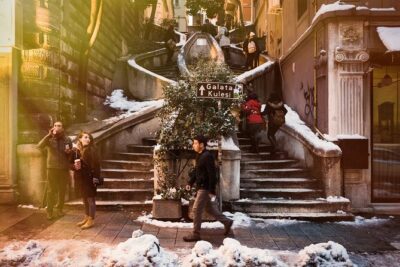
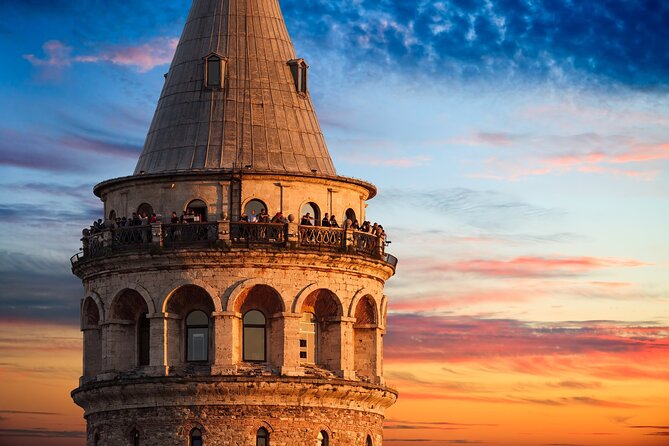
The tour includes a stop at Galata Tower, but from outside. That’s not a downgrade—it’s a clarity moment. Due to regulations, guides don’t have skip-the-line priority for accessing the tower area, so waiting times can run long.
Instead of losing time, you get the guide’s explanation and the visual context. You’re still capturing the tower’s relationship to the Golden Horn and to the city’s older neighborhood fabric.
If you’re the kind of person who hates lines, this tour’s approach can be a relief. If you really want to go up inside, you should plan for your own ticket and time buffer.
Spice Bazaar (Misir Çarşısı): A Sensory Break That Makes the Route Better
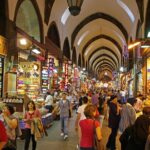
Next up is Mısır Çarşısı (Spice Bazaar) in Eminönü. It’s an indoor market packed with shops selling spices, flavored teas, Turkish delight, nuts, and more, plus ceramics and small souvenirs.
This stop is smart because it breaks up the sightseeing rhythm with a sensory experience. It’s also practical: if you want edible souvenirs, this is one of the places where your choices are obvious and visual.
It’s included with no ticket cost listed for the bazaar itself. Still, money-wise, you’ll want a plan for what you’ll actually carry home.
Suleymaniye Mosque: Ottoman Architecture With a Less Flashy Calm
On the third day, the tour moves toward the Golden Horn and the Ottoman’s architectural backbone. The first big religious stop is Süleymaniye Mosque, designed by the famed architect Sinan.
Süleymaniye is less ornate than Hagia Sophia in style, but the guide can connect it to that earlier masterpiece because Sinan was responsible for both. That comparison helps you read Ottoman architecture as part of a larger design conversation, not just a one-off.
The mosque is included as a stop with no ticket fee noted, which makes it a great value moment in the tour.
Balat and Fener: Multifaith Istanbul in Neighborhood Form
Then the tour goes into the old quarter neighborhoods of Balat and Fener, where religious history is visible in everyday streets.
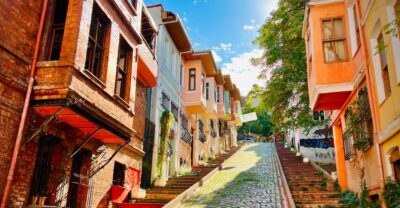
Balat includes time to walk through winding streets with steep slopes, laundry lines strung across rooftops, and old Ottoman houses in layered color. The stop also includes the Church of St. George, tied since the 1600s to the Ecumenical Patriarchate of Constantinople and recognized as the spiritual leader of Eastern Orthodox Christianity. This is where Istanbul feels less like landmarks and more like living geography.
Next comes Fener Rum Patrikhanesi, the Orthodox Patriarchate, included for a shorter visit.
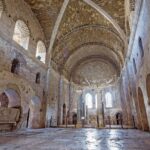
Then you’ll see the Bulgarian Orthodox Church, St. Stephen, known as the Iron Church because it’s made entirely of prefabricated cast iron in the 19th century. That material story is a great contrast to the stone-and-mosaic monuments you saw earlier.
These stops are why I think the third day can feel more memorable than a second loop of the same central sights. You’re shifting from empire scale to neighborhood texture.
Pierre Loti Hill and Rahmi M. Koç Museum: Views and the City’s Work Life
After the Orthodox sites, the tour heads to Pierre Loti Hill, with access by cable car. At the top, you get scenic views, and you can pair them with a Turkish coffee or tea while you look out. This stop is not included in ticket cost, so budget that separately.
Then you visit the Rahmi M. Koç Museum, dedicated to the history of Transport, Industry, and Communications. Housed in industrial-archaeology-style buildings on the Golden Horn, it’s the kind of museum that makes you notice the working side of Istanbul—ships, aircraft, and everyday tech history.
The collection includes thousands of items, from gramophone needles to full-size ships and aircraft. If you like museums that feel like hands-on time machines, this one tends to land well.
Halic and the Golden Horn Finish: Where Old Settlement Makes Sense
You end the third day in Halic, part of the Golden Horn region and one of the oldest settlements of Constantinople. The stop is short, but it helps you connect everything you’ve seen: water routes, empire power centers, and neighborhoods shaped by geography.
This is a good wrap because the Golden Horn is the thread tying together Balat, Fener, and the industrial-museum stop.
Value for $199: What This Private Tour Costs You and Why It Can Be Worth It
At $199 per group up to 8, this tour price is surprisingly sensible if you’re splitting cost with others. You’re paying for a professional local guide and private pacing, which can save time and stress in a city where lines, navigation, and ticket rules can multiply quickly.
That said, it’s not a ticket bundle. Museum, ferry/cruise, and cable car tickets aren’t included, and lunch isn’t included either. Hagia Sophia, Basilica Cistern, Topkapi Palace, Dolmabahçe Palace, Bosphorus cruise, Galata Tower access (if you choose), Pierre Loti cable car, and Rahmi M. Koç Museum are all listed as not included, so you’ll want a budget for those add-ons.
In practical terms, you’re buying:
- a tight route across the places you’ll actually care about
- a guide to explain what you’re looking at
- smoother transitions between areas
- a private group cap that reduces friction
If you’re traveling solo and you don’t want to split cost, the extra out-of-pocket for entrances may make it feel less bargain-like. But if you’re a small group, this is one of those cases where private touring becomes the smart way to spend limited vacation days.
Who This Tour Suits Best (and Who Should Look Elsewhere)
This is a great fit if you:
- want a first-timer friendly Istanbul sampler that still includes neighborhood details
- prefer a guide over reading every sign and guessing what matters
- like architecture, major monuments, and the Ottoman-to-modern thread through the city
- travel with a small group where splitting cost is easy
It may be less ideal if you:
- hate waiting entirely and can’t handle security lines at major sites (Hagia Sophia is a known issue)
- want every monument to be fully guided with zero independent ticket planning
- only care about one area of Istanbul and don’t want to cross neighborhoods and districts
Also note that the tour experience is listed as requiring good weather. If weather is poor on your dates, you may need to switch dates or get a refund.
Should You Book This Private Best of Istanbul Tour?
I’d book it if you want your time to feel organized and meaningful. The route covers the essentials—Sultanahmet’s big religious landmarks, the water views of the Bosphorus, and the Golden Horn neighborhood story of Balat and Fener—plus a museum choice that expands your idea of what Istanbul is about. With a private guide, you’re not just collecting photos; you’re building a mental map.
I’d hesitate only if you’re strict about skip-the-line entry at Hagia Sophia and you’re unwilling to budget for paid tickets at several major stops. In that case, you can still enjoy Istanbul, but you might want a plan that’s more focused on fewer sites with extra time for waiting.
If you like structure and you’re traveling in a small group, this tour looks like a strong value—especially since it’s often booked well ahead (on average about 56 days), which usually means you’ll want to lock in your dates early.
FAQ
How long is the Private Guided Best of Istanbul Tour?
The tour is offered for 1, 2, or 3 days, with the provided plan listed at about 3 days.
How much does the tour cost?
It’s $199.00 per group, up to 8 people.
Is it a private tour?
Yes. It’s private, and only your group participates.
Does the tour include hotel pickup?
Pickup is offered from central hotels. If your hotel isn’t centrally located, you’ll meet at the German Fountain. The guide may also pick you up on foot if private van service isn’t chosen.
What’s included in the price?
Included are a private tour, a professional local guide, and hotel meeting/pickup. You’ll also receive a mobile ticket.
Are museum or cruise tickets included?
No. Museum tickets, ferry/cruise tickets, and cable car tickets are not included.
Is lunch included?
No. Lunch is not included.