REVIEW · HAGIA SOPHIA TOURS & TICKETS
Istanbul: Whirling Dervish Ceremony next to Hagia Sophia
Book on GetYourGuide →Operated by Cogito Istanbul Seyahat Turizm Bilet Organizasyon Gıda ve Ticaret LTD STI · Bookable on GetYourGuide
Spinning prayers in Istanbul, right by Hagia Sophia. This is a chance to witness UNESCO-listed Sema in a real cultural setting, with live Turkish music and a clear, professional explanation wrapped around the ritual. I especially liked the way the experience gives you context before and after, and the smart audio guide in multiple languages plus a simple local drink of the day, tea or sherbet.
One thing to consider: this is not a loud, flashy show. The ceremony depends on silence, so if you want to scroll your phone or chat through it, you’ll miss what makes it meaningful. Also, a few people noted that parts of the spoken explanation can be hard to catch—so arrive ready to listen, not multitask.
In This Review
- Key highlights I’d prioritize
- Why this Sema near Hagia Sophia lands differently
- Where you meet: the giant white wooden house by Basilica Cistern
- Before the turning: salon setting, host talk, and your audio guide
- During the Sema: music, silence, and what the gestures mean
- Sound and sight: seats, speeches, and how not to miss the best parts
- After the ceremony: tea or sherbet and the meaning behind the ritual
- Price and value: is $17 worth it in Istanbul?
- Who this fits best (and who might not love it)
- Tips to make the most of your Sema night
- Should you book this whirling dervish ceremony next to Hagia Sophia?
- FAQ
- Where is the meeting point?
- How long is the ceremony?
- What is included in the ticket price?
- Do I need to speak Turkish?
- Is silence required during the ceremony?
- Is there a place to use the restroom?
- Is it wheelchair accessible?
Key highlights I’d prioritize
- UNESCO Intangible Cultural Heritage Sema performed in Istanbul
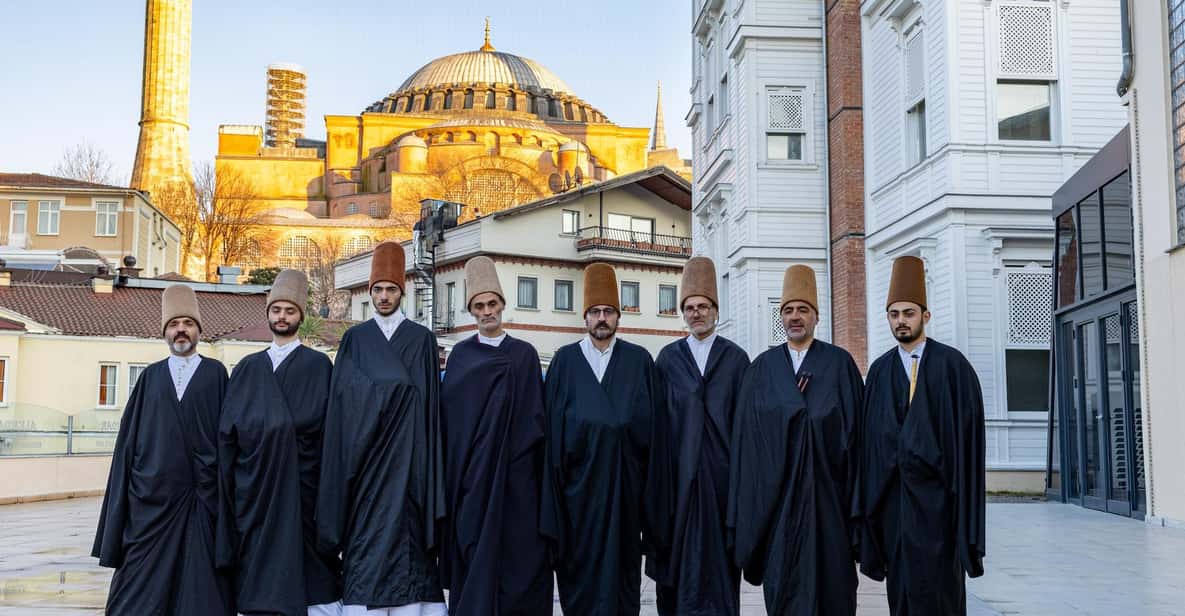
- Classic live Turkish music with traditional instruments like strings, drums, and flutes
- A licensed host with explanations before and after the ritual
- Smart audio guide in ENG, DE, FR, ITA, RUS, ESP, and ARB
- A calm, respectful room where making noise is not allowed
- Tea or sherbet included, plus water
Why this Sema near Hagia Sophia lands differently
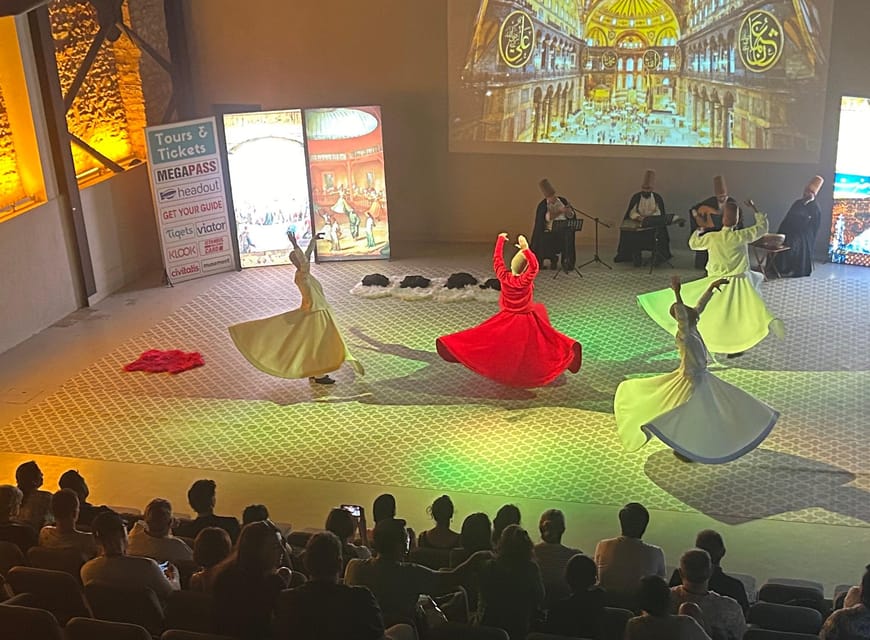
Istanbul is full of cultural experiences, but the whirling dervish ceremony is special because it sits in the space between art and devotion. The ritual is part of what UNESCO recognizes as Intangible Cultural Heritage, meaning the value isn’t in a one-time spectacle. It’s in the continuity: the music, the movements, the meaning behind them, and the way the ceremony is taught and carried forward.
What I like about this one is that it’s not just watching. You get a guided frame first, so you know what you’re seeing when the prayers begin. Then you get the other half of the story after, which helps the whole thing click. If you’ve ever wondered why the turning matters—or what the musicians are doing beyond setting a mood—this format gives you better footing.
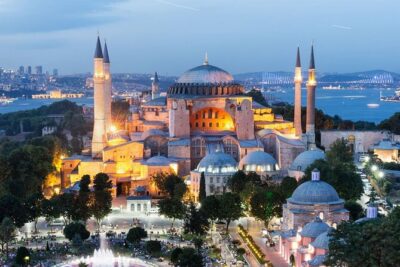
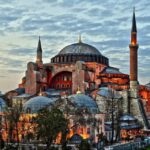
Also, being near Hagia Sophia puts you in the thick of Istanbul history. You’re not stepping far away from the iconic sights to find something spiritual and cultural. You’re doing it right in the heart of the old city.
You can also read our reviews of more tours and experiences in Istanbul.


Where you meet: the giant white wooden house by Basilica Cistern
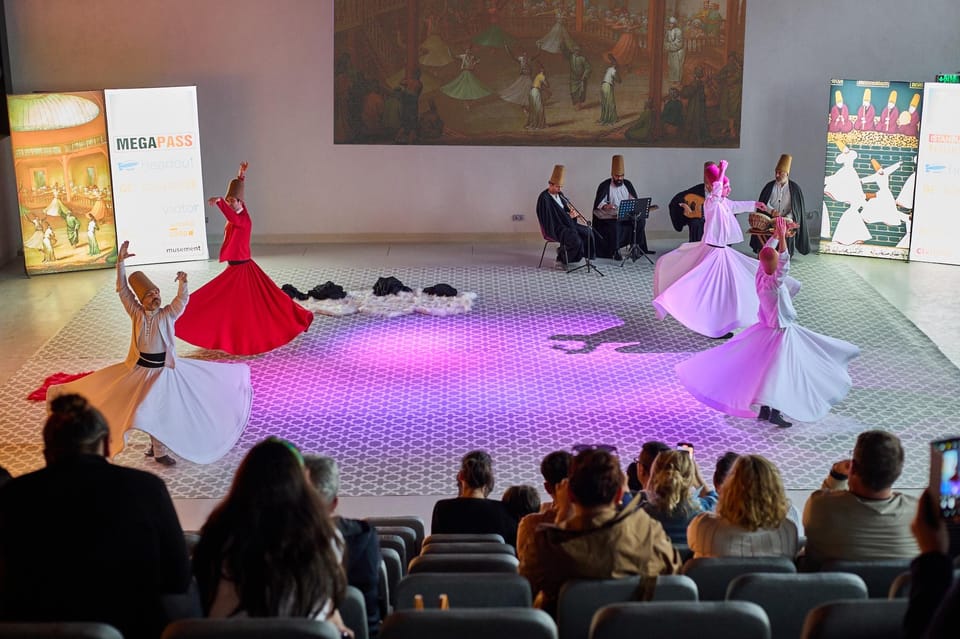
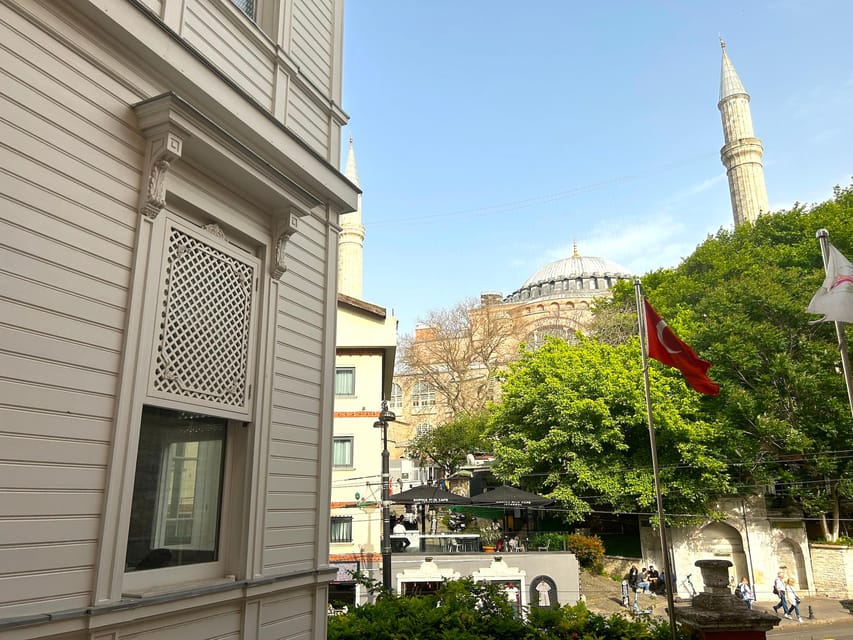
Your meeting point is next to the Basilica Cistern. You’ll look for a reception desk at the gate of the big white wooden house. The gate opens 30 minutes before the ceremony starts, which is genuinely helpful: it gives you time to find the room, settle in, and use the restroom without panicking.
I found the location logic reassuring. This part of Sultanahmet is walkable, and having a clear meeting structure keeps you from playing map roulette. And since the ceremony itself is only 55 minutes, arriving on time matters more than it does for longer tours.
Tip: plan a little buffer around this area. If you’re coming from Hagia Sophia or the cistern, traffic in your own head can be real. You’ll want a calm start, not a sprint, because the ceremony requires quiet.
Before the turning: salon setting, host talk, and your audio guide
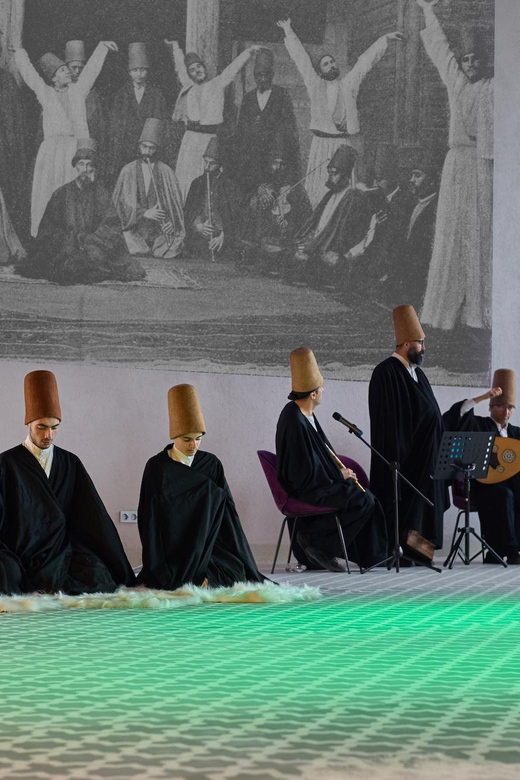
The experience begins in a traditional salon. Think wood, a beautiful historic feel, and a transition from street noise into ceremony-mode. Before the dervishes begin, a host explains what you’re about to see and why it’s arranged the way it is.
That pre-ceremony framing is a big deal. Without it, you might read the turning as pure performance. With it, you start noticing the structure: the order of the music, how the ritual progresses, and what the gestures symbolize. Several people highlighted that the explanations make the ceremony easier to appreciate, and I agree. Even short talks can change your whole viewing experience.
You also get a smart audio guide in seven languages (ENG, DE, FR, ITA, RUS, ESP, ARB). The practical value here is huge: you can follow along at your own pace, especially if the host is speaking quickly. One review noted difficulty catching parts of the speaker early on, and the audio guide helps smooth that out.
One more detail worth knowing: the ceremony includes musical pieces composed between the 1400s and early 1800s. That time window matters. You’re not hearing random “traditional music.” You’re hearing music tied to the historical evolution of Sufi practice.
During the Sema: music, silence, and what the gestures mean
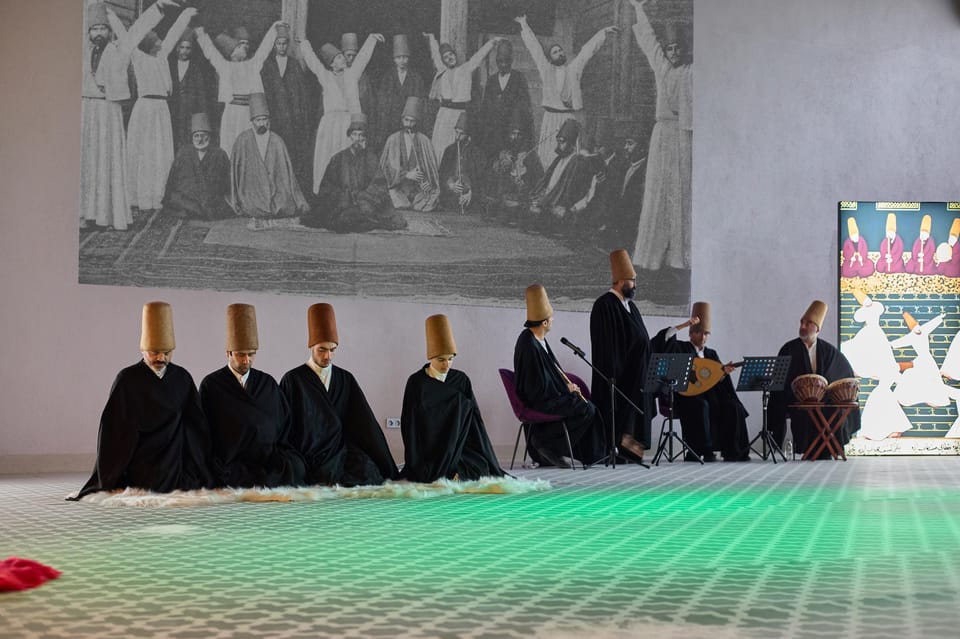
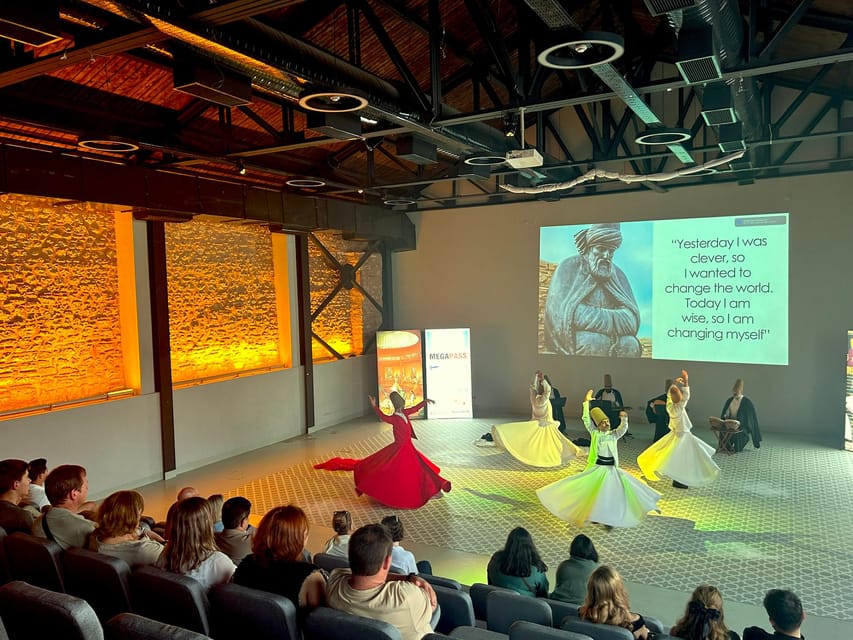
Once the instrumental phase starts, you’ll hear the ceremony’s musical backbone: strings, drums, and flutes. It’s not background music in the casual sense. It acts like the ceremony’s pace-setter, helping you adjust your attention.
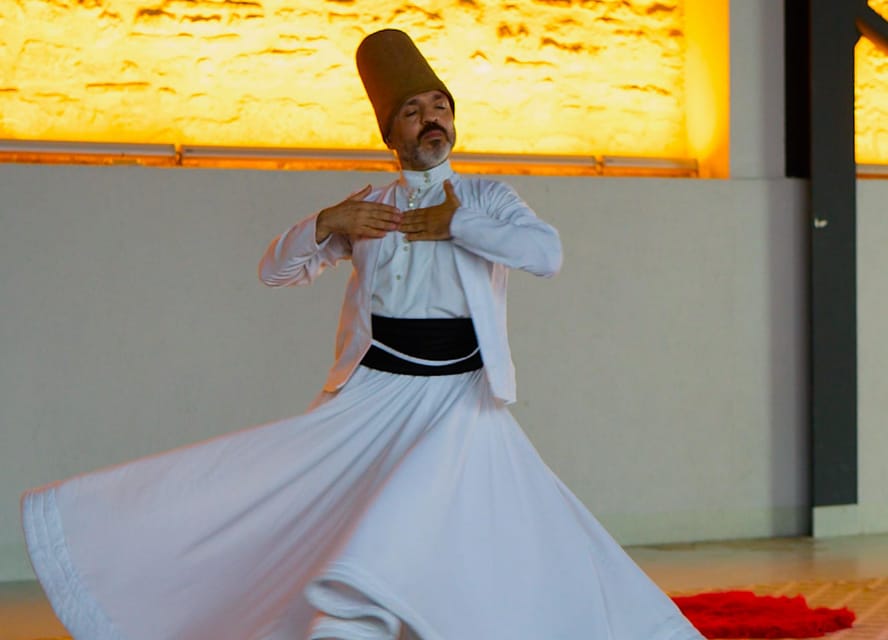
When the dervishes arrive, the tone shifts into serenity. Then the turning begins, and the ritual’s motion evolves in harmony with the rhythm—gradually accelerating as part of the symbolism of unity and the idea of moving beyond the self.
Here’s what I’d watch for with fresh eyes:
- The turning is continuous and controlled, not chaotic. The goal is not athletic spinning. It’s a spiritual practice with structure.
- The ceremony uses hand and body positions with meaning. One review explained common symbolism: one hand raised toward the heavens and the other pointing to the earth, reflecting receiving divine blessings and sharing them.
- The music keeps you anchored, while the silence around it makes the whole room feel focused.
And yes, silence is real. Making noise is not allowed, and people should treat the room like a place of worship, not a theater lounge. One review offered a straightforward tip: avoid using your phone during the ceremony. That’s good advice. Even if you’re not talking, the light and attention pull can break your concentration.
If you’re thinking, I’ll just listen with half an ear: don’t. This works best when you give it the full channel. The ceremony builds slowly, not to entertain you, but to let you settle into a rhythm.
Sound and sight: seats, speeches, and how not to miss the best parts
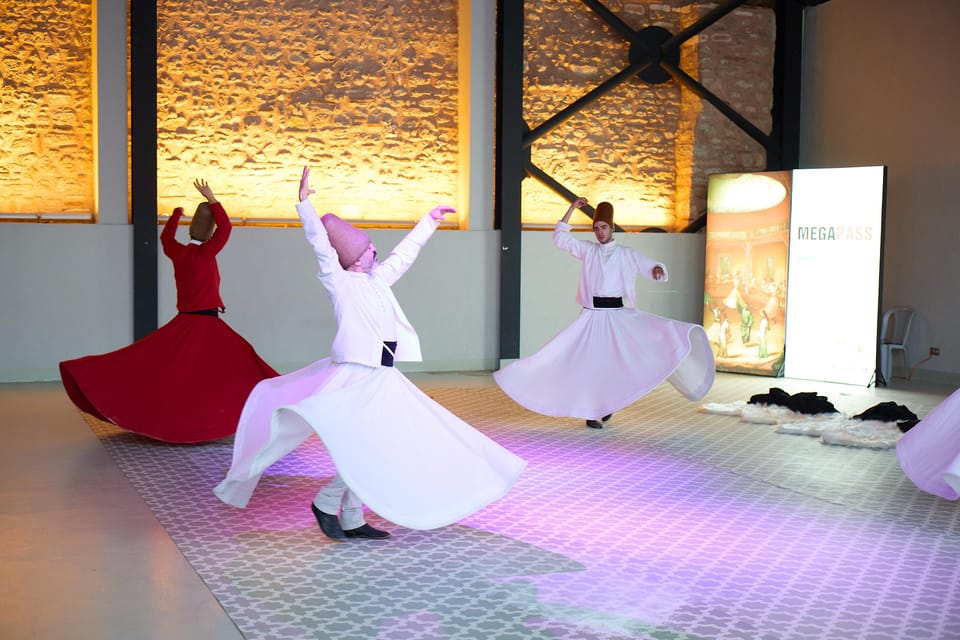
This venue is designed for clear viewing. Multiple reviews praised the layout and comfort, and at least one person said they had good sightlines from everywhere. That matters, because the turning is the “why,” and you don’t want to spend half the ceremony craning.
Sound quality is more mixed. One review said the sound wasn’t great at the beginning and they couldn’t hear everything the speaker said. Another mentioned that the guide spoke fast, which can also affect comprehension. So treat the pre-ceremony explanation as something to catch with both your ears and the audio guide.
Practical move: arrive early, sit where you can hear, and stop thinking of it as a concert. You’re there for rhythm, meaning, and calm focus. If you keep that mindset, even imperfect audio won’t ruin it.
Photography notes: one review said you were allowed to take photos/videos. That said, the rules still prioritize respect and silence. If you do take a clip, keep your phone low and brief, and don’t block anyone’s view.


After the ceremony: tea or sherbet and the meaning behind the ritual
The ceremony doesn’t end at the turning. After, you’ll have time for a wrap-up explanation and a chance to ask questions. Many reviews mentioned that the before-and-after structure added depth, turning the night from watching into understanding.
Then you get a local drink of the day—either tea or sherbet—plus water. It’s a small touch, but I like it for two reasons:
1) It signals the experience is part of local hospitality, not just ticketed entertainment.
2) It gives you a moment to land back in reality before you head out into Istanbul traffic and crowds.
There’s also a theme running through feedback: people felt it was sincere, meditative, and respectful. It can feel less like a staged performance and more like a genuine ceremony. That’s exactly what you want, because it protects the ritual from turning into something only touristy.
One more real-world tip from experience: if your schedule is tight, don’t treat this as something that will definitely finish on the dot. At least one review said the ceremony started late, and that affected their ability to stay for Q&A. Give yourself some breathing room.
Price and value: is $17 worth it in Istanbul?
At $17 per person for a 55-minute UNESCO-linked cultural ceremony, this is priced like value—especially for Istanbul, where you can pay a lot for shows that are more polished than meaningful.
Here’s what you’re getting at that price:
- Entrance to the ceremony with live music and the authentic ritual
- A local traditional drink (tea or sherbet) plus water
- A smart audio guide in multiple languages
So even if you think, I can read about whirling dervishes online—sure, you can. But you can’t replace the experience of synchronized turning plus live Turkish instruments in a quiet room built for ceremony. That combination is what you’re paying for, not just the name.
Also, one review mentioned the ticket money supports an education-focused NGO/community center. You should take that at face value as reported, but even without focusing on it, the overall structure (meaning first, then ritual) feels like responsible value rather than a quick tourist stop.
Who this fits best (and who might not love it)
This is best for you if:
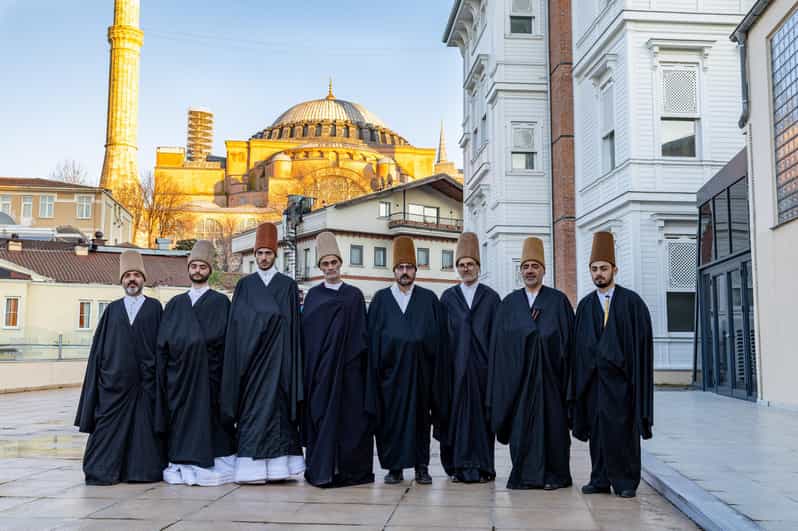
- You want a cultural experience that treats Sufism with respect, not as a circus act
- You like explanations that give you language for the symbols
- You appreciate calm, ritual pacing over loud staging
It may not fit as well if:
- You expect a high-energy performance
- You don’t handle quiet spaces well
- You need constant entertainment or visual spectacle to feel satisfied
It’s also not suitable for very young children (not recommended for children under 2). And the “no making noise” rule can be tough for anyone who struggles with stillness or attention.
On the flip side, if you’re the type who enjoys religious music, poetry-adjacent themes, and symbolism, you’ll likely find this memorable. One reviewer even suggested doing a little reading about Rumi and Shams Tabrizi beforehand for extra meaning. You don’t have to, but it can sharpen your experience.
Tips to make the most of your Sema night
A few practical ideas that consistently improve the experience:
- Go in with the right mindset: it’s slow, intentional, and spiritual.
- Listen to the host, then use the audio guide to catch anything you miss.
- Keep your phone away during the turning. Let the room do its work.
- Use the restroom before or after. This is a short event.
- Bring a respectful attitude. Quiet helps everyone.
And if you’re the kind of person who likes to connect dots, watch for the symbolic elements described by the host and the ceremony participants. The more you notice structure, the more rewarding it becomes.
Should you book this whirling dervish ceremony next to Hagia Sophia?
Yes, if you want an authentic-feeling Sema with live Turkish music and real context. The combination of a licensed host, a multi-language audio guide, and the ceremony itself makes it more than a quick photo stop. At $17, it’s also a smart use of time and money.
I’d skip it only if you’re looking for a loud, action-packed show or you don’t do well with silence rules. If you can settle in, this is one of those rare Istanbul nights that gives you a different lens on the city—one built around listening, rhythm, and meaning.
FAQ
Where is the meeting point?
You meet your host next to the entrance of the Basilica Cistern. The reception desk is at the gate of the giant white wooden house.
How long is the ceremony?
The total experience lasts 55 minutes.
What is included in the ticket price?
Your ticket includes entrance to the whirling dervish ceremony with live music and authentic ritual, a local traditional drink (tea or sherbet) with water, and a smart audio guide in multiple languages.
Do I need to speak Turkish?
No. There is a live English-speaking tour guide and a smart audio guide available in seven languages.
Is silence required during the ceremony?
Yes. Making noise is not allowed, and silence is important.
Is there a place to use the restroom?
The experience notes that you should visit the restroom before or after the ceremony.
Is it wheelchair accessible?
Yes, the venue is listed as wheelchair accessible.