REVIEW · SHOPPING TOURS
Istanbul Private Shopping Tour – Grand Bazaar & Spice Market
Book on GetYourGuide →Operated by MGT · Bookable on GetYourGuide
Shopping in Istanbul can feel like a maze, and this private tour helps you stay in control. I like that the day is private and shaped around what you actually want to buy, and I like the way the guide steers you through the Grand Bazaar and bargaining so you don’t get pushed around. One thing to watch: the Grand Bazaar is closed on Sundays, so the route swaps in another market.
You also get hotel or cruise pickup and drop-off plus an air-conditioned vehicle, so the shopping doesn’t turn into an all-day fight with traffic. In particular, the standout guide experience is how patient and interactive the shopping assistance can be, including help with translation and negotiating—handy when you’re looking at carpets, leather, tiles, and ceramics and want to ask the right questions.
In This Review
- Key takeaways before you go
- Why Istanbul bazaars feel easier with a private guide
- Getting picked up for an 8-hour shopping day (and why it matters)
- Grand Bazaar: how you shop without getting steamrolled
- Quality checks you can act on
- Bargaining tips that keep you in the driver’s seat
- Carpet workshops: seeing the work before you buy
- What you gain from the workshop moment
- A realistic drawback to consider
- Leather and ceramic studios: where workmanship shows up fast
- Leather shopping with guidance
- Ceramics and tiles: your eye does the work
- Watch your pace
- Spice Market (Egyptian Bazaar): the smells, the stories, and smart food buys
- How to shop here without overbuying
- Sunday swap note
- The guide factor: why “patient and on point” matters
- Skip-the-line help, private group pace, and the reality of “shopping time”
- Price and value: is $92 per group up to 6 fair?
- What to plan for: scarves, Sunday closures, and lunch
- Who should book this tour, and who might not love it
- Should you book it?
- FAQ
- What’s the duration of the Istanbul Private Shopping Tour?
- Where does pickup and drop-off happen?
- Is lunch included?
- What markets and workshops are part of the tour?
- Do I need to wear a scarf?
- Is the Grand Bazaar open every day?
- What’s included in the price?
Key takeaways before you go
- Private route, not a one-size-fits-all loop through shops
- Grand Bazaar + Spice Market with a local guide to help you buy confidently
- Workshop stops for carpet-making, leather, and ceramics tiles and studios
- Bargaining support so you can negotiate without feeling lost
- Pickup and drop-off from Galataport, hotels, and AIR airports by air-conditioned vehicle
- Plan for Sunday: Grand Bazaar swaps to Arasta Baazar or the Spice Bazaar
Why Istanbul bazaars feel easier with a private guide
The Grand Bazaar can be fun, but it can also be exhausting. You walk in thinking you’ll see everything, then you’re surrounded by the same products in different rooms and it’s hard to tell what’s quality versus what’s just loud marketing.
This tour is built to solve that exact problem. You’re not just handed a shopping list and sent off. You have a licensed English-speaking shopping assistance guide who keeps the day organized and helps you navigate the maze with a plan. That means you can spend your energy on the items that matter to you—whether that’s a serious rug, a leather jacket, ceramic tile work, or food gifts from the Spice Market.
The value is not just convenience. It’s the guidance that helps you shop smarter. When you’re comparing similar-looking goods, tiny differences matter. A guide who knows what to look for saves you time and can prevent you from paying too much out of confusion.
One more plus: the itinerary is described as flexible and tailored. That matters in Istanbul, because your interests can shift fast once you’re actually standing in front of the goods.
You can also read our reviews of more private tours in Istanbul


Getting picked up for an 8-hour shopping day (and why it matters)
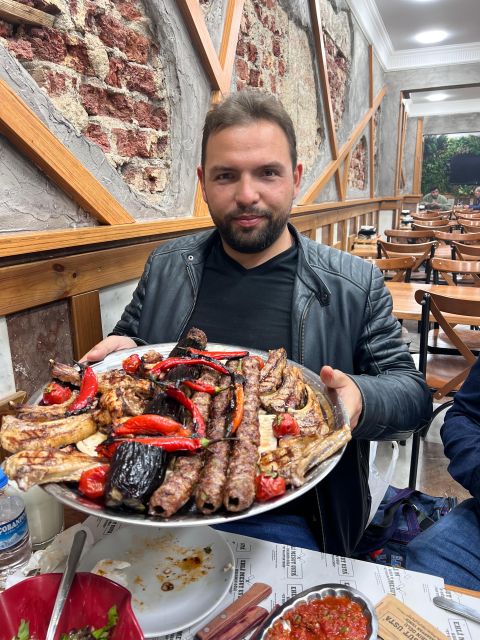
You start with pickup and end with drop-off, so you’re not forced to figure out local transit while carrying purchases. This is especially useful if you’re on a cruise and stopping at Galataport, or if you’re staying in a neighborhood that’s a pain to reach quickly.
The tour also includes travel in a comfortable air-conditioned vehicle. That’s not a luxury detail in Istanbul—it’s practical. A private shopping day can become tiring fast without a place to reset between markets and workshops.
Duration is listed as 8 hours, which is long enough to see the main shopping highlights and still have time for a few slower moments—like viewing carpets, checking craftsmanship up close, and moving with less stress through crowded areas. Reviews also point to a very timed experience, including guides who keep the day moving and return you right at the end of the 8-hour window.
Lunch is the one planning item you should handle yourself. It’s not included in the tour data, so build in time to eat when your guide recommends it (and use that downtime to regroup before the next market).
Grand Bazaar: how you shop without getting steamrolled
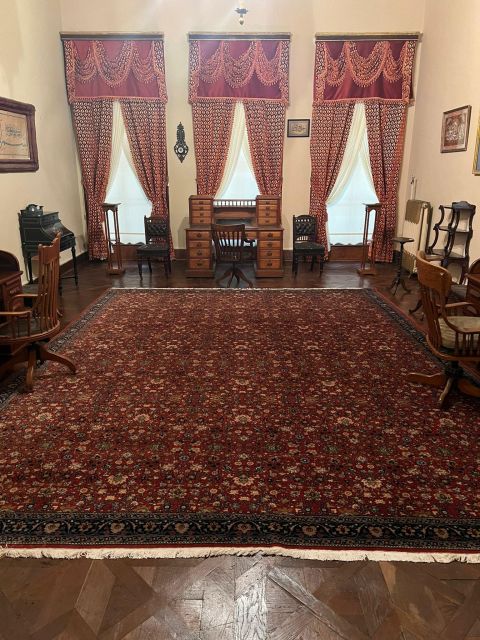
The Grand Bazaar is legendary for a reason. It’s one of the world’s oldest and largest covered markets, with thousands of shops under one roof. You’ll see carpets, jewelry, ceramics, textiles, leather goods, and souvenirs—often all within a short walking distance.
What makes this tour different inside the Grand Bazaar is the help around two things: quality and bargaining.
Quality checks you can act on
You’re not only browsing random storefronts. The tour is designed to help you recognize quality products. While the exact method isn’t spelled out, the intent is clear: you learn what to look for and how to avoid the most common tourist-buyer traps. For items like textiles and rugs, quality is usually in the details—materials, finishing, and how the piece is made. For ceramics and leather, it’s about workmanship and consistency.
Bargaining tips that keep you in the driver’s seat
Insider bargaining tips are part of the experience. That doesn’t mean you’ll bargain for everything no matter what. It means you’ll have a better chance of negotiating in a way that feels fair to both sides, and you’re not trapped by the loudest salesperson in the busiest stall.
A big practical benefit comes from language support. The guide can translate and help you ask questions, which is often where buyers get stuck—either they don’t know what to ask, or they can’t confirm what they’re being told.
You can also read our reviews of more shopping tours in Istanbul





Carpet workshops: seeing the work before you buy

One of the smartest parts of this kind of shopping day is the workshop stop before the biggest market. It’s easier to judge a product when you’ve seen how it’s made, even if you’re just watching and learning for a short time.
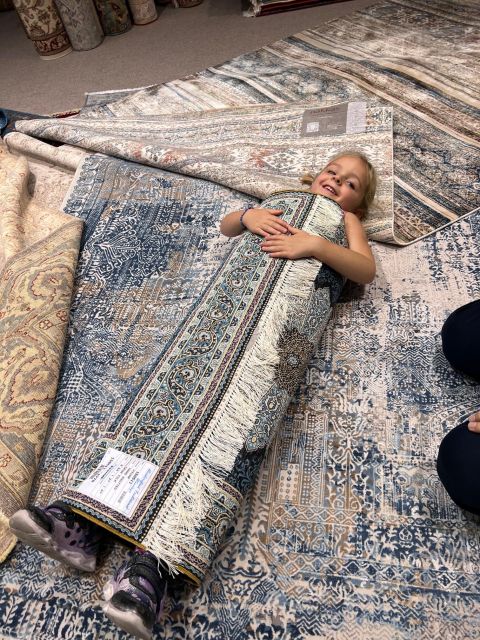
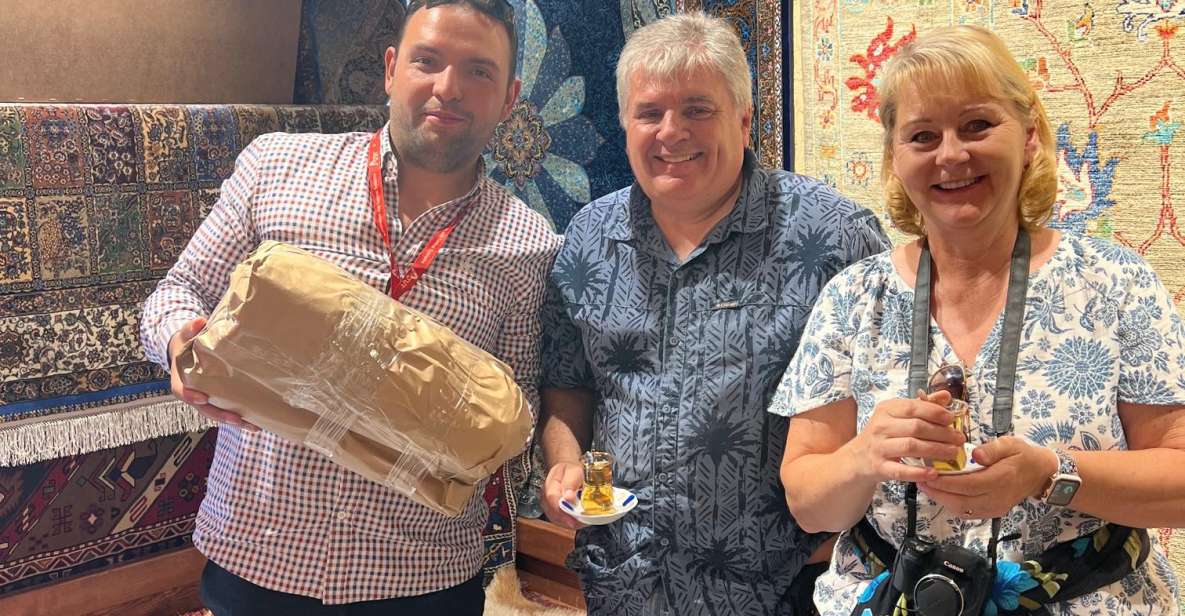
On this tour, carpet-related stops include visiting authentic places where traditional craft happens. A real workshop viewing is specifically described in a review as starting at a traditional carpet-making place, with time spent watching how a carpet is made and then sitting while several carpets were brought in for viewing. The same review mentions the experience paired with Turkish tea, which makes the workshop segment feel less like a sales pitch and more like a guided look at the craft.
What you gain from the workshop moment
You’re learning how production works, which helps you understand why two rugs that look similar can be priced very differently. Even if you don’t become a rug expert, you’ll shop with more confidence because you’ll recognize craftsmanship when you see it.
A realistic drawback to consider
Carpet and textile discussions can take time. If you already know you only want small gifts or simple souvenirs, you may feel the day is slightly weighted toward carpets. The tour is described as flexible, so you can steer the balance—but it’s good to know where the emphasis can land.
Leather and ceramic studios: where workmanship shows up fast
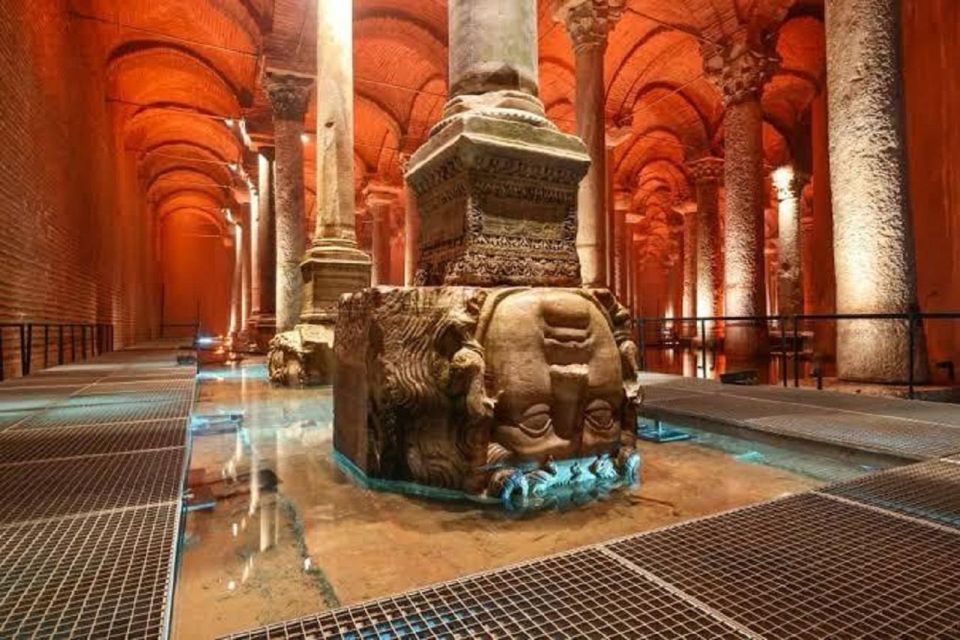
After carpet stops, the tour visits other artisan-focused shopping areas, including leather stores and ceramic studios. This is a strong pairing, because leather and ceramics are the kind of products where differences in quality can be obvious once you know what to look for.
Leather shopping with guidance
Leather shopping often gets messy when you don’t know the right questions to ask. With a guide, you’re more likely to confirm what you’re buying and compare options with less pressure. Reviews also highlight the guide’s patience and help during leather and tile-related browsing, including negotiating and translating.
Ceramics and tiles: your eye does the work
Ceramics and tile work can be easier to evaluate visually: finishes, color consistency, and overall craftsmanship. The tour includes ceramic shopping stops with studios where you can see how these products connect to traditional craft.
Watch your pace
These stops can be fun, but they also tempt you to buy more than you planned. That’s not a problem if you’re traveling with room and you’re okay with carrying purchases. If you have strict limits, think of the shopping day like a selection process: check quality first, then decide.
Spice Market (Egyptian Bazaar): the smells, the stories, and smart food buys
The Spice Market, also called the Egyptian Bazaar, brings a different kind of shopping energy than the Grand Bazaar. Instead of carpet patterns and jewelry showcases, you get aromas—spices, teas, Turkish delight, dried fruits, and other traditional flavors.
The tour includes history behind these ingredients and positions you to shop with confidence. Even without getting technical, that’s useful. When you know what you’re buying and why it matters, you’re less likely to end up with something that’s mostly just packaged for tourists.
How to shop here without overbuying
Because the senses are so strong, it’s easy to buy too much of everything. I suggest treating the Spice Market like a tasting-and-decision stop:
- Pick a few spice blends you’ll actually use at home
- Choose teas you can label and store easily
- Save the heavier impulse buys until you’ve seen what your guide recommends elsewhere
Sunday swap note
Remember the earlier consideration: on Sundays, the Grand Bazaar is closed and replaced with Arasta Baazar or the Spice Bazaar. The Spice Market portion is a key highlight, but if your day falls on Sunday, your route inside the market world may shift. It’s worth keeping flexibility in mind.
The guide factor: why “patient and on point” matters
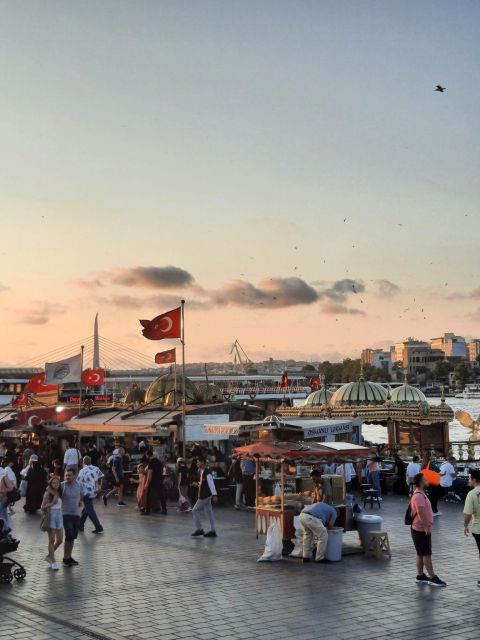
The biggest theme in the shopping experience is the guide quality. One review specifically praises a guide named Fettah as patient, well-informed, interactive, and someone who knew where to find good bargains. That same review highlights tea during the day and the way the guide helped negotiate and translate while staying patient through decision-making.
There’s a reason that matters so much in bazaars: shopping often becomes emotional. You’re tired, you want to move on, and a salesperson may push for quick commitment. A guide who can slow things down and keep you organized is what turns a stressful shopping day into a satisfying one.
Also, the tour includes stories along the way about Istanbul’s trading culture, the origins of the bazaars, and craft traditions passed down through generations. Even when you’re focused on shopping, those small context notes make it easier to understand what you’re seeing and why the products look the way they do.
Skip-the-line help, private group pace, and the reality of “shopping time”
The tour is private, and the price is listed per group up to 6. That matters for pacing. In a crowded market, a private plan means you can stop when you want, ask questions without being rushed, and move on when you’re ready.
The tour also includes skip-the-ticket-line support. Inside bazaars, there often isn’t the same kind of ticketing as a major monument, but the wording suggests you get assistance for any applicable entry steps or time-wasting queues.
What you should still expect: shopping is slow by nature when you’re trying to do it right. Eight hours is a good target, but wear comfortable shoes and plan for short rest moments. This is especially true if you’re adding in workshop visits and multiple markets.
Price and value: is $92 per group up to 6 fair?
The price is $92 per group up to 6 for an 8-hour private shopping tour. That’s relatively strong value if you can fill most of the group capacity. If you have:
- 6 people: the tour works out to about $15 per person
- 2–3 people: your per-person cost rises, but you’re still buying private guidance and pickup/vehicle time
You’re not just paying for walking around with a guide. You’re paying for pickup and drop-off (including cruise port and airport pickup is mentioned), air-conditioned transport, and a shopping assistance guide who can help you negotiate and spot quality. For many people, that’s the difference between buying a few good items and buying items you later regret.
The one item not included is lunch. If you budget for a meal during the day, your total cost stays predictable. If you don’t eat, you’ll feel it by hour six, so plan a break.
What to plan for: scarves, Sunday closures, and lunch
Two practical rules can change your day.
First, women need to wear a scarf to cover their head. Bring one you’re comfortable wearing, because it’s easiest when you’re not scrambling last minute.
Second, the Grand Bazaar is closed on Sundays. On those days, it’s replaced with Arasta Baazar or the Spice Bazaar. If you specifically want the Grand Bazaar atmosphere, check the day of the week before booking.
Lunch isn’t included. I’d treat meals as part of your shopping strategy: eat when you have a natural break, not when you’re already exhausted and grumpy.
Who should book this tour, and who might not love it
I’d especially recommend this for you if:
- You want authentic Turkish shopping with a guide who can help you negotiate
- You’re visiting Istanbul for the first time and want an organized plan
- You care about craft items like carpets, leather goods, and ceramics—not just cheap souvenirs
- You prefer a calmer pace versus joining a larger group
You might want a different style of shopping day if:
- You’re not interested in craft goods at all
- You only want quick browsing and you hate structured guidance
- You’re traveling with limited luggage and don’t want to carry purchases (the tour is great, but bazaars encourage shopping)
Should you book it?
Yes, if your goal is to shop in Istanbul with less stress and more confidence. This tour is built around the Grand Bazaar, the Spice Market, and real craft workshop stops, and it’s the kind of private guidance that can save you time and money when you’re comparing quality and negotiating in busy markets.
If you’re going on a Sunday, just remember the Grand Bazaar swap and plan around it. And if you’re picky about scarves and meals, bring what you need ahead of time and set aside time for lunch on your own.
FAQ
What’s the duration of the Istanbul Private Shopping Tour?
It lasts 8 hours.
Where does pickup and drop-off happen?
Pickup and drop-off are included from Galataport cruise port, hotels, and Airbnb locations in Istanbul. Pickup is also mentioned for airports IST and SAW.
Is lunch included?
No, lunch is not included.
What markets and workshops are part of the tour?
The tour includes the Grand Bazaar and the Spice Market (Egyptian Bazaar), plus visits to local leather stores, carpet workshops, and ceramic studios.
Do I need to wear a scarf?
Women need to wear a scarf to cover their head.
Is the Grand Bazaar open every day?
No. The Grand Bazaar is closed on Sundays. On those days, it is replaced with the Arasta Baazar or the Spice Bazaar.
What’s included in the price?
The price includes the private professional shopping assistance guide and hotel or cruise port pickup and drop-off with an air-conditioned vehicle.