REVIEW · FULL-DAY
Istanbul Private Full-Day Classics Tour with Options
Book on GetYourGuide →Operated by Los Picos Travel · Bookable on GetYourGuide
Istanbul’s icons come in one focused circuit. I love how this private format keeps the day organized around the city’s biggest sights, with skip-the-line entrance handling and real commentary rather than a rushed checklist. A possible drawback: if you want low-talk sightseeing, ask your guide to keep phone use to a minimum, since one past tour complaint pointed to too much cell time.
The second thing I like is the mix of power and everyday life. You get Topkapi Palace as the Ottoman sultans’ stage for nearly four centuries, then end in the Grand Bazaar’s long indoor maze where you can actually browse and soak up the market vibe at your own speed.
In This Review
- Key points before you go
- The morning plan: Hippodrome to Blue Mosque without the chaos
- Inside the Blue Mosque: domes, minarets, and blue tiles
- Topkapi Palace: Ottoman power told through rooms and objects
- The lunch break that keeps the day realistic
- Hagia Sophia: church to mosque to museum, and the building explains it
- Grand Bazaar after Hagia Sophia: how to enjoy the maze without getting lost
- Skip-the-line entrances and reserved tickets: where the value really is
- The guide matters: what the best moments look like
- Timing, walking, and what to watch for on a 6-hour day
- Who this tour fits best
- Should you book this Istanbul Classics private tour?
- FAQ
- What sites are included on the full-day tour?
- How long is the tour?
- Is hotel pickup included?
- Are entrance tickets included?
- Does the tour include skip-the-ticket-line access?
- Is lunch included?
- Which languages are offered for the live guide?
- Is Topkapi Palace open every day?
- Is transportation included between stops?
Key points before you go
- Hippodrome still leaves big clues: the Obelisk of Thutmose III and the Serpent Column are standout remnants of the Byzantine sports-and-social center
- Blue Mosque architecture you can count: 1 main dome, 8 secondary domes, 6 minarets, plus the blue tiles that give it its name
- Topkapi as a living timeline: built in 1459, used by Ottoman rulers for about 400 years, and made a museum in 1924
- Hagia Sophia’s faith-switch story is built in: started as an Eastern Orthodox church (537), became an imperial mosque after 1453, and later a museum
- Grand Bazaar scope is massive: 61 covered streets and more than 3,000 shops, built between 1455–1461
- Private guide, in English/French/German: live guidance plus reserved entrances (site admission is still extra)
The morning plan: Hippodrome to Blue Mosque without the chaos
This tour starts in the morning with the Hippodrome area, which is a smart choice if you like your first Istanbul landmarks to come with context. The Hippodrome was once the social and recreational center of Byzantine life, meaning this wasn’t just about chariot races. Even though only parts remain, the surviving monuments give you the feel for how grand the setting was.
Two pieces are worth paying attention to. The Obelisk of Thutmose III is a clear, dramatic marker of how the Byzantines borrowed and repurposed older symbolism. Nearby, the Serpent Column is the kind of landmark you remember because it looks mythic, even after centuries of wear and history layering.
From there, the Blue Mosque sits right beside the Hippodrome, so you don’t waste time crisscrossing the city. The location matters because the buildings in this part of Istanbul all “talk” to each other visually—domes, minarets, and monuments frame the same patch of skyline from different eras.
You can also read our reviews of more private tours in Istanbul
Inside the Blue Mosque: domes, minarets, and blue tiles
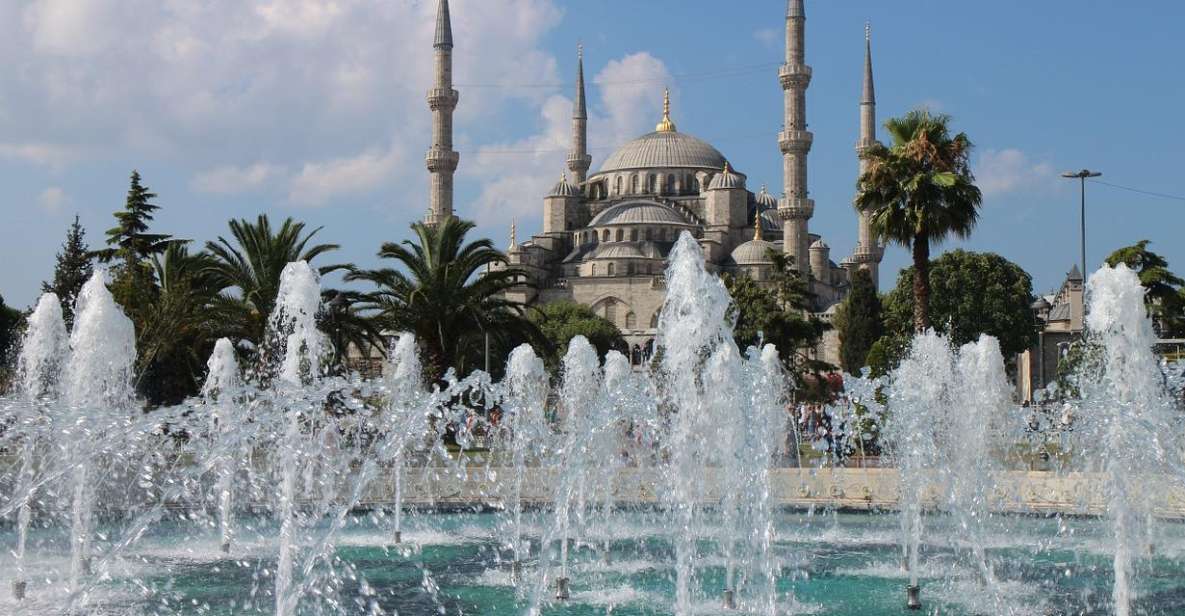
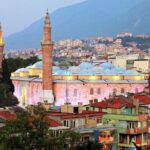
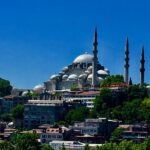
The Blue Mosque, also called the Sultan Ahmed Mosque, is one of those places where the exterior looks like a postcard, but the details reward you for slowing down. The scale is built into its design. You’ll see 1 main dome and 8 secondary domes, plus 6 minarets, and the famous blue-tile decoration that gives the mosque its common name.
A private guide helps here because the building isn’t just pretty. It’s a statement. It was built during the reign of Ahmed the First, and it continues to function as a mosque, which makes it more than a museum stop. That matters for your expectations: you’ll want to be respectful, quiet where needed, and ready to follow any in-place entry rules.
If you’re the type who likes to understand what you’re looking at, this is a great start. You leave the Blue Mosque with a set of “visual facts” you can spot again later—domes, proportions, and how the skyline is constructed to be seen from many angles.
Topkapi Palace: Ottoman power told through rooms and objects
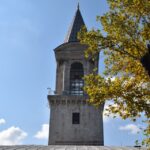
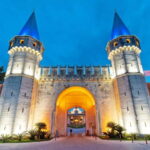
After the Blue Mosque, the tour heads to Topkapi Palace, which dates to 1459. This is the Ottoman side of the story, and it’s a big one. The palace served as the primary residence of Ottoman sultans for nearly four centuries, and in 1924 it became an official museum—so you’re looking at governance history turned into curated public space.
Topkapi can feel overwhelming on your own because the grounds are large and the buildings are many. With a private guide, you get an order to the day and less guesswork about what to prioritize first.
What I like about this stop is that you’re not just seeing architecture. You’re also shown the kinds of things a royal household collected and displayed. Expect a collection featuring imperial and Ottoman utensils, relics, caftans, and portraits of the sultans. That mix is practical for your understanding: palace history becomes tangible, not abstract.
One caution: Topkapi is closed on Tuesdays. If your trip lands on a Tuesday, you’ll need to rethink the plan, because the tour specifically includes it and the closure can throw off the flow of the day.
The lunch break that keeps the day realistic
Between Topkapi and Hagia Sophia, the itinerary builds in a lunch break. Lunch isn’t included, but your guide will recommend restaurants where you can eat Turkish cuisine.
This is a good setup because you’re staying in a sightseeing zone where it’s easy to wander into places that are convenient but not always great. The guide’s local suggestions help you choose faster and avoid long detours while you’re already on a tight schedule.
My practical advice: ask your guide what dishes are most worth your time that day, and aim for something you can eat without losing too much momentum. A short, filling lunch beats a long sit-down if you want Hagia Sophia to still feel fresh instead of rushed.
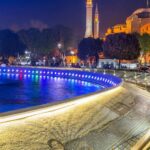
Hagia Sophia: church to mosque to museum, and the building explains it
Hagia Sophia is the kind of place where the timeline is physically visible. This tour gives you the main turning points so you can read the building like a historical document.
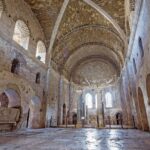
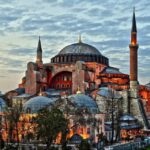
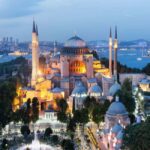
It was first built in 537 as an Eastern Orthodox church. Then, after the Ottoman Turks conquered Constantinople in 1453, the hall was transformed into an imperial mosque. A few centuries later, it was converted into a museum. That sequence is more than trivia. It helps you understand why the space looks the way it does and why different layers of meaning appear together.
When you step inside, you’ll likely notice the scale first—then the patterns and structure. A guided explanation helps you connect the dots without needing a personal archaeology degree. The result is that Hagia Sophia stops being just a famous photo and becomes a living story about power, faith, and cultural change.
If you’re visiting Istanbul for the first time, this stop is also a calibration point. It sets your “lens” for the day: you start understanding that Istanbul’s identity is built on shifting eras, not just a single timeline.
You can also read our reviews of more tours and experiences in Istanbul

Grand Bazaar after Hagia Sophia: how to enjoy the maze without getting lost
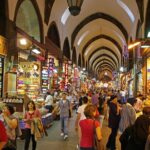
The Grand Bazaar is a classic Istanbul finale because it moves you from monumental architecture to everyday life. The bazaar is one of the oldest and largest covered markets in the world, made up of 61 covered streets and more than 3,000 shops offering almost anything you might need.
It’s also historically grounded: the bazaar was built during 1455–1461 as part of the walled city. That timing means you’re not just shopping in a modern commercial zone—you’re walking through an old trade system that has been serving people for centuries.
Here’s how I’d use your time in this section. Go in with a loose plan: pick one or two categories you actually want to browse (spices, textiles, small souvenirs), then slow down and enjoy the atmosphere between shops. Don’t try to see everything. The Grand Bazaar is big enough that “everything” is mostly a myth.
Private guides can also help with direction. If you ask for a quick orientation route first, you avoid the feeling of wandering in circles. After that, you can browse with less stress and more curiosity.
Skip-the-line entrances and reserved tickets: where the value really is
The tour includes pre-reserved entrance tickets, but there’s an important detail: the value of the entrance must be paid to your guide as extra. Admission fees are listed as not included, so you should budget for site entry on the day. The upside is that your tickets are arranged ahead of time, so you’re not stuck in the same lines as everyone else.
That’s where the pricing can start to make sense. The listed price is $244 per group up to 1, which means you’re paying for a truly private experience and the structure that comes with it: a guide guiding your order of visits, helping you understand what matters, and handling reserved entry.
Is it a bargain? Not automatically. Private tours rarely are. But for major sites like Blue Mosque, Topkapi, and Hagia Sophia, time lost to lines and confusion can be the real cost. If you want to see the classics with fewer interruptions and more context, this format is often the better use of your limited day.
The guide matters: what the best moments look like
The biggest strength of this tour is your guide. One past guide named Salim was singled out for being both fun and very good at keeping kids’ energy managed as the day shifted. Another guide was praised for offering serious insights connecting historic, cultural, and theological influences to what you were actually seeing in the buildings.
That style is practical. When a guide explains why a dome was designed a certain way, or how a site changed hands, you get more than facts. You get a framework that keeps you oriented even when the crowds thicken.
A note to keep expectations aligned: one review mentioned a guide being on a cell phone too much for a personal tour. On a private day, you’re paying for attention. If phone time is a deal-breaker for you, it’s totally fair to set a friendly expectation early in the tour.
Timing, walking, and what to watch for on a 6-hour day
This is a 6-hour private tour with a morning start, and start times depend on availability. That schedule can work well if you’re trying to hit Istanbul’s top monuments in one day without turning it into a full-day sprint.
Hotel pickup is listed as available on foot. That usually means you should plan on being in a relatively close area to the meeting point. If you’re far away, you may need to factor in how you’ll reach the start without adding extra stress.
Transportation is not included. So you’ll likely cover some distances by foot and possibly need to pay for any transit used between stops. The key for your planning is simple: assume this day may include walking and short moves, and keep comfortable shoes in the top of your bag.
Finally, remember the Topkapi closure on Tuesdays. If you’re planning around that day, check ahead so you don’t show up to a dead end.
Who this tour fits best
This full-day classics tour is a strong match if:
- You want a private guide who keeps the day organized and gives meaning to what you see
- You’re interested in how faith and empires shaped the same city blocks over time
- You’d rather pay for structure than spend your day figuring out order, entrances, and explanations on your own
- You’re traveling with kids and appreciate a guide who can manage energy levels
It may be less ideal if you:
- Want minimal talking and mostly self-guided wandering
- Are sensitive to phone distractions during a paid private experience
- Are visiting on a Tuesday and Topkapi is a must for your itinerary
Should you book this Istanbul Classics private tour?
I’d book it if your goal is one clean, guided day that hits the big Istanbul icons in a smart order: Hippodrome remnants, the Blue Mosque, Topkapi Palace, Hagia Sophia, and then the Grand Bazaar. The best part isn’t just seeing famous buildings. It’s getting a guide to connect the dots so those monuments stop feeling like separate stops and start feeling like one story.
I’d think twice if your travel style is mostly independent, because this is built around a guided flow and reserved entry. And if your dates include Tuesday, double-check how you’ll handle Topkapi being closed.
If you’re aiming for value in time, not just in price, this tour is a practical way to spend a limited day in Istanbul.
FAQ
What sites are included on the full-day tour?
You’ll visit the Hippodrome, the Blue Mosque (Sultan Ahmed Mosque), Topkapi Palace, Hagia Sophia, and the Grand Bazaar.
How long is the tour?
The duration is 6 hours, with starting times depending on availability.
Is hotel pickup included?
Yes. Pickup is available from your hotel on foot.
Are entrance tickets included?
Pre-reserved entrance tickets are included, but the value of the entrance must be paid to your guide as an extra. Admission fees are listed as not included.
Does the tour include skip-the-ticket-line access?
Yes. The tour includes skip the ticket line.
Is lunch included?
No. Lunches are not included, but your guide will recommend restaurants after the Topkapi visit.
Which languages are offered for the live guide?
The live guide is available in English, French, and German.
Is Topkapi Palace open every day?
No. Topkapi Palace is closed on Tuesdays.
Is transportation included between stops?
Transportation is not included. The tour includes pickup on foot, but any additional transport costs would be on you.