REVIEW · BLUE MOSQUE TOURS
Istanbul: Hagia Sophia and Blue Mosque Tour with Tickets
Book on GetYourGuide →Operated by Istanbul E-pass · Bookable on GetYourGuide
Hagia Sophia hits you fast. This tight guided walk turns three major landmarks into one easy story, with enough time inside to actually see what you came for. I like how the guide connects the dots between Orthodox Christendom, Ottoman Istanbul, and the city’s public arena culture.
Two things I especially enjoy are the stop at Hagia Sophia (including its mind-bending scale and layered religious meanings) and the Blue Mosque interior, where the famous tilework is the main event. The “why it looks like that” explanations make the monuments feel less like museum labels.
One practical drawback: you’re visiting sites with real security and strict dress rules. Even with ticket assistance, expect waits during peak season, and you’ll walk a bit over uneven ground.
In This Review
- Key highlights to look for
- A smart way to do the Sultanahmet core in 2.5 hours
- Where you meet and how to show up without stress
- Hagia Sophia: the 1500-year anchor of two faiths
- Sultanahmet Mosque (the Blue Mosque): tiles, rules, and the naming puzzle
- The Hippodrome and the Obelisk of Theodosius: why this square mattered
- Lines, timing, and what “skip” really means
- Price and value: what $48 buys you
- Who this tour suits best (and who should think twice)
- Should you book this Hagia Sophia and Blue Mosque tour?
- FAQ
- How long is the tour?
- What’s included in the price?
- Where do I meet the guide?
- What sites does the tour visit?
- Is there a skip-the-line benefit?
- What should I bring or wear?
- Is the tour suitable for wheelchair users?
Key highlights to look for
- Hagia Sophia’s rapid build story: finished in about 5 years, and it held the biggest-dome record for centuries.
- Blue Mosque tile details: you’ll learn what Iznik tiles are and why the interior reads as blue-blue-blue.
- Ottoman naming logic: the Sultanahmet names are tied to who funded the mosque and even the area.
- Hippodrome photo moment: the Obelisk of Theodosius ties the Byzantine showmanship to much older Egypt.
- Guide-led timing: the route is paced to reduce dead time and keep explanations flowing.
A smart way to do the Sultanahmet core in 2.5 hours
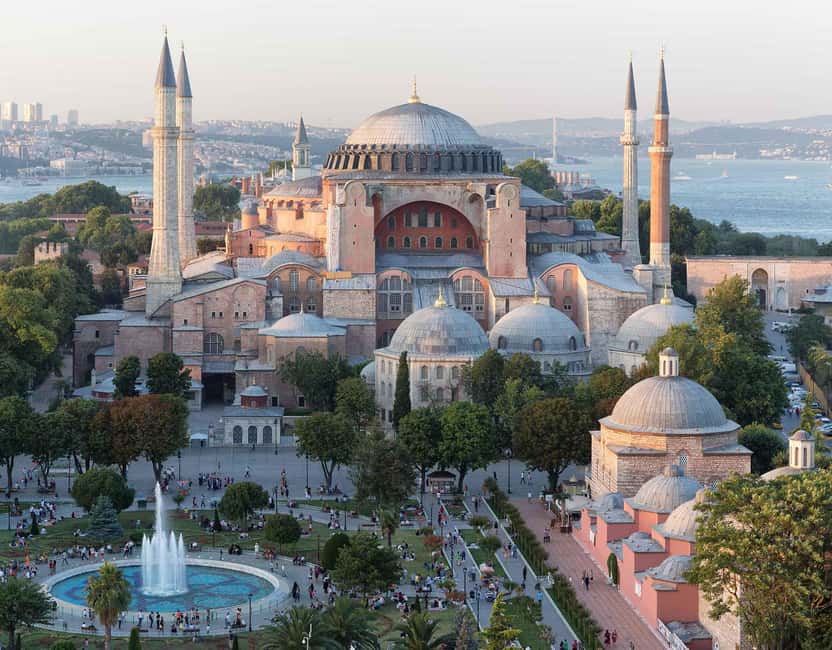
This tour is built for people who want the headline sites without turning your day into a slog. At 2.5 hours total, you’ll spend your time where you’ll actually benefit from a guide: inside Hagia Sophia, inside the Blue Mosque, and then a short walk and photo stop at the Hippodrome.
The pacing is the real value. Hagia Sophia gets about an hour of guided time, the Blue Mosque about 45 minutes, and the Hippodrome around 30 minutes with photos plus walking. That’s just enough to understand what you’re looking at before the next group (or your own feet) takes over.
You can also read our reviews of more tours and experiences in Istanbul


Where you meet and how to show up without stress
Meeting is simple, but you’ll want to be early. The guide holds a white flag with the Istanbul E-pass logo at the Double Decker Sightseeing Tourist Bus Stop across from Hagia Sophia, tied to the Busforus Istanbul / hop-on hop-off area.
Wear comfortable shoes. This is not a sit-down tour, and the mosques and surrounding areas can be uneven underfoot.
Bring a headscarf. This tour specifically calls it out, and the dress rules are strict enough that ignoring them can slow you down at the door. Shorts, short skirts, and flash photography are not allowed, and you also shouldn’t bring baby strollers, backpacks, or similar bulky items.
Hagia Sophia: the 1500-year anchor of two faiths
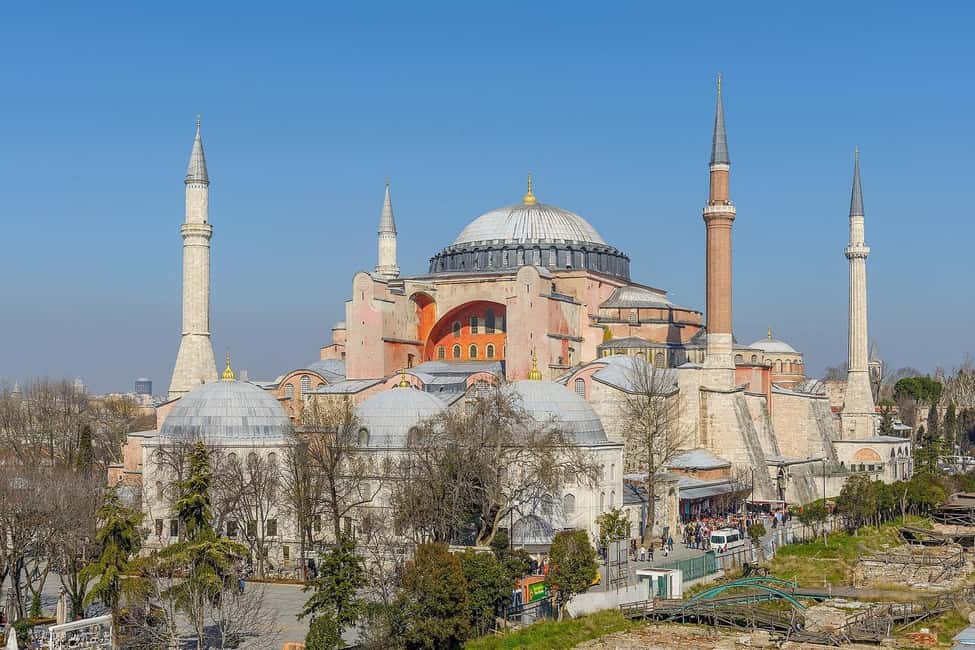
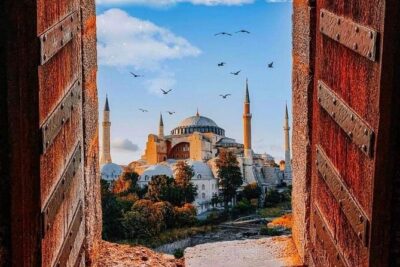
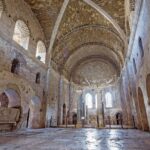
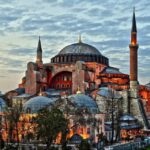
Hagia Sophia is the kind of place where the scale reaches you before the story does. You’re walking into a building that’s been standing in the same spot for about 1500 years, serving as a top temple for two religions and changing roles after major historical turning points.
What I love about the way this tour frames it is the clear timeline. You’ll hear how it became the headquarters of Orthodox Christendom, later how it became the first mosque in Istanbul after conquest, and how it connects to imperial ceremony. The guide also emphasizes a practical detail: this building was constructed within only 5 years, which helps you feel the speed behind its grandeur.
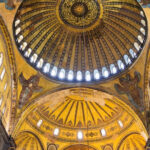
Inside, you’ll get pointed attention on the dome. The tour highlights the dome’s measurements (about 55.60 meters high and 31.87 meters in diameter) and the claim that it held the biggest-dome record for around 800 years. Even if you don’t measure it with your own tape, the comparison gives you a way to understand why people have used this place as a standard-bearer for centuries.
One of the tour’s more interesting details is the idea of religions shown side by side. That theme matters here because Hagia Sophia isn’t only about architecture; it’s about how power, faith, and art overlap in one physical space. You’ll also connect the dots between the building as a coronation place for Roman emperors and as a meeting place for the sultan and his people.
The main drawback at Hagia Sophia is time pressure from lines and security. The tour doesn’t eliminate the wait; it just keeps you engaged while you’re standing there. If you hate waiting, plan to be patient for the day’s first big checkpoint.
Sultanahmet Mosque (the Blue Mosque): tiles, rules, and the naming puzzle
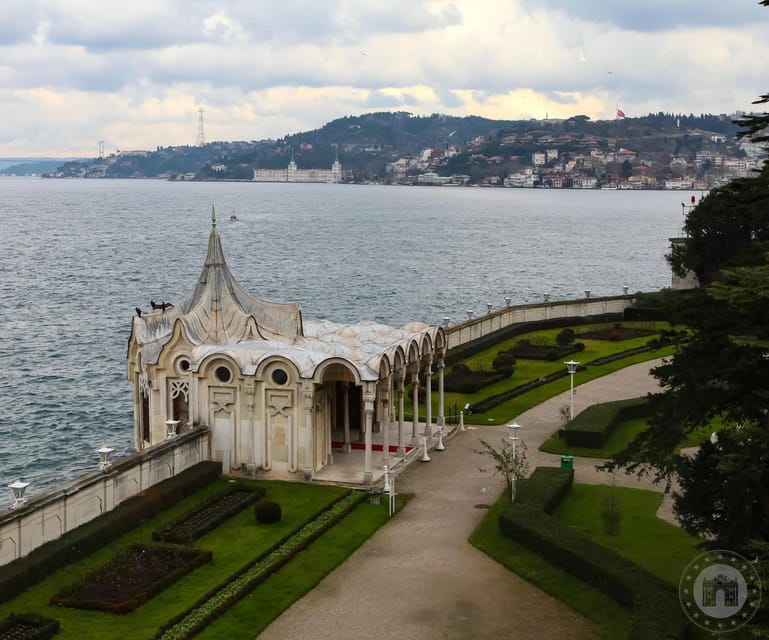
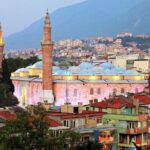
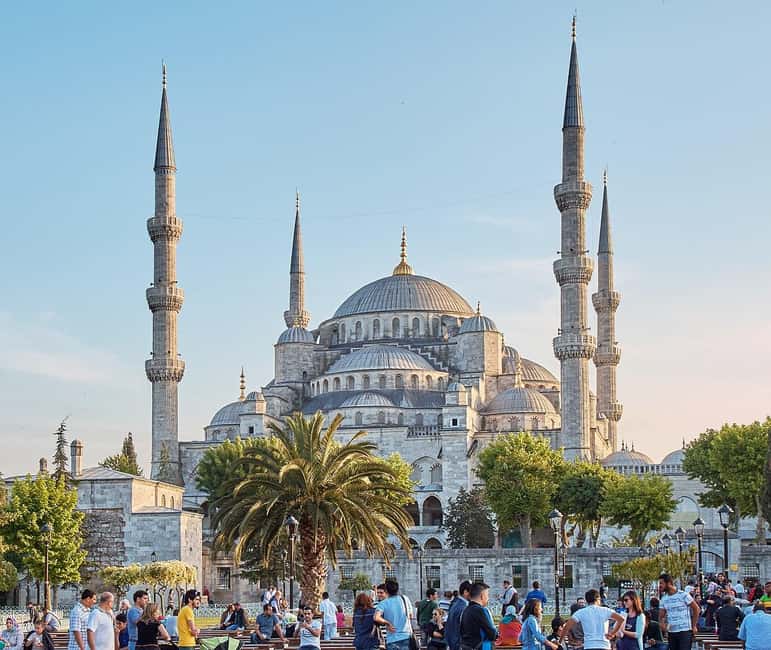
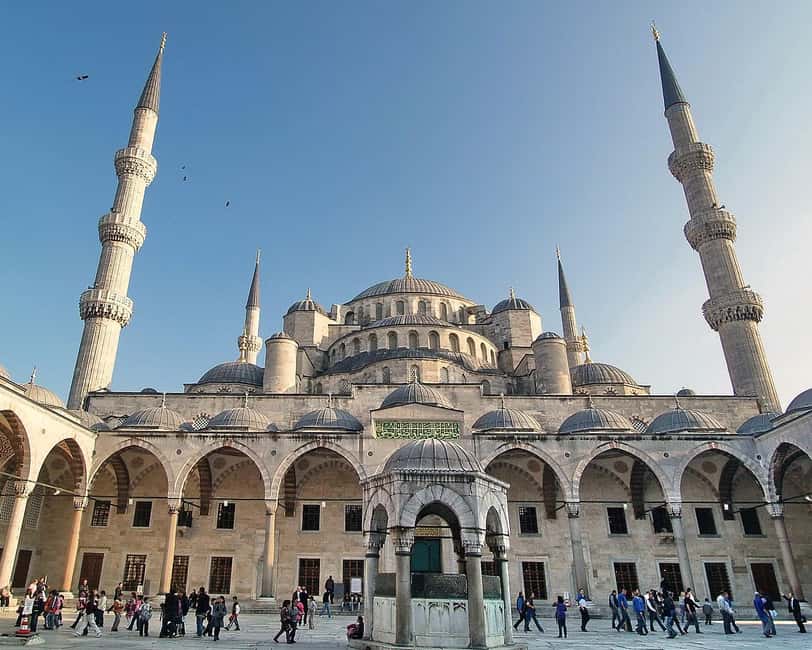
The Blue Mosque is Istanbul’s most famous mosque for a reason, but the best part is how quickly the guide turns your attention to the details that actually matter. You’ll focus on the interior tilework, often described as blue, and you’ll learn how the design became the reason for the nickname.
Here’s what you’ll appreciate: the tour explains that the tiles used inside come from Iznik, Turkey’s best-known tile-producing city. That detail gives you a deeper appreciation than simply noticing color. It turns “pretty walls” into a story about craft, supply, and why the interior feels so intentional.
You’ll also hear the Ottoman naming logic, which is surprisingly useful for navigating Sultanahmet. The tour shares a simple rule: many mosques were named based on the order and money given for construction. So names can refer to the person who funded the building, not just the neighborhood.
Then comes an extra bit that helps you keep the area straight: the tour points out that there are three Sultanahmets—one is the mosque, one is the sultan associated with the construction, and one is the Sultanahmet area. Once you know that pattern, the names around you stop feeling random.
Spend the full 45 minutes wisely. In this kind of mosque visit, the difference between a quick glance and a satisfying visit is whether you look up. The guide’s job is to cue your eyes, not rush you. That’s especially helpful if you’re not a “read every inscription” type of person.
The Hippodrome and the Obelisk of Theodosius: why this square mattered
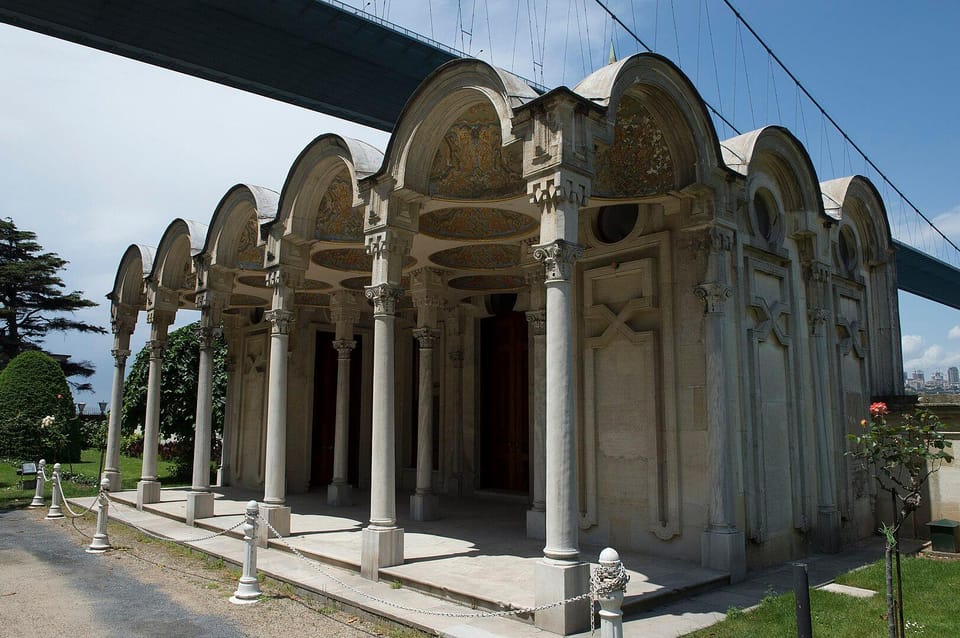
After the mosques, the tour shifts from worship spaces to public performance space. The Hippodrome of Constantinople sits in what is now Sultanahmet Square, and the tour frames it as a long-running stage for public life.
This arena originally dates to the 3rd century CE, linked to Roman Emperor Septimius Severus, and later expanded in the 4th century under Emperor Constantine the Great. The result is a place that’s less about one single monument and more about understanding how Byzantium made politics, entertainment, and crowd energy part of daily life.
You’ll get a guided walk and a photo stop, not a full archaeological dig. That’s a good match for the tour length. You’re there to catch the meaning of the space and connect it to the artifacts you can spot today.
The standout element highlighted here is the Obelisk of Theodosius, a towering Egyptian relic brought in during the 4th century. That’s a fantastic detail because it shows how Constantinople worked as a collector city, pulling symbols from elsewhere to amplify local prestige. Standing near it, you’ll feel how an “old rock” can carry layers of empire.





Lines, timing, and what “skip” really means
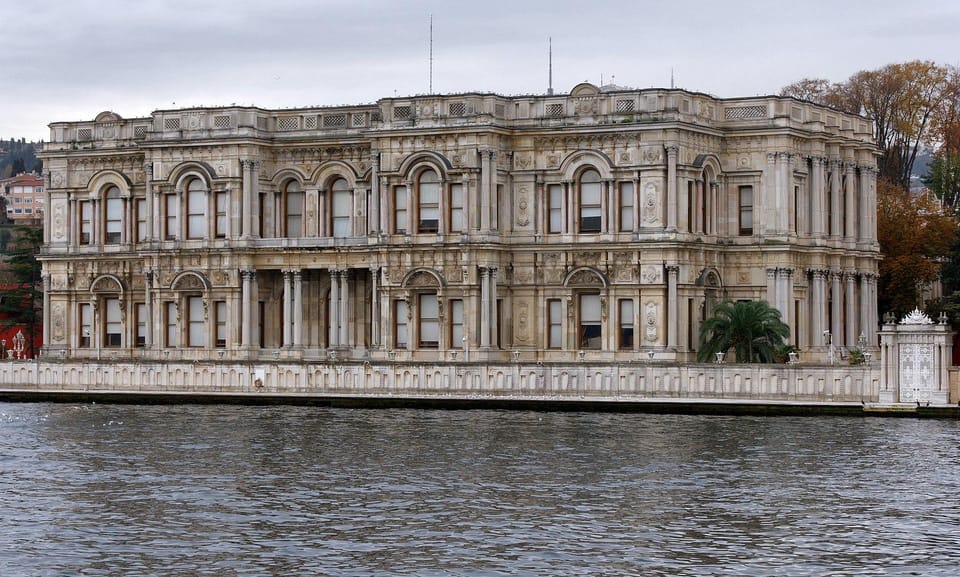
Let’s be real: Hagia Sophia and the Blue Mosque can come with serious lines in peak season. This tour has a ticket-line assistance angle, but it’s important to understand the trade-off.
The tour’s note is clear: skip-the-lines service isn’t offered for Hagia Sophia and Blue Mosque in the way you might hope. During busy periods, security might take around 45 minutes of waiting. The good news is that the guide keeps you busy with stories and facts while you stand in line, so your time doesn’t disappear completely.
This is one of the places where having a guide actually matters. Without a guide, waiting can feel like wasted time. With a guide, you often learn what you’re waiting for, and suddenly the building’s significance becomes part of the experience, not just the destination.
Price and value: what $48 buys you
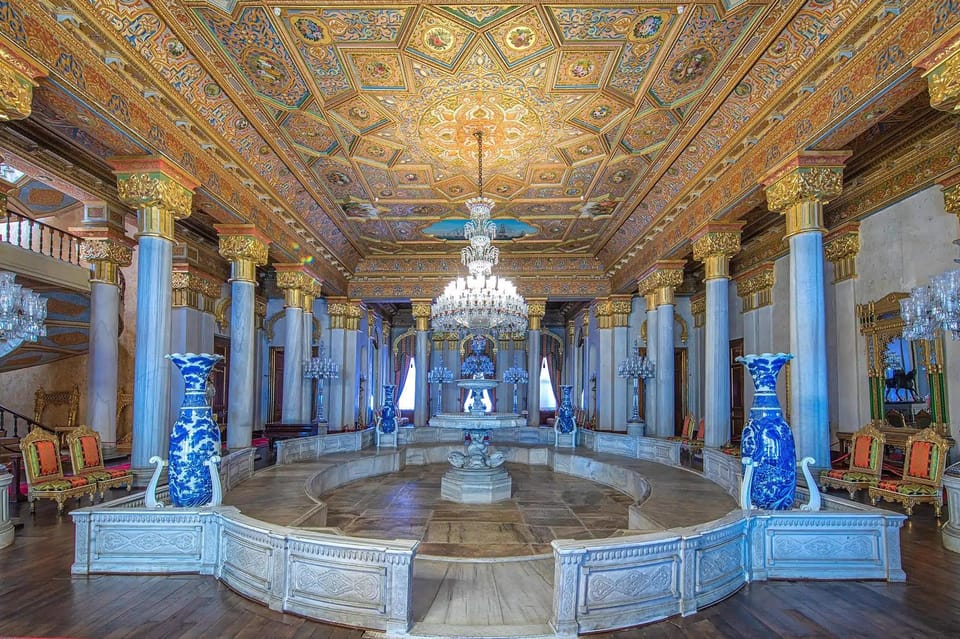
At $48 per person for a 2.5-hour guided walk, this tour lands in the “efficient and fair” category. You’re paying for three things:
- A professional English-speaking guide who gives you structure, not just directions.
- An entrance ticket to Hagia Sophia included in the price.
- A guided, timed route that fits the Sultanahmet core without forcing you to research each stop alone.
If you’re doing Istanbul for the first time and you only have limited daylight, this price can make sense because you’re buying time-savings and interpretation. You’re also avoiding the hassle of coordinating multiple tickets and deciding how much time to spend inside each site.
One optional add-on exists: the tour can include an entrance ticket to the Basilica Cistern if that option is selected. If you like the idea of adding another “wow” interior without planning it from scratch, it’s worth considering, especially since the cistern pairs well with the city’s old-water-and-imperial design vibe.
Who this tour suits best (and who should think twice)
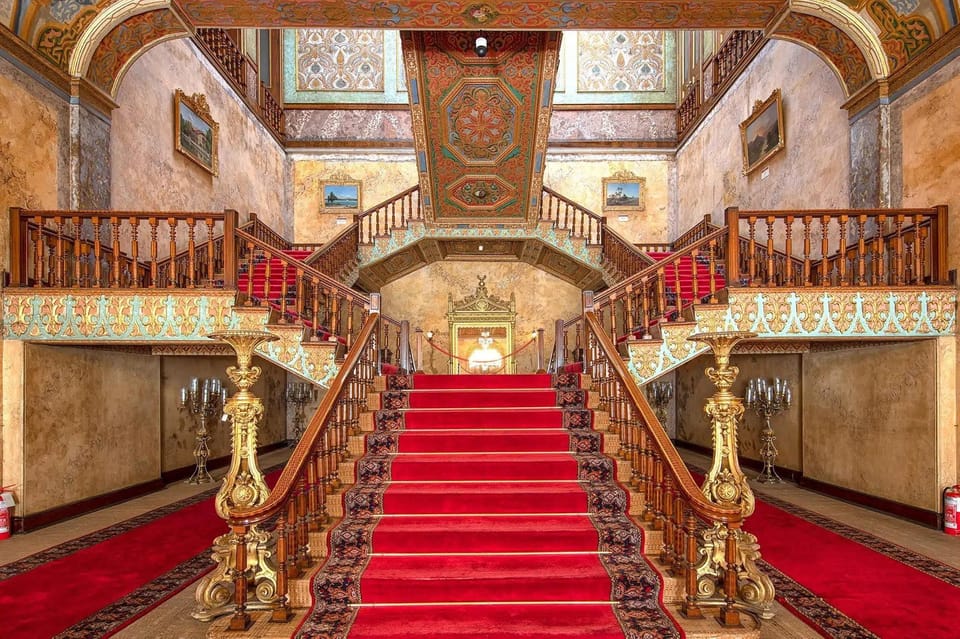
This tour is a great match if you want a guided hit of the big three: Hagia Sophia, the Blue Mosque, and the Hippodrome. It’s also good for first-timers who like learning as they walk, rather than spending hours building an itinerary from scratch.
It’s less ideal if you need a lot of mobility support. The tour is listed as not suitable for wheelchair users. It’s also not suitable for people with pre-existing medical conditions, likely because of walking and the environment around major monuments.
Group size can vary. You’ll be standing in line at busy sites, and that’s where guide skill really shows—keeping the group focused and moving at the right pace.
Should you book this Hagia Sophia and Blue Mosque tour?
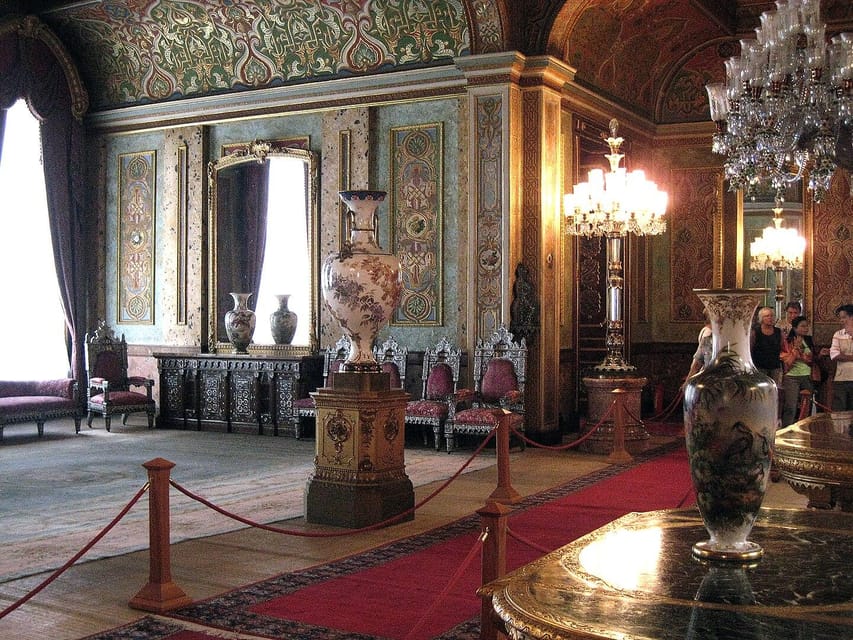
If you want Istanbul’s most famous landmarks with a guide to explain what you’re seeing, I think this booking makes sense. The value is strongest when your time is limited and you’d rather get the key stories in a single afternoon than assemble them yourself.
Book it if you:
- Have about half a day to spend in Sultanahmet.
- Want guided attention inside Hagia Sophia and the Blue Mosque.
- Prefer a structured plan with a guide holding you to a realistic pace.
Skip it or rethink it if you:
- Hate waiting through security lines and aren’t okay with peak-season delays.
- Need full accessibility support, since it’s not suitable for wheelchair users.
- Don’t want any mosques as part of your day, since dress rules apply.
Bottom line: this is a practical way to turn “I saw the big stuff” into “I understood what I saw,” especially when you follow the dress code, wear good shoes, and bring patience for the first big checkpoint.
FAQ
How long is the tour?
The tour lasts about 2.5 hours.
What’s included in the price?
You get a professional English-speaking guide, an entrance ticket to Hagia Sophia, and (if you select the option) an entrance ticket to the Basilica Cistern. Food and drinks are not included.
Where do I meet the guide?
Meet at the Double Decker Sightseeing Tourist Bus Stop across from Hagia Sophia. The guide will be holding a white flag with the Istanbul E-pass logo. This is also associated with the Busforus Istanbul (hop-on hop-off tours) area.
What sites does the tour visit?
You’ll visit Hagia Sophia, the Sultanahmet (Blue) Mosque, and the Hippodrome of Constantinople (with a photo stop and guided walk).
Is there a skip-the-line benefit?
The tour says skip the ticket line, but it also notes that skip-the-lines service is not offered at Hagia Sophia and Blue Mosque. In peak season, security lines can require around 45 minutes of waiting.
What should I bring or wear?
Bring comfortable shoes and a headscarf. Shorts, short skirts, baby strollers, flash photography, and backpacks are not allowed.
Is the tour suitable for wheelchair users?
No. The tour is listed as not suitable for wheelchair users. It’s also listed as not suitable for people with pre-existing medical conditions.