REVIEW · GUIDED
Istanbul: Fener & Balat Guided Tour through Colored Streets
Book on GetYourGuide →Operated by Fenerwalks · Bookable on GetYourGuide
Fener and Balat look like Instagram, but the real story is older. This guided 3-hour stroll explains why this part of Istanbul is famous for colored streets and also why many houses feel abandoned now. You’ll walk a hill, see churches tied to different Orthodox communities, and learn how Greek, Jewish, Bulgarian, and Turkish life overlapped over centuries.
Two things I like a lot: first, the tour is led by a local historian guide who tells the context like a narrative, not a checklist. Second, you get inside major stops like St. George Church and Sveti Stefan Church, not just exterior photos. One consideration: it’s a walking tour with church clothing rules and short time windows at each stop, so if you want long hangs in cafés or shops, plan to return on your own.
In This Review
- Key highlights worth prioritizing
- Fener and Balat: where Istanbul’s empires meet everyday life
- Price and value for 3 hours at about $15
- Getting to the meeting point at the Fener seaside bus stop
- The walk starts with Renkli Merdivenler (colored stairs) and fast orientation
- St. George Church: the Ecumenical Orthodox connection you can step into
- Virgin Mary Greek Orthodox Church: small stop, strong context
- The Special Fener Greek High School: why schooling shows up in street history
- Coloured Houses of Balat: Balat’s street look, plus the “why” underneath
- Ahrida Synagogue stop: the Jewish layer of Balat
- Sveti Stefan Church: the prefabricated church you came to see
- Church clothing rules: how to avoid problems at the door
- Pace, timing, and the one drawback to watch for
- Who this tour fits best (and who might prefer something else)
- The guides make the stories click (Yunus, Kubra, and more)
- Should you book this Fener & Balat colored streets tour?
- FAQ
- FAQ
- How long is the Fener and Balat guided tour?
- How much does the tour cost?
- Where do I meet the guide?
- What’s the easiest way to reach the meeting point from Eminönü?
- Are there any clothing rules for the churches?
- Is the tour fully outdoors?
- Which major sites does the tour include entry for?
- Is food included?
- Is the tour suitable for wheelchair users?
Key highlights worth prioritizing
- Guided by local historian guides who connect the streets to big historical shifts
- Inside St. George Church for the Ecumenical Orthodox story tied to Istanbul
- Inside Sveti Stefan Church, described as the last standing prefabricated church in the world
- Renkli Merdivenler for stairway color and quick photo opportunities
- Ahrida Synagogue area for the Jewish layer of Balat’s past and present
- Learn the Greek town stories of Fener from story-teller style guides
Fener and Balat: where Istanbul’s empires meet everyday life
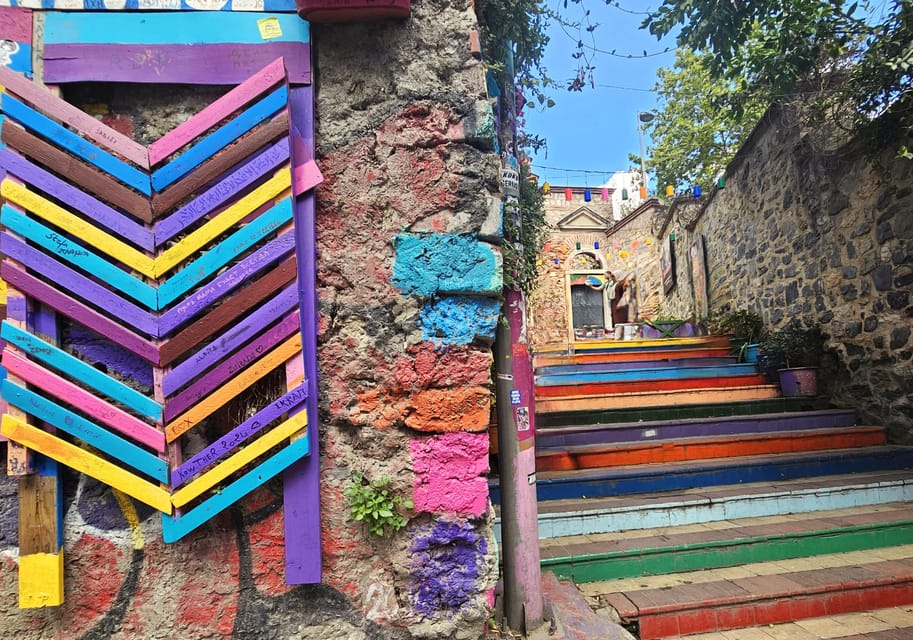
Most Istanbul plans sprint straight to the big icons. This one slows you down in a smaller pocket where people built community with whatever space and power they could get. Fener and Balat are known for painted façades, stairways, and little cafés. But the magic isn’t only the color. It’s the mix of religions and nationalities that once lived side by side here, then shifted over time.
Think of it like a neighborhood history book you can walk through. One minute you’re standing by bright stairs, the next you’re hearing why a church exists where it does, and why certain buildings changed fortunes. That’s what makes this tour feel different from a standard sightseeing loop.
You can also read our reviews of more guided tours in Istanbul


Price and value for 3 hours at about $15
At around $15 per person for a 3-hour guided walk, the value comes from the combination: you’re paying for a guide’s explanations plus paid entries at key religious sites. If you try to cover Fener and Balat solo, you’ll probably see the color fast—but you might miss why so many landmarks matter.
Also, this is not a long day tour with constant transit. You’re on foot. That means you’re using the time you pay for to actually experience the streets, the viewpoints, and the architectural contrasts.
One small downside to keep in mind: the pace is structured, so you won’t have hours inside churches or browsing every shop. For many people, that’s ideal. If you’re a slow photographer, you’ll want to buffer your expectations.
Getting to the meeting point at the Fener seaside bus stop
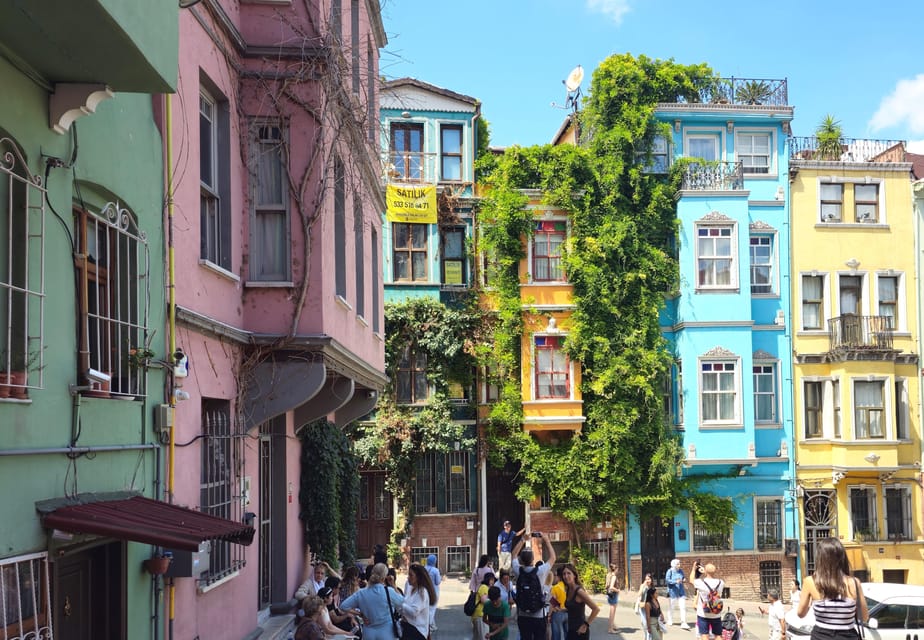
You meet the guide next to the Fener bus stop by the seaside, about a 2-minute walk from Nakış Cafe. That’s an easy target once you’re in the area, but getting there can be a little fiddly depending on where you start.
Here are the practical routes described:
- From Eminönü: take tram T5 to Fener Tram Station, then walk about 3 minutes to the bus stop in the Balat direction.
- From Eminönü by bus: you can walk 300–500 meters to the bus station, then use bus numbers 99 / 99A / 99Y / 36CE to the FENER stop.
- From Taksim: take the underground bus 55T to Fener.
- From Karaköy: don’t take bus numbers 99 / 99A / 99Y because their last stop is Eminönü and they restart after dropping people off there.
If you’re unsure, the simplest move is usually tram to Fener, then follow the short walk to Nakış Cafe and the nearby seaside bus stop.
The walk starts with Renkli Merdivenler (colored stairs) and fast orientation
Right away, you’re in Renkli Merdivenler, the stairway zone that’s basically a poster for Fener’s color. You’ll get a brief break and time for a photo stop before the guided portion kicks in.
Why this first stop matters: it gives you your visual anchor. Once you’ve looked at the stair patterns and house colors, the rest of the neighborhood stops feeling random. You start noticing design, spacing, and how the streets slope.
You’ll also climb a hill on the way to the tour. So wear shoes that handle uneven pavement and steep grades. This isn’t a stroller-friendly outing either; it’s not suitable for wheelchair users.
St. George Church: the Ecumenical Orthodox connection you can step into
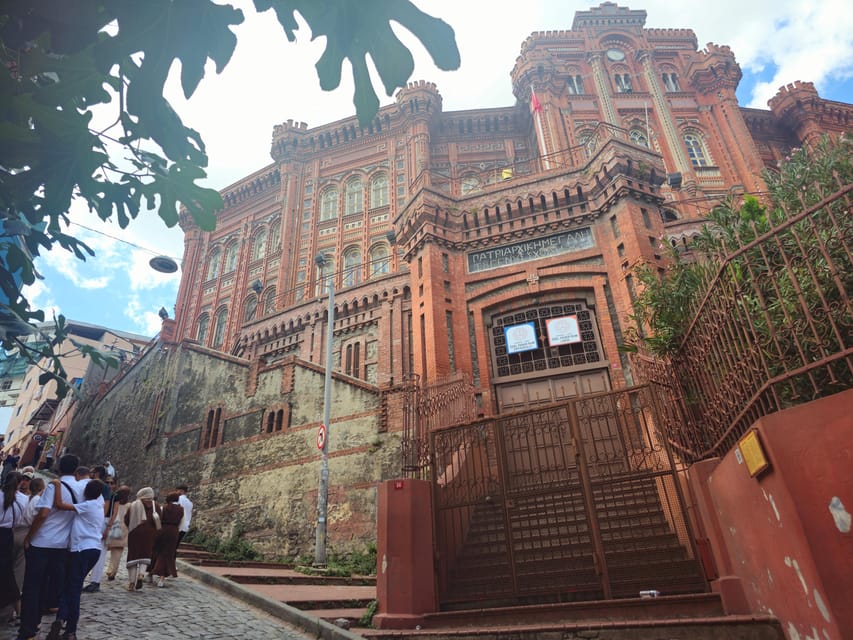
One of the biggest reasons to book this tour is that you don’t just stand outside. You enter St. George’s Cathedral (St. George Church) for a guided visit.
This is presented as part of the Ecumenical Orthodox community story. You’ll hear how Istanbul became a magnet for different faith traditions under changing rulers—then how churches and communities responded to those shifts. If you’ve only learned Istanbul through the most famous mosques, this is the side of the city that changes your perspective quickly.
Practical note: church entry comes with clothing expectations. Plan ahead (more on that below), or you risk losing time or being turned away.



Virgin Mary Greek Orthodox Church: small stop, strong context
Next you’ll pass by and photo-stop around the Virgin Mary Greek Orthodox Church area, with guided commentary as you walk. The visit window is shorter here than at St. George, but it still helps build the thread: Orthodox history in Fener isn’t one building. It’s a network of institutions, neighborhoods, and family histories.
If you like architecture, look at the transition from street life to sacred space. You’ll get that sense here more than in many quick tours.
The Special Fener Greek High School: why schooling shows up in street history
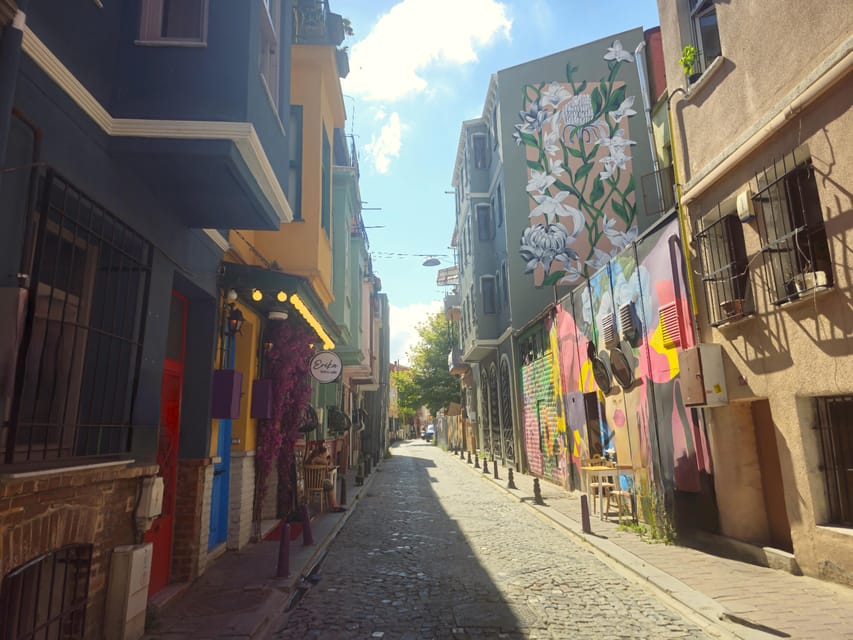
You’ll also see the Special Fener Greek High School area. There’s a photo stop, guided walk, and short sightseeing time, plus a pass-by stretch that helps you understand the neighborhood’s layout.
This stop is surprisingly useful because it connects the dots between community life and institutions. Schools are where culture gets preserved—language, religion, traditions—especially in places where political winds change. You’ll also hear comparisons people make to other famous schooling myths, just as a way to help you remember what was special about this Greek school setting.
Coloured Houses of Balat: Balat’s street look, plus the “why” underneath
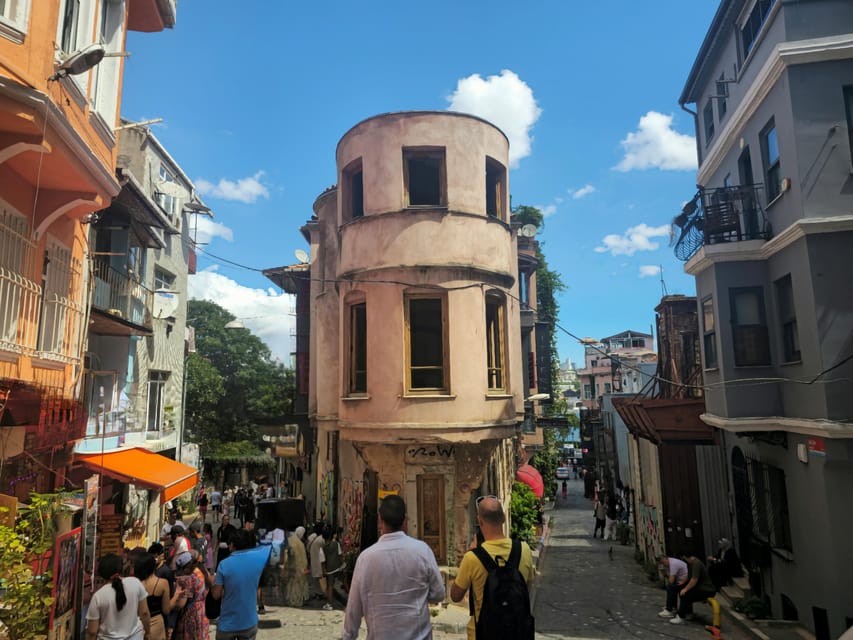
Then you shift into Balat’s signature scene: colored houses. You’ll have a short break and photo time, plus guided walking through the Balat area.
Balat is where you feel the contrast. The streets can look like a cheerful postcard, but the guided story explains why some houses are now empty or worn down. That’s the part that turns color from a gimmick into an information source.
If you’re into photography, this is where you’ll want to slow your steps. But remember: you may not have a ton of time at each exact corner, so move with purpose.
Ahrida Synagogue stop: the Jewish layer of Balat
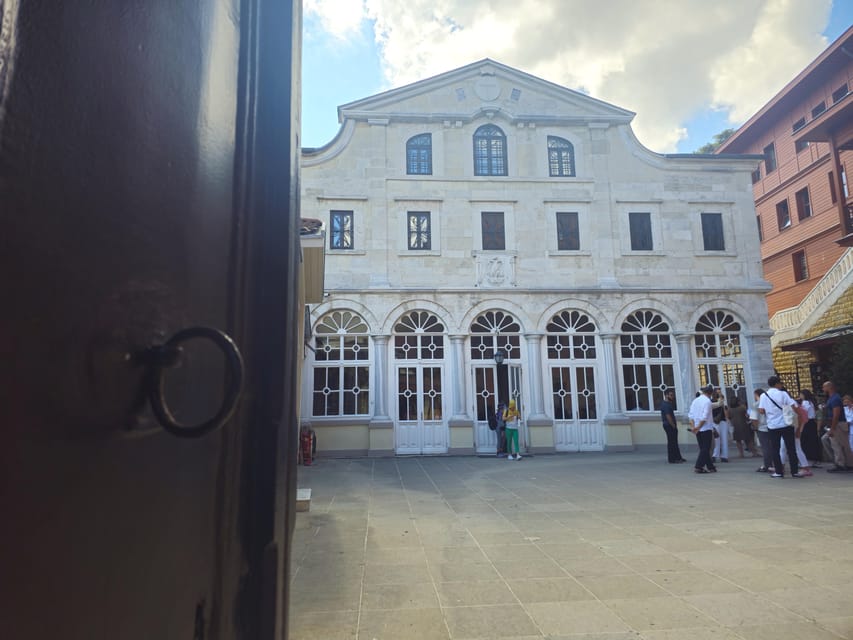
At Ahrida Synagogue, you’ll have a photo stop and guided walk-through time. The focus is on the Jewish presence in Balat and how communities lived, worked, and adapted in this district.
Even if you’re not a synagogue specialist, this stop adds balance. Istanbul’s story often gets told as a duel between two big narratives. Here, you see more layers: Greek Orthodox life, Ottoman-era pressures, and Jewish communities trying to keep their routines and identity intact.
Sveti Stefan Church: the prefabricated church you came to see
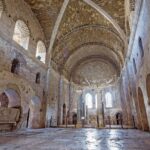
This is the anchor visit for many people. You’ll reach Sveti Stefan Church for entry and guided sightseeing with time built in for photos.
The highlight description calls it the last standing prefabricated church in the world. Whether you’re into architecture or just into history that has a good reason to exist, this place hits. You get to see a concrete example of how religious buildings were shaped by real-world needs and decisions—not just royal patronage.
Time at this stop is longer than a few earlier ones, so you can look around without feeling like you’re sprinting.
Church clothing rules: how to avoid problems at the door
This tour is very clear about what you should not wear:
- No shorts
- No short skirts
- No sleeveless shirts
- No weapons or sharp objects (standard safety rule)
You’ll also hear the reminder that entrance rules affect men and women. Mini shorts, sleeveless tops, and mini dresses can be refused for entry. The tour recommends bringing a scarf or long dress for flexibility.
My practical advice: plan one outfit that works for churches first, then make it comfortable. You’re walking and climbing. If your outfit makes you tug at it nonstop, you’ll feel it by the end.
Pace, timing, and the one drawback to watch for
The tour runs about 3 hours, rain or shine. It’s designed as a walk-through with guided explanations and multiple stops. That structure is great for first-timers who want context fast.
The trade-off is that some stops are short. If you want long coffee breaks or a long shop browse at each stop, you’ll feel a bit rushed. So I suggest this mindset: treat the tour as your orientation and story layer. Then come back later for lingering.
Also, there’s no food included. So if you’re the type who needs a snack at mid-walk, do it before you start or grab something immediately after.
Who this tour fits best (and who might prefer something else)
This works especially well if you want:
- a different side of Istanbul than the headline sights
- guided history with real place names tied to faith communities
- indoor church stops, not only street photos
It can be a tough fit if:
- you need wheelchair access (it’s not suitable)
- you want slow wandering with lots of free time at every corner
- you’re not prepared for a steep climb early on
If you’re traveling with kids, the good news is that children have been reported as free to participate on this type of booking, which can make the overall day cost easier to manage.
The guides make the stories click (Yunus, Kubra, and more)
The biggest consistent praise is how personal and story-driven the guides are. Names that show up often include Yunus and Kubra, and some groups mention Yianni as well.
A pattern you’ll likely notice on the ground: the guide remembers people’s names, keeps the group moving safely, and answers questions. You’ll also get practical local tips, including suggestions for what to eat and where to spend a bit of time after the tour.
If you’re the kind of traveler who likes asking why something happened, this format rewards you.
Should you book this Fener & Balat colored streets tour?
Book it if you want the kind of Istanbul day that feels like a story with addresses. For about $15 and 3 hours, you’re getting street photography spots plus guided visits to St. George and Sveti Stefan, which is the rare combo of scenery and meaning.
Skip or reconsider if you hate stairs, dislike strict clothing rules, or need lots of downtime at each stop. Also, if you’re the type who wants only external photos and no church entry, you may not feel it’s worth paying versus wandering on your own.
FAQ
FAQ
How long is the Fener and Balat guided tour?
It lasts about 3 hours.
How much does the tour cost?
The price is $15 per person.
Where do I meet the guide?
Meet next to the Fener bus stop by the seaside, about 2 minutes from Nakış Cafe.
What’s the easiest way to reach the meeting point from Eminönü?
Take tram T5 to Fener Tram Station, then walk about 3 minutes to the bus stop. The walk is in the Balat direction.
Are there any clothing rules for the churches?
Yes. Shorts, short skirts, sleeveless shirts, and mini dresses are not allowed for church entry. The tour recommends bringing a scarf or long dress.
Is the tour fully outdoors?
It’s a walking tour with church visits, and it runs rain or shine.
Which major sites does the tour include entry for?
You enter St. George Church and Sveti Stefan Church. Entry is also included for the Greek Orthodox Patriarch and a Bulgarian church.
Is food included?
No. Food and drinks are not included.
Is the tour suitable for wheelchair users?
No. It is not suitable for wheelchair users.