REVIEW · 7-DAY EXPERIENCES
Istanbul: 7-Day Cappadocia, Pamukkale, and Ephesus Tour
Book on GetYourGuide →Operated by Tour Altinkum · Bookable on GetYourGuide
One trip, four regions, and a fast-moving sense of scale. This tour’s interesting because it stitches together the best-known monuments of Istanbul with the otherworldly shapes of Cappadocia, the white travertines of Pamukkale, and the walkable ruins of Ephesus—without asking you to grind through long bus days. I love the small-group feel and the fact you get a real English live guide, not just a set of audio files. I also like that you get skip-the-line entry via a separate entrance on key sights. The main drawback to keep in mind is that entry tickets for historic sites are not included, so your final cost can jump.
What makes this route work well is the mix of big-ticket landmarks and the time spent in between—valleys, viewpoints, and “how did people live here” moments. If you hate feeling herded or dislike shopping add-ons, you’ll want to stay alert, since one past booking flagged a pushy sales stop as a comfort-killer. Overall, though, this is a practical way to hit major Turkey highlights in just 7 days, with flights between regions for comfort and timing.
Key highlights to know before you go
- Skip-the-line entrance at select stops helps you spend more time looking and less time waiting
- English live guide plus small-group pacing means you can ask questions in plain language
- Göreme Open Air Museum and fairy chimney valleys mix sweeping views with grounded cultural context
- Pamukkale’s travertines + Hierapolis pairs the white terraces with the ancient city details
- Ephesus, Temple of Artemis, and Virgin Mary’s House give you both religion and street-level Roman history
- Lunch included most days makes budgeting easier while you’re bouncing between regions
In This Review
- A 7-day route that links Istanbul, Cappadocia, Pamukkale, and Ephesus
- Istanbul classics: Hagia Sophia, Topkapi, Blue Mosque, and the Grand Bazaar plan
- Cappadocia by the light: Göreme Open Air Museum, valleys, and fairy chimneys
- Cappadocia Underground Cities and the Rose Valley viewpoints
- Pamukkale and Hierapolis: travertines plus Necropolis and Sacred Pool
- Ephesus in one day: Virgin Mary House, Ancient Ephesus, and Temple of Artemis
- Where the value comes from: price, flights, and what’s not included
- Small-group feel, smooth transfers, and the one thing to watch
- Who this tour suits best (and who should look elsewhere)
- Should you book this 7-day Turkey highlight run?
- FAQ
- What meals are included on this 7-day tour?
- Are entry tickets to historical sites included?
- How do you travel between Istanbul, Cappadocia, and the Aegean coast?
- Do you get a live guide and skip-the-line access?
- What happens if your tour day falls on a Tuesday or Sunday?
- What should I bring and what airport support is provided?
A 7-day route that links Istanbul, Cappadocia, Pamukkale, and Ephesus
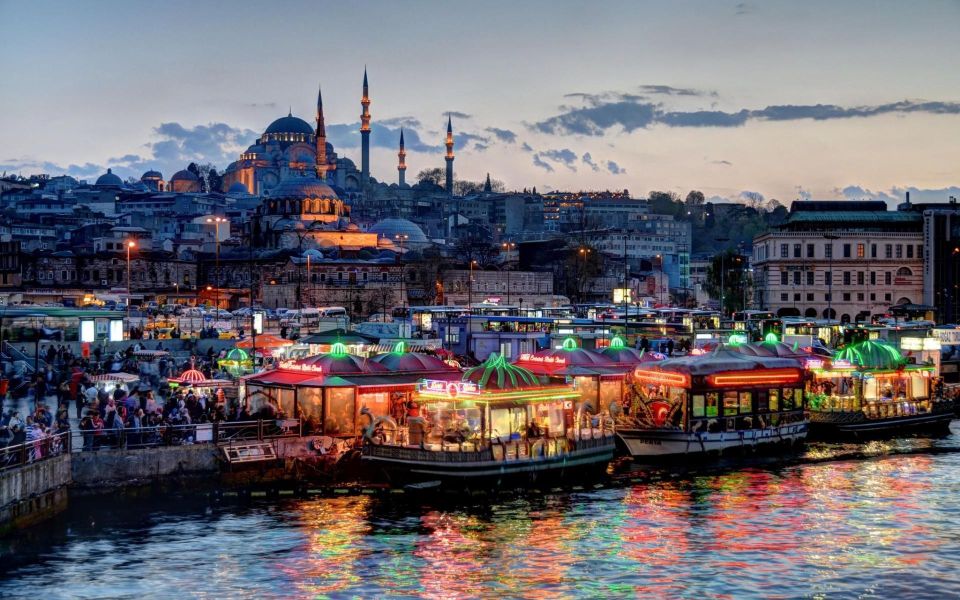
This trip is built for travelers who want highlights without turning every day into an airport sprint. You’ll start in Istanbul for the iconic monuments, then fly to Kayseri to access Cappadocia fast, continue by flight down to Izmir for Pamukkale and Ephesus, and finish back in Istanbul for departure.
The rhythm is key: long travel days are broken up with short, focused sightseeing windows. That’s why the itinerary uses domestic flights between regions. Yes, it adds complexity compared with one nonstop land journey. But it also protects your energy for walking through places like Ephesus and Göreme, where you’ll want your legs to cooperate.
One more thing I appreciate: the structure isn’t only “pose at the landmark.” You get a blend of viewpoints (like Cappadocia’s panoramas), lived-in spaces (like Underground City settings), and monuments that still feel like they belong to a specific neighborhood rather than a museum stop.
Istanbul classics: Hagia Sophia, Topkapi, Blue Mosque, and the Grand Bazaar plan
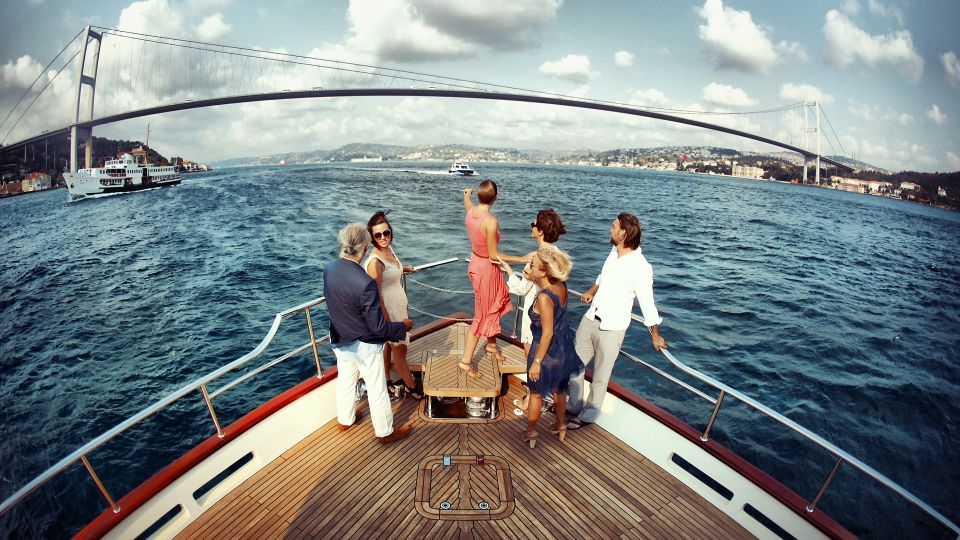
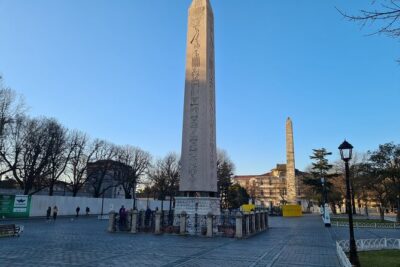
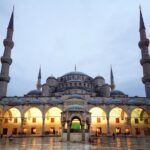
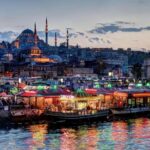
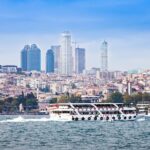
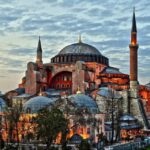
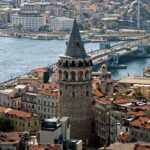
Your Istanbul time is packed, in a good way. On the main city day, you’ll tour the big names: Hagia Sophia, Topkapi Palace, the Hippodrome, and the Blue Mosque. This is the core set that anchors Istanbul’s story: empire-scale architecture, Ottoman power, and a city laid out for centuries of movement.
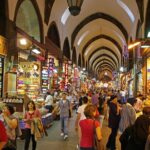
You’ll also head into the Grand Bazaar, which is a real experience of scale. It’s one of those places where you don’t just see stalls—you get a feel for how commerce and craft have threaded through the city. Since the bazaar closes on Sundays, your guide may adjust the day’s plan if you’re traveling that day. Plan for the fact that openings and closures can shift based on local schedules.
A practical note: Topkapi Palace closes on Tuesdays. If your dates land on a Tuesday, you’ll instead visit the Basilica Cistern. That’s a solid swap. The cistern has its own “how is this even possible” factor, and it complements the Ottoman-era vibe you’d otherwise get at Topkapi.
If you’re the kind of traveler who likes to get oriented first, this Istanbul day helps. It also sets you up for Cappadocia and Ephesus, because it trains your eye on Turkey’s layered eras: Byzantine, Ottoman, then the ancient Greek and Roman worlds you’ll see shortly after.
You can also read our reviews of more tours and experiences in Istanbul
Cappadocia by the light: Göreme Open Air Museum, valleys, and fairy chimneys
Cappadocia is the part of the trip where the scenery starts doing the storytelling for you. The full-day Cappadocia time centers on three key experiences: Göreme Open Air Museum, Devrent Valley, and Pasabag (Monks Valley).
Göreme is where you see how rock and faith mix. The museum area is famous for its churches carved into cliffs, and walking around it gives you a sense of how people used geography as shelter, worship space, and community memory. Devrent Valley shifts the mode—less “church carvings” and more “watch the land.” It’s often used for animal- and shape-inspired views in a way that feels playful, but you’ll still be reading the landscape like geology and erosion made the art.
Then you hit Pasabag, and this is where the fairy chimneys go from interesting to unreal. Those tall, sculpted formations are why Cappadocia earns its nickname in first place. If you like photography, you’ll appreciate how the guide’s timing can help you avoid the worst crowd moments. If you don’t, you’ll still benefit from the guided context—why these shapes look the way they do and what living there meant.
Lunch and a pottery experience in Avanos add a hands-on break from the walking. Even if you’re not buying, watching how traditional crafts connect to the region’s clay can make the whole trip feel more grounded.
And yes, you’ll also get panoramic stops: Goreme Panorama for the big sweeping look, plus Uchisar Rock Castle, Cappadocia’s highest point. Uchisar works well at the end of a sightseeing day because the views give your brain a place to rest and synthesize what you’ve seen.
Cappadocia Underground Cities and the Rose Valley viewpoints
The second Cappadocia day adds variety by shifting from above-ground fairy chimneys to below-ground survival. You’ll visit Rose Valley, Cavusin Village, and Pigeon Valley before heading into one of the region’s Underground Cities.
Rose Valley is all about shapes and color play over distance. Cavusin and Pigeon Valley bring you back to villages and cliff formations, which makes the later underground experience more believable. You’re better able to picture why rock dwellings and hidden spaces mattered when you’ve already walked through the surface setting.
Then comes the Underground City. This is one of those places where the scale can surprise you: corridors and rooms designed for practical refuge. It helps you understand early Christians’ need for hidden protection without turning the stop into a pure lecture. You’re in the space, and you can connect the architecture to real human fear and planning.
You’ll also pass through Ortahisar before flying on. Ortahisar’s rock fortress look is a nice visual capstone. By then, you’ll have multiple angles on Cappadocia: chimneys, valleys, villages, and the underground layer.
Pamukkale and Hierapolis: travertines plus Necropolis and Sacred Pool
Pamukkale is the tour’s “wow, you can’t believe it’s real” moment. You’ll spend a full day here, starting with the famous white travertine terraces. The terraces feel like a natural sculpture, formed through mineral-rich water over time. The color contrast—white stone against the sky and surrounding earth—makes this one of the easiest places to get good photos without trying too hard.
Next, you pair it with the ancient city of Hierapolis. That part matters because it prevents Pamukkale from becoming only a photo stop. Hierapolis includes the Necropolis and the Sacred Pool, which add depth. You’re not just looking at water and stone; you’re seeing how people built a spiritual and civic place around it.
One practical thought: plan your pace here. Pamukkale’s charm tempts you to wander slowly, but you’ll also want to keep moving so you don’t miss Hierapolis details. Your guide will help with flow, but it still pays to wear comfortable shoes because travertine areas can be uneven.
After the day ends, you return to your hotel area in Kusadasi, giving you a workable base for the next region-focused day.
Ephesus in one day: Virgin Mary House, Ancient Ephesus, and Temple of Artemis
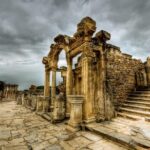
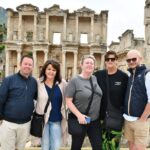
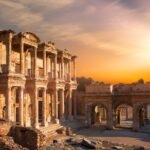
Ephesus is the part of this trip where “walking ruins” becomes “you’re inside the story.” You’ll visit the House of Virgin Mary, then move into Ancient Ephesus and see the Temple of Artemis.
The House of Virgin Mary is quieter and more reflective than the Roman street grid you’ll explore later. It sets an emotional tone that makes the scale of Ephesus feel more human. You’re going from a spiritual place to a bustling city footprint.
When you reach Ancient Ephesus, your experience depends on how you walk it. If you move fast, you might miss why the city feels so legible: the streets are laid out in a way that helps you picture daily movement. If you slow down for key stops, you’ll start connecting architecture to purpose—markets, assemblies, and ceremonial spaces.
Then comes Temple of Artemis. Even when the remains are less than what your imagination wants, the context is huge. Artemis is part of why Ephesus mattered far beyond its local region.
A useful travel mindset: Ephesus works best when you treat it like a neighborhood. Look at angles, think about crowd flow, and don’t try to memorize everything. You’ll remember the feeling of scale more than the names.



Where the value comes from: price, flights, and what’s not included
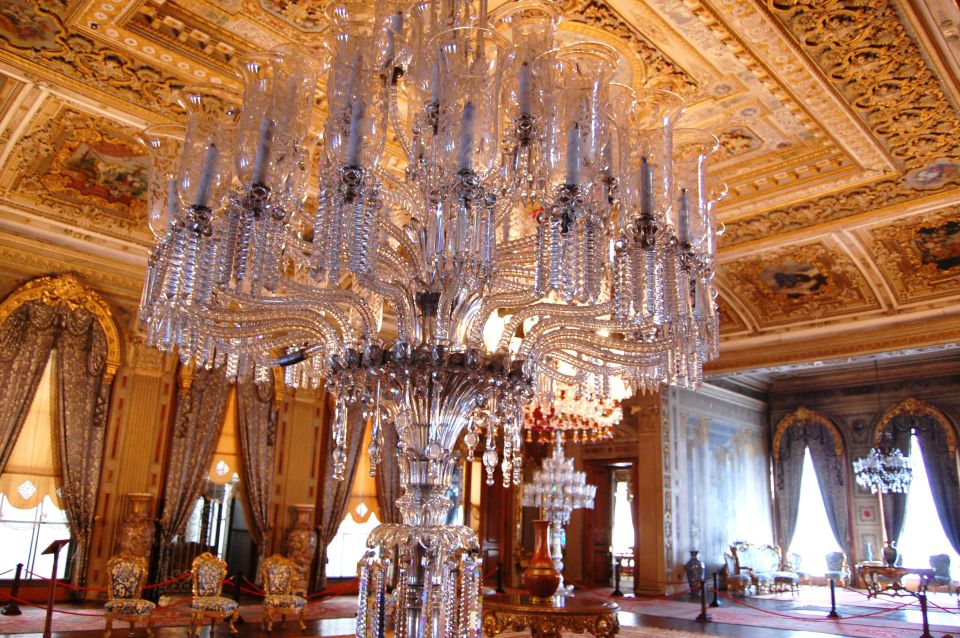
At $1,004 per person for 7 days, the value comes from the mix of included logistics and time. You’re not just paying for sightseeing. You’re paying for:
- Two nights in Istanbul, plus two nights in Cappadocia, plus two nights in Kusadasi
- Guided days with an English tour guide
- Lunch included 5 times and breakfast included 6 times
- Air-conditioned vehicle transfers between points within regions
- Domestic flights between regions (assuming the included-flight option is selected)
The big “read carefully” item is that entry tickets are not included for historical sites (listed as EUR 230 per person). That’s a major line in your budget, and it changes the real cost of the trip. I’d treat that as mandatory planning rather than optional.
Also note: dinner isn’t included. That’s common on multi-day tours, but it’s still a factor when you’re comparing price with options that package more meals. The good side is you can choose meals based on energy levels instead of forcing a set schedule.
The tour’s “special class” boutique hotel approach also affects value. Centrally located rooms reduce daily friction, and family-owned restaurants help keep meals from feeling generic. In places like this, those small choices add up.
Small-group feel, smooth transfers, and the one thing to watch
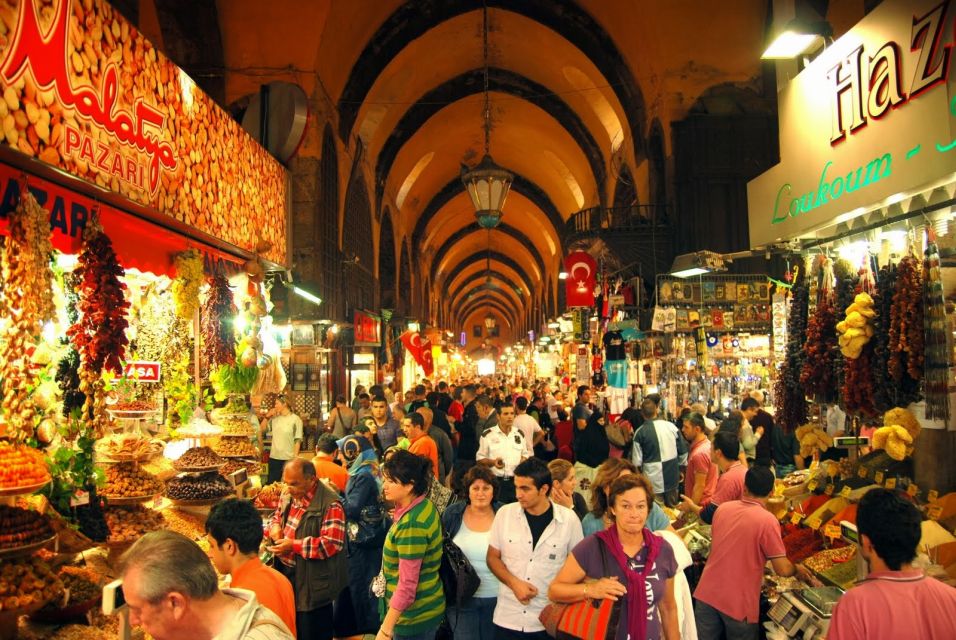
One of the strongest reasons this tour works is group size and pacing. A past booking praised the very small group, which matters because you can ask questions without shouting. You also tend to get more flexibility when a day runs slightly behind due to crowds or site flow.
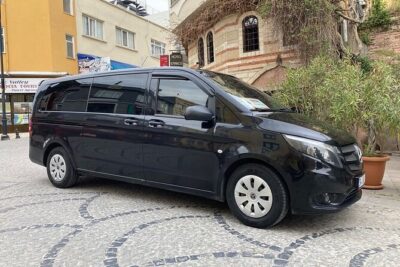
Transportation also gets attention. One reviewer specifically called out a nice Mercedes van, which is worth mentioning because comfort matters when you’re stacking multiple sightseeing blocks in a short time. The tour uses air-conditioned, non-smoking vehicles, which is practical in Turkey’s warmer months.
The caution side is shopping pressure. One booking flagged a stop that felt like a merchandise push, making them uncomfortable. I can’t tell you every day will include a sales-focused detour, but I can tell you this: if you see a “you can’t miss this” shopping stop, you can treat it like a museum kiosk—browse, ask zero questions, and move on. Don’t let politeness turn into spending.
Finally, airport reality check: there’s no assistant service at airports during the flights. You still get transfer help to and from airports, but once you’re at the gate, you’re on your own. If that’s stressful for you, build buffer time into your personal mindset even if the tour handles the connections.
Who this tour suits best (and who should look elsewhere)
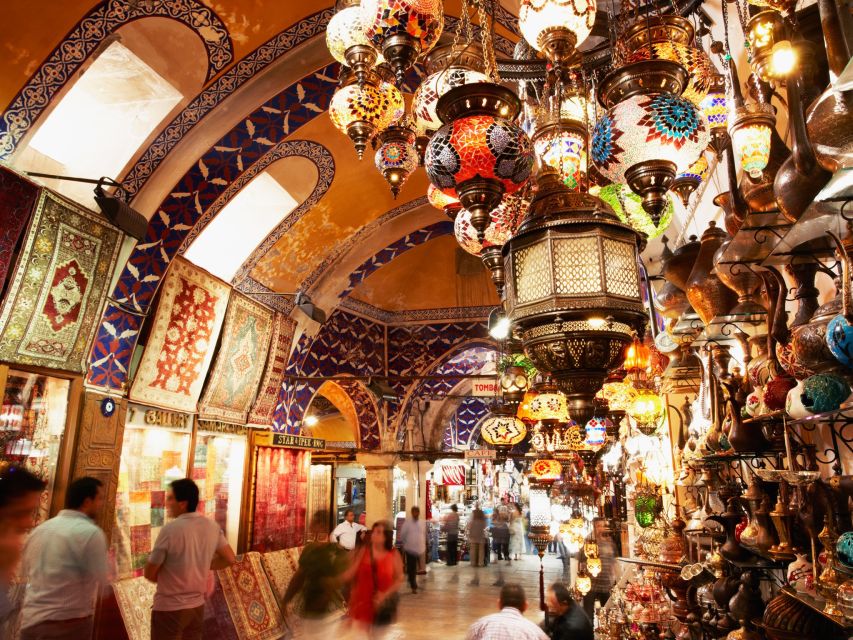
This is a good fit if you want:
- Big-ticket highlights across Istanbul, Cappadocia, Pamukkale, and Ephesus in one week
- A live English guide and skip-the-line convenience
- A plan that uses flights to reduce wasted time
- Lunch and breakfasts included to simplify daily budgeting
It may not be ideal if:
- You dislike any shopping stops or sales pressure
- You want deep, slow exploration with lots of free time each day
- You have mobility constraints, since the tour is stated as not wheelchair accessible (it is stroller accessible)
Also, it’s not suitable for people over 95 years, so if you’re traveling with older companions, you’ll want to find an alternative that matches their pace and stamina.
Should you book this 7-day Turkey highlight run?
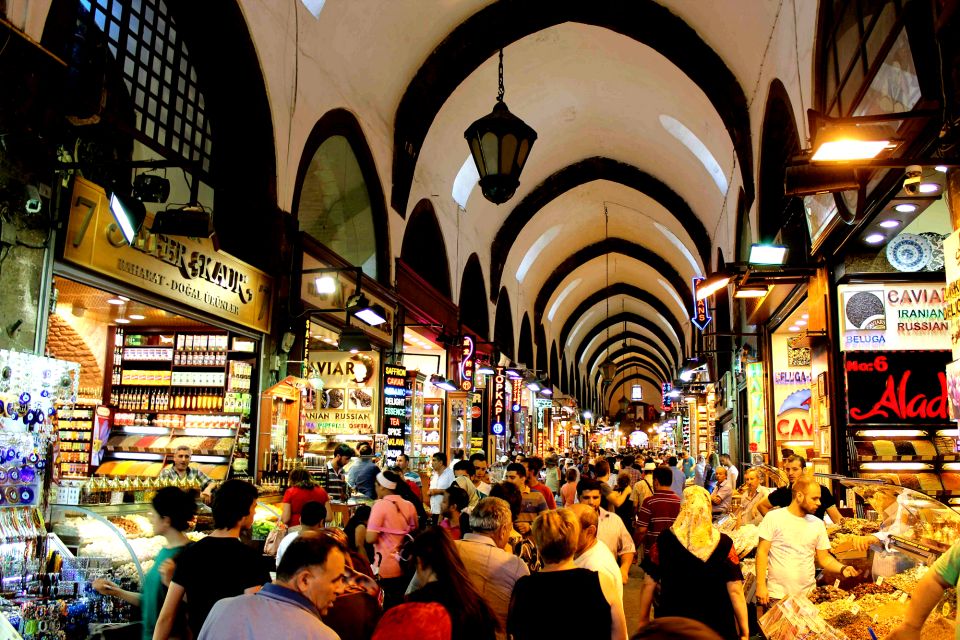
I’d book this if your priority is maximum Turkey highlights in a single week without constant long-distance driving. The route makes sense: Istanbul for orientation and monuments, Cappadocia for the surreal rock formations and underground life, Pamukkale for the travertines plus Hierapolis, and Ephesus for a walkable ancient city day.
Before you hit confirm, do two quick checks:
- Budget for EUR 230 per person in site entry tickets, since that’s the big uncovered cost.
- Decide your comfort level with shopping stops. If you’re sensitive to sales pressure, go in with a clear rule: browse only, no guilt buying.
If you want a tight, guided, logistics-friendly way to see four of Turkey’s headline destinations, this is a strong choice.
FAQ
What meals are included on this 7-day tour?
Breakfast is included 6 times and lunch is included 5 times. Dinner is not included.
Are entry tickets to historical sites included?
No. Entry tickets to historical sites are listed separately as EUR 230.00 per person.
How do you travel between Istanbul, Cappadocia, and the Aegean coast?
Intercity travel is handled by domestic flights for comfort, with air-conditioned vehicle transfers for ground connections.
Do you get a live guide and skip-the-line access?
Yes. The tour includes a live English tour guide and skip-the-line access through a separate entrance.
What happens if your tour day falls on a Tuesday or Sunday?
Topkapi Palace is closed on Tuesdays, so the Basilica Cistern is visited instead. The Grand Bazaar is closed on Sundays.
What should I bring and what airport support is provided?
You should bring your passport. You’ll be met at the airport on arrival for transfer to the hotel, and you’ll have airport transfers, but there is no assistant service at airports during the flights.