REVIEW · ISTANBUL
Glories of Turkey 12-Day From Istanbul
Book on Viator →Operated by Fez Travel · Bookable on Viator
Turkey moves fast, in a good way.
I love the small-group feel (up to 20) and how entrance fees are included, so you’re not constantly pulling out your wallet at every stop. The trade-off is the schedule is tight, and not every meal situation will match your taste, so plan to stay flexible (and pack snacks).
On this 12-day route, you’ll get a guided crash course through Turkey’s headline sites: Istanbul’s imperial landmarks, the WWI weight of Gallipoli, the ancient anchors of Troy and Ephesus, the Pamukkale area, then on to Konya and Cappadocia’s valleys, underground cities, and fairy chimneys. Guides you may see named in guest feedback include Tamer, Fatih Karci, Omar, and Halil, and they’re usually praised for keeping the day structured and making the history feel personal.
In This Review
- Key reasons this tour works
- What you’re really paying for: guides, fees, and a domestic flight
- Istanbul arrival and Sultanahmet in one focused day
- Gallipoli: one of Turkey’s hardest days, handled with care
- Troy and Behramkale: UNESCO ruins plus real village time
- Ephesus, Artemis, and the carpet weaving lesson you’ll remember
- Pamukkale plus Laodicea and Antalya museums: ancient Turkey by the Lycus River
- Perge, Aspendos, and Side: Roman theatres with real scale
- Konya stops that break up the route: caravansary and Mevlana
- Cappadocia valleys and Avanos pottery: craft, color, and caves
- Göreme open-air museum, fairy chimneys, and underground cities
- Small-group reality: up to 20, and often much smaller
- Food, optional dinners, and how to manage restaurant surprises
- Weather and route changes: why this tour says good weather matters
- Should you book Glories of Turkey?
- FAQ
- How long is the Glories of Turkey tour?
- Where does the tour start and end?
- Is pickup and drop-off included?
- Are entrance fees included?
- Does the tour include domestic flights?
- Is breakfast included?
- What is the group size limit?
- Are there optional add-ons during the trip?
- Does the tour require good weather?
Key reasons this tour works
- Max 20 travelers means quieter days on busy streets and at big ruins
- Entrance fees included reduces planning friction and keeps momentum going
- Istanbul to Cappadocia with a domestic flight saves you a long overland haul
- Hands-on cultural stops like carpet weaving and Avanos pottery
- WWI Gallipoli is built into the trip, not treated like a side quest
- Professional guiding throughout helps you understand what you’re actually looking at
What you’re really paying for: guides, fees, and a domestic flight
At $2,904.10 per person, this isn’t the cheapest way to see Turkey. But it’s priced like a “less hassle, more seeing” tour—and the value is in what you don’t have to arrange.
First, you’re not scrambling for tickets. The tour includes entrance fees, and that matters in Turkey where major sites add up fast. Second, you’re not doing a DIY-style itinerary across multiple regions with changing transport plans. You get a professional guide, a dedicated air-conditioned, non-smoking vehicle, and the key transfers in and out of Istanbul.
The biggest money-saver is the domestic flight from Cappadocia to Istanbul. That one decision buys you back hours you’d otherwise burn on long road travel. If you want your Turkey trip to feel like a highlight reel (without the stress), this format is a good fit.
If you’re someone who wants lots of unplanned downtime and you hate group schedules, you may feel the pace.
You can also read our reviews of more tours and experiences in Istanbul.

Istanbul arrival and Sultanahmet in one focused day
Day 1 is refreshingly simple: you land, you’re transferred to your hotel, and the rest of the day is yours. That “catch your breath” time is important in Istanbul, where your first instinct is to wander—then immediately realize you need a game plan for the historic core.
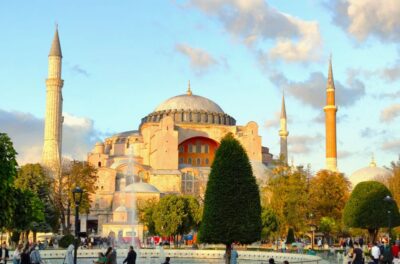
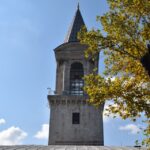
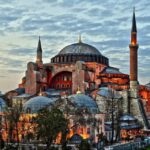
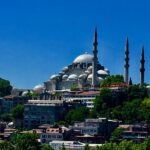
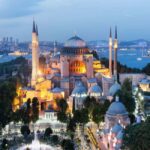
Day 2 is your launch into Istanbul’s power center: the Sultanahmet District. You’ll tour landmarks that define the city’s Ottoman and Byzantine layers—the Blue Mosque, St Sophia Museum, and Topkapi Palace with Hagia Irene and the Harem—plus the Hippodrome area. This is one of those days where good guiding makes the difference. Without context, you see buildings. With context, you understand why each one exists.
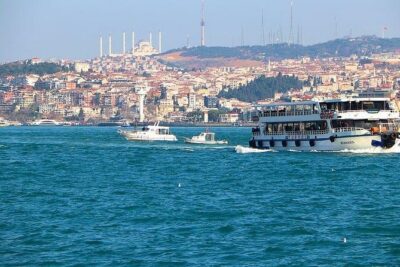
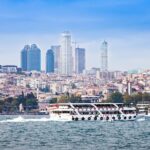
In the afternoon, you also get a chance to cross the continents via the Bosphorus route. There’s an optional Half day Bosphorus cruise, which is a smart add-on if you want a break from walking and a quick “wow” view of Istanbul from the water.
Practical note: Istanbul’s iconic sites are crowd magnets. Starting early and staying with your guide helps you move efficiently and not waste your energy standing in lines.
Gallipoli: one of Turkey’s hardest days, handled with care
If you come to Turkey for history, Gallipoli is the day that changes your mood. You’re visiting WWI battlefields and memorial sites that don’t feel like museum displays—they feel like places where people suffered.
Expect stops at Lone Pine Memorial, Chunuk Bair Memorial, ANZAC Cove, The Nek, Johnston’s Jolly, and the original trenches and tunnels. This is emotional, but it’s also specific. The power is in the detail: you connect names to terrain.
What I like about building Gallipoli into a guided tour is that you’re less likely to miss what matters. You’ll get a framework for understanding why this corner of Turkey is still discussed in Australia, New Zealand, Britain, and beyond.
Drawback to consider: this is not a “light and fun” day. If you’re traveling with limited patience for serious memorial sites, keep your expectations grounded. Bring water and wear shoes you can trust on uneven ground.
Troy and Behramkale: UNESCO ruins plus real village time
Day 4 is a strong combo: ancient big-name history, then a palate-cleansing pause.
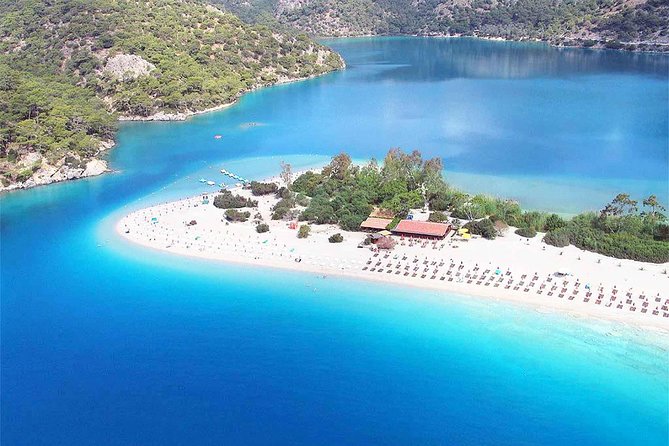
You head to Troy (Truva), a UNESCO World Heritage Site, and you’ll also visit the new Troy Museum. That pairing is a smart move—museum context helps you read the site instead of guessing.
Then you continue to Behramkale, an old village with stone houses and narrow streets. You’ll have time to explore and take in the scenery, with a simple pleasure built in: grab a cup of Turkish tea or coffee at a local café.
From a value standpoint, Behramkale is where you get “Turkey you can feel” rather than only “Turkey you check off.” It’s the kind of stop that makes your photos mean something later.
Ephesus, Artemis, and the carpet weaving lesson you’ll remember
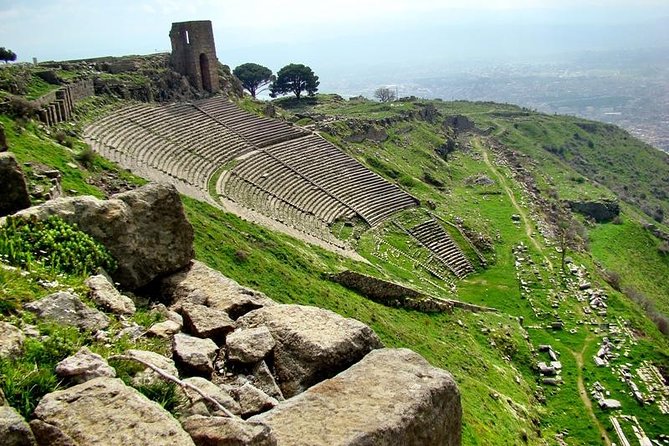
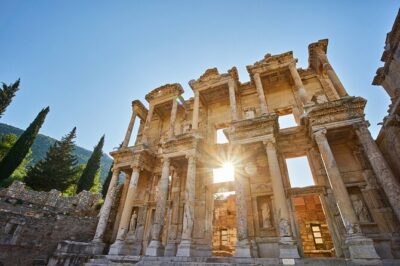
Ephesus is one of the world’s great open-air teaching spaces. On your Ephesus day, you’ll have a guided tour of the Ephesus site, including the area tied to the Temple of Artemis. You’ll also visit the Ephesus Archaeology Museum, where the artifacts help you understand what’s missing from the ruins and what was once here.
What’s especially useful is that this isn’t just walking and snapping pictures. You’ll leave with a sense of how the city functioned—and how artifacts help reconstruct the bigger story.
Then you add a living craft component: carpet weaving. At the carpet village, you’ll learn how carpets are made by hand and what affects their value. This is a good “culture transfer” moment. You’re not only watching history; you’re seeing how tradition turns into a product people still make today.
If you’re worried about shopping pressure: keep your mindset practical. Ask questions, learn the process, and decide what’s worth buying for you. You’re there to understand the craft first.

Pamukkale plus Laodicea and Antalya museums: ancient Turkey by the Lycus River
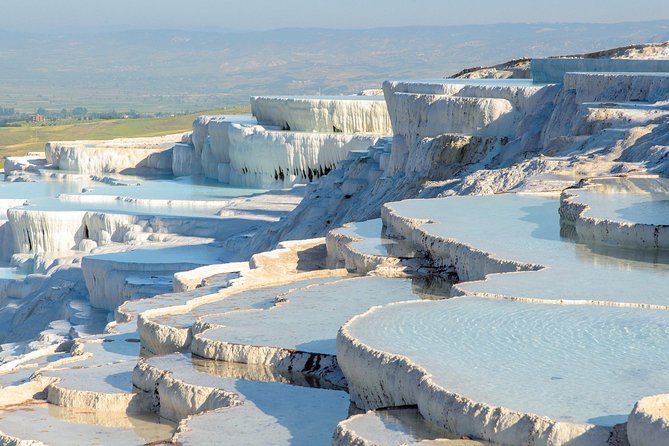
The stretch around Pamukkale and the Lycus River Valley is where Turkey’s ancient past gets layered and a bit tangled in a good way.
You’ll travel after breakfast and hit Laodicea—a major historic city in that region. The tour also includes Antalya Necropol Museum (and later, Antalya’s Archaeological Museum), so you’re not only seeing ruins. You’re also learning about burial practices and seeing artifacts from different historical periods.
One thing to flag: the Laodicea connection shows up more than once in this program. If you love repetition because it makes details stick, you’ll like it. If you’d rather vary every day, you might notice the focus narrowing toward the same area.
Overall, I like this portion because it’s not only postcard moments. Museums here help you connect the dots between what you see outside and what’s been recovered inside.
Perge, Aspendos, and Side: Roman theatres with real scale
Day 8 leans into Rome, and it does it in a way that feels tangible.
You’ll tour Perge and Aspendos, then also visit Side. In Aspendos, you’ll see the Roman Theatre, built in the 2nd century, with seating for about 15,000 people. That kind of capacity stops being trivia. It makes you picture the noise, the crowd, the performance energy.
Side is another highlight: you’ll find the Temple of Apollo and other ancient ruins.
If you want a day where history is loud—even when the theatre doors are shut—this is it. The scale is what you’ll remember.
Konya stops that break up the route: caravansary and Mevlana
By the time you reach Day 9, Turkey starts to shift from “coasts and empires” toward “spiritual and practical inland life.”
You travel toward Cappadocia through central Turkey, and along the way you stop at Sultanhani Caravansary, plus the Mevlana museum in Konya. These are different types of “important” spaces.
A caravansary helps you understand how people moved and traded across long distances. The Mevlana site gives you a counterpoint—an inland cultural focus that isn’t just about emperors and battlefields.
This is a good pacing choice. It keeps the day from becoming only bus-window viewing.
Cappadocia valleys and Avanos pottery: craft, color, and caves
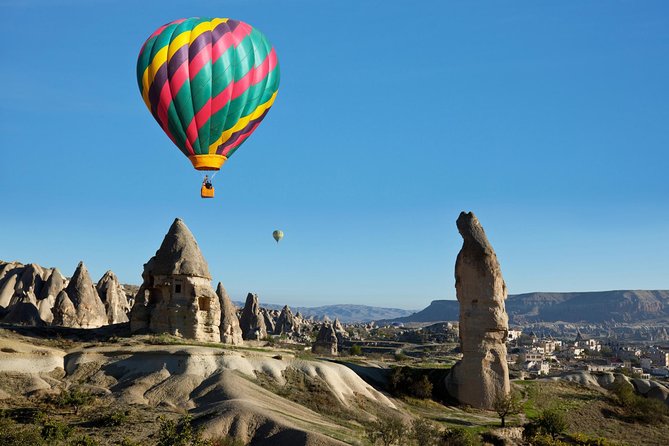
Cappadocia doesn’t need help to be beautiful, but you do need time in the right places to feel it properly. On Day 10, you’ll visit Pigeon Valley and Red Valley, then continue to Çavuşin (Cavusin) village. These are classic valley views, plus village texture—stone, steps, and that surreal rock erosion that makes the whole region feel like it’s been carved by time rather than built by people.
Then you go to Avanos, where you’ll learn about hand-made pottery. Pottery in Avanos is one of those experiences that works even if you’re not a craft person. Watching how materials behave and learning how the tradition is practiced gives the trip a human angle.
Practical tip: Cappadocia days are usually sun-and-wind days. Wear layers you can manage, bring sunglasses, and keep water handy.
Göreme open-air museum, fairy chimneys, and underground cities
Day 11 is pure Cappadocia magic, with a strong “mind-bending” theme.
You’ll visit the Göreme Valley Open Air Museum and see the fairy chimneys. Then you’ll explore an underground city, including multiple levels. This is the part where Cappadocia feels less like a theme park and more like a survival story written into the ground.
After all that exploring, you head to the airport for an evening flight back to Istanbul. That flight timing helps you avoid another full day on the road.
For this last day to feel good, don’t over-plan yourself at the end. Your body will want down time in Istanbul once you land.
Small-group reality: up to 20, and often much smaller
This tour caps at 20 travelers, and that’s a big deal on days like Sultanahmet, Ephesus, or the major road stops where crowds can turn frustrating fast.
In practice, smaller groups also make it easier for your guide to respond to the room. You’re more likely to get clear pacing, better timing at entrances, and more chances to ask practical questions.
Comfort-wise, you’re in an air-conditioned, non-smoking vehicle, so the long travel segments aren’t as draining as they can be on some DIY-style tours.
Also, the operator uses mobile tickets, which is handy when you’re moving quickly between regions.
Food, optional dinners, and how to manage restaurant surprises
Breakfast is included as part of the trip highlights, and it’s the kind of meal you’ll want on busy sightseeing days. Beyond breakfast, the plan includes optional dinners, which means you’ll likely pay some meals out of pocket.
This is where expectations matter. Some guests have been happy with food choices, while others felt restaurant stops were expensive or not great for them. That mix is common in guided tours, because fixed schedules and location constraints can limit options.
My practical advice: treat meals like an opportunity, not a guarantee. If you’re picky, keep a simple backup plan. Ask your guide what’s best that day, and don’t be afraid to skip a meal you don’t trust.
Weather and route changes: why this tour says good weather matters
Cappadocia is weather-sensitive, and this tour is clear that it needs good weather to run. If it’s canceled due to poor weather, you’ll be offered a different date or a full refund. It can also be canceled if the minimum number of travelers isn’t met, with a different option or a refund.
This matters if you’re traveling in shoulder season. Build in a little flexibility, and don’t treat your exact calendar as sacred.
Should you book Glories of Turkey?
Book it if you want:
- A first-timer-friendly Turkey hit list that still includes real culture stops like carpets and pottery
- Guided site context so you don’t just see ruins, you understand them
- Less logistics pain thanks to entrance fees included, transfers handled, and an in-country flight
Skip it if you:
- Want lots of free time to roam without a schedule
- Hate group pacing and long days with minimal downtime
- Are extremely sensitive to meal choices and restaurant costs
If you like your travel days structured, this tour is a strong deal in spirit: iconic sights, guided explanations, and a route that covers Istanbul, the Aegean and ancient cities, then flips into Konya and Cappadocia before sending you back to Istanbul.
FAQ
How long is the Glories of Turkey tour?
It runs for 12 days, approximately.
Where does the tour start and end?
It starts at Istanbul International Airport and ends back at the same meeting point.
Is pickup and drop-off included?
Yes. Hotel pickup and drop-off are included, plus arrival and departure airport transfers in Istanbul.
Are entrance fees included?
Yes. Entrance fees are included.
Does the tour include domestic flights?
Yes. It includes a domestic flight from Cappadocia to Istanbul.
Is breakfast included?
Breakfast is included as part of the tour highlights.
What is the group size limit?
The maximum is 20 travelers.
Are there optional add-ons during the trip?
Yes. The tour lists suggested optional activities, and there’s also an optional Half day Bosphorus cruise. Optional dinners are also listed.
Does the tour require good weather?
Yes. The experience requires good weather. If canceled due to poor weather, you’ll be offered a different date or a full refund.