REVIEW · ISTANBUL
From Istanbul: 10 days Crossroads of Civilizations
Book on GetYourGuide →Operated by Euromarmara Tours · Bookable on GetYourGuide
Turkey’s biggest hits, paced for real life. This 10-day route ties together Istanbul’s architectural wonders and Cappadocia’s cave churches with guided stops across Ankara, Pamukkale, Ephesus, Izmir, Troy, and Bursa, so you get a real sense of why Turkey is a crossroads. I also like that the schedule mixes UNESCO sites with a few trade-style stops (carpets, onyx stones, leather), which can turn into useful souvenirs or simple cultural lessons. One drawback to plan around: dinners in Istanbul are not included, and you will still need a vacation-style early-morning mindset on sightseeing days.
What makes it feel low-stress is the staffing. The tour runs with a Spanish-speaking guide for the visits, and the airport pickup includes an assistant holding a sign with your full name (outside Istanbul Airport terminal in front of exit 14, or Sabiha Gökçen with the sign outside column 14). Past groups have praised guides such as Murat, Ohran, and Nilofer for staying on top of timing and helping people get good prices and practical food options.
In This Review
- Key Points at a Glance
- A 10-Day Turkey Route That Actually Feels Organized
- Istanbul First: Airport Pickup and a City You Can Sort Yourself Out In
- Ankara Stop: Museum Order and Atatürk’s Mausoleum
- Cappadocia Underground City: Early Christians and Survival Tech
- Göreme Open Air Museum and Fairy Chimneys: UNESCO Views You Can Actually Appreciate
- Pamukkale Cotton Steps and the Seljuk Caravan Stop That Breaks the Drive
- Ephesus Ruins for Artemis: Celsus, Agora, and a Pilgrimage Site
- Pergamon, Asclepion, and Troy: The Aegean’s Big Three on One Beat
- Bursa Ottoman Landmarks: Mosques, Silk, and a Green Mausoleum
- Price and Value: What $964 Covers (and What You Still Need to Plan)
- Who This Tour Suits Best
- Should You Book the Crossroads of Civilizations Tour?
- FAQ
- What’s included in the tour price?
- Are airport transfers included?
- Is dinner included in Istanbul?
- Do I need to pay for entrance tickets?
- What language is the tour guide?
- Is the tour suitable for people with mobility impairments?
- What should I bring and what rules apply?
- Can I cancel and get a refund?
Key Points at a Glance
- Express security check: helps you keep momentum at major sites.
- Spanish-speaking guide on the ground: you get context, not just a bus ride.
- UNESCO in two different regions: Göreme Open Air Museum and Pamukkale’s Cotton Steps.
- Cappadocia underground time travel: an early-formed Christian refuge city.
- Ephesus highlights that matter: Celsus, Library of Celsus, the Agora, Odeon, and more.
- Impressive guiding names show up repeatedly: Murat, Ohran, and Nilofer are cited for going the extra mile.
A 10-Day Turkey Route That Actually Feels Organized
This is a classic “big Turkey” itinerary. It’s built around moving between the big story locations—Romans and Greeks on the Aegean side, Seljuks and Ottomans in central Turkey, and the volcanic oddities of Cappadocia—without making you plan, navigate, or second-guess every connection.
The best part is how the tour balances awe with structure. You get multi-day coverage of Istanbul (3 nights), enough time in Cappadocia to feel like you’re not just passing through (2 nights), and a careful Aegean run that strings together Ephesus, Pergamon, Troy, and Bursa. That matters because some of these places are huge, and you’ll enjoy them more with a guide who knows the flow.
The pace does mean you should travel light and keep your shoes ready. This route is not built for slow wandering with long café detours. It’s built for “see a lot, understand a lot, rest at night.”
You can also read our reviews of more tours and experiences in Istanbul.

Istanbul First: Airport Pickup and a City You Can Sort Yourself Out In
You start in Istanbul with arrival help, then you settle into a hotel for 3 nights with breakfast. On the face of it, “two full days in Istanbul” sounds simple. In practice, it’s the smart move: Istanbul has so many layers that you need at least a couple days to stop thinking of it as one museum and start thinking of it as a living city.
The pickup details are genuinely helpful. If you’re arriving at Istanbul Airport, the assistant meets you outside terminal areas with your full name visible, near exit number 14. If you’re flying into Sabiha Gökçen, the sign is outside column 14. That removes the common first-day panic of finding your way in a busy airport.
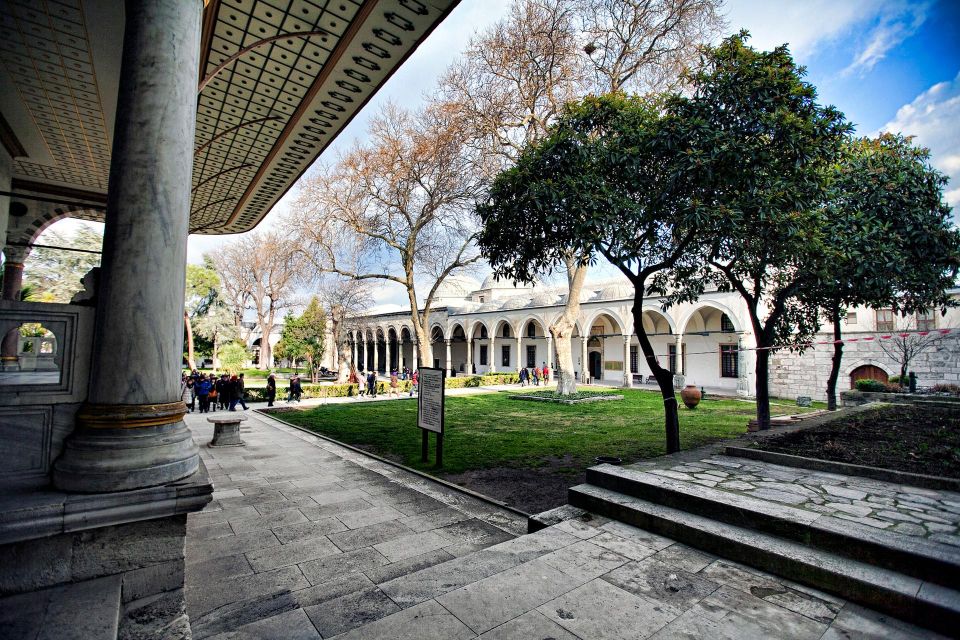
Because the itinerary specifically calls out architectural wonders, you’ll be spending your Istanbul time focusing on the city’s major monuments with tickets handled by the tour. A small but useful extra: the tour notes an express security check, which can save time when you’re headed into popular sites.
Tip for you: pack one pair of comfortable shoes and accept that Istanbul can mean standing and walking more than you expect, even on a “guided” schedule.
Ankara Stop: Museum Order and Atatürk’s Mausoleum
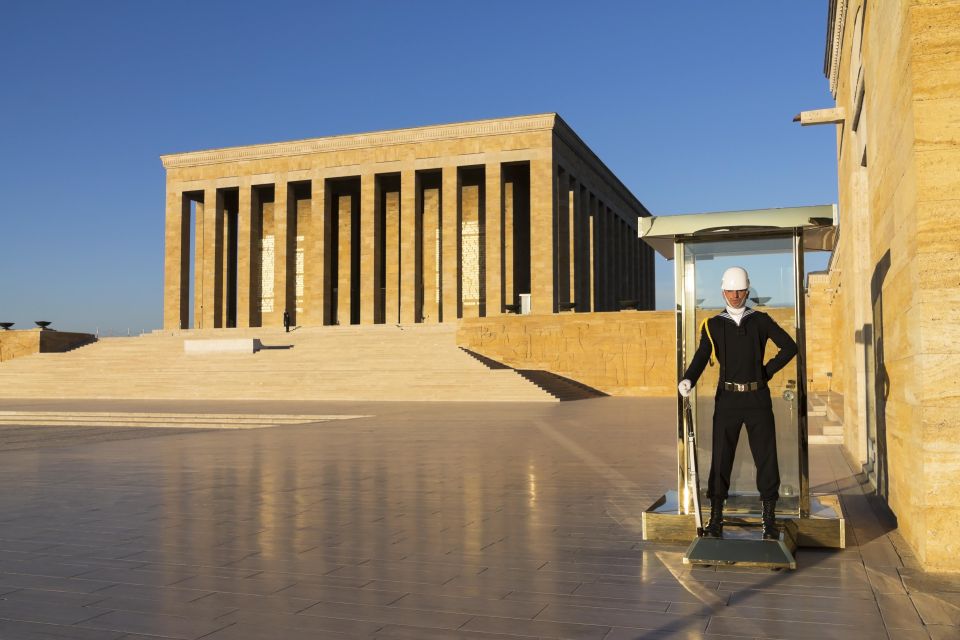
On day 3 you head to Ankara. You get breakfast in Istanbul, then transfer to the capital, with dinner and an overnight stay in Ankara.
Ankara is often treated like a transit stop, but this itinerary makes it worth your attention by giving you the Anatolian Civilizations Museum and the Mausoleum of Atatürk. The museum visit is scheduled to show layers from different civilizations—Neolithic and Paleolithic remnants, plus artifacts connected to Urartu, Hatti, Hittites, and Phrygia. That kind of sequencing helps you make sense of what you later see across the Aegean and in Cappadocia. In other words: it’s context-building, not just another ticket.
Then you visit the Mausoleum of Atatürk, the founder of the Turkish Republic. That’s a quick shift in tone from ancient civilizations to modern identity, and it’s one reason this tour earns its crossroads theme.
What to watch for: Ankara can feel “less dramatic” than Istanbul on arrival day. Don’t let that fool you. The museum and mausoleum work better when you go in ready to pay attention to details and symbolism.
Cappadocia Underground City: Early Christians and Survival Tech
Cappadocia is where this tour really turns from history lessons into physical experience.
Day 4 drives you from Ankara to Cappadocia, with an en route stop at an underground city built by early Christians as protection against attacks. Even if you’ve seen underground photos before, being inside a space carved for survival has a different effect. It’s not a decorative cave stop. It’s a reminder of what people needed to do to live through danger.
That’s followed by a stay in Cappadocia with dinner included, so you don’t have to hunt for food after a long travel day. The tour also includes scheduled tickets for the visits, which helps you avoid the “where do we go first?” scramble.
Practical note: underground spaces can mean cool temperatures and uneven walking surfaces. Bring layers, even in warmer months, and keep your step cautious.
Göreme Open Air Museum and Fairy Chimneys: UNESCO Views You Can Actually Appreciate
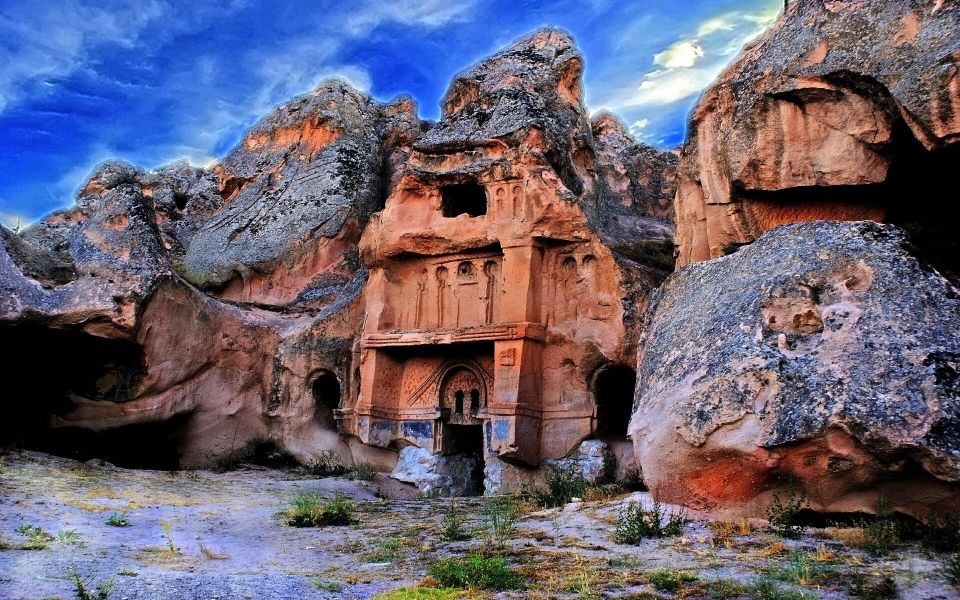
Day 5 is your full Cappadocia day. You start with breakfast, then head to Göreme Open Air Museum, a UNESCO site known for its cave churches. This is the kind of place where a guide helps most, because it’s easy to miss what you’re looking at when you don’t know why the architecture is the way it is.
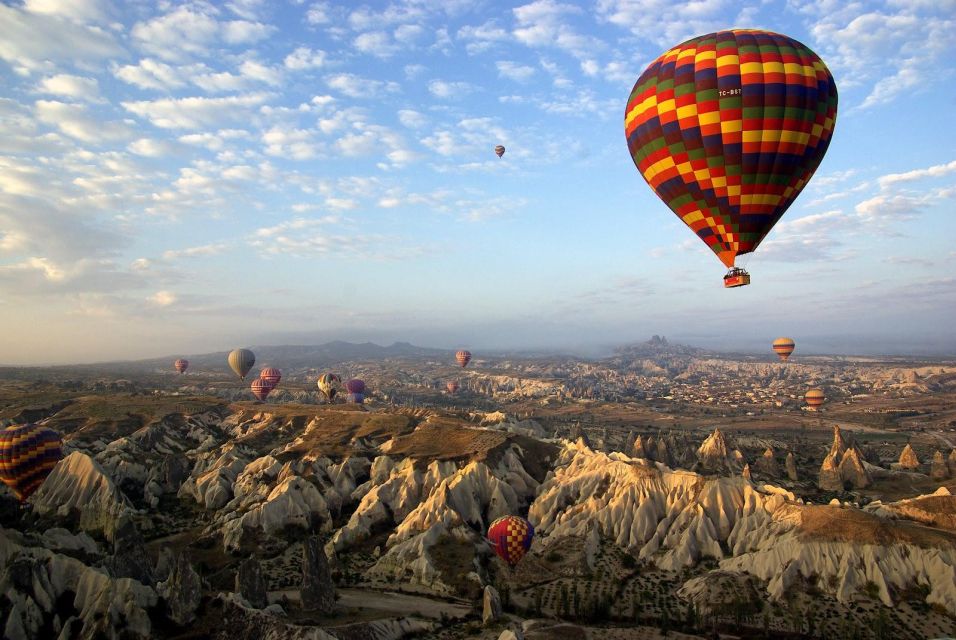
After Göreme, the schedule includes Uchisar Village and the area of fairy chimneys. These rock formations look theatrical from a distance, but up close you start noticing shapes and how the valleys formed. That’s when the scenery becomes more than a postcard background.
Then you move through Derbent Valley. The day also includes workshops connected to carpets and onyx stones. This part is optional in spirit—no one forces you to buy—but it’s real-world. You’ll learn enough to shop smarter, and you might end up with a souvenir you understand, not just something you bought because it looked good.
Balanced advice: if you want shopping time, go in with questions about materials and pricing. If you don’t want shopping time, treat it like a cultural stop, ask how the process works, and decide fast.
Pamukkale Cotton Steps and the Seljuk Caravan Stop That Breaks the Drive
On day 6, you drive to Pamukkale. You also stop at Sultanhan Caravansarai, built during the Seljuk Empire and used for years as a stopover for travelers and merchants. That’s a smart break in the middle of a travel day because caravansaries were designed for people exactly like you: arriving tired, needing shelter, then moving on.
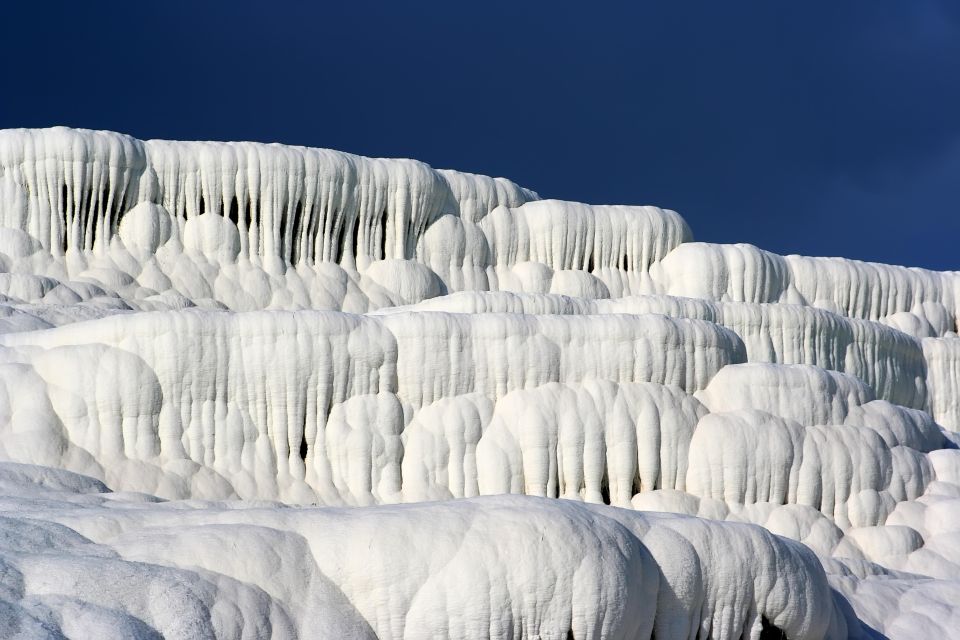
Then you reach Pamukkale for the Cotton Steps, another UNESCO heritage site. The Cotton Steps are tied to the idea of healing thermal water, and the experience is mostly about the visuals and the strange pleasure of seeing a site that feels almost unreal. Walk slowly, take photos, and remember that it’s a working attraction—so don’t try to treat it like a private spa.
You also get dinner and an overnight in Pamukkale, which keeps your evening simple and your energy reasonable.
Small but helpful tip: if you plan to spend time on the steps, you’ll want shoes that handle slick or uneven footing.
Ephesus Ruins for Artemis: Celsus, Agora, and a Pilgrimage Site
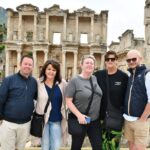
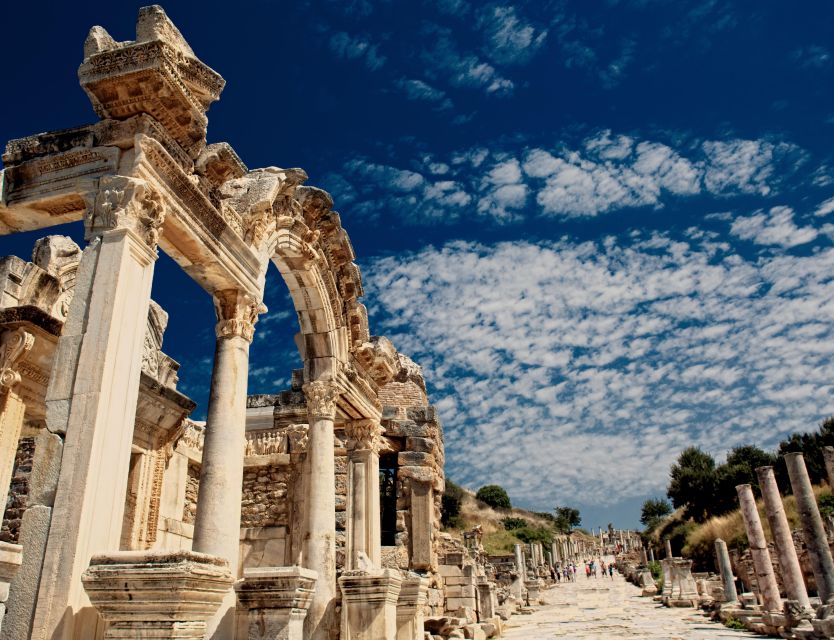
Day 7 moves from Pamukkale to Ephesus (via Selçuk), then onward to Izmir. You visit Ephesus with a list of major stops that you’ll actually care about: the Odeon, the Temple of Hadrian, the House of Love, the Library of Celsus, and the Agora. Ephesus is famous for a reason, but the reason becomes clearer when you can connect the buildings to how the city functioned.
The schedule also includes the Virgin Mary House, believed to be the final resting place of Jesus’s mother. That gives Ephesus a spiritual layer that goes beyond archaeology. You get a different tone after walking the civic and cultural spaces.
There’s also a stop at a Leather Production Store. This is one of those “tour-world” add-ons—part shopping, part local production. If you like to understand how things are made, this can be interesting. If you’d rather not factor in shopping time, treat it like a quick break and keep your budget in mind.
You finish in Izmir with dinner and an overnight, and that’s a nice rhythm after a long, high-walk day.
Pergamon, Asclepion, and Troy: The Aegean’s Big Three on One Beat
Day 8 is a long Aegean day: Izmir to Pergamon (Bergama), then to Troy, then to Çanakkale for the night.
In Pergamon, the highlight is Asclepion, described as the first hospital of Asia Minor in human history. That’s a fascinating angle because it changes how you think about ancient sites. You’re not only looking at temples and theaters. You’re looking at early thinking about health, care, and organized treatment.
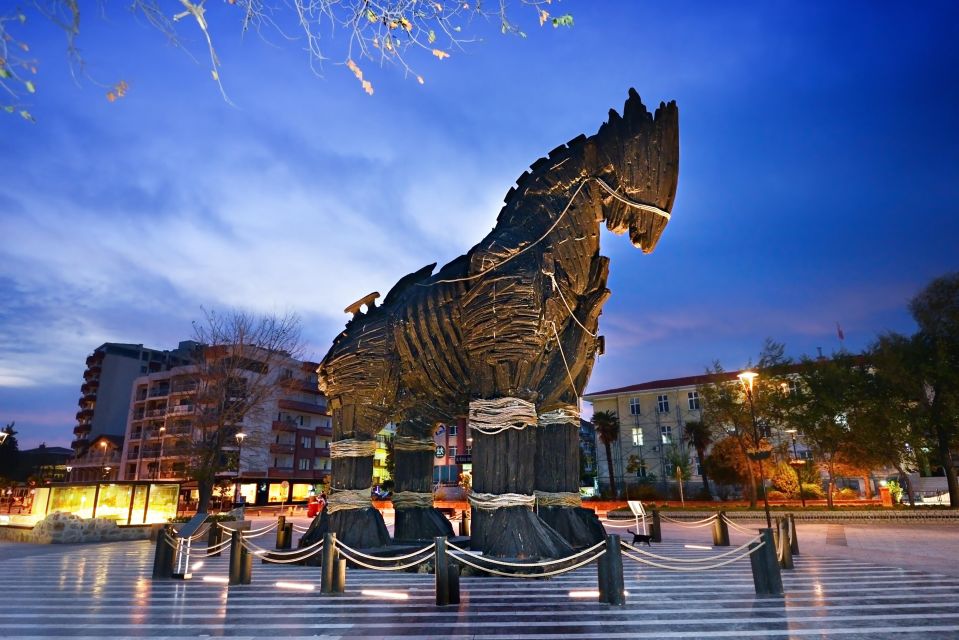
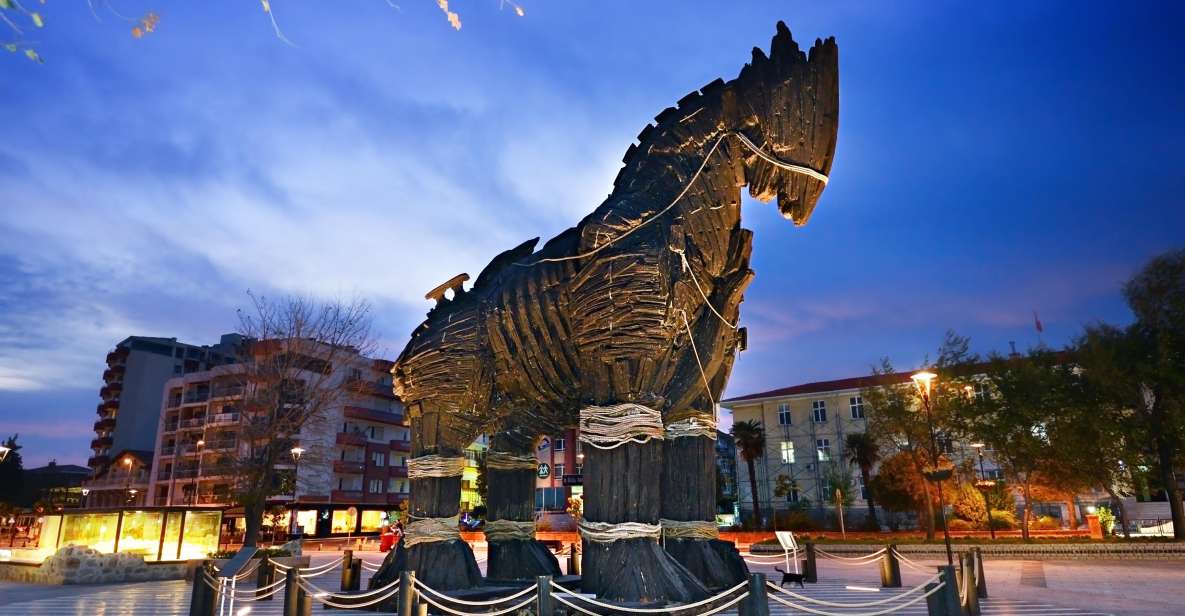
Then you drive to Troy and visit the city tied to Homer’s Iliad. Even if you don’t know every detail of the epic, the idea lands fast: this is where literature, myth, and real ruins intersect.
The day ends with dinner and overnight in Çanakkale, which is a good placement. You’re not trying to squeeze in another huge city after Troy. You’re letting your brain reset.
Bursa Ottoman Landmarks: Mosques, Silk, and a Green Mausoleum
On day 9 you depart Çanakkale for Bursa, then continue to Istanbul for an overnight.
Bursa matters because it was the first capital of the Ottoman Empire between 1326 and 1364. That gives your stops more meaning than “pretty monuments.” You’re seeing the early Ottoman era form and style.
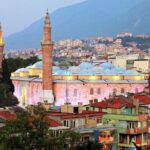
You visit the medieval Ulu Camii, the Koza Han Silk Bazaar, and the Green Mausoleum. This mix is practical: worship, trade, and commemorative architecture in one day.
Then you continue back to Istanbul for your last night. It’s a good way to end: you return to your starting city with something newer than ancient ruins, closer to Ottoman identity and crafts.
Price and Value: What $964 Covers (and What You Still Need to Plan)
At $964 per person for a 10-day trip, the value comes from what you’re not doing yourself. The price includes:
- 9 nights of hotels across Istanbul, Ankara, Cappadocia, Pamukkale, Izmir, and Çanakkale
- Breakfast every day, plus dinners on the nights where the program lists dinner (notably, Istanbul dinners are not included)
- Guided visits with tickets included
- Transfers by minibus or bus with A/C
- A Spanish-speaking guide for indicated visits, plus airport assistance in English or Spanish
So you’re paying for logistics and interpretation, not just sightseeing.
One thing to keep in mind: drinks during lunch/dinner are not included. Also, Istanbul hotel dinners aren’t part of the package, which means you’ll be planning or budgeting your first and second evenings in the city.
The single-room supplement is listed as 380 euro if you request a solo room. If you’re traveling solo and want your own space, that’s the price to know early.
From a decision standpoint, this is a solid deal if you want structure and guides who can explain what you’re seeing. If you’re the type who loves independent travel with lots of map time and long, unscheduled wandering, you may find a guided itinerary a bit strict.
Who This Tour Suits Best
This tour is best for you if:
- You want to see multiple regions of Turkey in 10 days without building an itinerary from scratch
- You enjoy guided history and specific ruins, not vague sightseeing
- You prefer pre-booked tickets and planned transfers
- You’d rather spend energy on photos and understanding than figuring out transport
It might not be ideal if:
- You hate early starts and fast days
- You’re strict about skipping shopping stops like leather production or carpet/onyx workshops
- You need accessibility support; the tour states it is not suitable for people with mobility impairments
Should You Book the Crossroads of Civilizations Tour?
If your goal is a well-organized first trip through Turkey’s biggest anchors—Istanbul, Cappadocia, Ephesus, and the Aegean classics—this is a strong pick. The schedule covers major UNESCO sites (Göreme and Pamukkale), plus heavy-hitters like Ephesus and Asclepion, and it does so with guides and tickets handled for you.
My final nudge: read the itinerary with your own style in mind. You’ll get the structure you paid for, including a few production or workshop stops and shopping opportunities. If you’re okay with that in exchange for time saved and context provided, this tour earns a spot on your shortlist.
FAQ
What’s included in the tour price?
The package includes hotel accommodations (9 nights total: 3 in Istanbul, then Ankara, Cappadocia, Pamukkale, Izmir, and Çanakkale), breakfast throughout and dinners where listed, transfers with a Spanish or English speaking assistant, a Spanish local guide for the visits, tickets included for the indicated sights, VAT, and A/C bus or minibus transport.
Are airport transfers included?
Yes. The assistant meets you with a sign showing your full name: outside Istanbul Airport terminal near exit 14, outside Sabiha Gökçen airport near column 14, or at Ataturk Cultural Center with a sign that includes Get Your Guide or your name.
Is dinner included in Istanbul?
No. Breakfast is included on the Istanbul days, but dinners in Istanbul are not included in the package.
Do I need to pay for entrance tickets?
No. Visits with tickets included are part of the program.
What language is the tour guide?
The live tour guide is Spanish. Airport assistance is provided by a Spanish or English speaking assistant depending on your arrival.
Is the tour suitable for people with mobility impairments?
No. The tour is stated as not suitable for people with mobility impairments.
What should I bring and what rules apply?
Bring your passport or ID card and wear comfortable shoes. Pets are not allowed.
Can I cancel and get a refund?
You can cancel up to 10 days in advance for a full refund.