REVIEW · ISTANBUL
Flying Carpet 15-Day Tour from Istanbul
Book on Viator →Operated by Fez Travel · Bookable on Viator
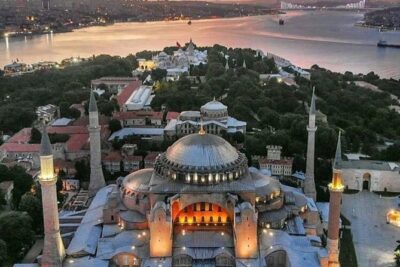
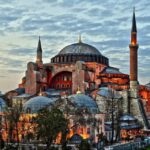
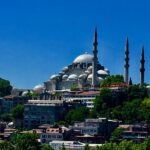
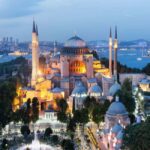
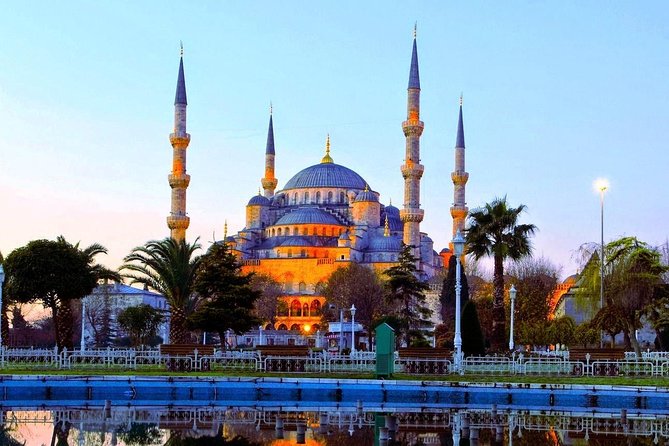
Turkey compresses hard into 15 days. This Flying Carpet route strings together Istanbul with Gallipoli, Troy, Ephesus, Pamukkale, and Cappadocia in one plan, using a small group and real transfers. I love the guided first hit at Blue Mosque and St Sophia, plus Topkapi and the Hippodrome.
My second favorite part is the hands-on culture: the carpet village weaving lesson after Ephesus, then pottery making in Avanos in Cappadocia. You also get the Mevlana Rumi context, so the spiritual side isn’t just a quick photo stop.
The only drawback is the pace. Expect long travel days and early starts between sites, so if you need slow mornings, you’ll want to use the free time in Fethiye and Antalya well.
In This Review
- Key things to know before you go
- Is Western Turkey in 15 days realistic?
- Small-group comfort, real support, and your guide team
- Istanbul: Blue Mosque, St Sophia, Topkapi, Hippodrome, and Europe–Asia waters
- Gallipoli’s WWI route: Lone Pine, Chunuk Bair, ANZAC Cove, and the old trenches
- Troy (Truva) and Pergamon: UNESCO ruins plus Troy Museum
- Ephesus to Şirince: amphitheater scale, Celsus, carpet weaving, and wine tasting
- Aphrodisias, Pamukkale, and Hierapolis: sculpture school, white terraces, and Roman hot springs
- Salda Lake and Fethiye: Turkish Maldives, then a coastal choose-your-own-day
- Antalya’s necropolis, Perge, and Aspendos: Roman scale without the crowds
- Konya and Çatalhöyük: Mevlana Rumi, manuscripts, and early human history
- Cappadocia: underground city, Göreme open-air museum, and valleys plus Avanos pottery
- Ankara and Anitkabir: Atatürk’s mausoleum and a final return to Istanbul
- Price and value: what you really get for about $3,915
- Who this tour fits best
- Should you book the Flying Carpet 15-Day Tour from Istanbul?
- FAQ
- Where does the tour start and end?
- How many people are in a group?
- Is pickup included in Istanbul?
- What is included in the tour price?
- Are meals included?
- Are there optional activities during the tour?
- Do I need travel insurance?
- What happens if weather affects the tour?
Key things to know before you go
- Small group size (max 12) means you spend less time waiting and more time looking closely
- Guide-led history at major sites keeps the ruins from feeling like random piles of stones
- Hands-on stops like carpet weaving and pottery add texture beyond sightseeing
- A route that includes both coasts and big interiors keeps the trip from feeling repetitive
- Weather and walking matter since parts of the itinerary are outdoor and terrain-based
- Good transfer coverage: inbound and outbound Istanbul transfers keep logistics simple
Is Western Turkey in 15 days realistic?
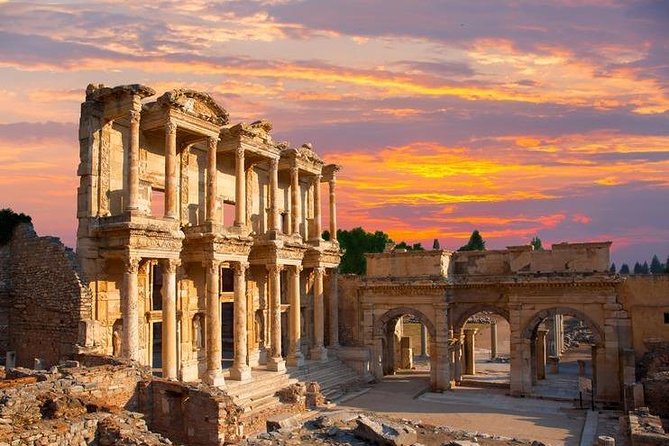
This tour is built for travelers who want a lot of Turkey, and fast. You start in Istanbul, then sweep through key stops in the Aegean and Mediterranean regions, before heading into the big-history and fairytale-rock world of Cappadocia, and finishing in Ankara before returning to Istanbul.
What makes it work is the mix: big-city icons (Istanbul), heavy history (Gallipoli), classical ruins (Troy, Pergamon, Ephesus, Aphrodisias, Perge, Aspendos), natural wow moments (Pamukkale and Salda Lake), and then a totally different visual world (Cappadocia). If your travel style is “see a lot, but still get explanations,” this fits.
If you prefer your days to be unhurried, you’ll still manage—but you’ll need to treat this like an active itinerary. Think comfy shoes, water, and a willingness to move on.
You can also read our reviews of more tours and experiences in Istanbul.

Small-group comfort, real support, and your guide team
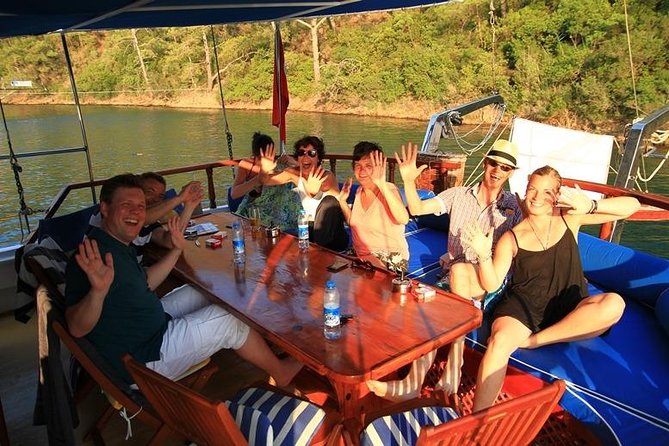
The tour runs with a maximum of 12 travelers, and that small-group size shows up in how the day feels. You’re not stuck in a huge herd. Questions get answered. Timing is easier.
One of the strongest signals from past participants is the way the guide and driver help you stay on track. Names that come up often include guides like Fatih Karci, Halil Esen, Tamer, and Cengizhan—and drivers such as Murat, Baki, and Ege. What people appreciate is practical help: getting assistance with hotel check-ins, helping decode lunch menus, and being flexible when schedules need smoothing so the day flows better.
You’ll also be in a fully air-conditioned, non-smoking vehicle, which matters once you’re doing back-to-back drives in Western and Central Turkey. This is one of those trips where having a good driver can feel like half the vacation.
Istanbul: Blue Mosque, St Sophia, Topkapi, Hippodrome, and Europe–Asia waters
You get two Istanbul days, and that’s a smart choice. Day 1 is a relaxed arrival: you’re transferred to your hotel, then the rest of the day is yours to explore at your pace. No stress.
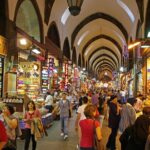
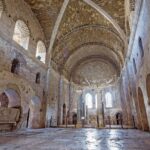
Day 2 is the guided highlights day. Your visit covers the Blue Mosque, St Sophia Museum, Topkapi Palace, and the Hippodrome. This is the best kind of “greatest hits,” because the sites are all close enough to make the morning feel efficient, but different enough that you’re not bored after the first stop.
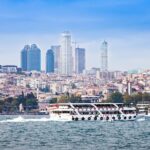
In the afternoon, you cruise on the Bosphorus area where Europe and Asia face each other across the water. There’s also an optional half-day Bosphorus cruise you can add if you want more time on the water.
If you want the most value from these days: do one early walk on your own on day 1, then let the guide do the heavy explaining on day 2. That gives you context before you start wandering.
Gallipoli’s WWI route: Lone Pine, Chunuk Bair, ANZAC Cove, and the old trenches
Gallipoli is the trip’s emotional center. The day includes stops like Lone Pine and Chunuk Bair Memorials, ANZAC Cove, The Nek, Johnston’s Jolly, plus original trenches and tunnels.
This is not a casual “look and move on” kind of day. You’ll be standing, walking, and paying attention. If you bring even a little bit of WWI context, the places become more meaningful fast. If you don’t, that’s okay too—the tour format is built to help you understand what you’re seeing without turning it into a textbook lecture.
Time-wise, this day runs long (about 11 hours). So plan for a full day of focus. Bring a hat or use sun protection, and keep water handy. You’ll be glad you did once the memorial areas are under direct light.
Troy (Truva) and Pergamon: UNESCO ruins plus Troy Museum
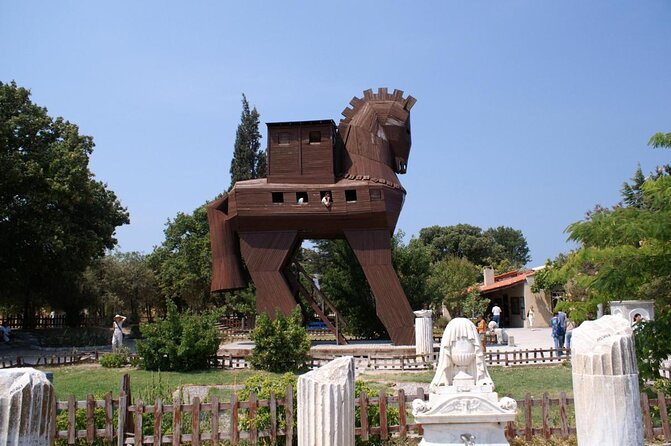
Day 4 is classic Turkey for people who like their history to have names attached. First up is Troy, a UNESCO World Heritage Site, where you’ll explore the ancient city and also visit the new Troy Museum.
Then you head toward Bergama (Pergamon) and go up to the acropolis area. This is where the story becomes visual: temples, big civic spaces, and the sense that this place was a major cultural center in its time.
A practical note: this day includes driving and walking in historic areas, so don’t plan anything strenuous for the night after. When you’re done, you’ll probably want dinner somewhere simple rather than chasing extra plans.

Ephesus to Şirince: amphitheater scale, Celsus, carpet weaving, and wine tasting
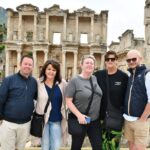
Ephesus is one of those stops where your brain keeps asking, How did people build this without cranes? You start with a guided visit of key highlights: the Temple of Artemis site, the grand facade of the Library of Celsus, and the amphitheater.
You’ll also visit the Ephesus Archaeology Museum, which helps you connect what you see outside with artifacts and context inside. That pairing makes the ruins easier to follow.
Then you add two culture stops that break up the museum-and-ruins rhythm. First, there’s time at a carpet village where you learn how carpets are made by hand and what affects value. Second, you head to Şirince for a wine tasting experience.
This is a nice balance: Ephesus gives you the grand ancient world, and Şirince gives you a more human-scale break—food, taste, and a village vibe.
Aphrodisias, Pamukkale, and Hierapolis: sculpture school, white terraces, and Roman hot springs
Day 6 focuses on Aphrodisias, famous for its connection to Aphrodite and for its school of sculpture. You visit the stadium (described as the best preserved in Anatolia), the Temple of Aphrodite, plus areas like the Tetrapylon, theatre, and the museum.
Before Aphrodisias, the itinerary includes a leather shop visit. If you don’t want shopping, you can treat it as a quick cultural stop—just be clear with yourself about budget.
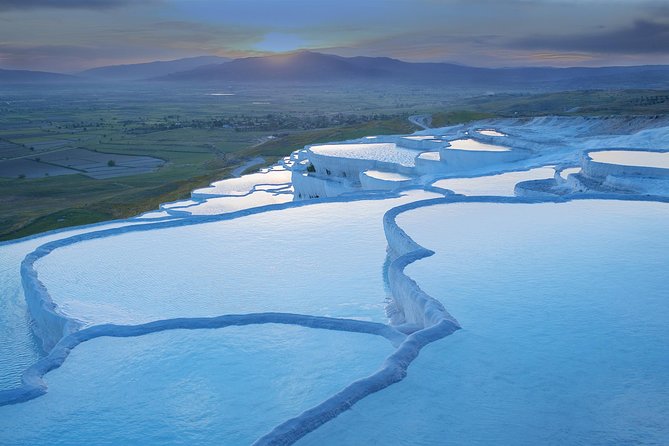
Then you continue on to Pamukkale, and the next day gives the big “wow” moment. You explore the white calcium terraces and the ancient city of Hierapolis, including the chance to take a dip in the hot springs used in Roman times, among ancient columns.
This is one of the few moments on the trip where time tends to slow down. If you plan to swim, go when it’s most convenient for you and take your time. The experience is part scenery, part soaking, and part walking around ancient ruins.
Salda Lake and Fethiye: Turkish Maldives, then a coastal choose-your-own-day
After Pamukkale, you head to Salda Lake, sometimes called the Turkish Maldives because of its clear water and mountain setting. It’s a change of pace from terraces and temples, and it looks great for photos if the light is right.
From there, you travel down to Fethiye. Day 8 gives you breathing room: time to explore the town on your own, plus optional activities. Two options listed are a 12 island boat trip and a Saklıkent Gorge tour.
This free-time structure is a smart part of the tour. After a string of guided ruins, you get to reset your brain. If you’re the type who always wants one “sea day,” this is where you slot it in.
Antalya’s necropolis, Perge, and Aspendos: Roman scale without the crowds
Antalya becomes your base for two key days. Day 9 includes a stop at Kayaköy, the abandoned Greek village, where the light helps for strong photos. Then you continue to Antalya and visit the Antalya Necropol Museum to understand ancient burial practices and artifacts from different periods.
Day 10 is pure Roman wow. You visit Perge early, then drive to Aspendos for its famously well-preserved 2nd-century amphitheater. You return to Antalya after, with the rest of the day free.
This is a good setup for people who like their history dramatic but not exhausting. If you pace yourself and don’t over-plan the free afternoon, you can enjoy Antalya at night without feeling like the day is still chasing you.
Konya and Çatalhöyük: Mevlana Rumi, manuscripts, and early human history
Konya adds a different layer to the itinerary. You visit the mausoleum of Mevlana Celaleddin Rumi and explore the Mevlana Museum, where you’ll see his beautifully adorned tomb and exhibits connected to whirling dervishes and spiritual traditions. The focus here is on meaning, not just monuments.
Later, you continue along the Silk Road concept with a visit to the Çatalhöyük Museum, which brings to life one of the world’s oldest advanced Neolithic settlements.
The pairing works because it shows how different eras can feel connected through culture, ideas, and how people organized their lives.
Cappadocia: underground city, Göreme open-air museum, and valleys plus Avanos pottery
Cappadocia day starts with a stop at Sultanhani Caravansary, which helps set the stage for why these routes mattered. Then you explore an underground city, a reminder that safety and practicality were built right into daily life.
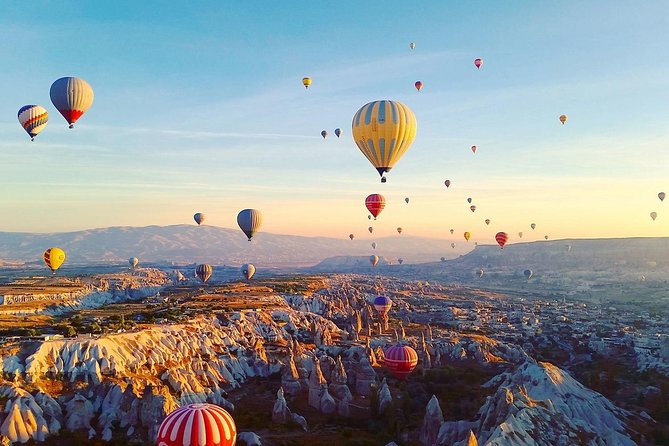
Day 13 is the “on top of the world” version. You visit the Göreme Valley Open Air Museum and see the fairy chimneys, then continue through Pigeon Valley and Red Valley. You also stop in Cavusin and finish in Avanos, where you learn about hand-made pottery.
This is a part of the trip where you’ll want to pay attention to walking surfaces and time it with your energy. If you’ve been on long days for a week already, give yourself permission to take breaks and just look.
Ankara and Anitkabir: Atatürk’s mausoleum and a final return to Istanbul
Day 14 shifts you to Ankara. You visit Anitkabir, the mausoleum of Mustafa Kemal Ataturk, then return to Istanbul.
This day is more about one major stop plus the transition back to your final night. It works well as a closing chapter: after Cappadocia’s unusual terrain, Ankara feels grounded and national in scale.
Day 15 ends the tour after breakfast, with a transfer back to the meeting point area in Istanbul for your onward flight.
Price and value: what you really get for about $3,915
At $3,915.35 per person for about 15 days, you’re paying roughly $260 per day before any optional add-ons. That sounds like a lot until you list what’s already baked in: 14 nights accommodation, a professional English-speaking tour guide, air-conditioned transportation, entrance fees, plus inbound and outbound Istanbul transfers.
Also, tips are listed as included except for the driver and guide. That matters because the trip includes a lot of services that would otherwise cost extra as add-ons.
One more value factor: the schedule is built to reduce decision fatigue. You don’t need to plan every route between major sites or figure out how to stitch them together across regions. That’s a real cost saver in time and energy.
Still, this is not a “wander and stop whenever” tour. If you want free days every other morning, you might find the pace taxing.
Who this tour fits best
This is a good match for you if:
- You want a first-time Turkey experience with major highlights, but still want guided context
- You like a small-group vibe (max 12) and value the guide’s explanations
- You enjoy variety: monuments, ruins, sea views, hot springs, and Cappadocia rock formations
- You’re okay with long days and using free time wisely rather than expecting it daily
It might feel less ideal if:
- You’re sensitive to travel days and want minimal driving
- You need a slow, flexible pace with lots of unstructured time
Should you book the Flying Carpet 15-Day Tour from Istanbul?
If your goal is to see a wide sweep of Western Turkey plus Cappadocia, this tour makes that goal feel attainable. I like that it covers big names—Istanbul, Ephesus, Pamukkale, Cappadocia—but also includes texture stops like carpet weaving, pottery in Avanos, and memorial sites that deserve more than a quick glance.
Book it if you want structure, good guidance, and efficient transfers, and you can handle a packed itinerary. Skip it if you’re chasing a relaxed trip where the main activity is taking your time.
FAQ
Where does the tour start and end?
The tour starts at Port Bosphorus Hotel in Beyoğlu, Istanbul. It ends back at the same meeting point area in Istanbul.
How many people are in a group?
The tour has a maximum of 12 travelers.
Is pickup included in Istanbul?
Yes. Inbound and outbound transfers in Istanbul are included, and pickup is offered.
What is included in the tour price?
The tour includes accommodation for 14 nights, a professional English-speaking guide, air-conditioned non-smoking vehicle transportation, entrance fees, and the Istanbul transfers. It also lists tips as included except for the driver and guide.
Are meals included?
Breakfast is listed as optional for 14 days, and dinner is listed as optional for 7 days. You’ll want to confirm what’s included in your specific booking.
Are there optional activities during the tour?
Yes. There’s an optional half-day Bosphorus cruise in Istanbul, and in Fethiye there are optional tours such as a 12 island boat trip and a Saklıkent Gorge tour.
Do I need travel insurance?
Yes. Compulsory travel insurance is not included.
What happens if weather affects the tour?
The experience requires good weather. If it’s canceled due to poor weather, you’ll be offered a different date or a full refund.