
REVIEW · GALLIPOLI DAY TRIPS
Daily Gallipoli Tour from Istanbul
Book on Viator →Operated by Sally Tour · Bookable on Viator
War graves demand your attention. This day trip from Istanbul takes you to the Gallipoli battlefields and memorials tied to the ANZAC story, plus a museum stop that gives context to the sacrifice. You’ll also get a guided route that moves through places like Lone Pine and Chunk Bair, not just a single viewpoint.
I like how the itinerary is built around the major commemorations you’ll want to understand: ANZAC cove, Ariburnu Cemetery, The Nek, and Johnston’s Jolly with its trench-and-tunnel setting. I also appreciate the small-group feel, with a maximum of 15 people, and the fact that the Gallipoli admission is marked free for the main stop.
One thing to consider is the total time: plan on a 13-hour day starting at 7:00 am. If you hate early starts or long rides, this is the part you’ll feel most.
In This Review
- Key highlights at a glance
- A long Istanbul morning that pays off at Gallipoli
- What you’ll see on the Gallipoli memorial route
- Brighton Beach and Beach Cemetery: the coastline perspective
- ANZAC Cove: the emotional center of the day
- Ariburnu Cemetery and the Anzac Commemoration site
- Lone Pine Australian Memorial: unit-scale remembrance
- Johnston’s Jolly: trenches and tunnels
- 57th Regiment Turkish Memorial: perspective beyond one side
- The Nek and Chunk Bair: the named ground of two national stories
- Museum stop: why you’ll want to read, not rush
- Timing that actually works: 4 hours at Gallipoli inside a 13-hour day
- Small group size: easier conversations, less feeling “herded”
- Price and value: is $299 worth a long day?
- Who should book this Gallipoli tour from Istanbul
- Practical notes that make the day go smoother
- Should you book the Daily Gallipoli Tour from Istanbul?
- FAQ
- What is the start time for the Daily Gallipoli Tour from Istanbul?
- How long is the tour in total?
- How long do you spend at Gallipoli?
- Is pickup offered?
- What is the group size limit?
- Do I need a printed ticket?
- Is admission included for the Gallipoli stop?
- What places are included at Gallipoli?
- How do I get confirmation after booking?
- Where is the meeting point?
- What is the cancellation policy?
Key highlights at a glance
- 7:00 am start time makes the day efficient and helps you beat the heaviest crowds
- 15 travelers max keeps the experience easier to manage
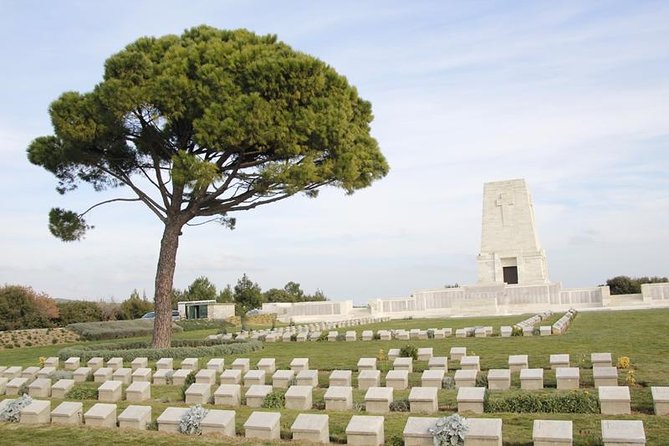
- ANZAC-focused memorial circuit includes Lone Pine, The Nek, and Chunk Bair
- Museum + battlefield viewing helps the sights make sense instead of feeling disconnected
- Free admission noted for the main Gallipoli stop makes the day easier to budget
A long Istanbul morning that pays off at Gallipoli
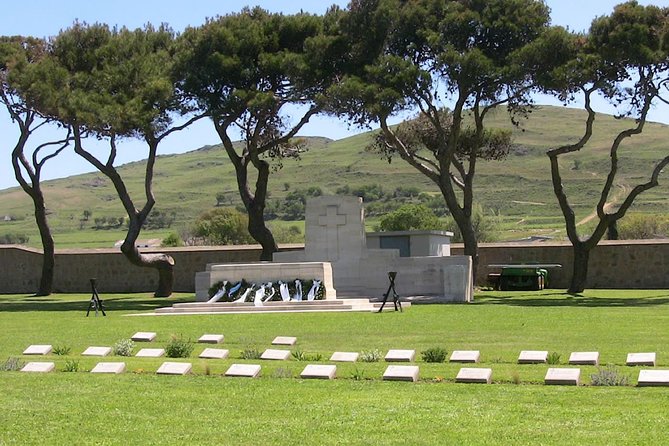
This is an all-day outing with an early kick-off. The start time is 7:00 am, and the tour runs about 13 hours total, so you’re looking at real time on the road before you even reach the memorial sites. For me, that’s not a dealbreaker, because Gallipoli is the kind of place where you do better with time to look, read, and absorb.
The “Daily” part matters too. You’re not relying on some special timetable or a rare sailing. You’re taking the steady option that’s designed to run often enough to get you there on a normal trip rhythm.
Also, this tour includes pickup, which helps if you’re staying in Istanbul without an easy, stress-free way to reach the meeting area. The meeting point is near public transportation, so if you want to line things up with your own plan, you have options.
You can also read our reviews of more tours and experiences in Istanbul.



What you’ll see on the Gallipoli memorial route
The Gallipoli stop is about 4 hours, and that’s where the heart of the experience happens. You’ll move through the commemorations and battlefield landmarks connected to World War I’s Battle at Dardanelles, with a special focus on the ANZAC troops who fought there.
Here’s what that means in plain terms: you’ll see a sequence of sites that each teaches you something slightly different. Some places emphasize the coastline and landing areas. Others focus on cemeteries. Still others are named memorial grounds tied to specific units or national commemorations. Taken together, it’s a more complete picture than one stop alone.
Brighton Beach and Beach Cemetery: the coastline perspective
You’ll visit Brighton Beach and Beach Cemetery as part of the Gallipoli circuit. These are the kinds of stops that help you “place” the campaign, because the story is tied to the shoreline and the attempt to get a foothold. Even without getting lost in details, you’ll likely feel how the terrain shaped what was possible.
If you’re the type who likes to orient yourself visually, these coastline-linked points can be a good early anchor before you move inland to cemeteries and memorials.
ANZAC Cove: the emotional center of the day
ANZAC cove is one of the stops that tends to hit hardest for many people, especially those with a connection to Australia and New Zealand. The name itself cues you that this isn’t just general sightseeing; it’s remembrance tied to a shared chapter of history.
What I’d plan for here is time spent reading. You won’t get everything from a quick glance, and the power of ANZAC sites is often in the names and the framing around them.
Ariburnu Cemetery and the Anzac Commemoration site
Next up are Ariburnu Cemetery and the Anzac Commemoration site. Cemeteries do something that museums can’t: they make the loss feel immediate and specific. The commemoration framing then helps you understand how remembrance was designed for future generations.
If you’re traveling with kids or anyone who struggles with heavy topics, it can still work, but it helps to go in ready for a quieter, more reflective pace at these points.



Lone Pine Australian Memorial: unit-scale remembrance
Lone Pine Australian Memorial is one of the major named memorials on the route. It’s a stop that helps you connect the broader battle story to particular forces and identities. This is the kind of location where the memorial design is doing real work—helping visitors understand that this wasn’t one vague event but a set of sacrifices tied to specific people.
If you’re into historical geography, I’d pay attention to how the site is laid out and how it’s positioned relative to the surrounding terrain.
Johnston’s Jolly: trenches and tunnels
Johnston’s Jolly is described as Turkish and Allied trenches and tunnels. This stop is often where the tour shifts from memorial reading into the physical realities of the battlefield. Even if you keep the facts at a high level, seeing trench-related features gives you a better sense of what soldiers faced day after day.
This is also where good context matters. You’ll get a guided explanation aimed at helping the sites connect, instead of feeling like separate photo stops.
57th Regiment Turkish Memorial: perspective beyond one side
The 57th Regiment Turkish Memorial adds an important balance to the route. You’re not only looking at the ANZAC commemorations; you’re also seeing how the Turkish side remembers and marks specific contributions and losses.
For me, that makes the day feel more grounded. History becomes less like a one-sided narrative and more like a human story with multiple losses and roles.
The Nek and Chunk Bair: the named ground of two national stories
The tour also includes The Nek and the Chunk Bair New Zealand Memorial. These named places help you understand how different communities anchored remembrance to particular ground. You’ll likely notice that the names carry an identity and a memory function, not just a location function.
Chunk Bair, in particular, is tied to New Zealand’s commemoration. If you care about family history or national remembrance, this is one of those stops where you might feel the day’s emotional arc turning heavier.
Museum stop: why you’ll want to read, not rush
Along with the memorial walk-through, you’ll visit a museum that pays tribute to the many casualties in World War I’s Battle at Dardanelles. In practical terms, this is where you get the “so what” behind what you’re seeing outside.
A museum stop works best when you treat it like a orientation tool. Take your time with the parts that connect the battle phases to the places you’ll walk afterward. If you sprint through, the memorial names may feel like a list rather than a story.
Because the Gallipoli admission is marked as free for the main stop, you don’t need to think about added ticket costs as you’re deciding how long to spend inside. Use that mental clarity for one thing: slow down enough to make the outdoor sites hit with meaning.
Timing that actually works: 4 hours at Gallipoli inside a 13-hour day
This kind of tour lives or dies on time management. You have two “time truths” here: the day starts at 7:00 am, and you’ll spend about 4 hours at Gallipoli within an overall 13-hour schedule.
What that means for you is simple. You don’t have to cram every monument into your brain, but you do want to be present for the main sequence. Four hours is enough to do the circuit without feeling rushed, especially in a small group.
It also means you should manage your energy before you leave Istanbul. Eat something before pickup if you can, and avoid going into the day starving. You’ll be in a moving rhythm for a long stretch, and even a short hunger hit can ruin your mood in a reflective setting.
Small group size: easier conversations, less feeling “herded”
The max group size is 15 travelers. That matters more than it sounds. Smaller groups typically make it easier for the guide to adjust pace, answer questions, and keep you from getting separated at key memorial moments.
From the way this is run, the aim seems to be a structured and on-time day. That’s valuable in Gallipoli, where you want to arrive ready to look and read, not rushed through because of schedule drift.
Also, with a smaller group, you’ll likely notice how others react—some folks want to stand longer at cemeteries, while others want more explanation on trench and tunnel features. A group this size gives room for that variation.
Price and value: is $299 worth a long day?
At $299 per person, this isn’t a budget whim. But it can be a reasonable value depending on what you prefer from a day trip.
Here’s the value equation I see:
- You’re paying for a full guided day with pickup and a set route through multiple named memorial sites.
- You get a focused Gallipoli visit (about 4 hours) rather than having to plan your own transport and sequence.
- Admission for the main Gallipoli stop is marked free, which helps the overall day feel less nickel-and-dime.
Where the price can feel harder is if you’re the kind of traveler who hates long travel days. Since the overall duration is about 13 hours, you’re paying for convenience and guidance, not for a short, easy afternoon.
If you do care about the ANZAC-focused story, and you’d feel lost trying to piece together the route yourself, $299 starts to make more sense.
Who should book this Gallipoli tour from Istanbul
This tour fits best if you:
- want a guided sequence across major ANZAC-linked memorials, not random points
- appreciate context from a museum visit before you look at the battlefield sites
- prefer a small group (15 max) over big bus chaos
- can handle an early start and a long day without getting cranky
It’s also a strong choice if you care about remembrance and want the route arranged around that purpose. Gallipoli isn’t really a place where “quick photos” are the main goal. The emotional and educational value comes from taking the time to read names and understand why specific sites were chosen.
Practical notes that make the day go smoother
A few small things help you enjoy the day more:
- Plan for a 7:00 am departure. That means setting yourself up the night before so you’re not scrambling.
- Use the mobile ticket option so you’re not hunting for paper.
- Bring what you need for comfort during a 13-hour day. The data doesn’t list inclusions like meals or drinks, so I’d assume you’ll want your own basics on hand.
- Keep your expectations realistic: the day is structured. You won’t be wandering freely across the whole peninsula, and that’s part of the tradeoff you’re paying for.
Should you book the Daily Gallipoli Tour from Istanbul?
If you want one organized day that connects the ANZAC memorials, the cemetery stops, Johnston’s Jolly’s trench-and-tunnel setting, and a museum context into a coherent experience, this is a strong pick. The small group limit and the emphasis on major named memorial sites make it feel purposeful rather than random.
I’d skip it if you’re short on time and don’t want an early 7:00 am start, or if you’re hoping to move at your own pace across the peninsula without a set route. In Gallipoli, the pace is part of the meaning, so if you need total freedom, plan differently.
Overall: book it if remembrance and understanding are your priorities. This is the kind of trip that works best when you go in ready to slow down.
FAQ
What is the start time for the Daily Gallipoli Tour from Istanbul?
The tour starts at 7:00 am.
How long is the tour in total?
The duration is about 13 hours.
How long do you spend at Gallipoli?
The Gallipoli stop is listed as 4 hours.
Is pickup offered?
Yes, pickup is offered.
What is the group size limit?
The tour has a maximum of 15 travelers.
Do I need a printed ticket?
No. A mobile ticket is offered.
Is admission included for the Gallipoli stop?
Admission is marked as free for the Gallipoli stop.
What places are included at Gallipoli?
You’ll see Brighton Beach, Beach Cemetery, ANZAC cove, Ariburnu Cemetery, Anzac Commemoration site, Lone Pine Australian Memorial, Johnston’s Jolly (Turkish and Allied trenches and tunnels), 57th Regiment Turkish Memorial, The Nek, and the Chunk Bair New Zealand Memorial.
How do I get confirmation after booking?
Confirmation is received at the time of booking.
Where is the meeting point?
The meeting point is near public transportation.
What is the cancellation policy?
You can cancel for a full refund up to 24 hours in advance of the experience start time.