REVIEW · BLUE MOSQUE TOURS
Blue Mosque: Art and Symbolism Guided Group Walking Tour
Book on GetYourGuide →Operated by TripGuru Turkey · Bookable on GetYourGuide
This mosque hides stories in plain sight. A guided walk through Istanbul’s Sultan Ahmed Mosque turns what looks like decoration into a map of religious and Ottoman-era symbolism.
I loved how the tour puts you face-to-face with blue stained glass and the handmade blue ceramic tiles that give the Blue Mosque its nickname. I also liked the way the guide points out specific architecture details you can easily miss on your own, from the elephant-foot pillars to the tile flowers and the gold minarets.
One thing to consider: this is a 1.5-hour walking visit. If you want a slow, quiet, long look at every surface, this group format may feel a bit time-pressured.
In This Review
- Key things to know before you go
- Sultan Ahmed Mosque: why the Blue Mosque nickname really works
- German Fountain meet-up and the 90-minute walking rhythm
- Entering the mosque: blue tiles, stained glass, and detail spotting
- Architectural clues: Ottoman-Islamic mix explained in plain language
- Mehmet Aga and the story behind the mosque’s features
- Photo tips that help you frame the Blue Mosque faster
- Price and value: is $140 for 1.5 hours worth it?
- Who should book this guided walking tour (and who should skip it)
- Should you book the Blue Mosque art and symbolism tour?
- FAQ
- Where do I meet for the tour?
- How long is the Blue Mosque guided tour?
- Is there an entrance fee to visit the Sultan Ahmed Mosque?
- What languages are offered for the live guide?
- What should I bring with me?
- Is hotel pickup or drop-off included?
- Is the tour suitable for people with mobility or health conditions?
Key things to know before you go
- Meet at the German Fountain and look for a TripGuru shirt or sign for easy handoff.
- Expect 20,000+ handmade blue ceramic tiles to be the main character of the visit.
- Learn the role of architect Mehmet Aga and why the building is remembered in architectural circles.
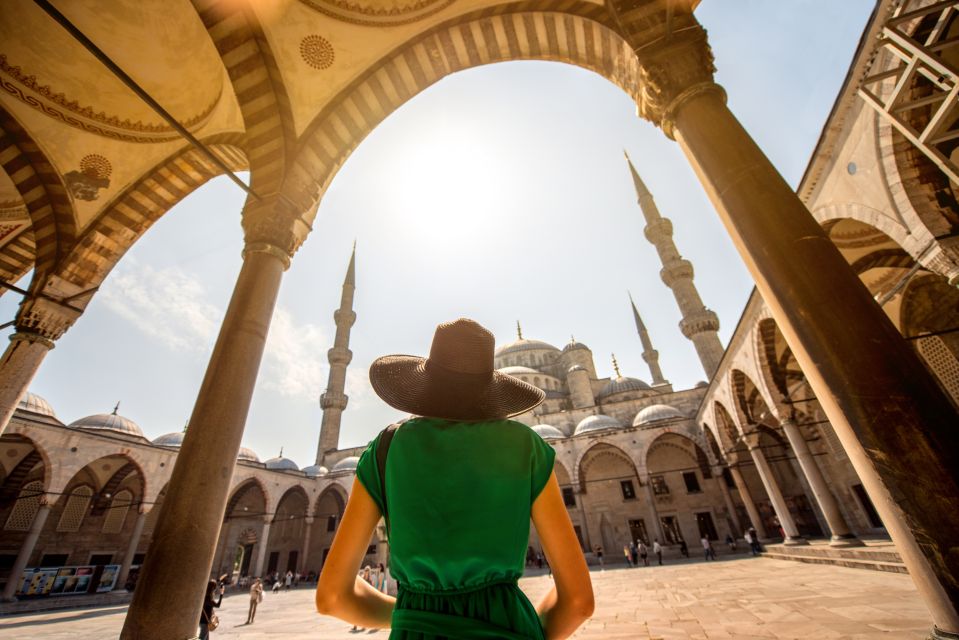
- Look for elephant-foot pillars and tile flowers as the tour’s signature detail stops.
- Get help finding strong photo angles so you can frame the mosque without guessing.
- Not suitable for everyone: the tour isn’t designed for mobility impairments, heart problems, or respiratory issues.
Sultan Ahmed Mosque: why the Blue Mosque nickname really works
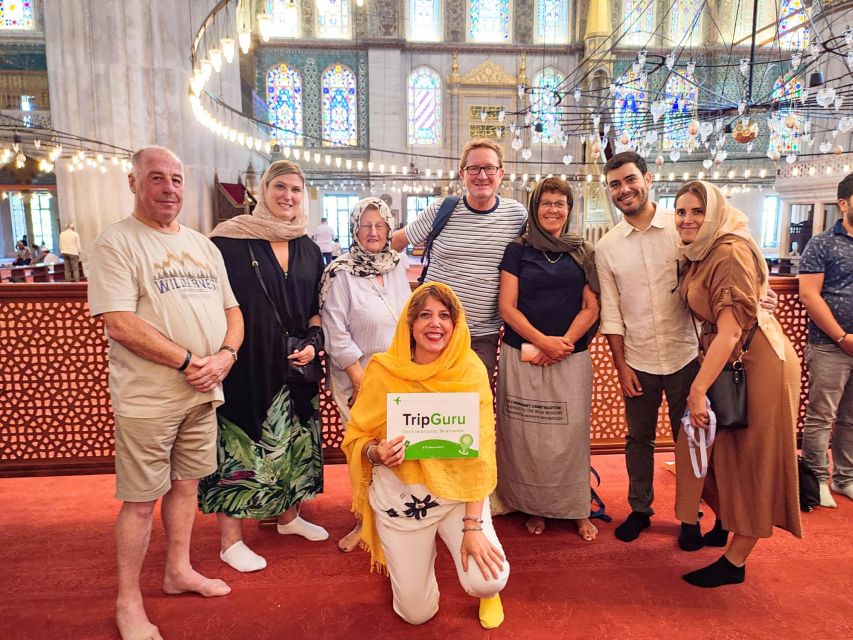
The Blue Mosque earns its nickname the moment you start paying attention. The interior and surrounding surfaces are covered in handmade blue ceramic tiles, and the stained glass brings in light that makes the blues look almost different from one moment to the next.
The effect isn’t only visual. This kind of surface detail is meant to guide your eye and your attention. On this tour, you’ll learn how features work together: tile design, architectural layout, and the mosque’s overall Ottoman-Islamic style mix. Instead of wandering through a pretty room, you’ll understand what each element is doing and why it was chosen.
It also helps that the guide doesn’t just list facts. The tour is built around interpretation. You’ll hear the story behind notable features like the elephant-foot pillars, the significance of the tile flowers, and what makes the gold minarets part of the overall impression.
And you’ll get a name connected to the building’s design: the 17th-century architect Mehmet Aga. That turns the visit into something more grounded than a vague “it’s beautiful” moment.
You can also read our reviews of more walking tours in Istanbul



German Fountain meet-up and the 90-minute walking rhythm
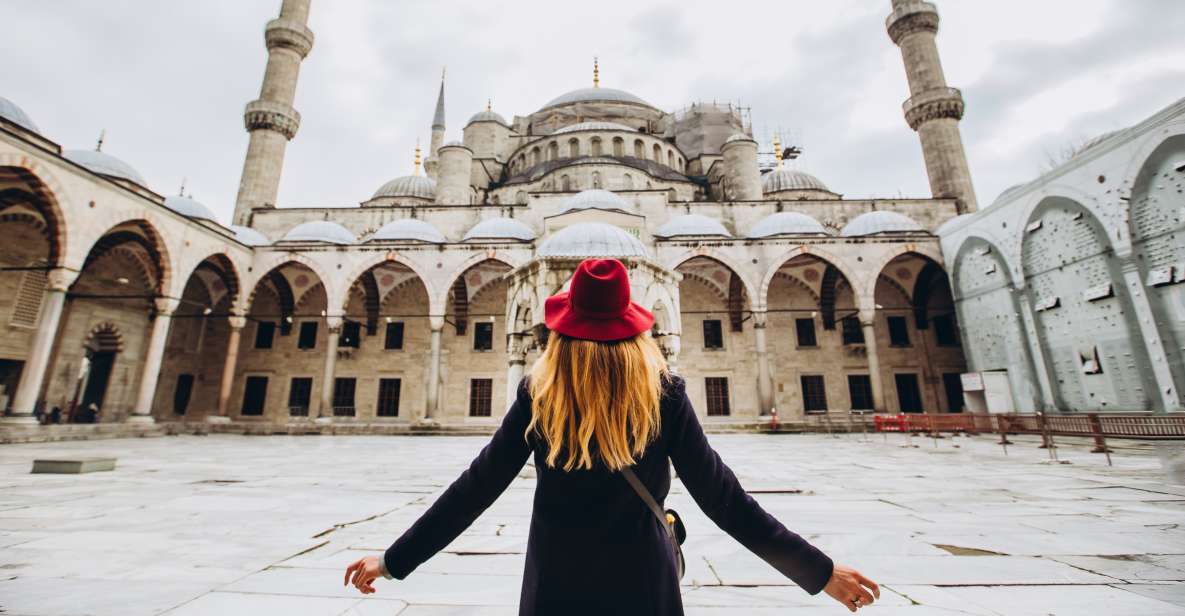
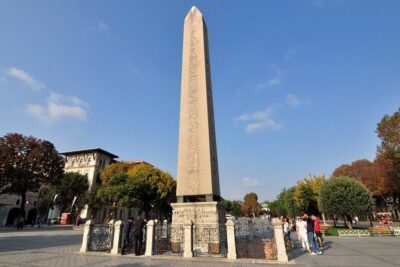
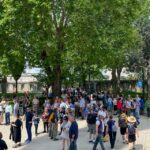
You start at the German Fountain. The simple advantage here is that you don’t need to figure out where the tour group is going to be based on a map. You just locate the guide wearing a TripGuru shirt or holding a TripGuru sign.
Plan for a 1.5-hour experience on foot, focused on one landmark: Sultan Ahmed Mosque. Because it’s concentrated, the pace is efficient. That’s great if you want maximum meaning per minute. It can feel less great if you like long pauses to sit and soak everything in.
If your plans are flexible, there’s also a bright point for spontaneity. Last-minute booking is available for the meeting point option, so you aren’t locked into planning weeks ahead just to get a guide at the right time.
What I’d prep for is the practical stuff that keeps the visit smooth. Wear comfortable shoes. Bring a scarf for covering if needed. Pack a camera if photos matter to you (and they will). The tour also asks you to bring insect repellent and cash.
Entering the mosque: blue tiles, stained glass, and detail spotting
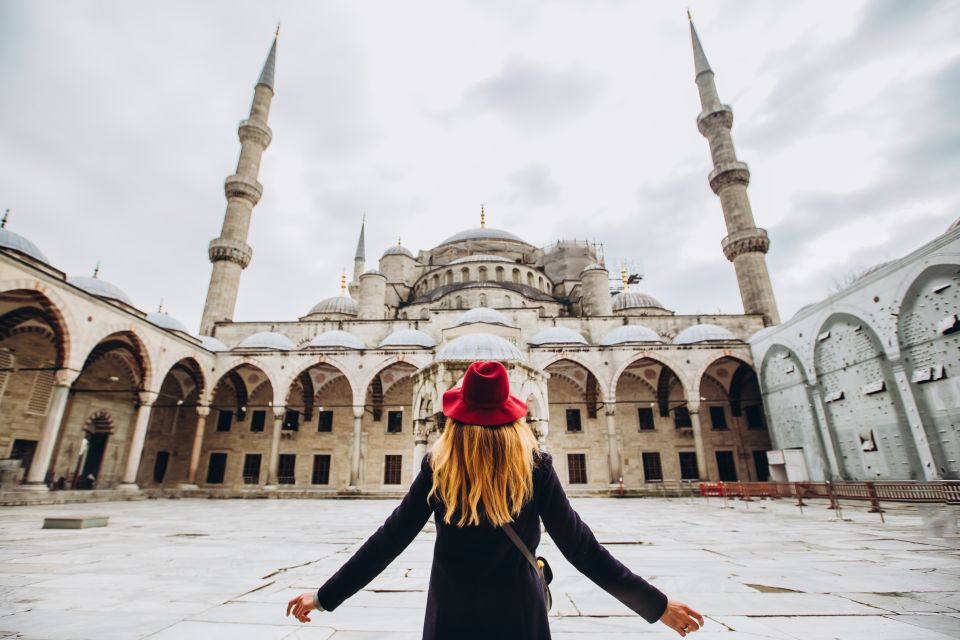
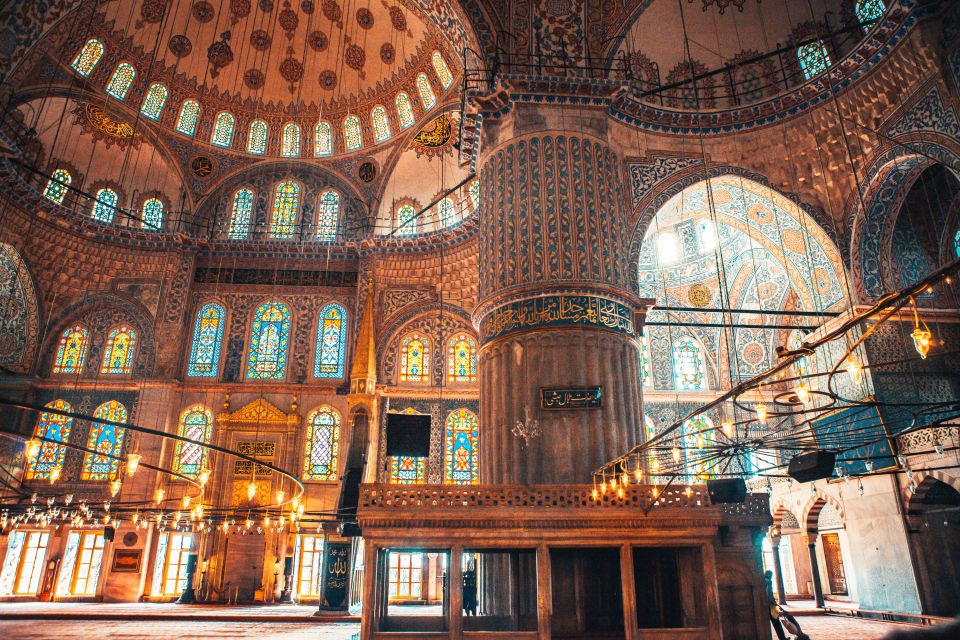
When you step in, the first thing you notice is the color. The tour is designed to keep that from becoming a one-note reaction. You’ll get directed toward the blue stained glass and the handmade tilework that covers more than just walls.
The guide helps you spot the specific elements that usually blend together when you’re not sure what to look for. One highlight is the elephant-foot pillars. Even if you’ve seen photos online, seeing them in context makes them feel more intentional, like part of the mosque’s visual language instead of a random decorative feature.
You’ll also learn what makes the tilework special at close range. The tour emphasizes there are more than 20,000 handmade blue ceramic tiles, and that number isn’t just a fun fact. It explains why the place looks so consistently detailed: this isn’t mass decoration. It’s an enormous amount of crafted work, meant to hold attention.
Another detail stop: the gold minarets. They’re a strong visual element, and the guide connects them to the larger view of the mosque. Seeing how the minarets fit into the overall composition helps you understand why the mosque looks so dramatic in skyline photos and why visitors often gravitate toward those frames.
And yes, you’ll get an entrance-level orientation that helps you avoid that common feeling of standing in front of something famous and not knowing what you’re looking at.
Architectural clues: Ottoman-Islamic mix explained in plain language
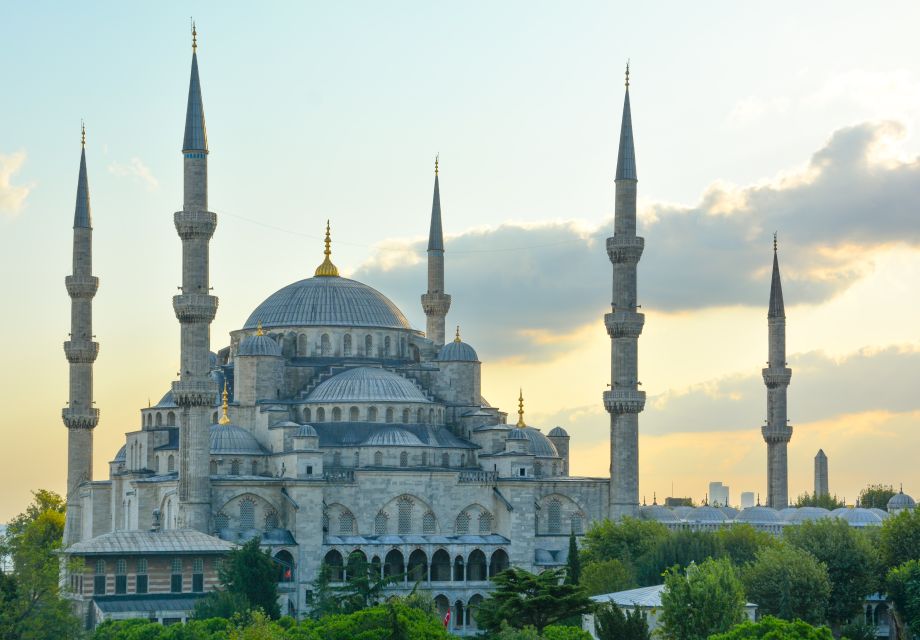
Sultan Ahmed Mosque is known for its blend of Islamic and Ottoman architecture, and the tour focuses on turning that mix into something you can actually see.
You don’t need to be an architecture student. The value here is that you get guided attention. The guide points out how the building’s design communicates status, devotion, and style in a way that still reads today, even if you don’t share the same religious context.
The tour’s approach makes the building feel less like a monument you pass through and more like a designed space. You’ll hear how parts of the mosque connect to its meaning, including how decoration and structure work as partners.
One of the most useful parts is the explanation behind features like the tile flowers. Tile patterns can look decorative and repetitive, but the guide helps you understand they were chosen with purpose. You’ll walk away knowing what to notice next time, even if you don’t catch every detail during this one visit.
This matters for value because it changes how you remember the place. A “pretty mosque” becomes a “I know what to look for” kind of experience.
Mehmet Aga and the story behind the mosque’s features
A big part of why guided visits can feel worth paying for is context. Here, the tour ties the building to its 17th-century architect, Mehmet Aga, and connects that to what you’re seeing.
Even without getting technical, you’ll understand that the design isn’t accidental. The mosque’s standout features exist for a reason, and the guide explains the significance behind them, like the elephant-foot pillars and the flower motifs in the tilework.
The tile flowers deserve their moment because they help you interpret the overall design system. Patterns repeat, and repetition isn’t just decoration. In a religious space, repetition can reinforce meaning and focus. The guide gives you the explanation you need so the details don’t stay anonymous.
If you like learning, this is where the tour feels strongest. In one Italian review, the guide named Kadri was praised for being highly prepared and for connecting historical context with modern understanding. That’s the kind of guidance that makes the building’s details stick.
Another review highlighted that the guide was attentive and accommodating for a family group, which also fits the tour’s format: it keeps people on track while still letting you ask questions.
You’ll leave with answers to the big curiosity questions you might have in the moment. You’ll also have a mental checklist for the next mosque you visit.
You can also read our reviews of more guided tours in Istanbul





Photo tips that help you frame the Blue Mosque faster

If your phone roll is full of “I took a photo, but it doesn’t look like the place,” this tour’s photo support will help.
The experience includes help finding the perfect angle to capture pictures for social media. That means you aren’t stuck experimenting for 20 minutes while your group moves on. You get direction so you can get photos that actually reflect the mosque’s layout and detail.
I like photo help like this because it respects reality. Famous buildings don’t photograph well when you stand in one random spot. Even when you’re not trying to be a professional, getting the framing right changes everything.
You’ll be guided toward views that include both the overall impression and the key details the tour focuses on—blue stained glass, tilework, and the mosque’s signature architectural elements.
Tip: bring your camera, but also keep some shots for later. The best reminder photos are often the ones that show you where you stood, not only close-ups.
Price and value: is $140 for 1.5 hours worth it?
Let’s talk value honestly. At $140 per person for 1.5 hours, this isn’t the cheapest way to see Sultan Ahmed Mosque. But it can still be a good deal depending on what you want from Istanbul.
Here’s the practical breakdown:
- You’re paying for an English-speaking guide (and the live guide operates in multiple languages).
- The tour is focused: one landmark, guided attention to specific details, and photo support.
- You don’t pay an entry fee to enter the mosque. That’s important because it keeps your spending predictable. Your money goes into interpretation, not ticket fees.
If you’re the type of traveler who loves learning what you’re looking at—like why tile patterns matter, why pillars get attention, and what different visual elements symbolize—this price can feel fair. You’re buying time-saving understanding, not just access.
If you mainly want quiet sightseeing with no structure, you might feel like you could do this on your own. But even then, the guide’s emphasis on exact features and photo angles is the difference-maker.
Also note what isn’t included. The tour does not include hotel pickup/drop-off and it doesn’t include beverages. So you’ll want to plan your own route to the German Fountain and bring what you need for the short walk.
Who should book this guided walking tour (and who should skip it)
This tour fits best if you:
- Want a short, structured visit to the Blue Mosque with strong detail focus.
- Enjoy symbolism and architectural explanations in plain language.
- Care about photos but don’t want to guess your angles.
- Like Q-and-A while you’re onsite.
It may not be a good fit if:
- You have mobility impairments, heart problems, or respiratory issues. The tour is specifically marked as not suitable for these conditions.
- You dislike walking in groups or prefer long, unstructured stops.
One more practical note: bring your scarf and take your time with covering rules. Showing up ready keeps the mood calm and avoids last-minute stress.
Should you book the Blue Mosque art and symbolism tour?
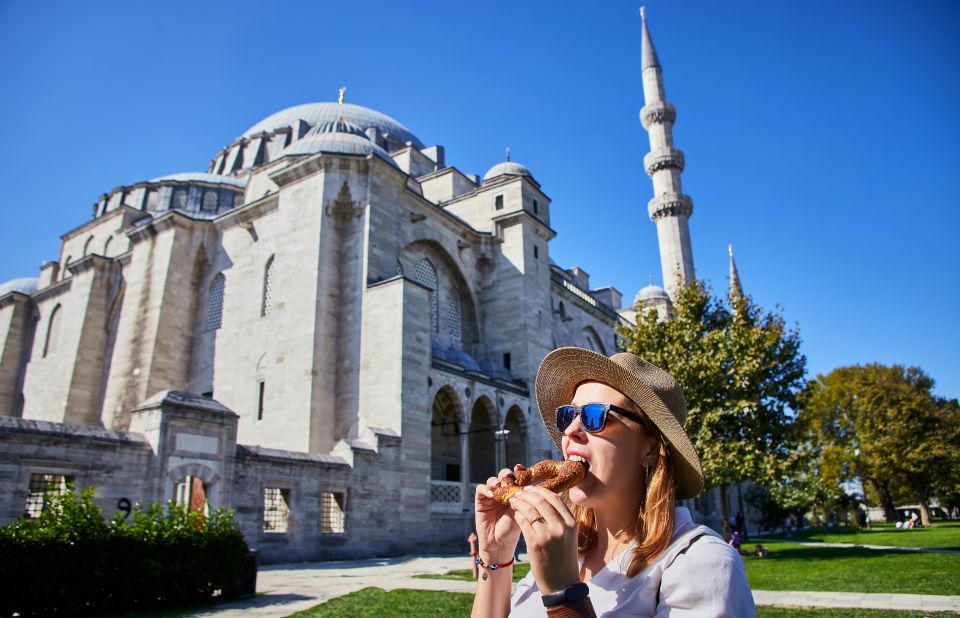
I’d book this tour if you want the Blue Mosque to make sense, not just impress you. The strongest reason is the guide-led focus on specific features you can easily overlook: elephant-foot pillars, tile flowers, gold minarets, and the big picture of why the place is called the Blue Mosque.
Skip it if you’re aiming for maximum quiet and minimal cost. This is a guided, detail-driven visit, and the 1.5-hour window means you get a guided highlight reel, not endless roaming.
If you’re excited by stories behind artwork and you want help translating what you’re seeing into something you’ll remember, this tour is a solid way to spend a short chunk of Istanbul time.
FAQ
Where do I meet for the tour?
Meet at the German Fountain. Look for a guide wearing a TripGuru shirt or holding a TripGuru sign.
How long is the Blue Mosque guided tour?
The tour lasts 1.5 hours.
Is there an entrance fee to visit the Sultan Ahmed Mosque?
There is no fee to enter the Sultan Ahmed Mosque.
What languages are offered for the live guide?
The live tour guide is available in German, English, Spanish, Portuguese, and Italian.
What should I bring with me?
Bring comfortable shoes, a camera, insect repellent, cash, and a scarf.
Is hotel pickup or drop-off included?
No. Hotel pickup and drop-off are not included.
Is the tour suitable for people with mobility or health conditions?
No. It is not suitable for people with mobility impairments, heart problems, or respiratory issues.