REVIEW · ISTANBUL
Best of Turkey Small Group Tour
Book on Viator →Operated by Sojourn Turkey · Bookable on Viator
Turkey looks big on a map. This trip makes it feel organized and doable.
You’ll start in Sultanahmet in historic Istanbul, then hit the city’s must-sees with a guide who keeps the day moving. I like that it’s built around “see it, understand it, then rest,” not just a checklist of monuments. You also get a true small group size (max 12), which helps at crowded sites without turning the trip into chaos.
There is one trade-off to consider: this is a packed 11-day circuit with early starts and lots of walking days. If you have mobility limits, you’ll want to plan for pauses and slower moments—especially on hill towns and mountain sites.
In This Review
- Key highlights worth your attention
- What you’re really paying for on a Best of Turkey small-group tour
- Day 1 in Sultanahmet: airport pickup and instant city orientation
- Day 2: Hagia Sophia, the Blue Mosque, cisterns, and the Grand Bazaar
- Day 3: Topkapi Palace treasures, the Spice Market, and Bosphorus views
- Day 4: Istanbul to Cappadocia with fortress views and a Red Valley first hit
- Day 5: Fairy chimneys, Zelve, Goreme churches, and Kaymakli underground
- Day 6: Kusadasi base via Izmir and Sirince village
- Day 7: Ephesus with terraces, St. John’s, and Temple of Artemis ruins
- Day 8: Pamukkale travertines and a Mediterranean finish in Antalya
- Day 9: Perge and Aspendos in one easy rhythm
- Day 10: Termessos on a mountain, Antalya Museum, and Kaleici nights
- Day 11: Antalya transfer and the last stretch home
- Who this tour suits best (and who should think twice)
- Should you book this Best of Turkey small-group tour?
- FAQ
- What time does the tour start, and where do I meet the group?
- Is pickup offered from the airport?
- How large is the group?
- What meals are included?
- Are entrance tickets included?
- Are international flights included in the price?
- What is the cancellation policy?
Key highlights worth your attention
- Airport pickup + hotel drop-off in Sultanahmet keeps day one stress low
- Hagia Sophia, Blue Mosque, cisterns, and Grand Bazaar in one guided Istanbul block
- Topkapi Palace + Egyptian Bazaar mixes Ottoman power with daily-life markets
- Cappadocia from valley viewpoints to underground Kaymakli keeps variety high
- Ephesus with terraces, museum time, and St. John’s Basilica gives context, not just ruins
- Antalya with Kaleici free time ends on a real vacation vibe after the ruins
What you’re really paying for on a Best of Turkey small-group tour
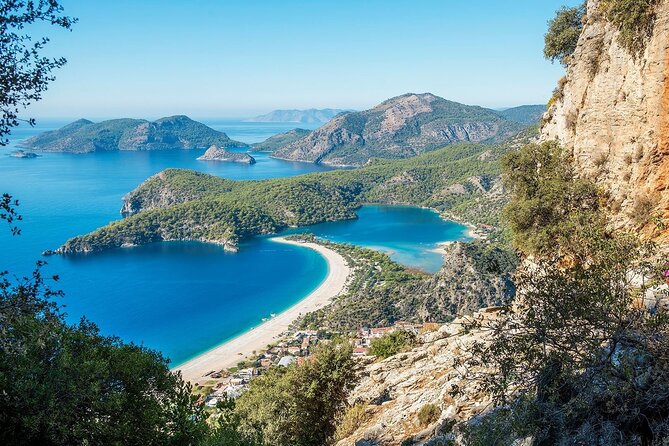
The headline price is $4,300 per person for about 11 days. That sounds high until you look at what the trip includes: a private-style guide and driver moving you between regions, plus guided time inside top sites and multiple included lunches. For many people, that saves the real cost—your time, your energy, and the mental load of figuring out connections across four major areas.
This also isn’t a “big bus” experience. With a maximum of 12 people, you should feel less like a number. In the Istanbul and regional days, your guide’s job is practical: set expectations, keep the pace sensible, and help you avoid wasted hours.
Just don’t expect this to be a slow, laid-back itinerary. It’s structured for efficiency. That’s a good thing if you want highlights. It’s not the best match if your idea of travel is long museum afternoons and zero movement.
You can also read our reviews of more tours and experiences in Istanbul.



Day 1 in Sultanahmet: airport pickup and instant city orientation
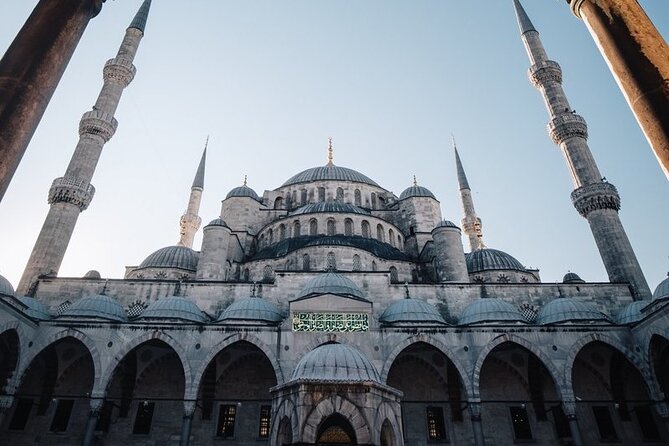
You land at Istanbul Airport, and a private guide meets you and takes you to your hotel in Sultanahmet, the historic district built on the famous seven hills. That location matters more than it sounds. You’re close to the core sights, so you can start sightseeing without spending your energy fighting transit.
After check-in, you get time to get your bearings before turning in. I like this structure because it reduces jet lag stress. You get an easy evening in the neighborhood, instead of rushing into a major guided day right away.
Practical note: the tour starts at 9:00 am, so day one setup is your cushion. If you’re arriving from a long flight, use that first night well—hydration, an early bedtime, and a short walk helps you feel human for the big sites.
Day 2: Hagia Sophia, the Blue Mosque, cisterns, and the Grand Bazaar
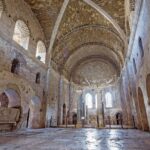
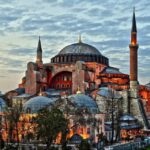
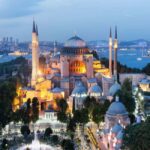
Today is all about Istanbul’s religious architecture and old-city atmosphere, with a guide translating what you’re seeing. You start at Hagia Sophia Grand Mosque, famous for its architecture and for the layered story behind it. Seeing it with context is the difference between “wow, big building” and “now I get why it mattered.”
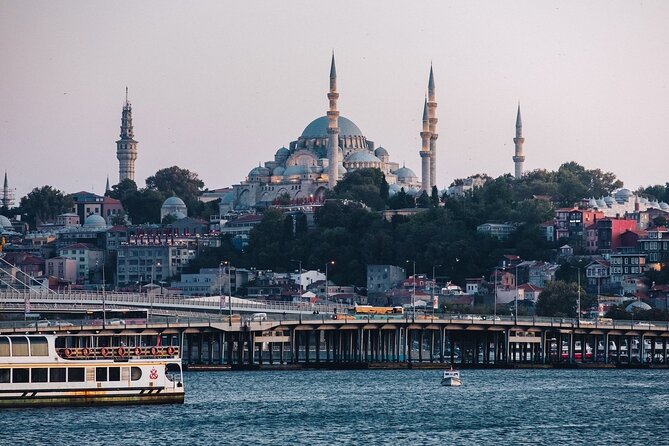
Then you move to the Blue Mosque. From a visitor point of view, the best value here is how your guide connects design choices to history and worship traditions. After lunch, you’ll visit the Hippodrome and the Basilica Cistern. Those sound like side stops, but they’re actually a smart balance: public history and daily-life engineering.
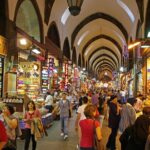
In the afternoon, you have time to browse the Grand Bazaar. This is where you can slow down. It’s also where your guide can help you shop smarter by pointing out what’s worth your time and what to treat as entertainment.
One drawback to keep in mind: Istanbul’s top sights can get crowded. The itinerary gives you guided structure, but you’ll still want comfortable shoes and patience.
Day 3: Topkapi Palace treasures, the Spice Market, and Bosphorus views
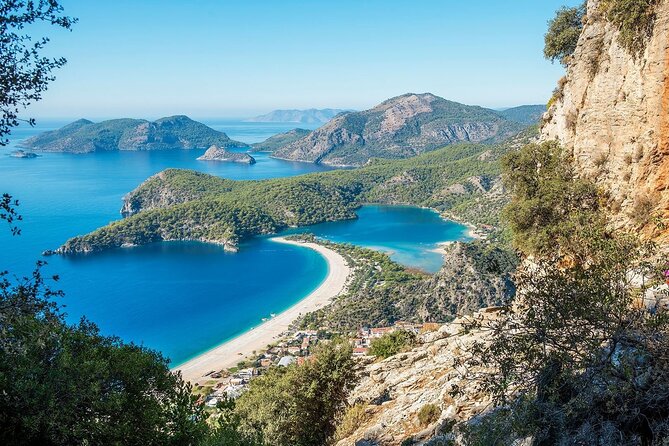
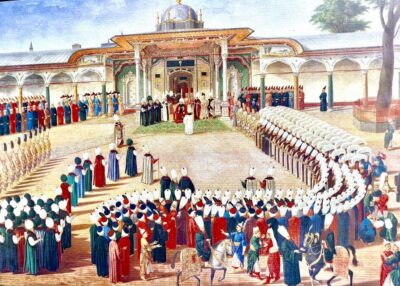
Topkapi Palace is a full experience in its own right. You’ll explore the palace and its treasures, including access to parts of the Imperial Harem—listed as hidden chambers in the plan. That is one of the biggest “why this tour works” points: it’s not just exterior photos. You’re guided through a complex site where context helps a lot.
Next comes the Spice Market / Egyptian Bazaar. This is Istanbul’s sensory counterweight after palace rooms. You’ll likely see how market culture runs on color, scent, and small deals—very different from the Ottoman court vibe of Topkapi.
After that, the tour includes a Bosphorus Strait outing, with a quiet café break afterward. That pause is a big deal. It gives your brain space after intense sightseeing. Even if you already love the water, the Bosphorus leg helps you see Istanbul as a city spread across horizons.
If you’re the type who likes photos, this day delivers. If you’re the type who likes stories, it delivers too—just in a different way.
Day 4: Istanbul to Cappadocia with fortress views and a Red Valley first hit
Today the tour shifts from Europe-meets-Asia city energy to Cappadocia’s rock landscape. You start with breakfast in Istanbul, then travel to Cappadocia with your private guide and driver.
Your first stops include Uchisar Fortress, Ortahisar, and Red Valley. This is a good way to begin because these viewpoints frame the region. Before you walk into cave churches or underground cities, you learn what the terrain is doing. It makes later stops feel less random.
After a day of exploration and travel, you check into your hotel and retire for the night. That “arrive, see, rest” approach matters here because Cappadocia evenings often feel better when you’re not exhausted.
Admission for this day is listed as free, which is a plus for value.


Day 5: Fairy chimneys, Zelve, Goreme churches, and Kaymakli underground
Cappadocia day is where the trip can feel like a highlight overload—in a good way. You start with Pasabaglari (Fairy Chimneys), then move to Zelve Open Air Museum, including carved houses and a Seljukian Mosque site.
After lunch, you continue to Esentepe for panoramic views of Goreme Valley, then see the Goreme Open Air Museum with rock-cut churches, frescoes, and a monastery area. This is where your guide’s job is crucial. Frescoes and carved spaces can look similar if you’re left on your own. With guidance, you’re better able to notice what’s different and why it matters.
The final major piece is Kaymakli Underground City. Underground stops can sound like a tunnel tour, but when it’s done well, it shows how people adapted to geography and risk. It’s practical history, not just scenery.
Admission is listed as included for this day, so you get more value from the time you spend.
Comfort tip: if you hate stairs and tight spaces, tell your guide early. Underground cities are part of the plan, but your guide can help you choose the level you’re comfortable with.
Day 6: Kusadasi base via Izmir and Sirince village
You’ll travel from Cappadocia toward the Aegean. The plan brings you to Izmir, where you’ll be met by another guide and driver. Then you visit Sirince village and head on to your hotel in Kusadasi.
Sirince is a nice palate cleanser. It breaks up the monumental rhythm of palace, mosque, and rock-cut sites. It also gives you a village pace—short walks, viewpoints, and a chance to see how daily life looks away from the big museum zones.
This day is lighter on admissions, listed as free. That can help your budget feel less tight after the heavier ticket days.
The real payoff is that Kusadasi is a convenient base. It keeps Ephesus from feeling like a one-time rush and helps you settle in.
Day 7: Ephesus with terraces, St. John’s, and Temple of Artemis ruins

Ephesus is one of those places where timing and context make everything better. You’ll tour the ancient city at a leisurely pace, including the Terraced Houses. Then you’ll visit the Ephesus Archaeology Museum—a wise move because museum time helps you understand what you’re seeing outside.
After lunch, you’ll head to St. John’s Basilica, identified in the plan as the reputed burial site of the Apostle John. You’ll also see the ruins of the Temple of Artemis, one of the Seven Wonders of the ancient world.
Then comes Mary’s House, and after that you’ll return to Kusadasi for a relaxing evening.
What I like about this structure is that it layers the day: Roman/Greek city life, then the museum, then religious sites connected to later traditions. You come away with more than photos of columns. You understand how meaning travels through centuries.
Guide bonus: some guides in this program are known for humor and flexibility, and for adding small food stops you wouldn’t find on your own. For example, Gökçen Art is described as warm and accommodating, including local food suggestions and pacing that helps avoid worst crowd moments. If your guide has that style, you’ll likely feel the trip is more personal.
Day 8: Pamukkale travertines and a Mediterranean finish in Antalya
Today starts with an overland journey to Pamukkale, the white travertines and the Hierapolis site nearby. There’s an optional chance to swim in the thermal waters of Cleopatra’s baths. Whether you do it or just watch, Pamukkale is a visual break from ancient cities.
After lunch, you continue through mountains to Antalya, where your hotel is on the coast. The plan even calls out seasonal swimming and ocean views, which is a smart reward after long history days.
This day is listed as admission free in the schedule, so your money goes further on the broader tour.
One practical note: Pamukkale can involve slipping around slick surfaces if you swim. If you’re going in, use proper footwear and listen to your guide about safe spots.
Day 9: Perge and Aspendos in one easy rhythm
You’ll visit Perge and Aspendos, described as sister cities. Both are major archaeological stops, but they also have different vibes—Perge gives you a sense of settlement and city planning, while Aspendos is often the kind of site people remember for performance-scale ruins.
There’s also optional time for a local waterfall before returning to your Antalya hotel. That optional nature is a small but important value feature. It lets you trade some history time for a reset without breaking the plan.
Admission is listed as included for this day, so again the day is designed to pay off on-site.
If you’re the type who needs a little variety each day, this is a good one: ruins plus a chance for a change of scenery.
Day 10: Termessos on a mountain, Antalya Museum, and Kaleici nights
Today is an early morning for Termessos, one of the historical sites located on top of a mountain overlooking the sea. These mountain sites are often easier to “feel” than to “explain.” Your guide’s job is to help you connect the geography to why the site was placed here and how people moved through it.
After the morning outdoors, you return to see the Antalya Museum, then tour the old town of Kaleici. The plan gives you leisure time afterward, so you can choose restaurants, bars, or just wandering.
This is a good day to treat like a finale. You’ve done a lot of structured time. Kaleici’s open-ended evening helps you close the trip with something modern and local rather than purely ancient.
Fitness note: Termessos involves uneven ground and climbing. Your moderate physical fitness level should be realistic here.
Day 11: Antalya transfer and the last stretch home
Your final day is straightforward. A private driver picks you up from your hotel and takes you back home. With no major sight schedule, it’s less stressful at the end.
This last-day structure is also good value. It reduces the chance you’re rushed into a long line somewhere on your departure day.
Who this tour suits best (and who should think twice)
This tour is a great fit if you want a best-of Turkey sampler with guides who handle logistics and context. It also works well for people who like variety: Istanbul’s imperial-era monuments, Cappadocia’s rock formations, Ephesus’s ancient city scale, then Pamukkale and the Mediterranean.
You should think twice if you want a slow pace or if long walking days are hard for you. The schedule includes hill areas, underground spaces, and a mountain site early in the day.
It also suits English-speaking travelers. The tour is offered in English, and the guides in this program are described as friendly and flexible, with strong historical interpretation and a sense of humor. In a guide style like Sakis Leonidis, patience and care are part of the service described, including making extra arrangements if someone needs help during walking-heavy days.
Should you book this Best of Turkey small-group tour?
If your goal is maximum “Turkey hits” in one trip, this tour makes sense. The strongest reasons to book are practical: small group size, private guide time, and a route that balances monuments with breaks. The included lunches and the fact that many major admissions are covered on most days make the price feel more reasonable than it looks at first glance.
If you’re budget-sensitive, the $4,300 price still requires planning. But compared to stitching together separate city tours and handling your own transfers across regions, this package is built to reduce the hidden costs: time loss, reservation stress, and transport confusion.
My final advice: if you can handle a moderately active schedule, you’ll likely love how the days flow from one region’s style to the next—without you doing the heavy thinking.
FAQ
What time does the tour start, and where do I meet the group?
The tour starts at 9:00 am. Pickup details say your private guide and driver greet you upon arrival and take you to your hotel.
Is pickup offered from the airport?
Yes. The plan includes airport pickup, with a private guide meeting you at Istanbul Airport and transferring you to your hotel in Sultanahmet.
How large is the group?
This experience has a maximum of 12 travelers.
What meals are included?
Lunch is included for 8 days.
Are entrance tickets included?
Admission tickets are included on many days per the schedule. Some days are listed as admission free, and others include admissions as part of the tour.
Are international flights included in the price?
No. International flight tickets are not included.
What is the cancellation policy?
You can cancel up to 6 days in advance of the experience for a full refund. For a 50% refund, cancel 2–6 days before the start time, and less than 2 days before is not refunded.