REVIEW · HAGIA SOPHIA TOURS & TICKETS
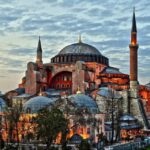
Istanbul: Hagia Sophia Guided Tour
Book on GetYourGuide →Operated by atourguideinconstantinople · Bookable on GetYourGuide
Hagia Sophia hits different with a guide. I love the skip-the-ticket-line entry setup and the way the tour turns the building into a story, not a photo stop. You’ll get a guided walk through Byzantine and Ottoman layers with a focus on mosaics and stone details, paced to help you dodge the thickest crowds. One thing to plan for: the entry ticket isn’t included in the tour price, and you’ll need cash to pay your guide on the day.
If you’re trying to see Hagia Sophia as more than a famous dome, this is a strong way to go. I like that the tour is built around mosaics and “hidden corners,” so you notice textures and details you’d probably miss alone. The one practical drawback is that building security can slow you down even with skip-the-line access, depending on how busy things are that day.
In This Review
- Key reasons this Hagia Sophia tour is worth your hour
- Meeting point behind the Blue Mosque: easy to find, easy to miss
- The real win: skip-the-ticket-line access (and what it does not mean)
- What you actually do inside Hagia Sophia (the hour that makes it make sense)
- Turning off-peak timing into better photos and calmer thinking
- Mosaics and stonework: the “scroll through time” part
- A “hidden corners” route you can actually appreciate
- What’s included vs what’s not (and how to budget)
- Dress code and rules: save yourself the hassle
- Timing reality check: security can still take longer
- Who this tour suits best (and who might want something else)
- Should you book this Hagia Sophia tour?
- FAQ
- Is the entry ticket included in the price?
- How much is the Hagia Sophia entry ticket?
- What’s the main benefit of the skip-the-ticket-line access?
- Where do I meet the tour guide?
- What time should I arrive?
- Do I need a scarf or headscarf?
- What should I wear or bring for the visit?
- Is this tour wheelchair accessible?
- How long is the tour?
Key reasons this Hagia Sophia tour is worth your hour
- Skip-the-ticket-line access gets you moving faster once you reach security
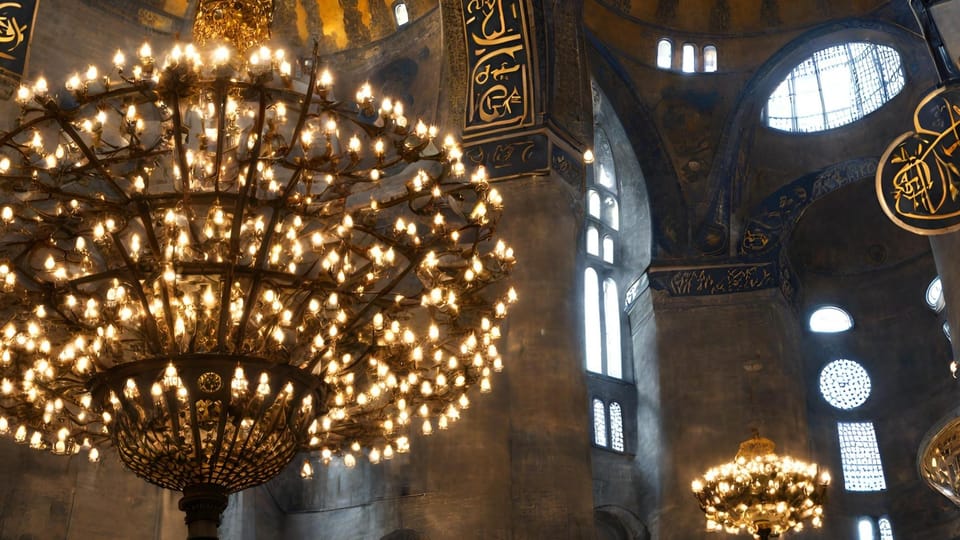
- Mosaic-focused storytelling helps you read the building like a timeline
- Planned off-peak timing aims to reduce time stuck in the densest crowds
- Local guides with real depth are highlighted for architectural and Byzantine storytelling (think Can, John, Oğulcan)
- Hidden corners mean less wandering and more purposeful viewing
- Clear dress and photo rules keep the visit smooth once you’re inside
Meeting point behind the Blue Mosque: easy to find, easy to miss
This tour starts in Sultanahmet, near one of the easiest landmarks to orient around: the tram stop by the Sultanahmet Blue Mosque. The meeting point is behind that tram stop, in the park area called Mehmet Akif Ersoy, near the Firuz Aga Mosque.
Look for your guide with a black atourguideinconstantinople flag. The most practical tip here is also the simplest: arrive 15 minutes early. There’s a note that last-minute calls about the meeting spot may be missed because the guide is welcoming other guests.
You’re not just paying for entry. You’re paying for the group to start in the right place, with the right plan, so you spend your energy inside Hagia Sophia instead of pacing around outside.
You can also read our reviews of more guided tours in Istanbul


The real win: skip-the-ticket-line access (and what it does not mean)
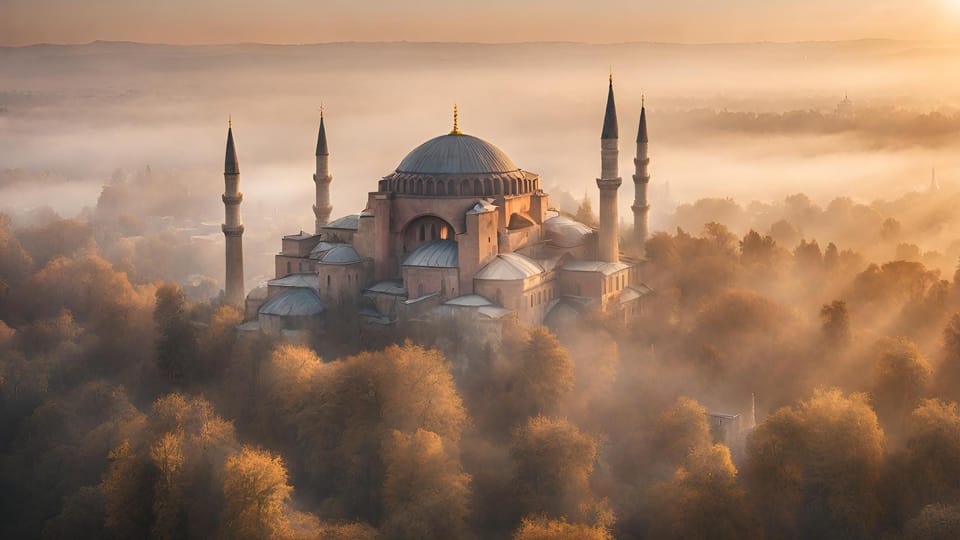
The big promise is exclusive skip-the-ticket-line access, so you can step into Hagia Sophia with less waiting at the ticket stage. That can matter a lot on a top-drawer site like this, where lines can eat up your best sightseeing time.
Here’s the part you should understand up front: skip-the-line typically helps with the ticket queue, but the visit can still involve a security check once you’re close to entry. The tour info warns that security may take longer than expected depending on how dense the building is that day.
So think of this tour as: faster route to entry, plus guided interpretation once you’re in. It’s not a magic bypass.
What you actually do inside Hagia Sophia (the hour that makes it make sense)
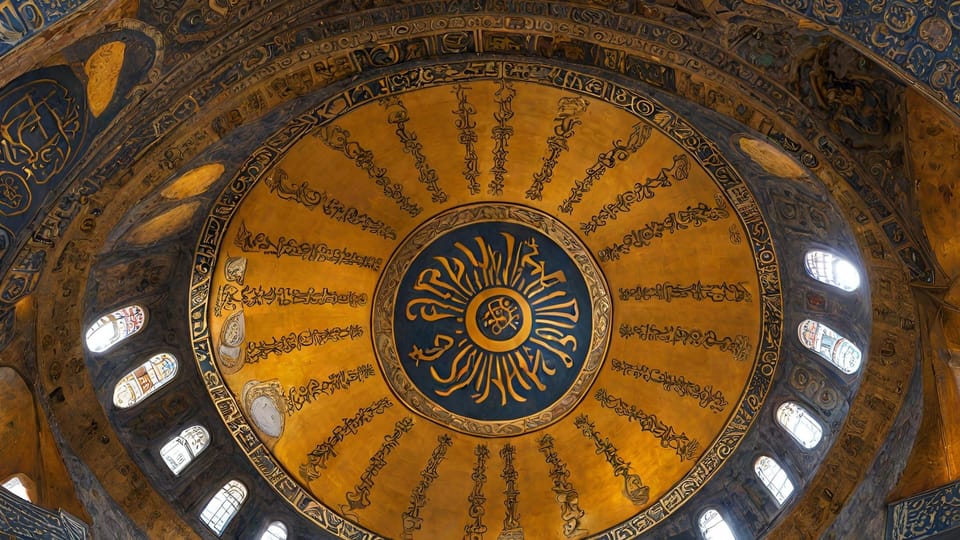
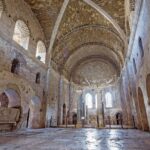
The tour lasts about 60 minutes or a bit more, and it’s designed to bring you through Hagia Sophia like a sequence of eras. The story thread is clear: you’re moving from ancient Constantinople into the Byzantine and Ottoman periods, then connecting that to its modern legacy.
You’ll spend time focusing on:
- Mosaics, described as “dozens” and presented together as a set of clues
- Stone textures and architectural details, framed as evidence of each era’s influence
- “Hidden corners,” meaning you’re not only sticking to the obvious postcard angles
In other words, you’re not sprinting from landmark to landmark. You’re learning how to see the monument.
Turning off-peak timing into better photos and calmer thinking
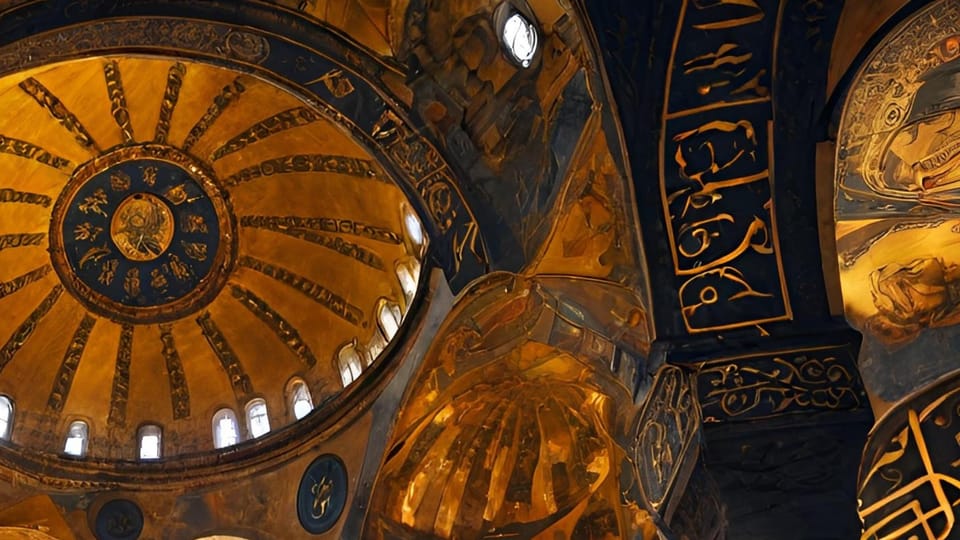
One of the highlights is that the tour is planned out of peak hours to help avoid crowds. That’s not just about comfort. When Hagia Sophia is packed, you can’t slow down enough to appreciate scale, texture, or the subtle differences in how surfaces were treated across time.
Off-peak also helps the guide do what they’re hired to do: explain, point, and connect. If you’re shoulder-to-shoulder with strangers, you end up reading signage instead of the building itself.
If you’ve ever tried to enjoy a historic site while dodging elbows, you’ll understand why that timing detail matters.
Mosaics and stonework: the “scroll through time” part
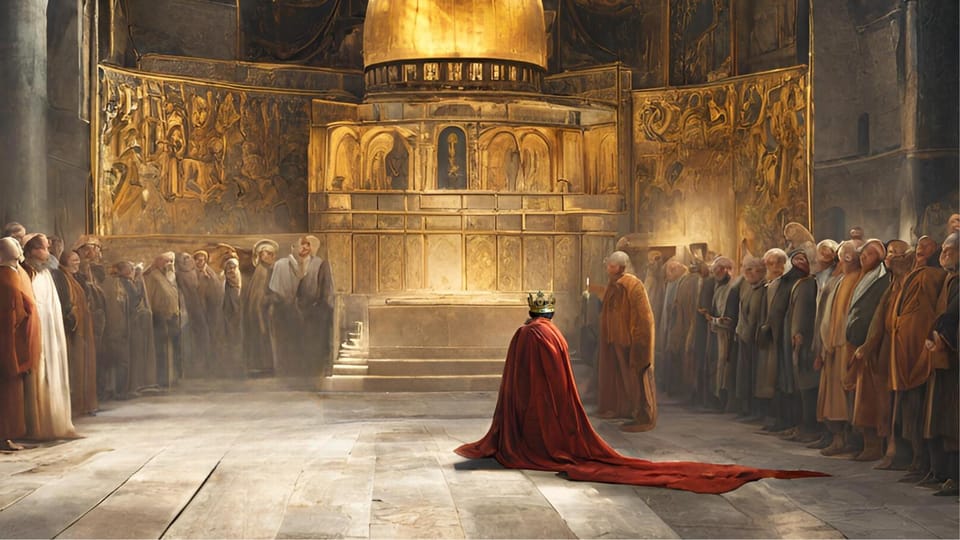
The tour’s theme is basically a time machine. You’re meant to “turn back” to 6th-century AD while walking through what survives and what was layered over it later.
The guide role is key here. The difference between a quick visit and a guided one is that someone tells you where to look and what to look for. Several guides in the tour’s orbit are praised for storytelling that goes beyond a simple fact list. Names that come up include Oğulcan, Can, and John, with emphasis on detailed architectural and Byzantine storytelling.
You’ll also likely benefit from how the mosaics are handled. They’re not shown as random decorations. They’re treated like a visual language—so you understand why certain areas feel different and what that might suggest about changing eras.



A “hidden corners” route you can actually appreciate
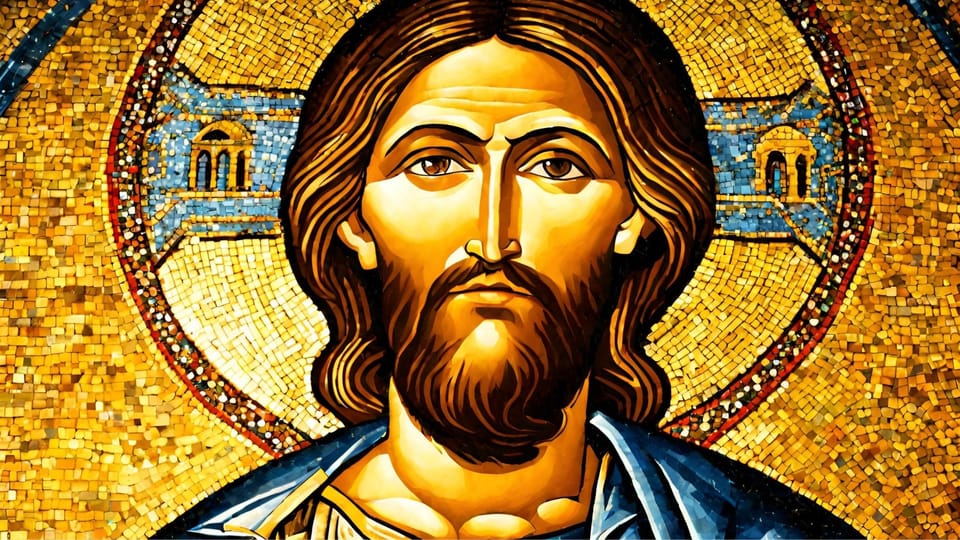
A big promise is exploring hidden corners rather than just sticking to the most obvious paths. That usually means two things for you:
1) less wasted time walking in circles
2) more moments where the building feels quiet and dimensional
Hagia Sophia is famous, so “hidden” isn’t about secrecy. It’s about angles, less-frequented spots, and areas where the guide can point out texture and structure without everyone crowding in.
If you like sites where the best moments are small—patterns, surfaces, the way light hits stone—this style of tour fits.
What’s included vs what’s not (and how to budget)
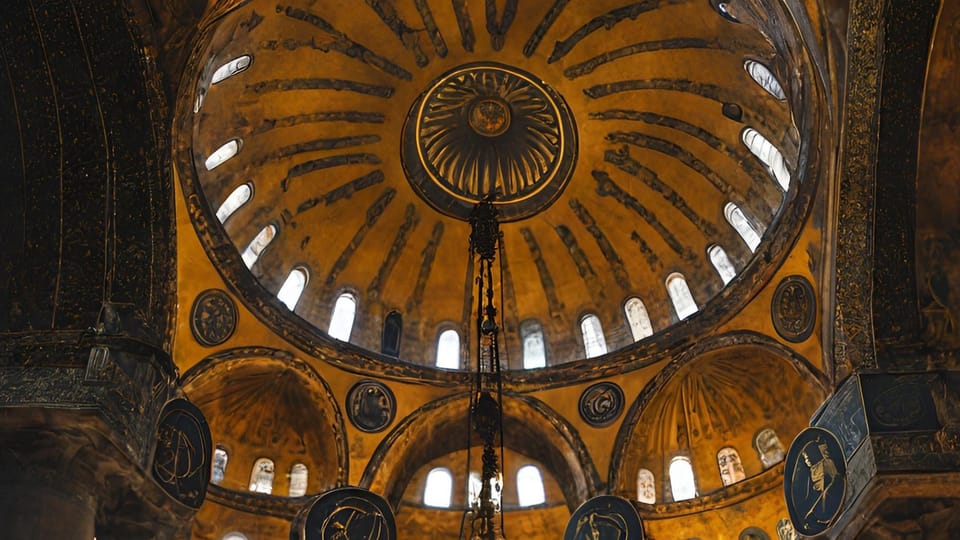
Included:
- Guided tour
- Skip-the-line access
Not included:
- Entry ticket (paid to the guide on the day of the tour)
- Hotel pickup/drop-off
- Food and drinks
- Scarfs
Here’s the budgeting reality. The tour price is listed at $29 per person, and the entry ticket price is stated as 25€ per person, paid in cash to the guide before the activity begins during the meeting. The info also warns that museum pricing policies mean the entry fee can vary on the day of your visit, and you may need to pay the current fee at that time.
So the value question becomes: you’re paying for guided interpretation plus faster ticket-stage entry, while the monument entry fee stays separate. If you’re coming during a busy time, the skip-the-line component can feel like you paid for time you don’t have to lose.
Practical move: bring cash prepared. The tour info explicitly says guests should come prepared to pay in cash.
Dress code and rules: save yourself the hassle
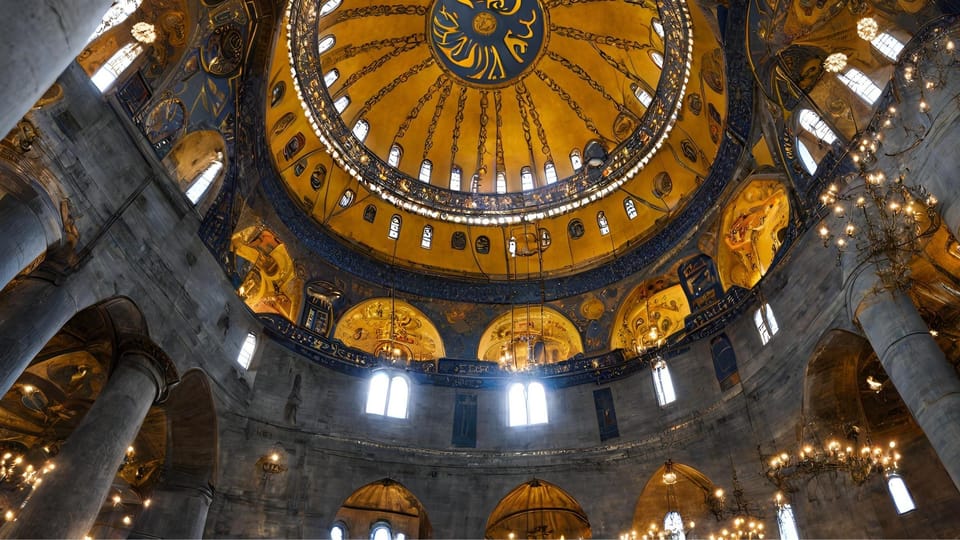
This tour is serious about access inside the monument, and the rules are straightforward. Bring:
- Long-sleeved shirt
- Long pants
- Scarf (and a headscarf is included in the required items list)
Not allowed:
- Shorts
- Short skirts
- Sleeveless shirts
- Weapons or sharp objects
- Flash photography
- Tripods
- Alcohol and drugs
- Explosive substances
- Nudity
If you forget the scarf, you’ll be stuck trying to solve it at the last moment. And because scarfs are listed as not included, don’t assume you’ll be handed one.
Also consider the planning detail: some people underestimate how hot it can get outside and how long you’ll be moving between security and interior areas. If your outfit follows the rule set, you’ll spend your visit thinking about the stories instead of worrying about what you’re allowed to wear.
Timing reality check: security can still take longer
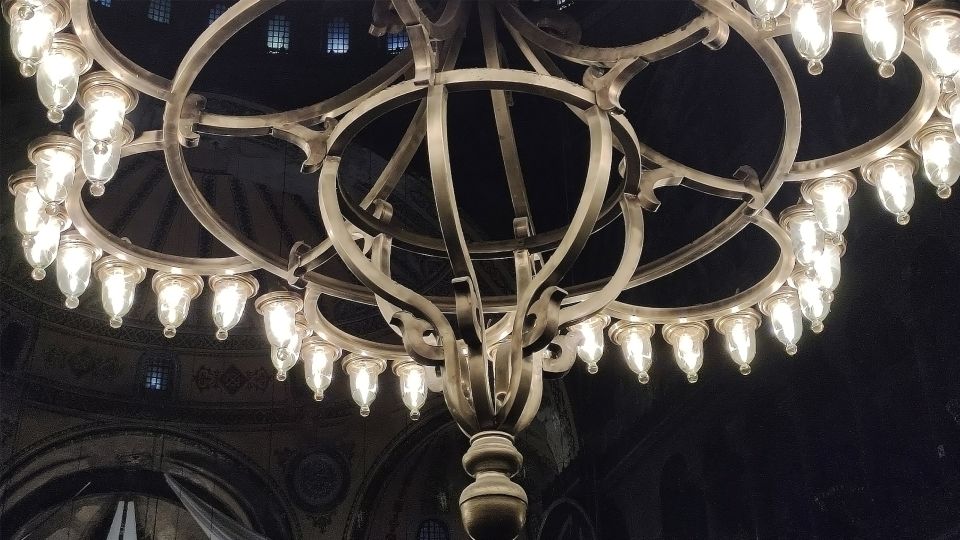
Even with skip-the-ticket-line access, the tour info cautions that security checks may take longer depending on building density. That’s a normal reality for high-traffic cultural sites in Istanbul.
The best way to protect your schedule is to:
- arrive early at the meeting point
- avoid showing up right at the start time
- wear the right clothes so you don’t need extra time to fix anything
If you’re the type who likes a tight plan, this is the one part you should treat as flexible.
Who this tour suits best (and who might want something else)
This guided tour is a great match if:
- you want someone to explain what you’re seeing, not just point at it
- you care about mosaics, stone textures, and architectural layers
- you prefer a guided route that targets “hidden corners” rather than free-roaming
It may be less ideal if:
- you need wheelchair access (it’s listed as not suitable for wheelchairs)
- you want a purely self-paced visit without any structure
- you’re traveling with constraints that make security and dress rules hard to meet
For strollers: baby strollers are accepted if they’re foldable to carry, so that’s a helpful detail if you’re traveling with a child.
Should you book this Hagia Sophia tour?
Book it if you want your hour to feel like more than standing in a crowd and snapping a few photos. The mix of guided storytelling, focus on mosaics and stonework, and off-peak planning is exactly what makes Hagia Sophia easier to understand.
If you’re on a tight budget, you should do the math first. The tour price is only part of the total outlay since the entry ticket is separate (listed as 25€ per person and potentially varying), and you’ll pay your guide in cash.
My rule of thumb: if Hagia Sophia is your must-see in Istanbul, this tour is a smart way to spend that “big one” time. If you’re happy doing a quick walk-through and reading signage, you could skip the guide. But if you want the building to feel like a story you can follow, this setup is a solid bet.
FAQ
Is the entry ticket included in the price?
No. The entry ticket is not included. You pay the ticket to the guide on the day of the tour (in cash), and the entry fee may vary.
How much is the Hagia Sophia entry ticket?
The ticket is stated as 25€ per person, paid to the guide before the tour begins during the meeting. The price may change on the day due to museum policies.
What’s the main benefit of the skip-the-ticket-line access?
It’s designed to reduce waiting by letting you step into Hagia Sophia without going through the ticket line. You may still encounter security checks once you’re close to entry.
Where do I meet the tour guide?
The meeting point is behind the Sultanahmet Blue Mosque tram stop in the park (Mehmet Akif Ersoy, by the Firuz Aga Mosque). The guide will be waiting with a black atourguideinconstantinople flag.
What time should I arrive?
Arrive 15 minutes early. The tour info also notes that last-minute phone calls about the meeting point may be missed.
Do I need a scarf or headscarf?
Yes. You should bring a scarf, and the tour also lists a headscarf in what to bring.
What should I wear or bring for the visit?
Bring long-sleeved shirts and long pants, plus a scarf/headscarf. Flash photography and tripods are not allowed.
Is this tour wheelchair accessible?
No. It’s listed as not suitable for wheelchair users.
How long is the tour?
It’s listed as about 1 hour (shown as +60 minutes). You’ll need to check availability for the starting times.