REVIEW · ISTANBUL CITY HIGHLIGHTS & PRIVATE TOURS
Best Highlights of Istanbul: Private Guided Tour 1, 2 or 3 Days
Book on Viator →Operated by City of Sultans · Bookable on Viator
Istanbul clicks into focus with a private guide. This customizable 3-day plan helps you connect major sights without getting lost in the details, and it runs with the benefit of a flexible itinerary. You’re paired with a professional guide speaking English, with only your group involved.
I like the way the days mix big-name monuments with street-level life. You’ll see the famous courtyards and domes, then shift to places like spice markets and waterfront neighborhoods that make Istanbul feel real.
One thing to consider: entrance fees and transportation are not included, so your total cost depends on which ticketed sites you choose and how you get between stops.
In This Review
- Key points that make this tour work
- Entering Istanbul’s Big Names Without Getting Lost
- Day 1: Hagia Sophia, Topkapi, Blue Mosque, Hippodrome, and the Grand Bazaar
- Hagia Sophia Grand Mosque: the dome in context
- Topkapi Palace: Ottoman power and museum treasures
- Blue Mosque: matching blues, visible architecture
- Hippodrome: the “politics and sport” center
- Grand Bazaar: shopping, but also people-watching
- Basilica Cistern: the underground “marble forest”
- Tuesday swap: Topkapi closed, Basilica Cistern fills the gap
- Day 2: Misir Çarşısı, Bosphorus Cruise, Çamlıca Hill, Beylerbeyi Palace, and the Bridge
- Misir Çarşısı: spices and senses
- Bosphorus Strait cruise: photo stops across continents
- Çamlıca Hill: a wide-angle Istanbul panorama
- Beylerbeyi Palace: a summer palace with European influence
- Bosphorus Bridge: stepping between Europe and Asia
- Day 3: Dolmabahçe Palace, Taksim Square, İstiklal Caddesi, Galata Tower, and Ortaköy
- Dolmabahçe Palace: the Ottoman court in European style
- Taksim Square and İstiklal Caddesi: modern Istanbul on foot
- Galata Tower: a skyline marker
- Ortaköy: a waterfront neighborhood under the bridge
- Price and logistics: what $179 per group really means
- What makes a private guide feel worth it here
- Who should book this tour
- Should you book this Istanbul private guided tour?
- FAQ
- How long is the Best Highlights of Istanbul private guided tour?
- Is this tour private?
- What language is the guide?
- Is the itinerary flexible or fixed?
- Are entrance fees included?
- Is transportation included in the price?
- What’s the meeting point for the tour?
- What’s the tour ending location?
- Is mobile ticketing provided?
- What happens if Topkapi Palace is closed?
- Can I cancel for a full refund?
Key points that make this tour work
- Private guide, just your group: no mixing with strangers.
- Route built for flow: major monuments plus markets and viewpoints.
- Two continents in one day: Bosphorus cruise and a quick stop on the bridge area.
- Pace-friendly moments: you get time at squares, bazaars, and promenades.
- Tuesday swap for Topkapı: if Topkapı is closed, the plan adjusts with the cistern.
Entering Istanbul’s Big Names Without Getting Lost

A good Istanbul day can turn messy fast. Crowds, queue lines, and too many “must-sees” can crowd out the actual experience. This private guided format helps because the story comes in the right order, so you’re not just collecting landmarks.
I also like that the focus stays practical. You’re not guessing what you’re looking at. With a guide in your ear, each site turns into something you can name, understand, and remember.
You can also read our reviews of more guided tours in Istanbul


Day 1: Hagia Sophia, Topkapi, Blue Mosque, Hippodrome, and the Grand Bazaar
Day 1 is a classic old-Istanbul storyline, starting with two of the most important visual experiences in the city.
Hagia Sophia Grand Mosque: the dome in context
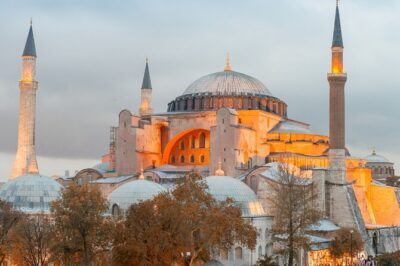
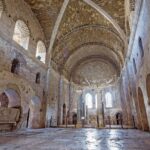
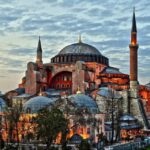
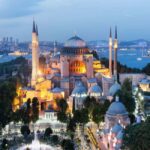
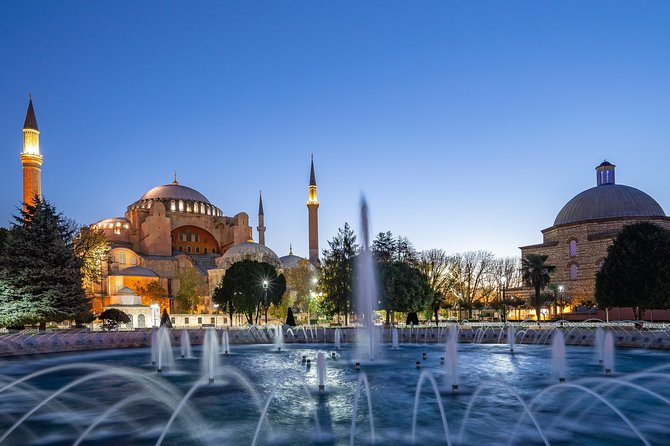
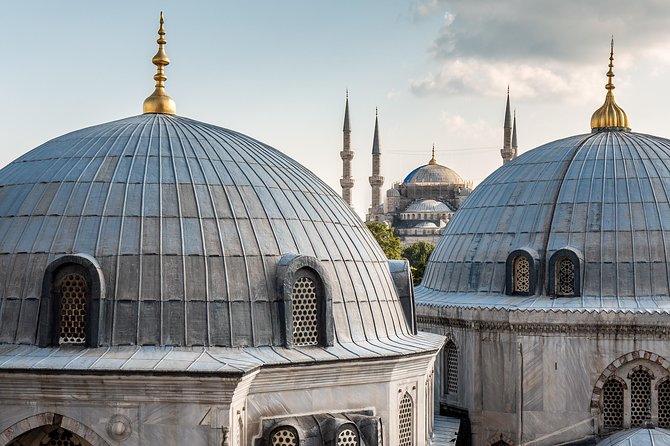
You begin at Hagia Sophia Grand Mosque, a huge Byzantine-era masterpiece. This is the kind of place where the scale hits you first, then the details make sense as your guide explains how the building evolved over time. Plan for about an hour here, but it’s the sort of stop where you’ll want that time to look up and around.
One practical note: the admission ticket is not included. You’ll want to budget for it early so it doesn’t disrupt your rhythm later.
Topkapi Palace: Ottoman power and museum treasures
Next up is Topkapi Palace, the former imperial residence tied to the Ottoman Empire’s rule. Beyond the grand rooms, it’s also a museum experience, including a very specific draw: Chinese and Japanese porcelain collections and the treasury of the royal family.
The good news is the stop is timed for about two hours, which is long enough for the highlights without turning into a marathon. The catch: admission is not included, so you’ll pay separately.
Blue Mosque: matching blues, visible architecture
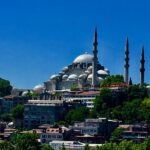
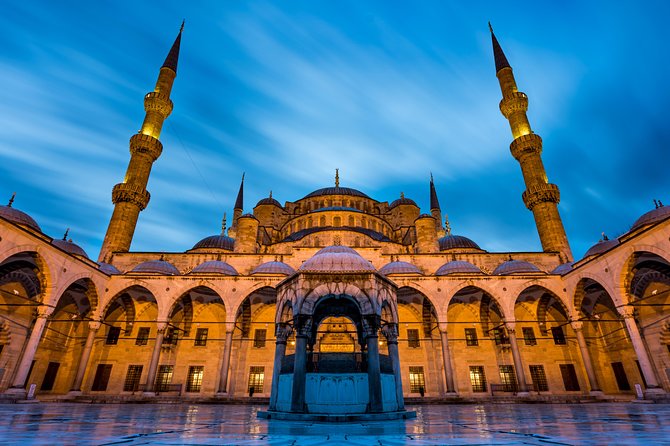
Then you head to the Blue Mosque, famous for its blue tiles and six minarets. The stop is about an hour, which works well here because the key views are concentrated. It’s also a great counterpoint after Hagia Sophia and Topkapi—three massive religious and political statements, all in sequence.
Again, entrance fees aren’t included, so bring that into your planning.
You can also read our reviews of more private tours in Istanbul




Hippodrome: the “politics and sport” center
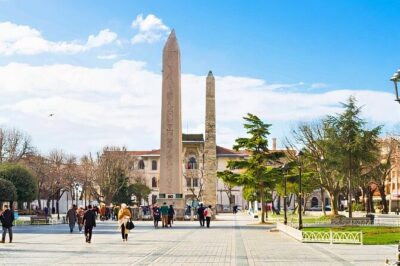
After the big monuments, the route drops to Hippodrome, the former center of sporting and political life in Constantinople. You’ll see several historic pieces, including an obelisk from Egypt and the Serpentine Column from Delphi. This stop is shorter—about 30 minutes—but it adds context for the street-level energy of the past.
Grand Bazaar: shopping, but also people-watching
Next is the Grand Bazaar for about 1.5 hours. Admission is free, and that helps you keep your day moving without ticket planning. Even if shopping isn’t your thing, the bazaar’s structure and craft stalls make it a good place to slow down, look closely, and understand how commerce shaped the area.
If you want less hassle, keep your time limit firm. Crowds can make it easy to lose track of what you meant to see.
Basilica Cistern: the underground “marble forest”
You finish Day 1 at Basilica Cistern (Yerebatan Cistern), an underground reservoir with marble columns. The setting is visual and cool in a literal way—45 minutes gives you time to appreciate the scale without rushing. Admission isn’t included, but you’ll likely find it worth budgeting for.
Tuesday swap: Topkapi closed, Basilica Cistern fills the gap
Here’s a key detail for planning: Topkapi Palace is closed on Tuesdays. When that happens, the tour replaces it with the Basilica Cistern. That swap is actually smart, because it keeps you on a tight loop near major landmarks instead of forcing you to scramble for a substitute.
If your travel dates land on a Tuesday, it’s worth keeping expectations flexible. The story stays strong, but the order of the palace portion changes.
Day 2: Misir Çarşısı, Bosphorus Cruise, Çamlıca Hill, Beylerbeyi Palace, and the Bridge
Day 2 leans more “Istanbul living” and “views across water,” which is exactly what you want after a Day 1 of monuments.
Misir Çarşısı: spices and senses
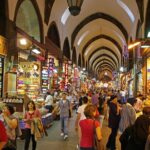
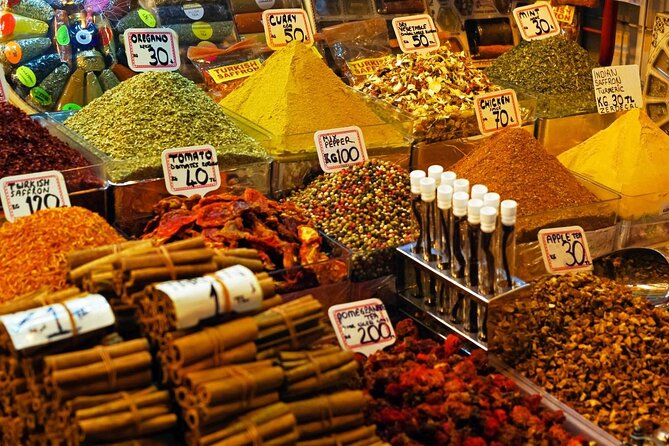
You start at Misir Çarşısı for about an hour. It’s free to enter, and it’s all about smell, color, and the energy of market life. Even without buying anything, it helps you connect Istanbul’s history with what people still do today—trade, taste, and bargain.
Bosphorus Strait cruise: photo stops across continents
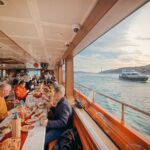
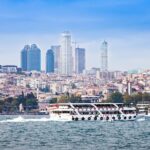
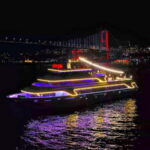
Next comes the Bosphorus Strait with a cruise, timed at about 1.5 hours. Admission isn’t included here, so budget for the boat component. What you get is a moving viewpoint of marble palaces, old wooden Ottoman-style villas, and modern waterfront buildings.
The cruise makes it easier to understand why Istanbul developed where it did. You also get natural photo moments without playing “spot the view” on foot.
Çamlıca Hill: a wide-angle Istanbul panorama
Then you head to Çamlıca Hill for a panoramic view (about an hour). Admission is free. This is the kind of lookout that helps your brain assemble the city into one picture, especially after all the waterfront imagery from the cruise.
Beylerbeyi Palace: a summer palace with European influence
On the Asian shore, you visit Beylerbeyi Palace. It’s described as the summer residence of the sultans, built between 1861 and 1865 in French neo-baroque style, with an Ottoman house plan underneath. You’ll spend about an hour, and admission isn’t included.
Even if you’re not a palace person, this stop is useful because it shows Istanbul looking outward—without leaving the Ottoman story behind.
Bosphorus Bridge: stepping between Europe and Asia
Finally, you stop near the Bosphorus Bridge for about 30 minutes. It’s a quick moment, but it’s a fun one: the chance to step from Europe to Asia in just a short time.
Day 3: Dolmabahçe Palace, Taksim Square, İstiklal Caddesi, Galata Tower, and Ortaköy

Day 3 shifts into grand final-impact sights plus neighborhoods that feel like the city you’ll remember on your last night.
Dolmabahçe Palace: the Ottoman court in European style
You start at Dolmabahçe Palace, the last residence for Ottoman sultans. It’s known for 365 rooms and 22 saloons, plus a massive chandelier weighing 4.5 tons. Plan about 1.5 hours, and again admission isn’t included.
This palace is a strong contrast to the earlier Ottoman sites. You’ll see how European design influences show up while the Ottoman identity stays center stage.
Taksim Square and İstiklal Caddesi: modern Istanbul on foot
Next you spend time at Taksim Square for about 45 minutes, then move to İstiklal Caddesi for about 1.5 hours. Both are free.
Taksim gives you a sense of modern city energy—hotels, restaurants, and the main transport hubs. İstiklal Caddesi is more of a walk-through microcosm: you get the famous “beating heart” feeling, with older shops still holding on even as chains and fast food expand.
Galata Tower: a skyline marker
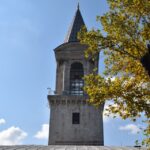
Then you head to Galata Tower, about one hour in the area. The tower dominates the local skyline with its cone cap, and your guide can help you orient what you’re seeing from its location near the junction of the Bosphorus and the Golden Horn area.
Admission isn’t included for the tower itself, so keep that in your budget.
Ortaköy: a waterfront neighborhood under the bridge
You wrap up with Ortaköy, a waterfront neighborhood on the European side of the Bosphorus, right under the first Bosphorus bridge. It’s free, and the stop is about an hour.
The name means middle village, tied to its location in the strait. It started as a fishing village and a resort for Ottoman dignitaries, and it still feels like a popular hangout for locals and visitors.
Price and logistics: what $179 per group really means
The price is $179 per group (up to 15 people) for the full 3-day experience, and it includes a private professional guide in English. That’s the big value: you’re paying for a tailored, human-powered way to see Istanbul without dealing with “where do we go next?” stress.
But here’s the practical trade-off. Entrance fees are not included, and transportation is not included. That means your final cost depends on ticketed sites like major palaces, mosques, and the cistern, plus anything like the Bosphorus cruise.
If you’re traveling as a small group, private guiding is often worth it because it saves time and reduces friction. If you’re solo and hoping to minimize overall spend, you’ll likely pay extra for the guide format—but you’ll gain a clearer route and less guesswork.
What makes a private guide feel worth it here
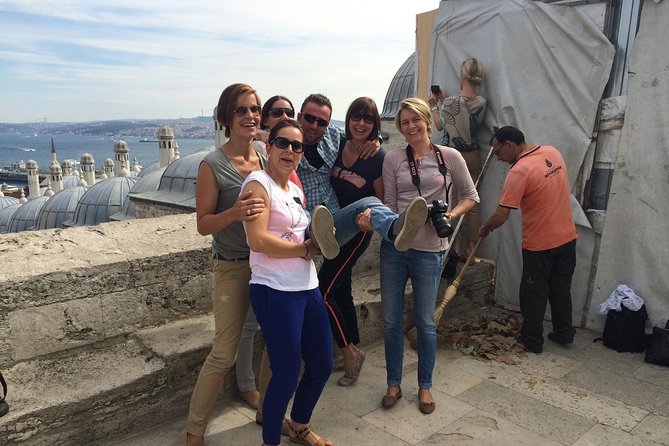
This kind of itinerary can be heavy on landmarks, but it stays more enjoyable when someone connects the dots. The reviews emphasize that the guide makes it ameno and keeps things easy—no constant decision-making for you.
In practice, that means you can focus on the experience instead of reading your phone while standing under domes. You also get a more fluid day when something slows down, like crowds around famous sites or the simple reality of walking between areas.
Also, the meeting point is a useful anchor: German Fountain (Binbirdirek) on Meydanı Cd, Fatih. And the tour ends back at the same place, which helps you plan your final meal nearby.
Who should book this tour
This works best if you want:
- a 3-day structure with a clear sequence of top sights
- a private guide for context and pacing
- time built in for markets, squares, and viewpoints—not just “quick photo stops”
It might be less ideal if you want everything included (tickets and transport), or if you strongly prefer strict self-guided planning with no guide input.
Should you book this Istanbul private guided tour?
If you’re the type who likes to understand what you’re seeing (and hate scrambling between stops), this is a smart pick. The guide-led approach turns the city’s big icons into a coherent story, and the mix of palaces, mosques, markets, and Bosphorus views keeps the days from feeling repetitive.
Just go in with eyes open about the separate entrance fees and transportation. If you can handle that, the value is real: you’re buying clarity, pace, and a smoother experience for the whole 3-day run.
FAQ
How long is the Best Highlights of Istanbul private guided tour?
It’s listed as 3 days (approx.).
Is this tour private?
Yes. Only your group will participate.
What language is the guide?
The tour is offered in English.
Is the itinerary flexible or fixed?
It’s described as customizable with a flexible itinerary.
Are entrance fees included?
No. Entrance fees are not included.
Is transportation included in the price?
No. Transportation is not included.
What’s the meeting point for the tour?
The start point is German Fountain (Binbirdirek), at Meydanı Cd, 34122 Fatih/İstanbul, Türkiye.
What’s the tour ending location?
It ends back at the meeting point.
Is mobile ticketing provided?
Yes, a mobile ticket is included.
What happens if Topkapi Palace is closed?
Topkapi Palace is closed on Tuesdays. On those days, it’s replaced with Basilica Cistern.
Can I cancel for a full refund?
Yes, free cancellation is available. You can cancel up to 24 hours in advance for a full refund.