REVIEW · ISTANBUL
8 Days Seven Churches of Revelation MINI Group Tour including Istanbul
Book on Viator →Operated by Small Group (Max. 10 Pax) & Private Tours in Turkey · Bookable on Viator
Seven Churches of Revelation usually means a long car plan. This version adds Istanbul and turns the whole thing into a guided route with less stress and fewer timing headaches. I especially like the small group size (max 10) and the way the tour builds in context at each site, not just quick photos. One drawback to consider: you’ll be doing a lot of walking and moving between regions, so you’ll want comfortable shoes and a moderate fitness level.
A big reason this tour works is support when life gets messy. Notes from past trips mention operators like Fezvi handling flight problems by adjusting the route, and guides like Melih stepping in to keep the day flowing. Another plus for your comfort: hotels are in the 4-star/boutique range, not bare-bones stays between ruins.
If you want a totally free, DIY-paced vacation, this may feel too structured. But if you want the best chance of seeing major biblical and historical sites efficiently, while someone else handles tickets, transfers, and timing, this is a smart way to go.
In This Review
- Key points to know before you book
- Why this 8-day route feels worth the money
- Small-group logistics: prepaid tickets, fresh vans, and real pacing
- Istanbul Day 1: arrival ease and a comfortable base
- Istanbul Days 2: Hippodrome, Blue Mosque, Topkapi, and Hagia Sophia with the headphone rule
- Istanbul Day 3: Bosphorus boat, Basilica Cistern, then fly to Izmir
- Pergamon (Bergama) and Thyatira/Akhisar: the Revelation story starts getting real
- Sardis, Philadelphia (Alasehir), and Laodicea: three churches with different vibes
- Pamukkale and Hierapolis: when the setting stops being theoretical
- Ephesus: the Revelation heartland with serious monument power
- The Artemis stop and Kusadasi: a lighter finish with a seaside town
- Flying back to Istanbul and keeping your afternoon unplanned
- Packing and movement tips that actually matter
- Price and logistics: is $1,684 good value for you?
- Should you book this Seven Churches of Revelation tour?
- FAQ
- What’s included in the tour price?
- Are flights included?
- How big is the group?
- What are the hotel options?
- Is there an airport transfer on arrival?
- What’s the Hagia Sophia rule for interior visits?
- What luggage limits apply for the domestic flights?
Key points to know before you book
- Max 10 people keeps questions easy and the pace sane during busy sightseeing days.
- Prepaid entrance tickets help you skip some line time at major sights.
- Istanbul + the Seven Churches loop saves you from building multi-week logistics on your own.
- Hagia Sophia includes a specific smartphone/headphone rule after Jan 15, 2024 for live guidance.
- Domestic flights are included, with luggage limits of 15 kg check-in and 8 kg cabin.
- You get 7 nights in boutique/4-star hotels plus 7 breakfasts and 2 dinners, and the tour is marketed as having 11 freshly prepared meals overall.
Why this 8-day route feels worth the money
Price is $1,684 per person, which sounds high until you look at what’s included. You’re paying for a true “plan everything” package: hotel stays for 7 nights, licensed Bible-oriented guiding, ground transport in a new air-conditioned minivan/minibus, multiple attraction tickets (with help skipping lines), and even domestic airfare between Istanbul and Izmir.
For me, the real value is time. The Seven Churches of Asia stretch across western Turkey, and hopping between cities without a guide can mean lots of lost hours: booking, transfers, rerouting for site hours, and figuring out how long each ruin will actually take. This tour squeezes those decisions into a timetable so you can focus on the experience.
Also, the “mini group” size matters more than it sounds. When you’re standing on marble streets at Ephesus or trying to take in the scale of Pergamon, you don’t want a crowd pushing and pulling. A max of 10 gives you breathing space without feeling like you’re alone.
You can also read our reviews of more tours and experiences in Istanbul.

Small-group logistics: prepaid tickets, fresh vans, and real pacing
The tour runs with a professional, licensed Bible-oriented tour guide. That’s important because these places can turn into random ancient-city leftovers if you don’t have the biblical connections explained clearly. Here, the guide’s job is to connect the Revelation letters and New Testament setting to the geography and ruins you’re seeing.
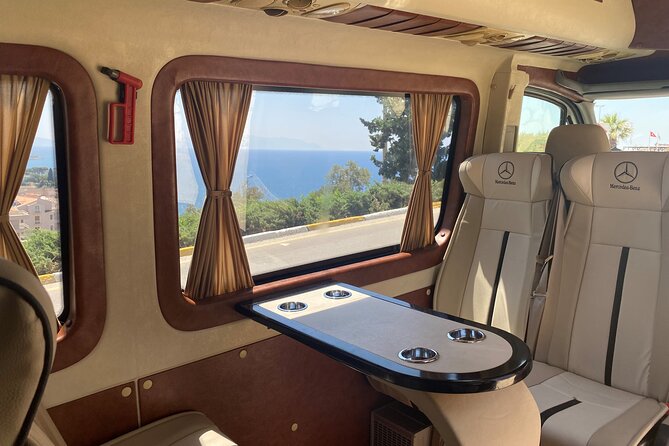
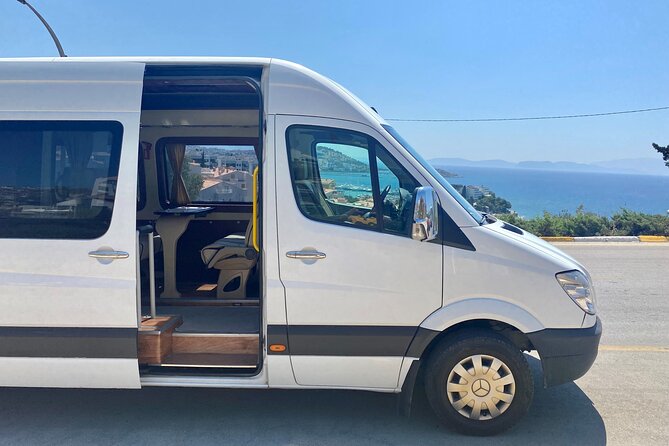
Transportation is handled with a brand new air-conditioned minivan/minibus. That means fewer delays and less waiting around compared to informal day trips. On arrival, you also get a rep meet-and-transfer setup at Istanbul Airport (IST) or Sabiha Gökcen (SAW), with a private transfer to your hotel for the first night.
One more practical win: for major entrances, the guide has pre-paid tickets to help you skip lines. That doesn’t eliminate all waiting, but it reduces the “ticket desk roulette” that can happen when you DIY.
Istanbul Day 1: arrival ease and a comfortable base
Day 1 is simple on purpose. You arrive at Istanbul Airport (IST) or Sabiha Gökcen (SAW). A representative meets you with your name sign, then you go straight to your hotel for overnight.
Hotel choices in Istanbul are Yasmak Sultan or Dosso Dossi Old City (or similar). I like this setup because it gets you settled before you start chasing big sights the next day. Istanbul can feel chaotic if you start sightseeing immediately after a flight, especially when you’re also gearing up for a long inland journey.
Istanbul Days 2: Hippodrome, Blue Mosque, Topkapi, and Hagia Sophia with the headphone rule
This day hits the classic highlights, but with a route that keeps you walking efficiently.
- Hippodrome Square gets you into the Byzantine/Roman-era background fast, starting with chariot races and later unrest.
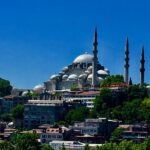
- Then comes the Blue Mosque for its famous Iznik tilework.
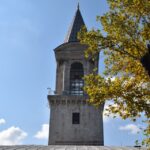
- After that, you walk to Topkapi Palace, built between 1460 and 1478 under Sultan Mehmed II. The tour includes the weapons section, which is a nice change from only seeing rooms and courtyards. It adds a real sense of how power operated.
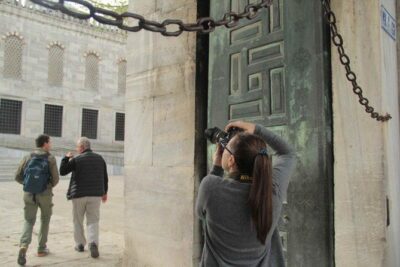
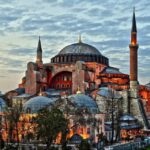
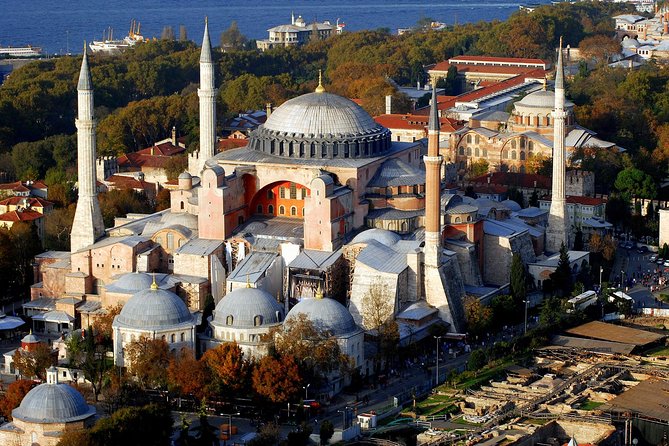
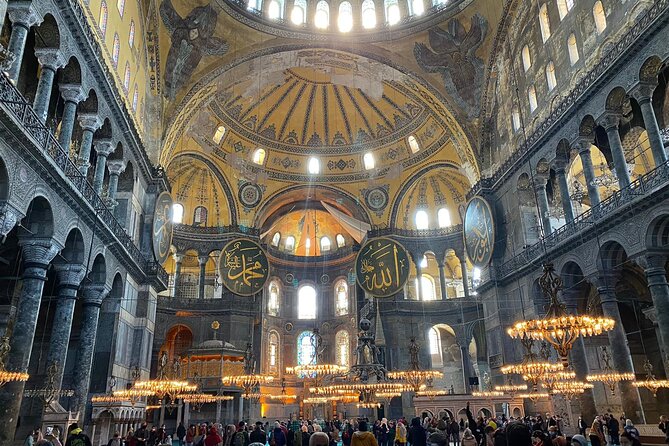
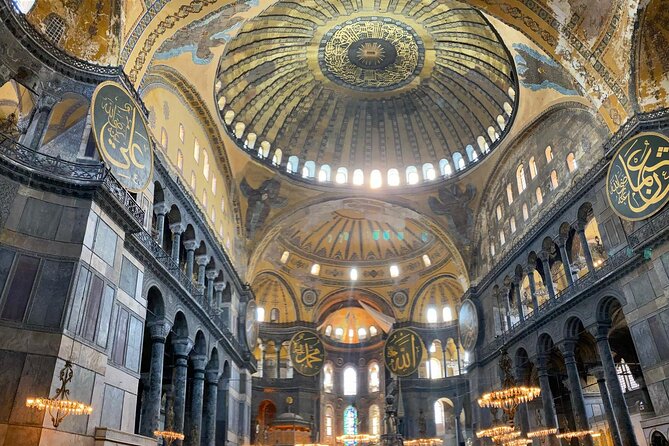
Then it’s lunch break and a short walk to Hagia Sophia (Ayasofya). Here’s the key detail you should plan for: live guiding is not allowed inside after Jan 15, 2024. During your visit, you’ll need your smartphone and headphones. If you don’t have headphones, you can buy them at the entrance for 3.5 USD. If you don’t have a smartphone either, you’ll follow signs and the information posted there.
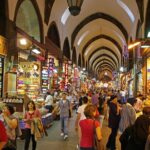
Finally, you end the day with Grand Bazaar—one of the oldest covered markets in the world, opened in 1461, with dozens of streets and more than a thousand shops. If you’re the type who likes to look, compare, and learn the logic of how places work, it’s a good evening cap.
Istanbul Day 3: Bosphorus boat, Basilica Cistern, then fly to Izmir
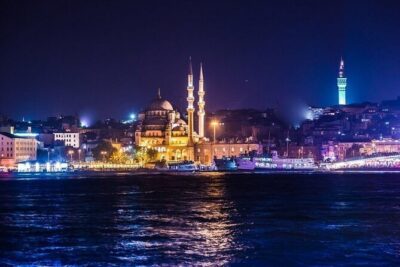
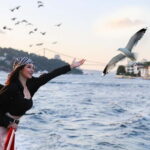
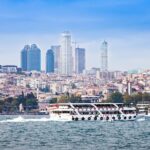
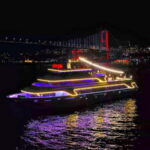
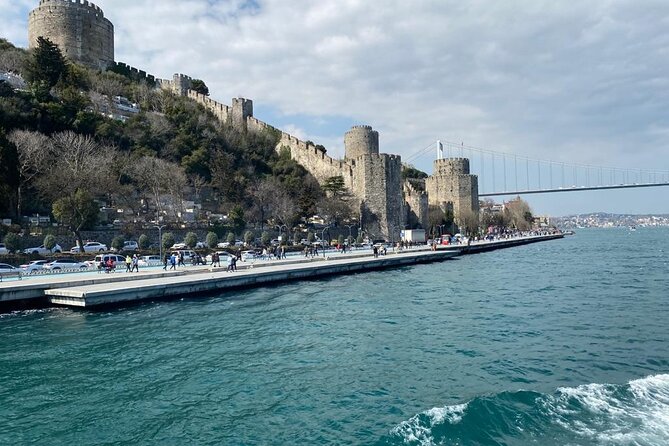
Day 3 starts with the Spice Market. You get a sensory warm-up before going to the port. Then you take a Bosphorus Strait boat trip, passing Europe/Asia edges and scenery that includes old wooden villas, marble palaces, fortresses, and fishing villages.
In Istanbul, a boat ride can either be a scenic pause or a time sink. This one is timed as a transition—something to enjoy while you’re still fresh, before you shift gears to ancient ruins in western Turkey.
In the afternoon you visit Basilica Cistern, the underground cistern with that otherworldly echo. Then it’s time for the airport transfer and your domestic flight to Izmir.
That “fly instead of drive all the way” part is a big deal. It keeps the tour from becoming one long day of buses and rest stops.

Pergamon (Bergama) and Thyatira/Akhisar: the Revelation story starts getting real
Once you reach Izmir and base yourself, the tour starts connecting church references to physical places.
A major stop is Pergamon (Bergama), tied to Revelation references like Rev. 1:11 and Rev. 2:12. What makes Pergamon special is scale and viewpoint. You explore the Acropolis and the steepest theatre in the world (yes, it’s often cited that way), plus the Asklepion—a classical medical center.
You’ll also see the Altar of Zeus, described in Revelation context with the strong imagery of the Throne of Satan. That’s not just a label on a sign; the place sits in a setting where religion and civic power merged. The tour also includes stops such as the marble columns of the Temple of Trajan and the Library that rivaled Alexandria in its time, said to have held more than 200,000 volumes.
Then you continue to Tepe Mezari (Thyatira, modern-day Akhisar), linked to Rev. 2:18-24 and Acts 16:14. The city here is known for purple dyes, and you’ll see remains from a Roman period basilica and architectural fragments. If you like small, less-visited stops, this is the kind of day that feels more personal than the typical big-tour checklist.
Before dinner, there’s also a panoramic ride of Smyrna, tied to Rev. 2:12-17, plus a look at the Clock Tower.
Sardis, Philadelphia (Alasehir), and Laodicea: three churches with different vibes
This is one of those days where each stop gives you a different angle on the same theme: the message in Revelation lands differently depending on the city’s setting and history.
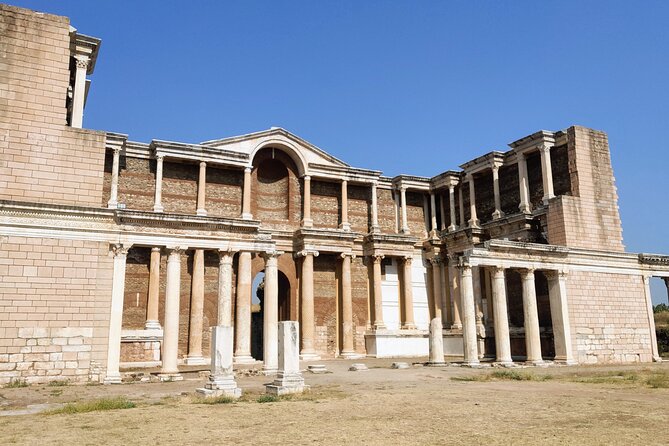
First up is Sardis (Sardes), tied to Rev. 3:1-4. You visit the Temple of Artemis, plus a restored gymnasium and reconstructed synagogue. The tour also includes a look at the Persian Road segment from Susa to Sardis built by Cyrus the Great, along with the “golden” river Pactolus.
Next is Philadelphia, now called Alasehir, tied to Rev. 3:7. This one gets your attention because it’s described as the only church not censured. You see the remains of a Byzantine basilica built of brick and some high-arch elements, plus 11th-century frescoes.
Then comes Laodicea, the last of the seven churches. The tour emphasizes its role as a crossroads on important roads, which helps you understand why commercial and logistical power shaped how communities lived here. Since Laodicea is often taught more as a name than as a place, having a guided walk through ruins makes it click.
Pamukkale and Hierapolis: when the setting stops being theoretical
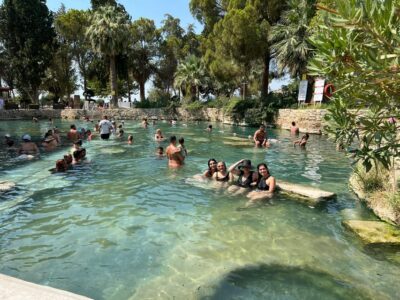
After Laodicea, you drive to Hierapolis—the famous Pamukkale area, known for the white mineral formations locals call the cotton fortress. Hot mineral water bursts from the earth and flows over steep cliffs into pools and channels, forming a surreal cliffside “terrace” effect.
Hierapolis is tied to healing traditions, and the tour frames it with the idea that therapeutic waters were known to the founders of Hierapolis and Laodicea in 190 BC. Even if you don’t do soaking, just watching how the mineral textures formed helps you understand why ancient people would assign spiritual and practical meaning to the place.
You check in for dinner and overnight at a thermal hotel such as Colossae Thermal or Pam Thermal Hotel (or similar).
Ephesus: the Revelation heartland with serious monument power
If you’re building a mental map of Revelation and New Testament geography, Ephesus is the anchor stop.
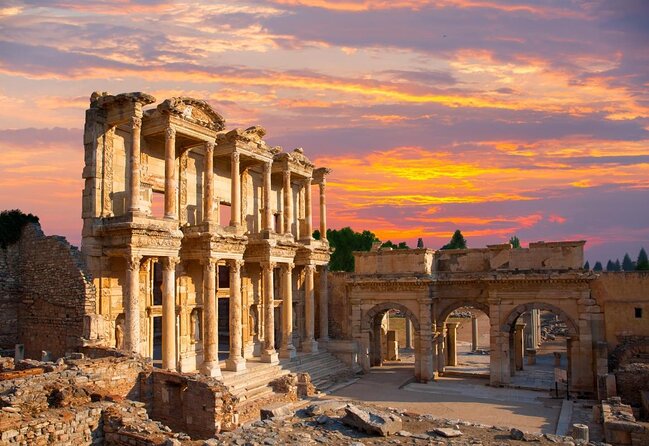
You tour the ancient city, including the Basilica of St. John. The guide connects this area to the Apostle Paul’s time in Ephesus and the epistle addressed to the Ephesians. You’ll walk along marble streets lined with public buildings, with major highlights like the Baths of Scholastica, the Library of Celsus, the Temple of Hadrian, and the Theatre.
You also see the Temple of Diana of the Ephesians, tied to the Seven Wonders of the ancient world. This is one of those places where you can feel how religion, politics, and civic life were intertwined.
Then you continue to Meryemana (the Virgin Mary’s House) on the Aladag Mountains. The tour includes the tradition that Mary came to Ephesus and lived there until her death, plus a note about pilgrimage status after 1892 and a papal visit in 1967.
After that, you visit Saint John Kilisesi, believed to mark where the evangelist spent his last years in the region and is buried on Ayosoluk Hill.
The Artemis stop and Kusadasi: a lighter finish with a seaside town
You end the historic thread with a Temple of Artemis stop—short, but it gives you one more look at the scale and context of this famous cult center.
Then you drive back toward Kuşadası, where the tour includes a sightseeing pass through the Marina, Port of Kusadasi, and other areas like the caravanserai rail and a Grand Bazaar segment. It’s not a full shopping marathon. It’s more about giving you a feel for where you’ll eat dinner and sleep.
You’ll have dinner and overnight in Kusadasi at Efe Boutique (or similar).
Flying back to Istanbul and keeping your afternoon unplanned
On Day 7, you take a noon-ish flight from Izmir to Istanbul. After arrival, you transfer to your hotel. The afternoon is yours to explore independently.
The tour doesn’t lock every hour, which I appreciate. Istanbul needs personal time. You might want to return to a neighborhood for a slower walk, find a meal you like, or simply adjust to Istanbul’s pace after days of ruins and buses.
Overnight is back in Istanbul, so you’re not rushing again immediately.
Packing and movement tips that actually matter
A few practical notes will make the trip smoother:
- You’ll have domestic flights included, and luggage limits are 15 kg check-in and 8 kg cabin. Pack like you’ll be editing your bag.
- You’ll be on your feet a lot: ruins have uneven ground, ancient steps, and long walking days. Bring shoes you trust.
- For Hagia Sophia, follow the smartphone + headphones guidance for your visit. If you forget, you can buy headphones at the entrance for 3.5 USD.
- Drink and extra meals are not included. Plan on water and occasional snacking.
Price and logistics: is $1,684 good value for you?
For this price, you’re effectively buying several big components together: multiple hotel nights in different regions, an expert guide, prepaid entrance tickets, internal transport, and domestic flights. If you tried to DIY the same route, you’d likely spend a lot of time coordinating buses, flight timings, and ticket rules. That time has a cost even when your wallet doesn’t.
Is it “worth it” for everyone? Not necessarily. If you hate structure and prefer flexible pacing, the schedule may feel tight. But if you want a guided route that covers both Istanbul icons and the Seven Churches of Asia with minimal planning, the value is strong—especially because the tour runs with a small-group cap.
One more angle: the tour is designed to reduce friction with things like line-skipping tickets and a rep meet at the airport. Those small conveniences add up when you’re moving across countries and time zones.
Should you book this Seven Churches of Revelation tour?
I’d book it if you want:
- a small-group plan (max 10) with a licensed Bible-oriented guide,
- a route that connects Istanbul landmarks to the churches across western Turkey,
- and less hassle than a DIY plan—especially with domestic flights and prepaid entrances handled.
I’d skip or think twice if:
- you strongly prefer a fully independent trip with lots of free hours each day,
- you’re uncomfortable with extended walking at major sites,
- or you’re not ready for the Hagia Sophia headphone/smartphone requirement.
If your goal is seeing these sites efficiently and making the biblical setting feel real on the ground, this tour is a solid match.
FAQ
What’s included in the tour price?
Hotels for 7 nights (boutique and 4-star), 7 breakfasts and 2 dinners, a professional licensed Bible-oriented tour guide, entrance fees (with pre-paid tickets to skip the line), and domestic flights between Istanbul and Izmir. Transportation is included in an air-conditioned minivan/minibus.
Are flights included?
Yes, domestic flights are included: Istanbul to Izmir and then Izmir to Istanbul. International flights are not included.
How big is the group?
The tour is a small group with a maximum of 10 travelers.
What are the hotel options?
In Istanbul you may stay at Yasmak Sultan or Dosso Dossi Old City (or similar). In Izmir: DoubleTree by Hilton Alsancak or Hilton Garden Inn Bayrakli (or similar). In Pamukkale: Colossae Thermal or Pam Thermal Hotel (or similar). In Kusadasi: Efe Boutique (or similar).
Is there an airport transfer on arrival?
Yes. On arrival, a representative meets you at Istanbul Airport (IST) or Sabiha Gökcen (SAW) with your name sign and provides a private transfer to your hotel.
What’s the Hagia Sophia rule for interior visits?
Live guiding is not allowed in Hagia Sophia after Jan 15, 2024. You need to have smart phones and headphones. If you do not have headphones, you can buy them at the entrance for 3.5 USD, and you’ll follow signs if you don’t have a smartphone.
What luggage limits apply for the domestic flights?
The luggage limits are 15 kg for checked baggage and 8 kg for cabin baggage.