REVIEW · GALLIPOLI DAY TRIPS
8 Day Turkey Tour; Istanbul, Gallipoli, Troy, Pergamon, Ephesus, Pamukkale
Book on Viator →Operated by Before Travel Agency · Bookable on Viator
Eight days in Turkey, with two worlds in view. You get a structured classic-route tour—Istanbul landmarks, then the Gallipoli Peninsula battle sites, followed by Greco-Roman ruins and the white terraces of Pamukkale—using an air-conditioned vehicle and an expert guide.
I especially like that the tour doesn’t stay vague. In Gallipoli, you’ll visit specific named locations such as ANZAC Cove and Lone Pine, and in Ephesus you walk a guided route starting at Magnesia Gate and heading toward big-ticket sights like the Great Theatre and the House of the Virgin Mary.
One possible drawback: this is a packed program with very long full-day stretches (Ephesus and Pamukkale are each listed as 8 hours), plus some travel time between regions. If you prefer slow days and flexible evenings, you’ll want to plan for that—or ask the operator about pacing.
In This Review
- Key highlights worth your attention
- Istanbul first: Sultanahmet pickup and an old-city crash course
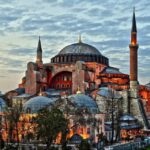
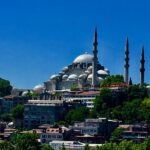
- Hagia Sophia, Blue Mosque, Topkapi Palace: what the packed Old City day gets right
- Free time in Istanbul and the optional Bosphorus cruise
- Gallipoli Peninsula WWI sites: why the named cemeteries land
- Troy and Pergamon in one long day: imagination meets real stone
- Ephesus from Magnesia Gate to the Great Theatre: the guided route does the work
- Pamukkale white terraces and Hierapolis: seeing travertines as mineral deposits
- What you pay for: meals, lodging nights, and ticket coverage
- Who should choose this Istanbul-to-Ephesus classic route
- Final thoughts: should you book this 8-day Turkey tour?
- FAQ
- How long is the tour, and where does it start and end?
- Where is the meeting point, and what time does the tour start?
- What sights are included in the itinerary?
- Is pickup offered?
- What meals are included, and is dinner part of the package?
- Are attraction tickets included?
- How large is the group?
- What is the cancellation policy?
- Is there an airport transfer at the end?
Key highlights worth your attention
- ANZAC Cove and Lone Pine by name, not just a general battlefield drive-by
- Istanbul’s old city day covers Hagia Sophia, Blue Mosque, Hippodrome, Grand Bazaar, and Topkapi Palace
- Ephesus with a downhill guided walk, starting at Magnesia Gate for an easier flow
- Pamukkale’s travertine science makes sense, with an explanation of minerals and mineral deposits
- Small group cap (max 16) plus responsive service noted with Metin and his team
Istanbul first: Sultanahmet pickup and an old-city crash course
Your trip starts in the Sultanahmet area, with pickup tied to the meeting point at Akbıyık Cd. No:104, 34122 Fatih/İstanbul, Türkiye. The start time listed is 1:00 pm, and you’re welcomed and transferred to a hotel in the Sultanahmet area for your first night.
Why I like this setup: it’s a smart base. Sultanahmet puts you close to the big-ticket sights, so even before you join the next scheduled day, you’re not burning time on long city cross-town transfers. And once the guided program begins, you’re already positioned where Istanbul is easiest to navigate on foot.
The tour is also set up for comfort. It’s described as touring by air-conditioned vehicle with an expert guide, and the group size is capped at 16. That matters on a route this full, because smaller groups tend to move with fewer bottlenecks at entrances and photo stops.
You can also read our reviews of more tours and experiences in Istanbul.

Hagia Sophia, Blue Mosque, Topkapi Palace: what the packed Old City day gets right
Day 2 is the classic Istanbul highlights day, and it’s built like a hits-and-details itinerary rather than a random sightseeing stroll. You’re picked up from your hotel and pulled into the Historic Areas of Istanbul with guided stops that include:
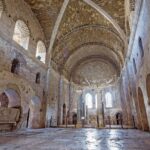
- Ayasofya (Hagia Sophia): listed as 1 hour, with an admission ticket included
- Blue Mosque: listed as 30 minutes, and the admission ticket is free
- Hippodrome: a walk-through
- German Fountain: short stop, ticket free
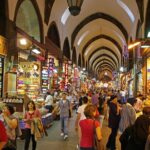
- Grand Bazaar (Jewelers area): 1 hour, ticket free
- Topkapi Palace: 2 hours, admission ticket included
What this means for you in real life: you get enough time at the major monuments to understand what you’re looking at, while still having room for the bazaar atmosphere. Grand Bazaar time is limited here on purpose, which can be a good thing. If you’re trying to cover a lot in one week, it’s better to see one part well than wander until you’re tired of shopping streets.
Also, the list includes a few “Istanbul nerd” stops that most tours skip. You’ll see the Obelisk of Theodosius and the Serpentine Column, plus details like the German Fountain. These aren’t just decoration; they help you connect what you see with how the city’s power shifted over centuries.
Small caution: the day is scheduled tightly. If you’re the type who likes long museum breathing room, consider treating this as a “see it, understand it, then return later” day.
Free time in Istanbul and the optional Bosphorus cruise
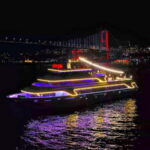
You get a free day in Istanbul on Day 1 (after transfer to the hotel) and again on Day 3. On Day 3, the program notes that you can do a Bosphorus cruise for an additional fee if you want.
That built-in open time is valuable on a tour like this. Istanbul can feel constant: monuments, traffic, crowds, and more monuments. Having a day where you can choose your own rhythm helps you recharge before the more emotionally intense stops out on the peninsula.
If you like water views and skyline photos, the Bosphorus cruise is a natural add-on here. Just keep in mind it’s optional and costs extra, so it’s best as a choose-your-own-day activity rather than something you assume is included.
Gallipoli Peninsula WWI sites: why the named cemeteries land
Day 4 is where the tone shifts. After pickup from your hotel, you transfer to the Gallipoli Peninsula for a full-day tour with lunch on the tour, and multiple admissions are listed as included.
The schedule is built around specific World War I locations, including:
- Brighton Beach, Arı Burnu, and ANZAC Cove cemeteries
- Lone Pine Australian memorial and cemetery
- Original trenches and tunnels at Johnston’ Jolly
- Nek cemetery
- Chunuk Bair Atatürk memorial
- New Zealand memorial and cemetery
Then the day continues with additional Gallipoli Peninsula coverage:
- Gallipoli National Park
- Gallipoli Battle Museum
Why I think this is powerful for you: when a tour names sites like ANZAC Cove and Lone Pine, it signals that you’re not just driving past history. You’re stopping where people actually remember and grieve. Even if you’re not a WWI specialist, you can feel the logic of the landscape when you move from one named point to the next.
A practical consideration: this day is likely emotionally heavy and also physically tiring. You’ll be on the move for a full day. If you’re traveling with anyone who wants lighter days, you might want to mentally prepare them for the subject matter. The upside is that the itinerary gives you context through the structure, not through lectures alone.
Troy and Pergamon in one long day: imagination meets real stone
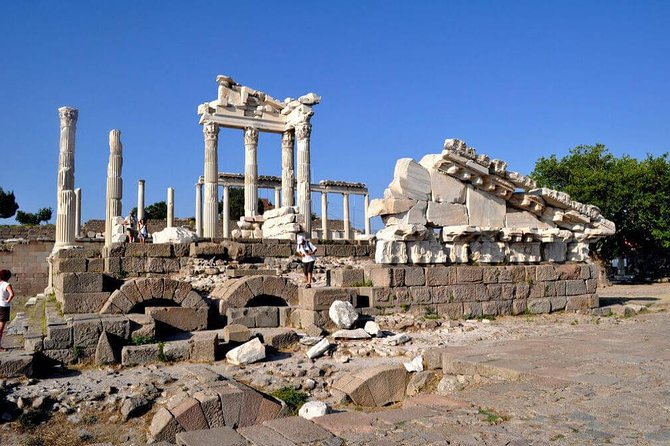
Day 5 is another big-day mix, and it’s designed to hit the Aegean’s ancient highlights at pace. You start with Troy (Truva) from the Canakkale area for a full-day tour with lunch, then the program continues into Pergamon sights.
Troy highlights called out include:
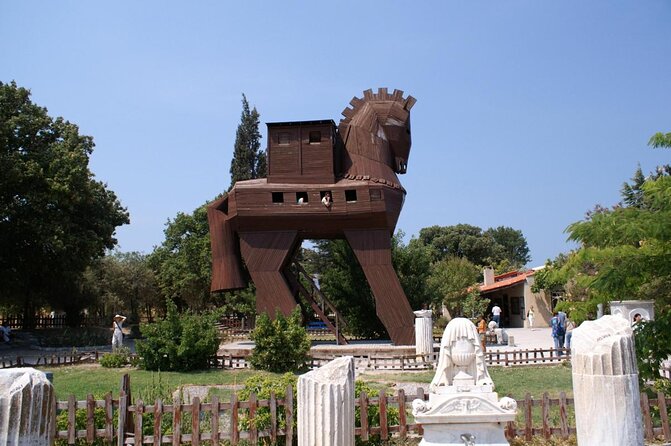
- A wooden horse replica you can climb into for a photo
- Excavation information center with exhibits from the ongoing work
- Troy VI fortification walls (with a tower and a getaway entrance)
- Temple of Athena
- The entrance ramp to Troy II
- The Odeon
Then you move into Pergamon-area stops:
- Pergamon Amphitheater
- Pergamon Parchment
- Pergamon Ancient City
Two useful ways to think about this day:
1) It’s built for people who like to connect dots. Troy isn’t just a story here; it’s tied to named structures and eras (Troy VI, Troy II). That helps your brain file the myths next to something concrete.
2) You’ll be in “ruins interpret mode,” which takes energy. Amphitheaters and ancient city layouts can feel abstract until you’re walking with a guide who explains how the space worked.
This is also where timing matters. The day is long, and the itinerary includes multiple stops. If you tend to get impatient in fast-paced days, plan to slow down your own pace when you reach each key site: take a minute, read the key info, then decide what to photograph.


Ephesus from Magnesia Gate to the Great Theatre: the guided route does the work
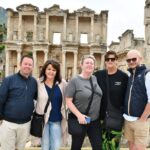
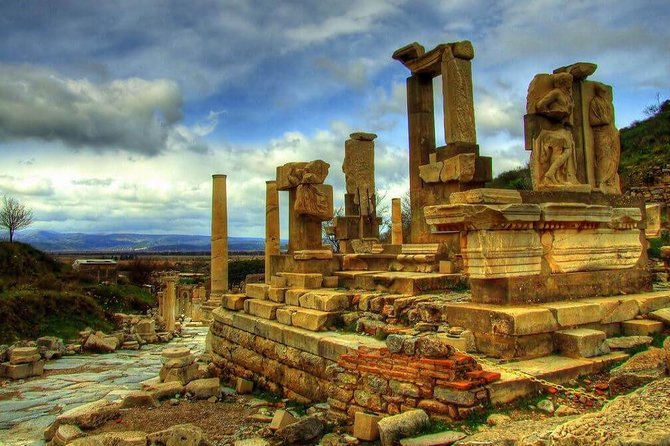
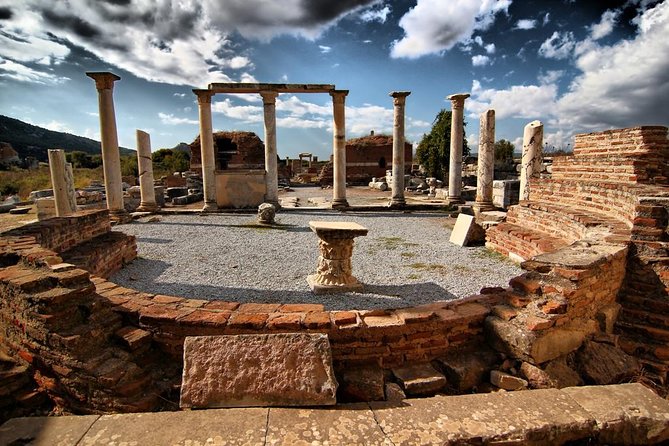
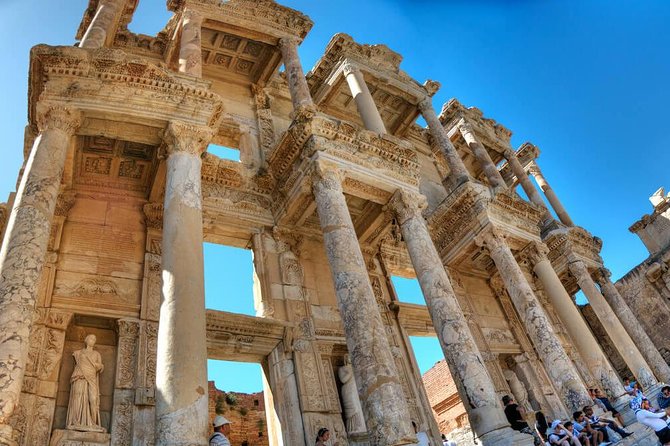
Day 6 is Ephesus, and it’s described as a long 8-hour stop with admission included. The tour method is specific: you enter through the Magnesia Gate, then begin a slow downhill walk guided through the ruins.
That downhill start is a big deal for you. It gives the day a natural flow. Instead of randomly bouncing between monuments, you’re guided through how the city opens up as you move.
Key Ephesus sights included in the guided walk:
- Odem and major structures along the way (as listed)
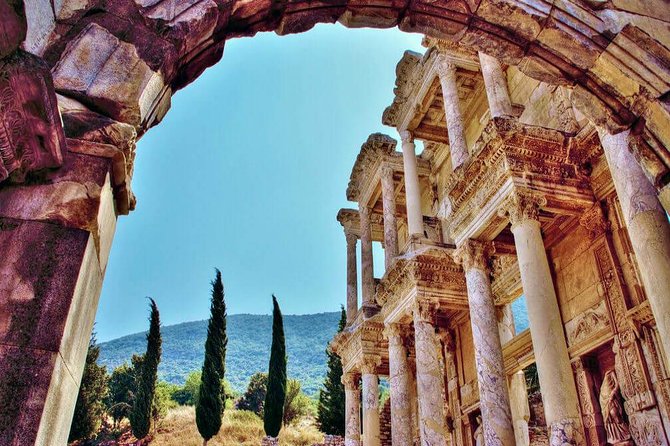
- Celsius Library
- Temple of Hadrian
- Fountain of Trajan
- Great Theatre, listed with seating for 25,000
- The site where St. Paul is said to have preached
- House of the Virgin Mary in the Solmissos Mountains, recognized by the Vatican as her final resting place
- Temple of Artemis, noted as one of the Seven Wonders of the Ancient World
Here’s why this works well for many visitors: Ephesus is big enough that a map alone won’t help much. A guided route turns “more ruins” into a sequence you can remember. The Great Theatre number (25,000) is the kind of anchor detail that sticks, even if you only catch a few spots with your camera.
If you want one practical tip: wear comfortable shoes and pace yourself. The day includes a guided walk and a slow downhill approach, so you’re better off with footwear that handles uneven stone.
Pamukkale white terraces and Hierapolis: seeing travertines as mineral deposits
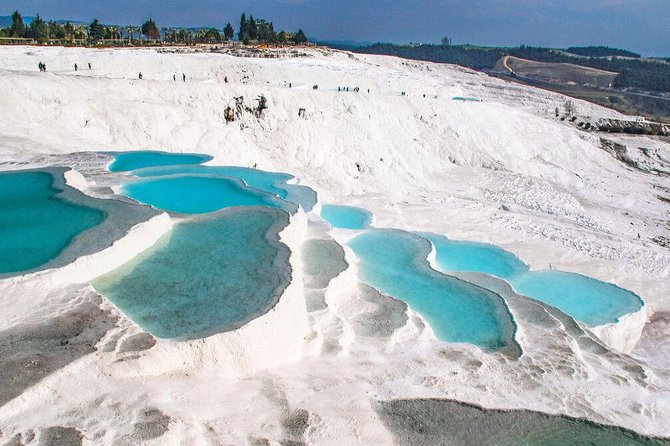
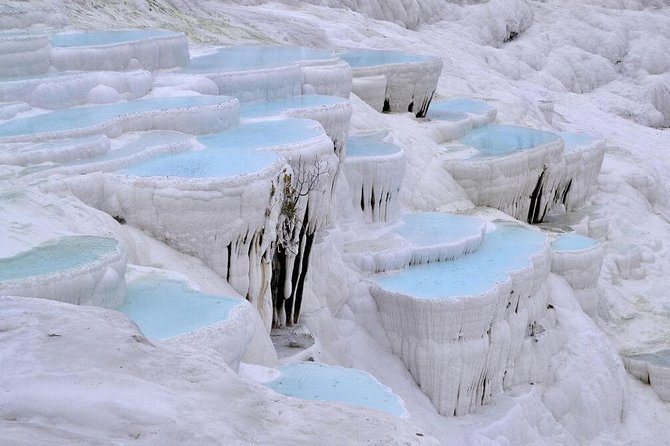
Day 7 is Pamukkale, listed as 8 hours with admission included. You get hotel pickup, then a 3–4 hour journey to the Pamukkale village area.
You’ll get an early look even before you arrive, and then the tour focuses on the site itself and nearby Hierapolis.
What’s especially interesting in this program is that it explains the phenomenon in concrete terms. The terraces are described as white rock formations made by water with high mineral content, including chalk, limestone, and travertine. The cascades look like a frozen waterfall, and the water chemistry is spelled out: hydrogen bicarbonate and calcium lead to precipitation of calcium bicarbonate.
You also have stops labeled:
- Pamukkale Thermal Pools
- Pamukkale Natural Park
- Road to Pamukkale
- Hierapolis & Pamukkale (30 minutes)
That structure matters. It mixes the signature “white terraces” views with more grounded context around Hierapolis. And because the explanation is part of the visit, you’re not just taking photos—you’re building a simple mental model for why the place looks the way it looks.
Consideration: it’s a long day with significant transport time. If your energy runs best on shorter blocks, treat Pamukkale as your one big “visual and sensory” day rather than trying to cram extra activities before or after.
What you pay for: meals, lodging nights, and ticket coverage
Price listed: $2,024.43 per person for the 8-day tour.
Value is about what’s bundled. Here, you get:
- Seven nights’ accommodation
- Breakfast listed as included (Breakfast: 7)
- Lunch listed as included (Lunch: 5), while the summary also says breakfast and lunch on each day—so when you book, confirm the exact day-by-day meal count
- Several admissions noted as included: Hagia Sophia, Topkapi Palace, multiple Gallipoli sites, Ephesus, and Pamukkale
Dinner isn’t included, and that’s a normal trade-off on multi-day tours. You’ll want to budget for evenings on your own. The practical benefit is flexibility: you can eat close to your hotel and choose what suits your day.
One more value detail: the group cap is max 16, and there’s a focus on air-conditioned transport and hotel transfers. With a route that stacks major sites across regions, those logistics reduce friction enough to be worth paying for, especially if you don’t want to plan the routing yourself.
Who should choose this Istanbul-to-Ephesus classic route
This tour fits you if you want:
- A structured overview of Istanbul + Gallipoli + Aegean ruins
- A small-group feel (max 16), not a huge coach crowd
- Guided walking at the heavy-hitters, especially Ephesus and Pamukkale
- A mix of eras: WWI remembrance, ancient Greek/Roman sites, and modern Turkey through the Istanbul monuments
It may not fit as well if:
- You strongly prefer slow travel and unstructured days most of the time
- You want a lot of free evenings and minimal early starts
- You’re not interested in WWI subject matter (Gallipoli is the emotional centerpiece)
There’s also something to like based on service notes: Metin and his team are mentioned as being responsive when changes were requested with short notice. That kind of support can matter when you’re juggling flight times or trying to fine-tune a schedule.
Final thoughts: should you book this 8-day Turkey tour?
If your “perfect trip” includes Istanbul landmarks, a serious, guided Gallipoli Peninsula day, plus iconic ruins like Troy, Pergamon, and Ephesus, then this route makes a lot of sense. The pacing is busy, but the structure is clear, and key experiences are built around guided walking and specific stops.
I’d especially lean yes if you’re the kind of traveler who likes being told where to look and why, at places that are too big to interpret alone. And if you value responsive customer care, the mention of Metin and his team is a good sign.
Before you book, do two quick checks for your peace of mind:
- Confirm the exact meal inclusions (the program summary says lunch daily, but the included list shows Lunch: 5).
- Look closely at the full-day durations you can handle, especially Ephesus (8 hours) and Pamukkale (8 hours plus travel time).
If that sounds like your travel style, you’re in for a memorable sweep of Turkey’s most famous (and most meaningful) stops.
FAQ
How long is the tour, and where does it start and end?
The tour is approximately 8 days and it starts and finishes in Istanbul.
Where is the meeting point, and what time does the tour start?
The meeting point is Sultan Ahmet, Akbıyık Cd. No:104, 34122 Fatih/İstanbul, Türkiye, with a listed start time of 1:00 pm.
What sights are included in the itinerary?
The tour covers Istanbul highlights (including Hagia Sophia, Blue Mosque, Hippodrome, Grand Bazaar, and Topkapi Palace), Gallipoli WWI sites, Troy, Pergamon, Ephesus, and Pamukkale (including Hierapolis).
Is pickup offered?
Pickup is offered, and you’re also picked up from your hotel for sightseeing days like the full day Old City tour and the Ephesus and Pamukkale days.
What meals are included, and is dinner part of the package?
Breakfast is included 7 times and lunch is included 5 times, while dinner is not included.
Are attraction tickets included?
Some admissions are included based on the schedule, including Hagia Sophia and Topkapi Palace (as listed), and admissions for stops during the Gallipoli day, Ephesus, and Pamukkale.
How large is the group?
The tour has a maximum group size of 16 travelers.
What is the cancellation policy?
Free cancellation is available up to 24 hours in advance of the experience start time for a full refund.
Is there an airport transfer at the end?
Yes. On the final day, after check out and based on your flight details, you’ll be transferred to the international airport.