REVIEW · CAPPADOCIA TOURS FROM ISTANBUL
8 Day Istanbul – Cappadocia – Ephesus – Pamukkale Discover Tour
Book on Viator →Operated by Ephesus Shuttle Private & Small Group Tours · Bookable on Viator
Eight days covers a lot of Turkey fast. I like this tour because it links four big stops—Istanbul, Cappadocia, Ephesus, Pamukkale—with a small group size so you’re not swallowed by the crowd.
What I love most is the low-stress setup: domestic flights are included, entrance tickets are handled so you can skip long lines, and you travel with a professional licensed guide plus airport/hotel transfers. The only real drawback to watch for is pace—there are flights, check-ins, and packed sightseeing days, so if you want slow hours and lots of free time, you may feel time is tighter than you’d like.
In This Review
- Key highlights in plain terms
- Istanbul’s Old City Fast Loop: Hagia Sophia, Blue Mosque, and Topkapi
- Grand Bazaar Time Without Losing Your Day
- Bosphorus + Basilica Cistern: Istanbul Beyond the Postcard
- Flying to Cappadocia: Rock Towns, Underground Rooms, and Fairy Chimneys
- Cappadocia Churches and Uchisar Views: Devrent, Pasabag, Göreme
- Ephesus by Marble Streets: Artemis, Celsus, and a Big-Day Ruin
- Pamukkale’s Cotton Castle Effect: Terraces Plus Thermal Hotel Time
- Your Return Route: Short Flights, Big Packing Lessons
- Value Check: Is $1,769 a Good Deal for Istanbul + Cappadocia + Ephesus + Pamukkale?
- Who This Tour Fits Best (And Who Should Think Twice)
- About the Guides: More Than Facts, Often Photography-Helpful
- Should You Book This 8-Day Istanbul to Pamukkale Tour?
- FAQ
- What is included in the tour price?
- Are domestic flights included?
- How big is the group?
- Do I get airport pickup and transfers?
- Do tickets include skip-the-line access?
- What’s the situation with Hagia Sophia interior visits in 2024?
- Which hotels are used on the tour?
- Is there a dress code?
- What happens if a museum is closed?
- What is the cancellation refund window?
Key highlights in plain terms
- Max 10 travelers means you get more attention and easier questions on the spot
- Skip-the-line planning with a guide who has pre-paid tickets for major sights
- Cave-hotel nights in Cappadocia (plus underground-city and fairy-chimney stops)
- Ephesus by marble streets and big-name ruins, then a classic stop at Meryemana
- Pamukkale with both terraces and thermal pool time at a thermal hotel
Istanbul’s Old City Fast Loop: Hagia Sophia, Blue Mosque, and Topkapi
The Istanbul portion works like a smart walking circuit. You start at the Hippodrome area, a place tied to chariot races in Roman times and later Byzantine turmoil—an easy way to get oriented before you hit the heavy hitters.
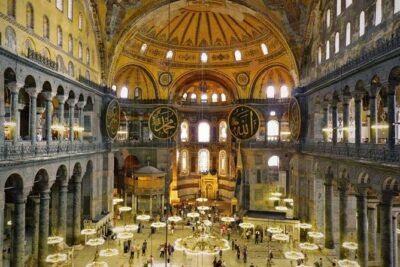
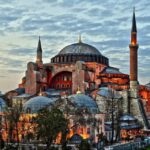
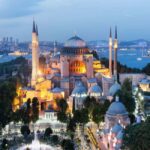
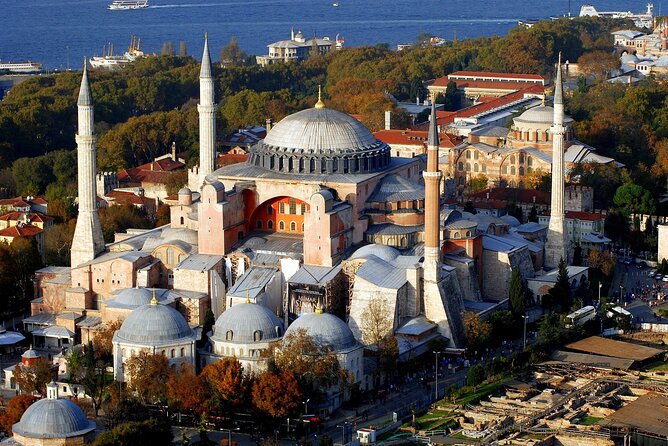
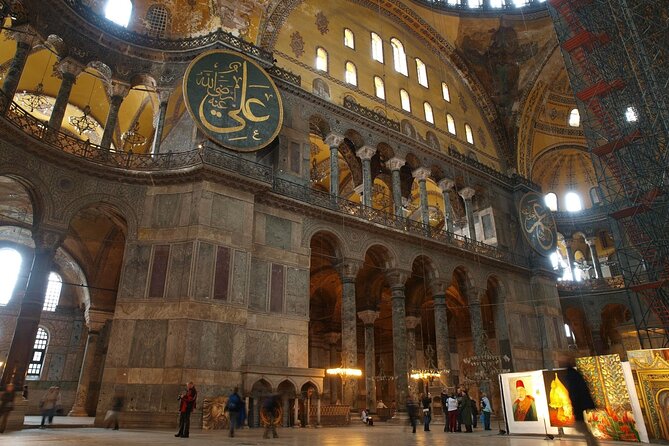
From there, you move to Hagia Sophia, built in 532 AD under Justinian I. This is one of those stops where the building tells you things even if you don’t speak the language. One practical note: live guiding inside Hagia Sophia is not allowed after 15 January 2024. You’ll want a smart phone plus headphones for the visit. If you don’t have headphones, you can buy them at the entrance for 3.5 USD. The good part is that the system is like an audio guide, so you still get the story—just with your own device instead of a live guide talking in your ear.
Next up is the Blue Mosque, famous for its Iznik tile work. Even if you’ve seen photos, it lands differently when you’re there in person, because the interior feels designed around light and pattern.
Then you walk into Topkapi Palace, including the weapons section. Topkapi isn’t just a pretty palace stop—it also helps explain how the Ottoman court functioned, which makes the later shopping and everyday culture feel more connected.
Drawback to keep in mind: this is a lot of indoor-and-outdoor sightseeing in one day. Wear comfortable shoes and plan to move at a steady walking pace. You’ll be guided, but you’re still the one doing the walking.
You can also read our reviews of more tours and experiences in Istanbul.

Grand Bazaar Time Without Losing Your Day
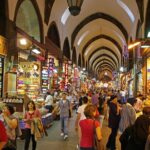
After the palace, you end at the Grand Bazaar—one of the world’s biggest covered market complexes, with dozens of streets and over a thousand shops. It’s not just a place to buy souvenirs. It’s also a chance to see how crafts, spices, pottery, and textiles are organized in a real market setting.
If you’re the type who hates spending hours wandering, you’ll like that this tour gives you a defined time window here. If you love browsing, it’s also a good spot to practice bargaining and watch how shopkeepers work.
Worth knowing: Grand Bazaar can shift on certain days if it’s closed or restricted. The tour notes replacements like Spice Market on Sundays (and other date-based changes to Arasta Bazaar on listed dates). That matters because you’ll still get a market experience even if your preferred building isn’t available.
Bosphorus + Basilica Cistern: Istanbul Beyond the Postcard
On the next Istanbul day, you start with the Spice Bazaar (Egyptian Bazaar). Even if you’re not trying to buy anything, the smell hits fast. Cinnamon, caraway, saffron, mint, thyme—this is one of those sensory stops that makes Istanbul feel lived-in instead of museum-only.
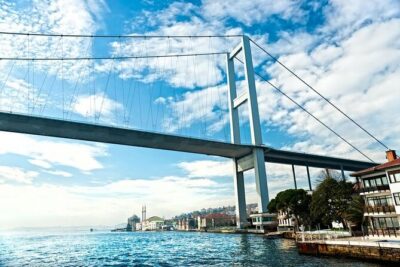
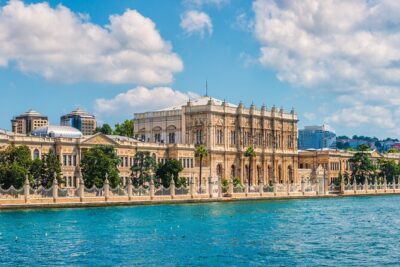
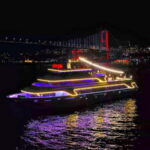
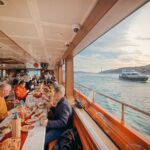
Then comes a Bosphorus boat trip, sliding along the waterway between Europe and Asia. You’ll pass shorelines with old wooden villas, marble palaces, fortresses, and fishing villages. The value here is perspective: Istanbul’s geography becomes obvious when you see the coastline from the water.
Finally, you visit the Basilica Cistern—a huge underground Byzantine cistern named for a basilica nearby. It’s famous for the marble columns and the reflective water. This stop is great for travelers who want a pause from the crowds above ground. It’s also a nice contrast after mosques and palaces: same city, different mood.
Flying to Cappadocia: Rock Towns, Underground Rooms, and Fairy Chimneys
Cappadocia starts the minute your schedule moves to the airport. You’re transferred to the airport and fly to Kayseri or Nevşehir, then you meet your guide and head into the region.
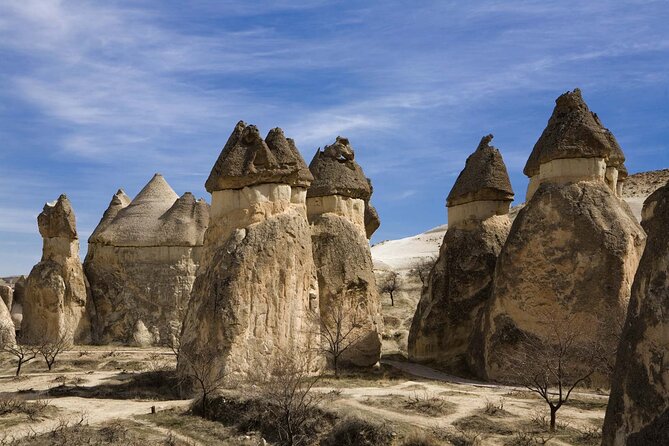
You begin with Three Sisters Fairy Chimneys near Ürgüp. These are the images on postcards for a reason: they’re sculpted rock forms that make you feel like you’re seeing geology as art. Even better, this is a spot where you can frame photos quickly—use the time here to get your bearings.
Next you head to Pigeon Valley. In Cappadocia, pigeons weren’t just birds; people carved homes for them into the rock, which is why the valley feels both natural and human-made. It’s a small shift from “pretty rocks” into “how people adapted here.”
Then you go underground to Kaymaklı Underground City. It’s one of the larger and deeper cities of the many underground settlements. The value of adding this is that Cappadocia stops being only scenic. Suddenly it’s practical history: people built shelter, storage, and safe spaces in the rock.
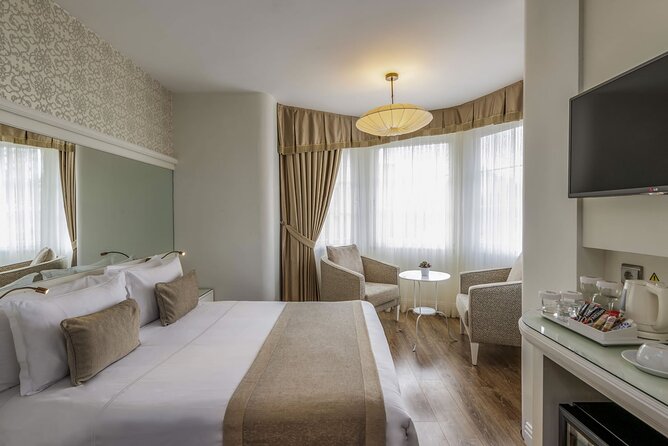
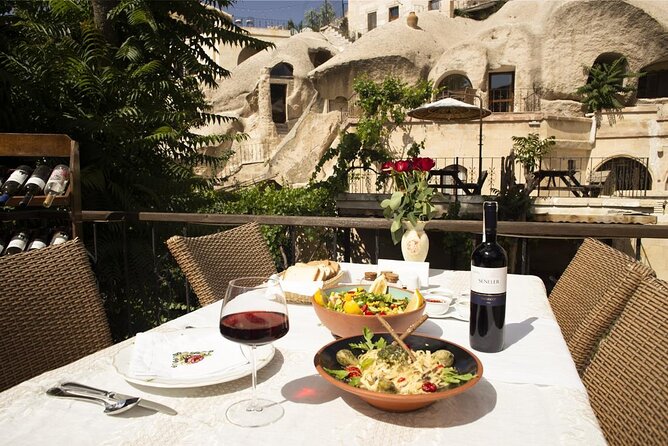
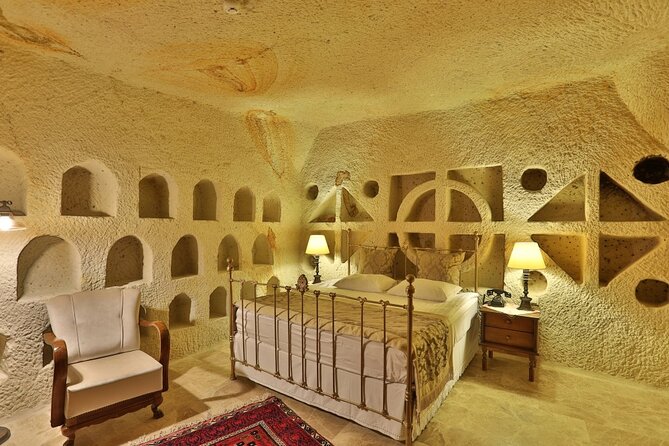
After your cave area orientation, you settle into a Cappadocia cave hotel. Based on the hotel options listed, you might stay at places like Yunak Evleri or Gamirasu Cave Hotel. A cave hotel is a real experience here, not a theme. Falling asleep inside the same kind of rock-architecture you spent the day seeing just makes everything click.
Cappadocia Churches and Uchisar Views: Devrent, Pasabag, Göreme
The second full Cappadocia day keeps the “wow” going, but with more variety.
You start in Devrent Valley, sometimes described as a lunar landscape. The fun element here is spotting different rock shapes. You don’t need a special app—just follow your guide’s cues and look at the formations long enough for your brain to start inventing patterns.
Then it’s off to Pasabag Fairy Chimneys Valley, where you get some of the best examples: mushroom-shaped chimneys with twin or triple rock caps. This is the kind of stop where the photography is easy because the formations already look like a sculpture exhibit.
In Avanos, you get a lunch break and a chance to see the town’s reputation for pottery and tile workshops. If you’re curious about crafts, this is where Cappadocia feels like a living place rather than a set.
Next is the Göreme Open-Air Museum, known for rock-cut churches and frescoes from different centuries. This is the moment when the landscape connects to faith and community. The churches aren’t just architecture; they’re art on stone, layered over time.
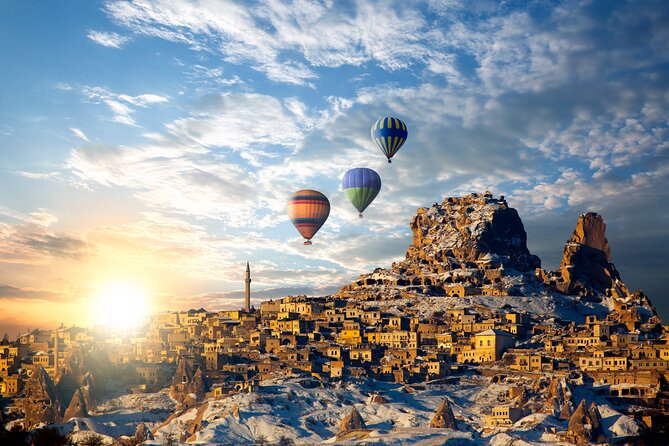
Finally, you end at Uçhisar Castle, the highest point in the area. Even with a tight schedule, the viewing moment matters. You get a panorama that makes all the valleys and chimneys feel like part of one big system.
Tip for your feet: Cappadocia is a walking tour inside a rocky playground. You’ll want shoes with grip and comfort.


Ephesus by Marble Streets: Artemis, Celsus, and a Big-Day Ruin
Ephesus is the main event on your Aegean day. You drive to the region, then begin at the Temple of Artemis—connected to one of the Seven Wonders of the Ancient World. Even though much of it is ruins now, the site sets the tone: this wasn’t a minor town.
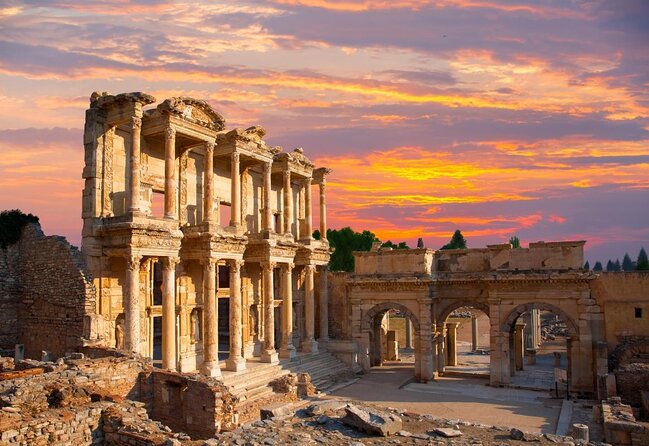
Then you walk into the Ancient City of Ephesus and you’ll see a parade of landmark structures: Celsus Library, the Grand Theatre, the State Agora, Odeon, Memnius Monument, and more. The standout for many people is how the sites keep connecting. Your guide ties them together so you’re not just collecting names—you’re seeing how a city functioned: public life, ceremonies, entertainment, commerce.
You also stop at Meryemana (The Virgin Mary’s House) on the Aladag Mountains. The tour includes the pilgrimage story and the key dates tied to church history. Even if you’re not religious, this works because it’s a human-scale place on a hillside, away from the big theater energy.
Then you continue to Pamukkale, arriving for a thermal-hotel check-in and pool time.
Pamukkale’s Cotton Castle Effect: Terraces Plus Thermal Hotel Time
Pamukkale is famous for the travertine terraces—white mineral formations created by mineral-rich springs. Seeing the terraces in person is one of those experiences where photos can’t quite match the feel of the place. Your eyes keep searching for shapes, and the landscape does that snowball/cotton illusion.
The tour pairs this with thermal hotel time, which is a smart move. A lot of day trips to Pamukkale don’t leave you enough time to slow down and enjoy the springs. Here, you can swim in the thermal pools at the hotel and enjoy the area at a calmer pace.
Later, you head to Hierapolis in the broader Pamukkale/nearby ruins portion. You’ll see the Theatre, Apollo Temple, and the necropolis (graveyard). This adds depth because Pamukkale isn’t just nature—it’s also ancient city remains layered into the same region.
Then the plan continues to Laodicea, including the story of the city and its role as a crossroads. It’s a helpful final stop because it gives you another slice of how the region mattered in antiquity, after you’ve already absorbed Ephesus and Hierapolis.
Your Return Route: Short Flights, Big Packing Lessons
The end of the trip is structured around getting you back with less hassle. You transfer to Denizli Çardak Airport and take a one-hour flight back to Istanbul, then finish with an airport transfer to your final pickup point.
If you’re packing for this trip, the domestic flight baggage limits are spelled out: 15 kilos checked and 8 kilos cabin. That’s important on this style of tour because you’re moving hotels and you want to keep your luggage controlled. Bring layers too—Turkey’s microclimates change quickly, especially between coastal Aegean and inland Cappadocia.
Also, remember that some sites require a bit of physical effort. The tour notes moderate fitness. Underground spaces and lots of walking will be the main reason you’ll feel it, not anything extreme.
Value Check: Is $1,769 a Good Deal for Istanbul + Cappadocia + Ephesus + Pamukkale?
At $1,769 per person, this isn’t a bargain-basement budget trip. It’s priced like a “you handle less, we handle more” package.
Here’s what’s doing the heavy lifting for value:
- 7 nights lodging with breakfast included (Istanbul, cave stay in Cappadocia, Kusadasi, and a thermal hotel in Pamukkale are all covered)
- Domestic flights included (Istanbul–Cappadocia–Izmir via connections, and Denizli–Istanbul)
- Entrance fees included with skip-the-line support via pre-paid tickets
- Professional licensed guide and brand new air-conditioned transport
- Meals are partly included: 7 breakfasts, 1 lunch, 1 dinner
That mix matters because the biggest time sinks—getting between regions and managing entry lines—are where group tours often save you real energy. You’ll still walk and you’ll still keep to time windows, but you won’t be building the logistics yourself.
If you’d rather design every route on your own, you might find cheaper components by booking flights and hotels separately. But for most people, the “included” parts are what make this feel worth it.
Who This Tour Fits Best (And Who Should Think Twice)
This tour is a good match if you want:
- a small group experience (max 10)
- famous sites across Turkey without planning every transfer
- hotel bases that are already chosen for convenience
- a guide who can connect sites so they don’t feel like disconnected stops
It may be less ideal if you need:
- lots of free time in Istanbul (the city is big, and this route packs in multiple major sights)
- a super-slow pace with minimal walking
About the Guides: More Than Facts, Often Photography-Helpful
One reason this tour gets strong feedback is the guide style. Names mentioned in past experiences include Cankat and Ismail, with praise for history plus family stories that made culture feel personal. Other guides noted in feedback include Tayfun, Leyla, Gurkan, Ibo, and Sinan Veysi.
A recurring pattern: guides aren’t just reciting dates. They also steer you toward practical experiences—like food spots locals might actually use—and they can help you find good angles for photos. (If you care about photography, this is one of those tours where you may leave with better shots than you expected.)
Should You Book This 8-Day Istanbul to Pamukkale Tour?
I’d book it if your priority is seeing the big four Turkey regions with smooth logistics and less planning stress. The combination of domestic flights, skip-the-line ticket handling, small group size, and cave/thermal hotel stays makes this feel like a curated version of the country’s greatest hits.
I’d hesitate if you’re the type who wants long unstructured days, especially in Istanbul, or if you’re sensitive to fast transitions between airports and hotels. This is doable, but it isn’t a “no hurry” trip.
If you do book, two smart preparations make the biggest difference: bring headphones for Hagia Sophia (or plan to buy them at the entrance), and wear shoes you trust for long walking days.
FAQ
What is included in the tour price?
The tour includes 7 nights bed & breakfast, domestic flights (with baggage limits of 15 kilos check-in and 8 kg cabin), entrance fees with pre-paid skip-the-line tickets, a professional licensed guide, and 7 breakfasts plus 1 lunch and 1 dinner. It also includes hotels in Istanbul, Cappadocia, Kusadasi, and Pamukkale (specific names are listed as options) and transportation in an air-conditioned minivan or minibus.
Are domestic flights included?
Yes. Domestic flights are included: Istanbul to Cappadocia, Cappadocia to Izmir, and Denizli to Istanbul.
How big is the group?
This is a mini group tour with a maximum of 10 travelers.
Do I get airport pickup and transfers?
Yes. The tour offers private pickup and private transfers from Istanbul Airport (IST) and Sabiha Gokcen (SAW) with a name sign, plus transfers connected to domestic flights.
Do tickets include skip-the-line access?
Entrance fees are included, and the guide has pre-paid tickets to help you skip the line at major attractions.
What’s the situation with Hagia Sophia interior visits in 2024?
Live guiding is not allowed in Hagia Sophia after 15 January 2024. You’ll need a smart phone and headphones during your visit. If you don’t have headphones, you can buy them at the entrance for 3.5 USD.
Which hotels are used on the tour?
Hotel options include: Istanbul (Yasmak Sultan or Dosso Dossi Old City or similar), Cappadocia cave hotels (Yunak Evleri or Gamirasu Cave Hotel or similar), Kusadasi (Carina Hotel or Marina Suits or similar), and Pamukkale (5 Star Pam Thermal or Colossea Thermal or similar).
Is there a dress code?
The tour states a smart casual dress code.
What happens if a museum is closed?
The tour notes alternatives. For example, on Tuesdays Topkapi Palace can be replaced by the Underground Cistern, and on Sundays Grand Bazaar can be replaced by Spice Market. It also lists specific date-based replacements for Grand Bazaar with Arasta Bazaar, plus Blue Mosque hours changes on Fridays.
What is the cancellation refund window?
You can cancel up to 6 days in advance for a full refund. Cancelling 2–6 days before can result in a 50% refund, and less than 2 days before does not receive a refund.