REVIEW · 4-DAY EXPERIENCES
4-Day’s Turkey Tour Cappadocia Ephesus and Pamukkale
Book on Viator →Operated by Sultanahmet Old City Travel Turizm Organizasyon · Bookable on Viator
Waking up for Cappadocia feels like a game changer. This tour strings together the big hitters in Turkey with hassle-free pickups, a licensed English-speaking guide, and the convenience of domestic flight time saved. I especially like the way they manage the transitions, so you’re not stuck solving transport puzzles at dawn.
Two of my favorite parts are the guided cave and rock-formation days in Cappadocia, plus the full-day Hierapolis and Pamukkale day with real time at the travertines. One thing to consider: the schedule is early and packed, with long travel legs and optional add-ons (like Cleopatra’s Pool) that can cost extra.
Small group size matters here, because 15 people or fewer keeps the pace from turning into a cattle-car day. The company behind the trip also has a reputation for handling last-minute changes smoothly, including support credited to Abdullatif Timurtaş for arranging key parts of the trip.
In This Review
- Key things I’d watch for
- Price and logistics: what you’re really paying for
- The route: how Istanbul connects to Cappadocia, then Pamukkale, then Ephesus
- Cappadocia South Tour: Goreme sights, Derinkuyu, and the Ilhara Valley hike
- Göreme as your launch pad
- Derinkuyu Underground City: eight levels, not just a tunnel
- Love Valley: quick photos, good variety
- Ihlara Valley hike: the one that feels most like work
- Selime Monastery: monks’ scale, rock-mass impact
- Pigeon Valley: views and then freedom
- Cappadocia North Tour: Uchisar viewpoints, the open-air museum, and pottery try-outs
- Uchisar Castle: the photo-op vista
- Göreme Open-Air Museum: churches carved into the rock
- Avanos lunch: where to refuel
- Pottery demonstration: an actual hands-on moment
- Cavusin: a short stop with texture
- Devrent Valley and the monk valleys
- Passing by Urgup: one last scene check
- From Cappadocia to Denizli/Pamukkale: the bus transfer you should plan for
- What you gain: getting into Pamukkale with rest time
- Pamukkale and Hierapolis: UNESCO ruins first, then travertines time
- Hierapolis: the guide-led backbone
- Travertines: free time to explore and relax
- Overnight move toward Kusadası
- Ephesus and Selçuk: Meryemana, Artemis, and a full theatre-and-library day
- Meryemana (Virgin Mary’s House): pilgrimage with a view
- Temple of Artemis: ancient grand scale, current foundations
- Isa Bey Mosque: Seljuk architecture details
- Ephesus major monuments: Celsus, theatres, and the Odeon
- Optional add-ons to plan: Ephesus Houses and Cleopatra Pool
- Hotel nights and meal plan: what’s covered, what’s on you
- Group size and guide quality: the practical difference between a good tour and a forgettable one
- Who this tour fits best (and who should think twice)
- Should you book this 4-day Cappadocia, Pamukkale, and Ephesus tour?
- FAQ
- What’s included in the price?
- Are Ephesus and Pamukkale entrances included?
- What’s the group size?
- How do you travel from Cappadocia toward Pamukkale?
- Is pickup from hotels available?
- What language is the tour guide?
Key things I’d watch for
- Hotel pickup + licensed guides: you get someone handling the why and the where, not just the bus window views.
- Cappadocia split into South and North: two different routes so you’re not repeating the same rock viewpoints.
- Derinkuyu Underground City: eight visible levels, which gives this place real momentum instead of a quick photo stop.
- Pamukkale by guided UNESCO-style walkthrough: Hierapolis first, then travertines time to breathe.
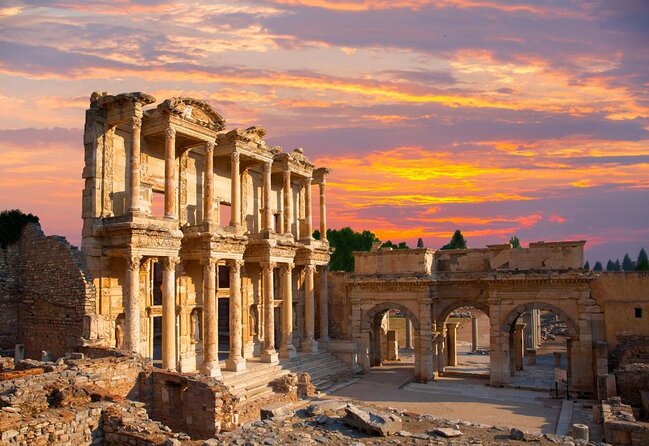
- Ephesus built-in order: major sites like Celsus, the theatre complex, Artemis, and Meryemana all in one long, meaningful day.
Price and logistics: what you’re really paying for

At $1,938.62 per person for about 4 days, this isn’t a budget trip. But you are not paying just for scenery. You’re paying for a bundle of stress reduction:
- Flights are included between Istanbul and Cappadocia, plus a return flight from Denizli to Istanbul.
- Hotels are included: 1 night in a cave hotel in Cappadocia and 1 night at a 4-star hotel in Kusadası.
- You get airport and ground transfers, not just directions.
- Meals are partially covered: breakfast is included 3 times, and lunch is included 4 times.
- Guiding is included, and it’s described as professional and Ministry of Tourism licensed.
If you mentally price the flight(s) and at least one quality hotel night, the rest starts to look more reasonable. In other words, you’re buying coordination. And for a route like this, coordination is worth real money.
One practical note: the day starts early. The overall pickup timing is listed at 4:30 AM, and the tours themselves are timed to match the pace of flight and transfers. Bring patience for early alarms. (Your phone will be the true main character.)
You can also read our reviews of more tours and experiences in Istanbul


The route: how Istanbul connects to Cappadocia, then Pamukkale, then Ephesus
This trip is built around efficient movement. You leave Istanbul for Cappadocia with a one-hour domestic flight, then switch to land travel for the jump toward Denizli/Pamukkale. From there, you roll into Ephesus (near Selçuk/Kuşadası) for the ancient-city day.
What you’ll feel most is not just the places, but the rhythm:
- Cappadocia days are structured around distinct regions (South one day, North the next).
- Travel days include transfer timing that’s designed to protect sightseeing time.
- Pamukkale gets a full, guided focus, then Ephesus is a long “walk-the-city” day.
This can be a great way to see a lot without spending your vacation on logistics. The tradeoff is energy. If you like slow travel, you may find the pacing intense.
Cappadocia South Tour: Goreme sights, Derinkuyu, and the Ilhara Valley hike
Your Cappadocia day starts with an early departure from Istanbul, then the action begins right after you land. Once you reach Göreme, you head out at 9:30 for the South Cappadocia tour.
Göreme as your launch pad
You’ll base yourself in Göreme Town after arriving. From there, you’re set up for the first wave of sightseeing, with photo stops and countryside views that help you get your bearings fast.
Derinkuyu Underground City: eight levels, not just a tunnel
The highlight here is the Derinkuyu Underground City, where you climb down through the levels that are available for viewing. It’s not presented as a quick peek. You’re given real time to understand how people built a whole life underground.
Practical tip: wear shoes with grip. You’ll be moving around in a space that can feel cooler and more uneven than you expect.


Love Valley: quick photos, good variety
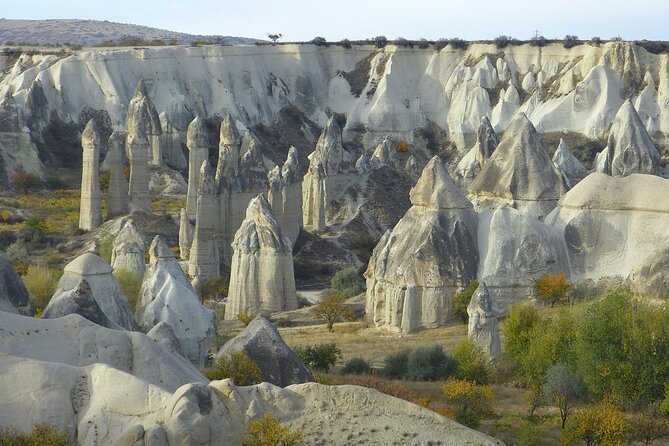
From Derinkuyu you pass near Love Valley. This is more of a short scenic stop—ideal for pictures and a little video, but it won’t replace the deeper stops later in the day.
I like stops like this because they break the day into “movement” segments. You’re not constantly standing still.
Ihlara Valley hike: the one that feels most like work
Next is the Ihlara Valley, described as a famous hike through the valley before lunch. This portion is where you feel the tour turning into an actual experience, not just sightseeing.
If you’re trying to decide what to wear: choose breathable layers and comfortable shoes. Your legs will thank you.
Selime Monastery: monks’ scale, rock-mass impact
After lunch, you visit Selime Monastery, where you can see how the monks lived. This stop adds a human layer to the landscape. It’s one thing to see rock shapes; it’s another to see a living complex built into them.
Pigeon Valley: views and then freedom
The day ends at Pigeon Valley, with excellent views and then a return to your hotel. You’re given free time for the rest of the night, which is a real value in an otherwise packed schedule.
That free time matters. It’s when you can grab a casual meal, wander your nearby streets, or just let your feet recover.
Cappadocia North Tour: Uchisar viewpoints, the open-air museum, and pottery try-outs
The North Cappadocia tour begins after breakfast, with hotel pickup at 9:30. This route feels like it covers different sides of Cappadocia’s identity: fort-like viewpoints, museum life, and rock formations that look like someone had fun with imagination.
Uchisar Castle: the photo-op vista
You’ll stop at a viewpoint overlooking Uchisar Castle for about an hour. This is a classic “see the geography” moment. If you’re new to Cappadocia, this helps you understand why the area looks the way it does.
Göreme Open-Air Museum: churches carved into the rock
Next is Göreme Open Air Museum, a full hour on the tour schedule. The value here is that you’re not just scanning rocks—you’re connecting shapes to human art and worship spaces.
Practical tip: go in with a slow mindset. Even with a timed tour, you’ll enjoy it more if you pause long enough to read details on the walls.
Avanos lunch: where to refuel
Lunch in Avanos is included (with time allotted). Avanos is also known for crafts, and it’s a good mid-day reset before the more formation-heavy segments later.
Pottery demonstration: an actual hands-on moment
After lunch, there’s a stop with a pottery demonstration, where you can try it yourself. This is one of those “small” inclusions that adds a lot of memory value. It turns a sightseeing day into something you can repeat at home in conversation.
If you enjoy making things with your hands, you’ll likely like this more than another museum stop.
Cavusin: a short stop with texture
You’ll also make a short stop at Cavusin. This is timed so you get the flavor without losing the rest of the route.
Devrent Valley and the monk valleys
Then you move through Devrent Valley, known for rock formations shaped like animals. You also visit the St. Monk’s Valley (mushroom-shaped fairy chimneys) and St. Simeon’s monk cell.
This cluster is where Cappadocia’s storytelling clicks: nature creates forms, and people gave them names and meaning. It helps you see the same geography from multiple angles.
Passing by Urgup: one last scene check
You pass near Uçhisar/Urgup area scenes (the schedule notes a pass near Urgup), then return to your hotel.
From Cappadocia to Denizli/Pamukkale: the bus transfer you should plan for
This tour shifts gears on the second evening. After your North Cappadocia day, you’ll head to the Göreme bus terminal at 20:15. The bus arrives at the Denizli bus terminal at 6:00 AM.
That’s a long stretch. So, treat the transfer like part of the tour, not downtime you can ignore. Bring something for sitting comfort, and consider how you’ll manage breakfast and water.
What you gain: getting into Pamukkale with rest time
When you arrive in Denizli, you transfer to your hotel in Pamukkale. The schedule says you’ll get a room for rest and breakfast. That rest window is a key value, because it keeps Pamukkale from feeling like you’re sightseeing with a depleted battery.
Pamukkale and Hierapolis: UNESCO ruins first, then travertines time
Your Pamukkale day has an early 06:00 pick up from the Denizli bus terminal to your Pamukkale hotel, followed by about 3–4 hours of rest and breakfast before the full-day tour.
I like that structure. It acknowledges that this route runs on early starts and long travel legs. You get a reset before the sightseeing grind.
Hierapolis: the guide-led backbone
The tour takes you into the ancient city of Hierapolis, a UNESCO World Heritage Site. Your guide shows you how citizens lived, worked, and enjoyed themselves when it was a major metropolis.
The named highlights include:
- Temple of Apollo
- Roman Theatre
- Martyrion of St. Philip
This part is valuable because it gives context before you hit the travertines. It turns Pamukkale from a postcard into a bigger story.
Travertines: free time to explore and relax
After Hierapolis, you move to the travertines, which are the main attraction. You get free time to explore, relax, and take in the setting.
And yes, there’s time for a swim in Cleopatra’s Pool. Important detail: the optional entrance to Cleopatra’s Pool is listed as not included, so you may pay extra if you want the water.
Practical tip: if swimming is a priority, budget for it. Also, wear water shoes if you’re sensitive to stone surfaces.
Overnight move toward Kusadası
At the end of the day, you’re transferred to Kuşadası/İzmir area for an overnight. That positioning sets you up for your Ephesus day next.
Ephesus and Selçuk: Meryemana, Artemis, and a full theatre-and-library day
Ephesus is the capstone day. It’s described as the second largest ancient city in the ancient world, once home to over 200,000 people, with ruins among the best preserved.
The day includes a sequence that covers religious sites, major classical monuments, and core Ephesus highlights.
Meryemana (Virgin Mary’s House): pilgrimage with a view
You stop at Meryemana, said to be where Mary spent her last years, located on top of Bulbul Mountain overlooking Selçuk. This stop adds a different tone to the day—less about Roman engineering and more about pilgrimage and landscape.
Temple of Artemis: ancient grand scale, current foundations
Next is the Temple of Artemis, associated with dates as early as the 6th century B.C. You’ll see what remains today: foundations and columns that hint at the original grandeur.
It’s worth approaching this with the right mindset. Even if the ruins look less complete than you want, the meaning is in what once stood here.
Isa Bey Mosque: Seljuk architecture details
The tour includes Isa Bey Mosque (1374–1375), known for Seljuk architecture, crown-like doors, and mosaics. This is a smart balance after the ancient ruins, because it shifts you into medieval craftsmanship.
Ephesus major monuments: Celsus, theatres, and the Odeon
Then you spend time across the Ephesus complex, including:
- Grand Theatre of Ephesus (associated with St. Paul)
- Library of Celsus (dating to 117 A.D.)
- Odeon Theatre (used for senate meetings and shows)
- Trajan Brothel (the site tied to the Priapus statue discovery)
Even if some of these details feel niche, they make the city feel lived-in rather than like a museum floor. You see how public life, performance, and commerce fit together.
Optional add-ons to plan: Ephesus Houses and Cleopatra Pool
Two optional entrances are called out as not included: Ephesus Houses and Cleopatra’s Pool. If you care about either, confirm costs ahead so you’re not deciding mid-day.
Hotel nights and meal plan: what’s covered, what’s on you
This package includes:
- Cave hotel in Cappadocia for one night
- 4-star hotel in Kuşadası for one night
- Breakfast three times
- Lunch four times
That means dinner is typically on your own. The upside is you get flexibility. You can eat something local without feeling locked into a fixed schedule.
Also, the day ends in ways that sometimes give you time off. For example, after the South Cappadocia tour, you’re back at your hotel with free time. That’s a quiet but meaningful inclusion in a fast route.
Group size and guide quality: the practical difference between a good tour and a forgettable one
The group size max is 15 travelers, and guides are described as professional and licensed.
In real life, that combination matters. Smaller groups mean:
- You can ask questions without feeling rushed.
- The guide can correct the route when you’re confused.
- You spend more time looking at what you came for.
And the people behind the operation get mentioned with real confidence. Support credited to Abdullatif Timurtaş and the praise for guides suggest the company’s strength is making sure the handoffs go smoothly.
Who this tour fits best (and who should think twice)
You’ll likely love this if:
- You want the headline sites (Cappadocia, Pamukkale, Ephesus) without working out transit.
- You enjoy guided context so ruins and valleys come with meaning.
- You’re okay with early starts and long days.
You might think twice if:
- You prefer slow travel and lots of downtime between regions.
- You’re strongly sensitive to long seating or early mornings.
- You don’t like optional costs for a swim or additional sites, because Cleopatra’s Pool and Ephesus Houses are flagged as extra.
Should you book this 4-day Cappadocia, Pamukkale, and Ephesus tour?
I’d book it if you want a high-coverage Turkey trip with less stress. The biggest reasons are the included flights + transfers, the two-part Cappadocia approach, and the way Pamukkale plus Hierapolis gets real guided attention before you move on to Ephesus.
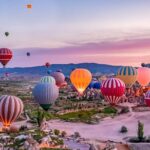
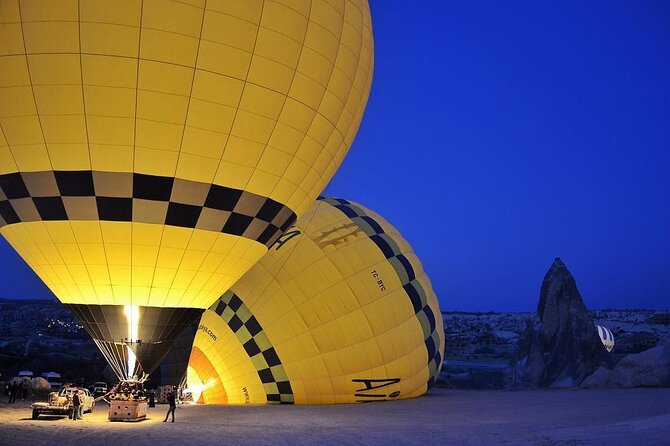
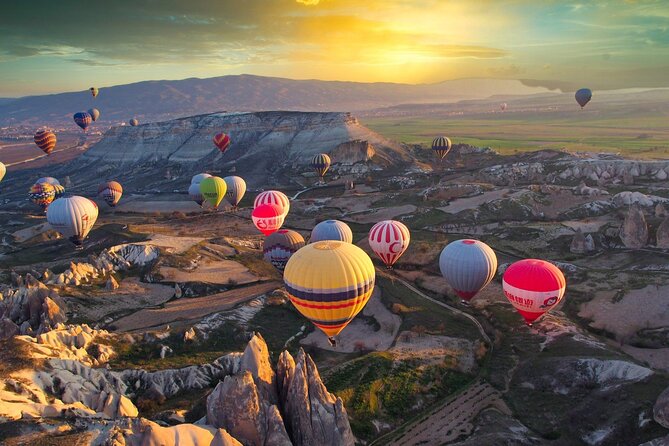
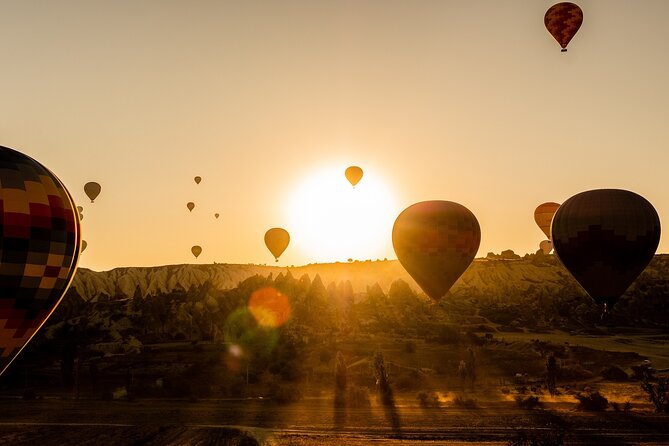
One extra tip to make it even better: if you’re thinking about a Cappadocia balloon flight, plan it as a separate add-on with your timing in mind. The tour starts early, which is exactly when balloon season is most rewarding.
If your goal is to see more than one region with minimal planning—and you’re fine with a fast pace—this is a smart value for what’s included.
FAQ
What’s included in the price?
The price includes flight tickets between Istanbul and Cappadocia, plus a return flight from Denizli to Istanbul. It also includes airport transfers, guided tours with a licensed English-speaking guide, cave hotel accommodation in Cappadocia for one night, a 4-star hotel in Kuşadası for one night, and breakfast (3) plus lunch (4).
Are Ephesus and Pamukkale entrances included?
Many entrances are listed as included for Ephesus, including the main ruins and key sites like Meryemana, the Temple of Artemis, and several major Ephesus monuments. The optional entrance to the Ephesus Houses and Cleopatra’s Pool is not included.
What’s the group size?
The maximum group size is 15 travelers.
How do you travel from Cappadocia toward Pamukkale?
After your North Cappadocia day, you depart the Göreme bus terminal at 20:15 and arrive at the Denizli bus terminal at 6:00 AM, then you transfer to your Pamukkale hotel for rest and breakfast.
Is pickup from hotels available?
Yes. Hotel pickup is offered, and the tour has an early start time listed at 4:30 AM.
What language is the tour guide?
The tour is offered in English.