REVIEW · ISTANBUL CITY HIGHLIGHTS & PRIVATE TOURS
2-Days Private Tour to Gobeklitepe and Karahantepe from Istanbul
Book on Viator →Operated by Gobekli Tours · Bookable on Viator
You’ll meet the dawn of ritual head-on. This private 2-day run from Istanbul sweeps you through Sanliurfa and two of Turkey’s most important Pre-Pottery Neolithic sites, Göbeklitepe and Karahantepe. I love how you get big ideas placed into real, walkable locations, and I like that Balıklıgöl adds a human, living side to the story. One drawback: at $2,760 per person, it’s a serious spend, so you’ll want clarity on what’s included beyond breakfast and the listed admission.
With a private setup and English guidance, the pace is yours. Day 1 blends the Sanliurfa Archaeological and Mosaic Museum, where you can see Gobeklitepe-related finds like Urfa Man and the stones from Nevali Cori, with a focused visit to Göbeklitepe’s iconic pillars.
Day 2 adds everyday Urfa—bazaar time and local craft—then moves to Sogmatar’s sacred hill areas and the Ayyubid-era caravan stop at Han el Ba’rur. The payoff is Karahantepe, a quieter but hugely meaningful site just up the road.
In This Review
- Key highlights to plan around
- Sanliurfa for 2 days: why this itinerary works
- Sanliurfa Archaeology and Mosaic Museum: the prequel you’ll be glad you saw
- Göbeklitepe: the ritual complex that makes early history feel new
- Balıklıgöl, Abraham’s cave, and Urfa’s carved tombs
- Urfa bazaar time: shopping like a local, not like a tourist
- Sogmatar: the sacred hill with temple remnants and Moses traditions
- Han el Ba’rur caravanserai: a quick stop with Silk Road energy
- Karahantepe near Göbeklitepe: T-shaped pillars in a quieter setting
- Price and logistics: what $2,760 per person really means
- Who should book this private 2-day Sanliurfa run
- Should you book? My practical take
- FAQ
- How long is the 2-Days Private Tour to Gobeklitepe and Karahantepe from Istanbul?
- Is this tour private?
- What language is the tour offered in?
- Does the price include tickets to the main sites?
- What is included in the cost besides admissions?
- Does the tour offer pickup?
- Are there any weather or seasonal constraints?
- What happens if there aren’t enough travelers?
- Is there a mobile ticket?
- How flexible is cancellation?
Key highlights to plan around
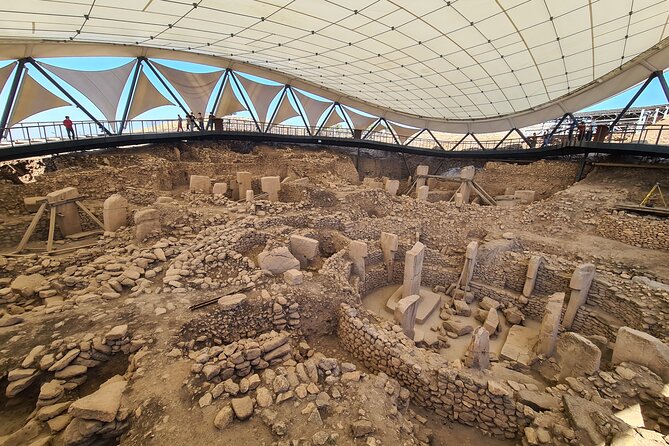
- Göbeklitepe plus Karahantepe in the same trip, so you see what excavators and visitors compare and connect
- Museum pieces with Gobeklitepe context, including the Urfa Man figure and a moved cult site collection
- Balıklıgöl’s Abraham story paired with archaeological tombs for a rare mix of legend and evidence
- Sogmatar sacred sites tied to Moses traditions and ancient temple remnants
- Private pacing so you can ask questions and linger where your brain wants more time
- English guidance plus pickup from your Istanbul hotel or address (confirmed with the provider)
Sanliurfa for 2 days: why this itinerary works
Sanliurfa is the kind of place where history doesn’t sit politely behind ropes. Even when you’re looking at ruins, you’re also moving through a modern city with markets, families, and daily life. That matters, because it keeps the story from feeling like a distant textbook.
This tour is built as a fast-but-logical arc. Day 1 gives you the Neolithic foundation first, then balances it with Abraham’s cave and the sacred-fish area at Balıklıgöl. Day 2 follows with more Urfa culture and additional holy/archaeological stops, ending at Karahantepe.
The private format is a real quality-of-life upgrade. You’re not stuck waiting for other groups, and you can slow down when something clicks. If you’re the type who hates being rushed through museums, this is the kind of schedule that helps.
One practical thing to note: the itinerary requires good weather. These sites are time-sensitive outdoors, so plan to be flexible if rain or heavy clouds interfere.
You can also read our reviews of more private tours in Istanbul

Sanliurfa Archaeology and Mosaic Museum: the prequel you’ll be glad you saw
This is where the trip stops being a list of ruins and becomes a story. The Sanliurfa Archaeological and Mosaic Museum covers artifacts from the Neolithic onward, reaching through periods up to Crusader Edessa. You get a time range that helps you place Gobeklitepe in a bigger picture instead of treating it like a one-off miracle.
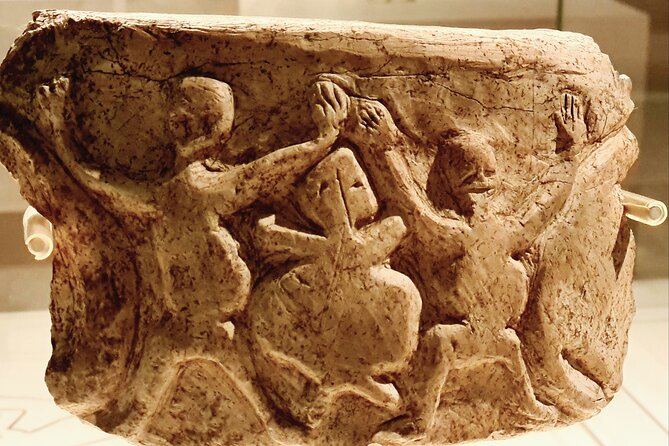
The museum’s Gobeklitepe connection is the star. You can see items related to Urfa Man, which is often presented as the world’s oldest statue. That detail alone is worth the visit, because it turns Göbeklitepe-era thinking into something physical you can study.
Even better, the museum holds a replica of Enclosure D from Göbeklitepe. Standing in a museum space with that replica, you can start understanding how the carvings and layout work before you ever go to the site itself.
Then there’s the Nevali Cori link. The museum includes a cult site component referred to as Nevali Cori, which was submerged by the Ataturk Dam and moved into the museum with its original stones. That’s the kind of information that changes how you look at ruins afterward. You stop seeing only a past site, and you start thinking about what it took to save it.
The museum visit runs about 2 hours with admission included. It’s also a great “brain warm-up” before you go out to Göbeklitepe, because you’re not trying to decode carvings and symbolism while tired and still adjusting.
Göbeklitepe: the ritual complex that makes early history feel new
Göbeklitepe is one of those places where the scale of time hits you in the chest. Dating back about 12,000 years, it predates writing and pottery, and it’s widely treated as the world’s oldest ritual complex. The guide approach here matters because you’ll get more from the site when someone can translate the logic of the carvings and layout.
You’ll spend around 2 hours at the site with admission included. That’s a healthy amount of time for taking photos, watching the perspective of the T-shaped pillars shift, and learning what archaeologists argue about when they interpret the place.
What I appreciate about structuring Göbeklitepe as the second stop on Day 1 is mental order. Museum first gives you references. Then the outdoor visit connects those references to the full environment, where you can see how the stones occupy the space.
Also, this is exactly where private pacing earns its keep. If your group wants to stand still and absorb, nobody is checking a clock to shepherd you onward. If your group wants to move fast and focus on key features, you can do that too.
Because the tour runs weather-sensitive, it’s worth remembering that a grey sky won’t ruin the meaning, but it may affect visibility and how long you’ll want to stay outdoors. If the provider adjusts timing due to conditions, take it as a normal part of visiting open-air archaeology.
Balıklıgöl, Abraham’s cave, and Urfa’s carved tombs
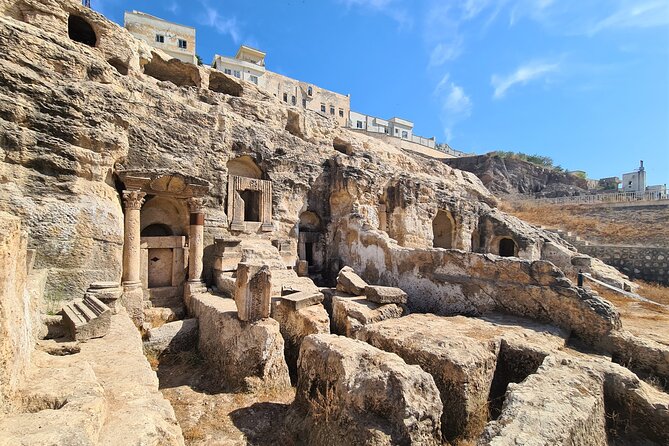
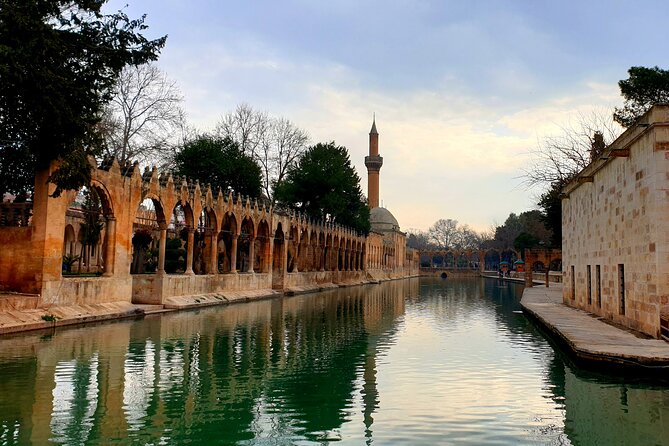
After Göbeklitepe, the itinerary shifts from deep time to lived tradition. At Balıklıgöl, you visit Abraham’s cave and the Pool of Prophet Abraham, connected to the story where Prophet Abraham was thrown into the fire by Nimrod. Even if you’re not focused on religious narratives, the site is still compelling because it shows how a legend becomes a place people return to.
The visit is about 1 hour, and admission is free here. You’ll also see the local sacred-fish setting, which is one of those scenes that feels like it’s been happening forever. It’s a nice counterweight to archaeology fatigue. Instead of staring at stones again, you get movement, family life, and a quieter kind of attention.
Then comes a more strictly archaeological note: newly excavated tombs of the Kizilkoyun Necropolis. These are carved into bedrock limestone and date to the 2nd–4th century AD. It’s a shorter stop, around 30 minutes, but it adds continuity: the region keeps generating sacred spaces long after the Neolithic.
The trick here is that you’re not just checking boxes. You’re experiencing how the meaning of place shifts across centuries. That’s one reason the Day 1 mix feels satisfying rather than random.
Urfa bazaar time: shopping like a local, not like a tourist
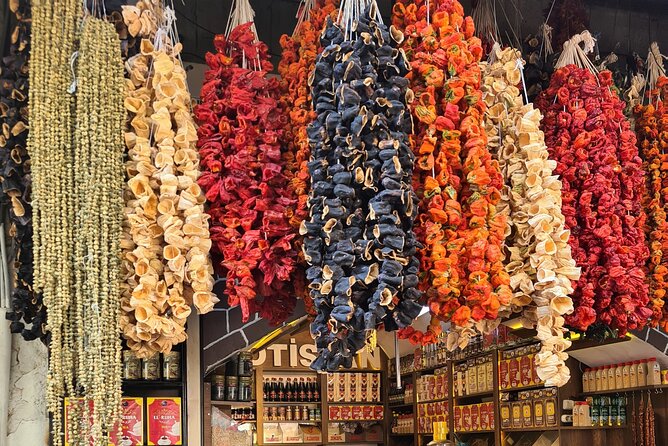
Day 2 opens with Urfa bazaar time, about 2 hours and admission-free. This is where you get to step out of the archaeology bubble and feel the city’s rhythm.
You’ll walk through a lively market with stalls selling everything from sheepskins and jeans to colorful local scarves. If you enjoy craft and textures, this is the easiest place on the itinerary to notice how commerce and tradition overlap. You may also spot ancient workshops and craftsmen you won’t see elsewhere.
Two practical points help you get the most out of bazaar time. First, decide what you actually want before you arrive. Otherwise, your brain gets overwhelmed by options. Second, go in expecting to take breaks. Markets are active, and you’ll be carrying energy from earlier site visits.
This bazaar stop is also valuable because it’s not staged as a museum add-on. It’s integrated into the city, which makes the overall trip feel more grounded.
You can also read our reviews of more tours and experiences in Istanbul

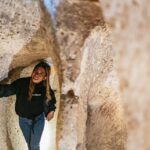
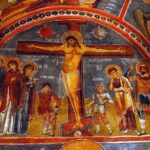
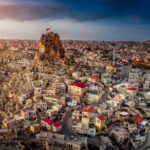
Sogmatar: the sacred hill with temple remnants and Moses traditions
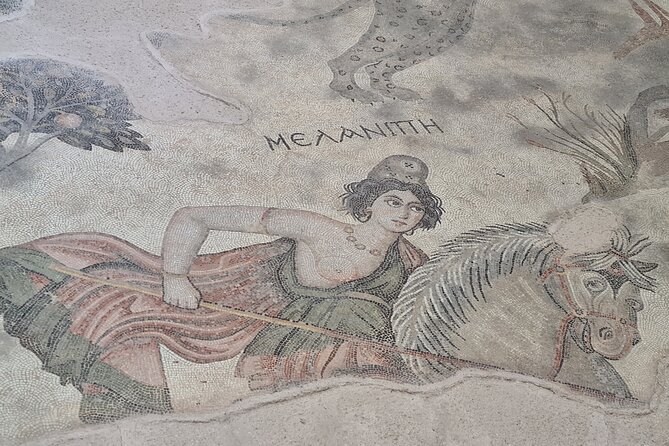
Next up is Sumatar (Sogmatar), about 2 hours and admission-free. Here, the story is tied to rain in the word’s background, and there’s also a tradition that Prophet Moses escaped from Pharaoh and engaged in farming in the area. The tour also references a well connection opened by a miraculous scepter.
But the most interesting part for history lovers is the way the site is described as both religious and spatial. There’s a hill with remnants of a civilization dating back to the 2nd century, described as a pagan center with an outside sanctuary. The temples are associated with visible celestial themes: Sun, Moon, Saturn, Jupiter, Mars, Venus, and Mercury.
Then the interpretation shifts again. More investigation is said to have suggested the area is a grave monument and sacred space, thought to represent Mare-late, the Lord of Gods, with worship practices described as praying toward the center of the hill.
In practice, you’ll visit Pognon’s Cave, a sacred hill area, and Mars temple. This is one of those stops where your guide’s explanations will shape how you “read” what you’re seeing. The stones aren’t the only point; the story framework is what makes it click.
If you’re short on patience for interpretive sites, it helps to treat Sogmatar as a listening stop. Ask questions. Let your guide connect the dots between myth, geography, and what archaeologists think is going on.
Han el Ba’rur caravanserai: a quick stop with Silk Road energy
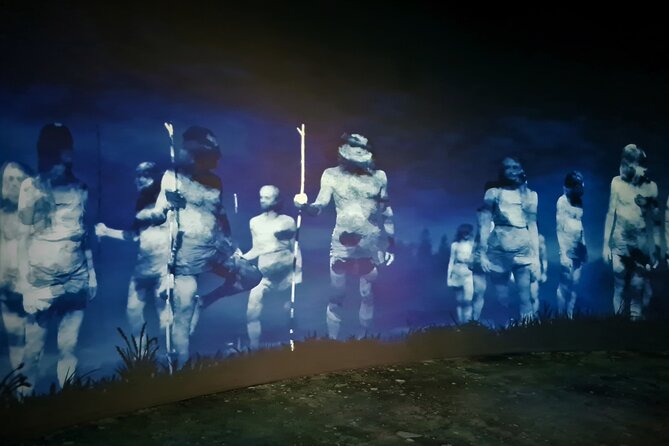
Han El Barur (also written Han el Ba’rur) is the shortest stop on Day 2 at about 30 minutes. It’s the remains of an Ayyubid dynasty caravanserai built in 1228, designed to serve trade caravans moving along the Silk Road.
Even at half an hour, it adds a different flavor to the overall arc. After Neolithic sites and sacred hills tied to stories, you get a practical human history element: people traveling, resting, exchanging goods, and building infrastructure that let whole regions connect.
This kind of stop is also useful because it gives your body a breather. You’ve been walking and standing across earlier sites. A shorter, more contained visit helps you end the day without feeling wrecked.
Karahantepe near Göbeklitepe: T-shaped pillars in a quieter setting
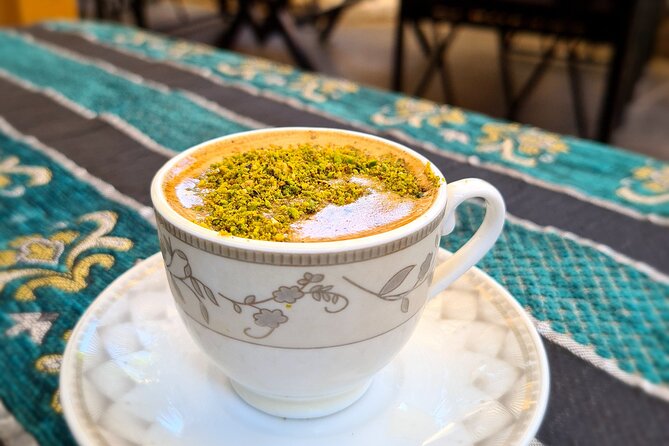
Karahantepe Orenyeri is described as an ancient archaeological site near Göbeklitepe, dating to over 11,000 years ago in the Pre-Pottery Neolithic period. You’ll spend about 2 hours here, with admission free.
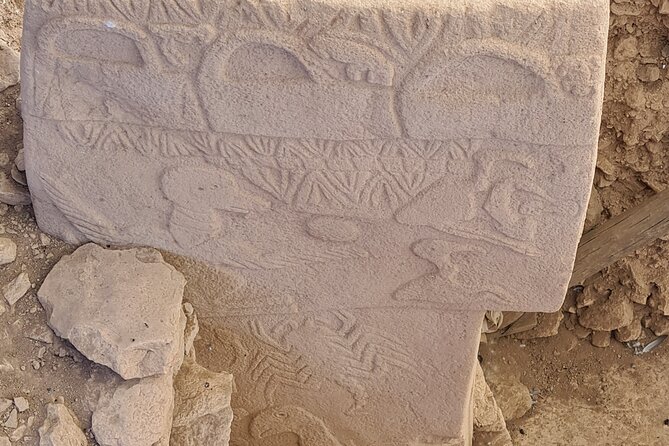
The feature set is what makes it feel like a meaningful companion to Göbeklitepe rather than a duplicate. Karahantepe is said to have T-shaped pillars, human and animal carvings, and elaborate stone structures. That combination matters because it suggests a shared cultural logic and a wider “map” of what people were doing in that era.
The most practical advantage of including Karahantepe is pacing. By the time you reach it, you already understand the vocabulary from Day 1. So the second set of pillars isn’t just impressive; it becomes comparative. You start noticing what repeats, what differs, and why archaeologists consider these sites in the same broader context.
This also tends to feel less tourist-crowded than the headline site, depending on conditions. Either way, your experience is still shaped by your guide and the time you’re given.
Price and logistics: what $2,760 per person really means
At $2,760 per person for a 2-day private tour, you’re paying for more than the attractions. You’re buying private time, English-speaking guidance, site admissions at least for the museum and Göbeklitepe, and a structured plan linking distant stops across the Sanliurfa region.
Breakfast is included. Food and drinks beyond that aren’t listed, so you should budget separately unless the provider confirms more. That’s especially important for a trip that includes a bazaar and multiple outdoor segments where meal breaks can’t always be flexible.
Pickup is offered from your hotel or address in Istanbul, and you’ll receive mobile tickets. The provider also says the service runs Monday through Sunday from 5:00 AM to 8:00 PM, which hints that your schedule may start early.
One detail to confirm directly: transportation and overnight plans. In one account tied to this exact style of tour, a guest described the team coordinating a flight from Istanbul and an overnight stay in a historic hotel in Sanliurfa. That’s encouraging, but it’s not stated in the basic inclusions list. When you book, ask what your overnight arrangement is and whether it’s included or simply assisted.
Value-wise, this tour makes the most sense if your group wants privacy and hates uncertainty. If you’re comfortable with group logistics and want lower-cost travel, a private price like this is the kind of number that’s hard to justify. But if you want one team, one language, and a tight plan across two days, it can be money well spent.
Who should book this private 2-day Sanliurfa run
I’d especially recommend this tour if you fall into one of these groups:
- You want Göbeklitepe and Karahantepe back-to-back with a guide doing the interpretation work.
- Your group prefers a private pace and wants the freedom to ask questions and linger.
- You like mixing archaeology with living culture, like bazaar time and Balıklıgöl.
It may not be ideal if your travel style is slow and casual. This itinerary is dense. Two days can feel like a sprint even though the sites are unhurried once you’re there.
Also, because weather matters, I’d book only if you can be flexible with timing and accept the possibility of rescheduling.
Should you book? My practical take
If your heart is set on early human history and you like turning vague facts into clear images, this tour is strong. The museum stop sets you up, Göbeklitepe gives you the headline moment, and Karahantepe makes sure you’re not only collecting impressions but building comparisons.
I’d book it when your group values private time and you don’t want to piece together transportation, site sequencing, and explanations yourself. At this price, that convenience is the whole point.
Before you pay, do two quick checks: confirm what’s included for meals beyond breakfast, and confirm how the Istanbul-to-Sanliurfa travel and overnight stay are handled for your dates. Once those pieces are clear, you’ll be set for a genuinely memorable 2 days in Sanliurfa.
FAQ
How long is the 2-Days Private Tour to Gobeklitepe and Karahantepe from Istanbul?
The tour runs for approximately 2 days, with a Day 1 and Day 2 itinerary covering several sites in and around Sanliurfa.
Is this tour private?
Yes. It is a private tour/activity, meaning only your group participates.
What language is the tour offered in?
The tour is offered in English.
Does the price include tickets to the main sites?
Admission tickets are included for the Sanliurfa Archaeology and Mosaic Museum and for Göbeklitepe. Other stops listed are free.
What is included in the cost besides admissions?
Breakfast is included. Food and drinks are not mentioned as included.
Does the tour offer pickup?
Yes. Pickup is offered from your hotel or an address, to be confirmed and agreed by both sides.
Are there any weather or seasonal constraints?
Yes. The experience requires good weather. If it’s canceled due to poor weather, you’ll be offered a different date or a full refund.
What happens if there aren’t enough travelers?
This experience requires a minimum number of travelers. If it’s canceled because the minimum isn’t met, you’ll be offered a different date/experience or a full refund.
Is there a mobile ticket?
Yes. Mobile tickets are listed as part of the experience.
How flexible is cancellation?
You can cancel up to 6 days in advance for a full refund. The policy then changes based on how close you are to the start time (50% refund 2–6 days before, and no refund less than 2 days before).