REVIEW · ISTANBUL
Ancient Rome Under Istanbul
Book on Viator →Operated by Experta Tours and Events · Bookable on Viator
Your shoes tread Byzantine Rome.
This tour takes you into underground cisterns and Roman/Byzantine layers beneath everyday Istanbul, while also walking the surface stops that shaped the city’s identity. I love the mix of big names and off-the-beaten-underfoot spots like Constantine’s Palace and Byzantine chapels. My other favorite is the small size (max 15 people), which means questions don’t get lost in a crowd. One caution: the experience can include time at shop stops along the way, so it’s not a pure archaeology-only walk.
I also like that the core attractions listed for the tour area show free admission tickets and the price covers the guide and local taxes. You’ll start at 10:00am near Fatih and you’ll end right back where you started, which makes planning easier. Still, this is a walking tour with underground segments, so wear shoes you trust on stone steps and uneven ground.
In This Review
- Key things to know before you go
- Why Istanbul keeps Roman and Byzantine layers underfoot
- Meeting point and timing: the practical setup
- What you see first: Roman and Byzantine ruins beneath modern buildings
- Kucuk Ayasofya and the architecture link to Hagia Sophia
- Hippodrome (Sultanahmet Square): the chariot-race center of gravity
- Constantine’s Palace, chapels, and the cistern part of the show
- How the guide turns stone into a story (Ece, AJ, Ege, and more)
- Shop stops and craft demonstrations: culture time or sales time?
- Comfort and pacing for underground stops
- Price and value: is $45 fair?
- Who should book this tour, and who may feel underwhelmed
- Should you book Ancient Rome Under Istanbul?
- FAQ
- How much does Ancient Rome Under Istanbul cost?
- How long is the tour?
- Where is the meeting point, and what time does it start?
- Do I need to buy admission tickets?
- What major sites are included?
- What’s included in the price?
- Is food included?
- Is it a small group, and are service animals allowed?
- What’s the cancellation policy?
- If I’m on a cruise, what info do I need to provide?
Key things to know before you go
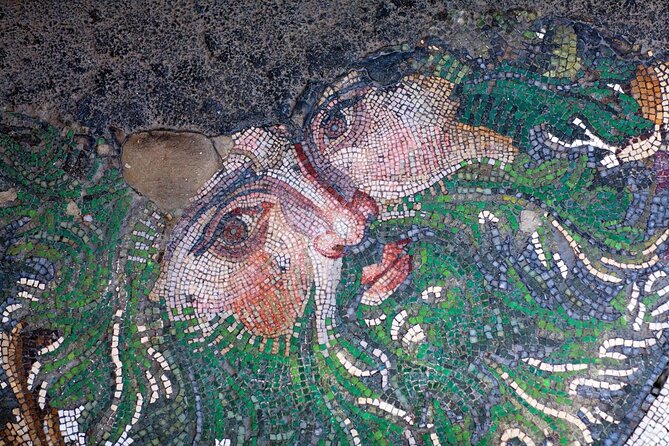
- Byzantine cisterns and hidden underground spaces are the main event, not just a quick peek
- Constantine’s Palace and Byzantine chapels connect the story to what you can see above ground
- Kucuk Ayasofya (Gazi Süleyman Paşa Mosque) is treated as an architectural bridge to Hagia Sophia’s style
- Small group size (max 15) helps the guide keep your questions moving
- Mobile ticket and a 10:00am start make it straightforward once you find the meeting point
Why Istanbul keeps Roman and Byzantine layers underfoot
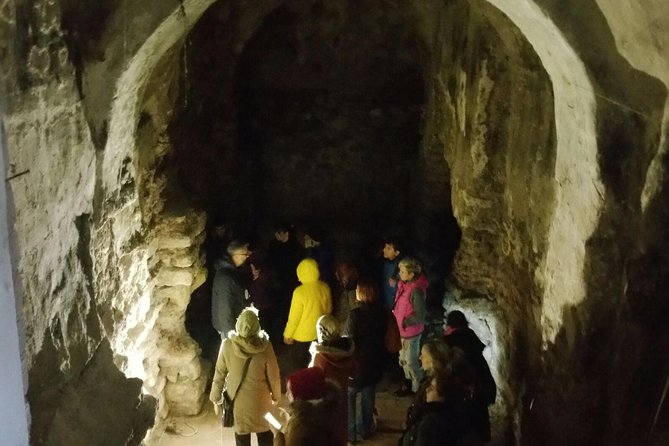
Istanbul is one of those cities where the past isn’t behind velvet ropes. It’s literally below your feet—built over, built through, and built around. This tour works because you don’t just read about it. Your guide explains why so many Byzantine remains are underground, and you see that logic become real as you move from street level to subterranean spaces.
That focus matters. Rome and Byzantium can feel like names on a museum label. Here, those names get attached to surfaces you can stand on, ceilings you can look up at, and cistern walls you can actually trace with your eyes.
You can also read our reviews of more tours and experiences in Istanbul.



Meeting point and timing: the practical setup
This experience meets at Binbirdirek, Divan Yolu Cd. No:15, 34122 Fatih/İstanbul and starts at 10:00am. Plan on finishing back at the meeting point—no long end transfer.
Duration is listed as 3 to 5 hours (approx.), which is typical for a route that mixes walking with time in places that require extra care (especially underground). The group is capped at 15 people, and the tour is guided by a professional.
Because it’s near public transportation, you can usually reach the meeting area without a complicated plan. Just give yourself a little buffer so you can arrive calm, not sprinting in your best sandals.
What you see first: Roman and Byzantine ruins beneath modern buildings
The tour begins with Roman and Byzantine remains under the modern structures of Istanbul. This is where the title starts to make sense. Instead of treating ruins like a single site, you start thinking of the city as one stacked layer-cake.
You spend about 3 hours at the first major component (with the admission ticket noted as free). That longer stretch is a clue: this isn’t a “quick photo and goodbye” stop. The guide’s job is to help you make sense of what you’re seeing—how Roman and Byzantine eras sit in the same physical footprint, even when the streets above have changed.
Practical note: underground spaces can mean more stairs, more turn-taking, and less room to linger. If you’re the type who likes to stare at inscriptions for a long time, keep expectations realistic. You’ll still get the story, but you’ll also keep moving.
Kucuk Ayasofya and the architecture link to Hagia Sophia
Next comes Kucuk Ayasofya at Gazi Süleyman Paşa Mosque. This stop is short—about 20 minutes—but it’s packed with meaning. The tour treats this church-to-mosque site as an important architectural reference point, with the guide explaining how it served as a model for the architects who built Hagia Sophia.
Why that matters for your day: Istanbul’s major monuments can blur together if nobody explains the design connections. Here, you get a guided way to see the relationship between buildings rather than just collecting dates.
If you care about architecture, this is a great moment to ask your guide what features to watch for (the tour is set up for that kind of conversation). If you’re more into mosaics and underground rooms, this surface stop still works as an anchor—it helps your brain place what comes next.
Hippodrome (Sultanahmet Square): the chariot-race center of gravity
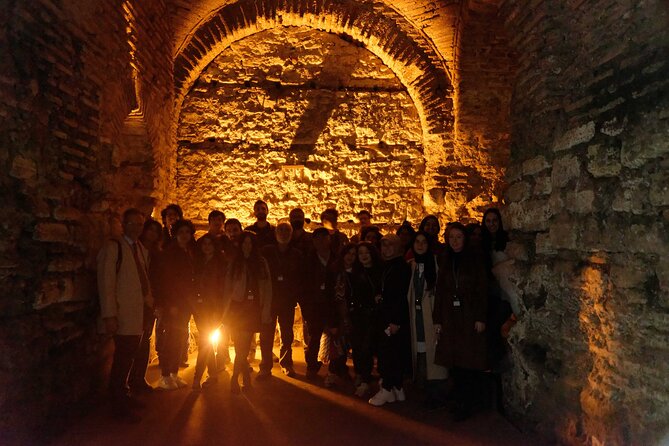
Then you head to the Hippodrome, now centered around Sultanahmet Square. The time here is listed at about 15 minutes, which tells you it’s a context stop. You’re not standing here to admire every stone in peace. You’re getting the bigger picture of why this area mattered.
The Hippodrome is presented as the heart of Byzantine-era chariot races and grand celebrations. Today it’s more of a public square feel—surrounded by daily city life—so your guide’s explanations are the glue. Without that, it can look like just another open space. With it, it becomes a stage with a past.
I’d use this moment to reorient your mental map. By the time you’re done, the underground story should feel less random and more connected to how the city organized power, crowds, and ritual.



Constantine’s Palace, chapels, and the cistern part of the show
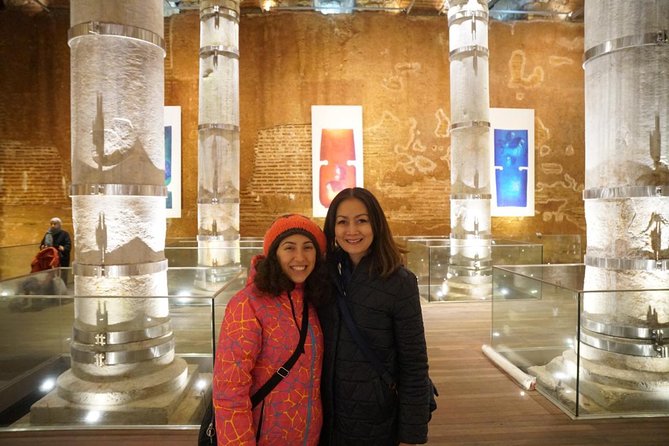
The big highlight themes are Constantine’s Palace, Byzantine chapels, and ancient cisterns. Even though the day’s route includes surface stops, the emotional payoff is the underground component—hidden ancient waterworks and religious spaces you don’t see from street level.
This is also where the tour’s value really shows. Many Istanbul sightseeing plans stay aboveground. This one pushes you below, where the city’s physical layers feel immediate. You’ll learn about the Byzantine setting of the city and why so much remains are approached underground rather than in a clean “standalone” ruin format.
One thing to know: access and visibility can vary depending on what’s open and how the sites are being managed at that moment. I’d go in expecting a guided route through spaces that are sometimes constrained by the realities of an active city.
And since the tour name leans Roman and Byzantine, if you like your history with physical context—walls, ceilings, stairs—this part delivers.
How the guide turns stone into a story (Ece, AJ, Ege, and more)
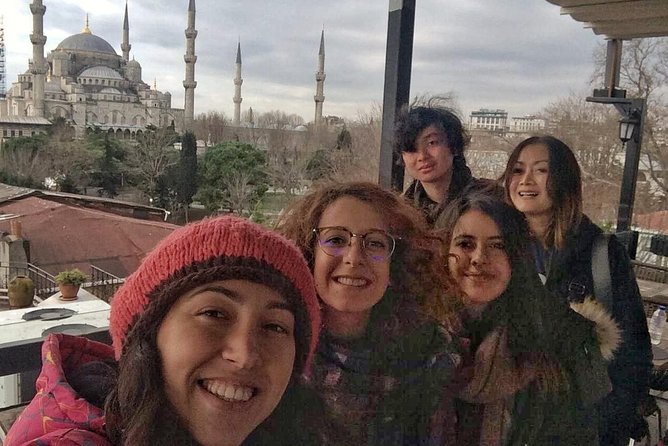
The strongest reviews point to one thing again and again: the guide. People describe guides who explain history clearly, connect eras, and keep the walk lively with real details, not just a list of stops. Names that come up include Ece, AJ, and Ege (one review uses Eve/Ege for a guide name), and the tone is consistently energetic and friendly.
I like that the tour style seems built around conversation. One guide is described as connecting who conquered whom and when, while also offering perspective on modern life in Turkey. That mix can help if you’re trying to understand Istanbul as more than just a timeline.
There’s also a detail worth noting: in one response, the provider described a guide as an academic at Istanbul University in the Classic Department and someone who gives Ancient Greek lessons. Even if your day’s guide isn’t the same person, that’s a hint at why the commentary can run technical in a good way—architecture and interpretation rather than vague storytelling.
What you should do: ask early in the tour what you should look for. If you’re visiting for architecture, say so. If you’re here for Roman-era engineering, say that. A small group makes those answers easier for the guide to tailor.
Shop stops and craft demonstrations: culture time or sales time?
This is the one area where your expectations should be tuned. Some people report that the route includes stops at local shops, such as a rug stop. Others mention a tile shop with a demonstration.
That can be great if you enjoy hands-on culture and the story behind materials. It can also feel like a detour if you came only for underground ruins and prefer zero shopping.
Here’s how I’d handle it: treat shop stops as optional-value moments. If you’re not interested in buying, you can still enjoy the demonstration and move on. If you know you hate sales pressure, consider booking with a tour that promises no shop components—or at least go in with your eyes open.
Either way, I’d keep your “history focus” mindset on. A good guide will tie shop stories back to the wider picture of how Istanbul preserves and sells its artistic identity.
Comfort and pacing for underground stops
This tour includes underground exploration of cisterns and ruins, plus walking between sites. The most practical advice is simple: wear comfortable shoes. You’ll likely do more steps than you expect, and underground rooms can make the pace slower than surface walking.
Also, plan to keep your phone ready. The meeting point is specific, and the tour uses a mobile ticket. If your battery is low, charge before you leave. Underground spaces can mean fewer opportunities to pause and sort your details.
Weather matters too, especially for the surface segments. On rainy days, the guide may adapt time or add a break over tea, based on how past experiences have been described. Still, bring a small umbrella or rain layer if the forecast looks questionable.
Price and value: is $45 fair?
At $45, you’re not just paying for access. You’re paying for a guided route that combines:
- underground Roman and Byzantine remains
- specific surface landmarks like Kucuk Ayasofya and the Hippodrome
- professional commentary designed to connect architecture, religion, and city life
The tour also states that it includes all taxes, fees, and handling charges, plus a professional guide. And some of the listed admission notes show free admission tickets for the included components.
So the value works if you want a guided interpretation and you’re open to the pacing that underground exploration requires. If you expected a fast, ticket-only sprint through famous sights with minimal detours, $45 won’t feel like a bargain. This tour is best for people who enjoy being told what they’re looking at and why it matters.
Who should book this tour, and who may feel underwhelmed
You’ll get the most from this experience if you:
- love Roman and Byzantine layers and want them connected in one walk
- enjoy architecture stories, not just photos
- like off-the-beaten-underfoot history that most visitors never see
- appreciate a guide who can answer questions and keep momentum
You might want a different option if:
- you strongly dislike any chance of shop stops during a sightseeing day
- you only want major aboveground monuments and feel impatient with underground segments
- you prefer fully guaranteed access to every space with zero variability
This isn’t a museum day. It’s city-under-city, guided and human.
Should you book Ancient Rome Under Istanbul?
If your dream Istanbul morning includes underground cisterns, Byzantine religious spaces, and the satisfaction of seeing how the city stacks its past under daily life, I’d book this. The small group size and guide-driven explanations are the heart of the experience, and that’s where you’ll feel the difference.
Just go in with realistic expectations about pacing and route structure. Wear good shoes, keep your schedule flexible, and be ready to trade a bit of speed for deeper context.
If you want, tell me your travel style (architecture vs. underground engineering vs. mosaics vs. general history). I can suggest whether this one fits you better than a more classic surface-focused tour.
FAQ
How much does Ancient Rome Under Istanbul cost?
The price is $45.
How long is the tour?
It runs for 3 to 5 hours (approx.).
Where is the meeting point, and what time does it start?
The meeting point is Binbirdirek, Divan Yolu Cd. No:15, 34122 Fatih/İstanbul, Türkiye, and the start time is 10:00am. The tour ends back at the meeting point.
Do I need to buy admission tickets?
Admission tickets are listed as free for the stops mentioned, and the tour includes the guide and taxes. The tour does use a mobile ticket.
What major sites are included?
You’ll visit Roman and Byzantine ruins under modern Istanbul, Constantine’s Palace, Byzantine chapels remains, and ancient cisterns. The route also includes Kucuk Ayasofya (Gazi Süleyman Paşa Mosque) and the Hippodrome.
What’s included in the price?
The tour includes all taxes, fees and handling charges, plus a professional guide.
Is food included?
No. Food and drinks are not included, and lunch is not included.
Is it a small group, and are service animals allowed?
Yes. The tour has a maximum of 15 people, and service animals are allowed. It’s also listed as being near public transportation.
What’s the cancellation policy?
You can cancel for a full refund if you cancel up to 24 hours in advance. If you cancel less than 24 hours before the experience starts, the amount paid is not refunded.
If I’m on a cruise, what info do I need to provide?
Cruise ship passengers need to provide ship name, docking time, disembarkation time, and re-boarding time at the time of booking.