REVIEW · 2-DAY EXPERIENCES
1 or 2 Day Private Istanbul Guided Tour
Book on Viator →Operated by Moira Travel Agency · Bookable on Viator
Two days, five icons, zero guesswork. This private Istanbul route is built for first-timers who want the big sights with real context, not just photo stops.
I especially like how the day-by-day flow keeps Istanbul making sense. You start in Sultanahmet with Hagia Sophia, then layer in Topkapi, the Blue Mosque, the Grand Bazaar, and the Hippodrome area before you switch to the Bosphorus for Dolmabahce and a cruise.
One thing to plan for: admission tickets are not included. Blue Mosque and the Grand Bazaar are free, but places like Hagia Sophia and Topkapi are not, so budget accordingly.
In This Review
- Key things I’d watch for before you go
- Price and Logistics: What $80 Buys You (and What It Doesn’t)
- Day One at Sultanahmet: Hagia Sophia and Topkapi in the Same Creative Zone
- Hagia Sophia Grand Mosque: The building’s story is the main event
- Topkapi Palace: Power, storage, and ceremony—inside courtyards
- Blue Mosque, Grand Bazaar, and the Hippodrome: The Easy-to-See Trio That Adds Texture
- Blue Mosque (Sultanahmet Camii): Blue tiles and a real worship schedule
- Grand Bazaar: Big enough to feel like a city
- Hippodrome area: The monuments aren’t random
- Day Two on the European Shore: Spice Market, Dolmabahce Palace, and a Bosphorus Reset
- Misir Çarşısı (Spice Market): Quick sensory shopping that won’t eat your day
- Dolmabahçe Palace: Ottoman power expressed through scale and ceremony
- Taksim to the Bosphorus: Finishing With City Pulse and a Cruise
- Taksim Gezi Park: A short breather
- Bosphorus Strait cruise: The view payoff
- Timing Tips: Closing Days and How Your Plan Changes
- Value Check: Who This Tour Fits Best
- The Big Decision: Should You Book This Private Istanbul Tour?
- FAQ
- FAQ
- How long is the tour?
- Is this tour private or shared?
- What’s included in the price?
- Are entrance tickets included?
- Are meals included?
- Does the tour include hotel or port pickup?
- Where does the tour start?
- When is the Grand Bazaar closed?
- When is Hagia Sophia closed?
- What happens if a museum is closed on your chosen day?
- Is cancellation free?
Key things I’d watch for before you go
- Private guide pacing: You’re with just your group, so you can move slower or faster without wrestling a big crowd.
- Queue-time help: A strong guide approach can help you avoid dead time at major stops and keep the day on track.
- Architecture nerd delight (in a good way): Hagia Sophia’s dome, marble sources, and three construction phases get explained in plain language.
- Ottoman power in one place: Topkapi is presented as a functioning state machine—courtyards, offices, and where power was stored.
- Real money/value sightseeing: Many stops are free (Blue Mosque, Grand Bazaar, Hippodrome), which makes the paid parts feel more worth it.
- Backup plan if a museum is closed: If a site is shut on your day, the plan can shift to other options rather than cancelling outright.
Price and Logistics: What $80 Buys You (and What It Doesn’t)
At $80 per person, this tour is mainly paying for three things: a professional guide, private group time, and convenient hotel or port pickup and drop-off. You’re not paying for meals or entrance fees, so the value comes from how efficiently the guide helps you use your limited time.
Here’s the money logic I’d use: you’ll hit some major paid sights (Hagia Sophia, Topkapi, Dolmabahce), but you also get free access to a few key stops (Blue Mosque, Grand Bazaar, Hippodrome area). That mix makes the overall cost feel more balanced than tours that charge you for everything.
Transport is also part of the reality. The tour includes pickup and drop-off, but the experience can still involve transit between sights in Istanbul. If you’re sensitive to extra costs, it’s worth being clear up front about how transfers will be handled on the day.
You can also read our reviews of more guided tours in Istanbul

Day One at Sultanahmet: Hagia Sophia and Topkapi in the Same Creative Zone
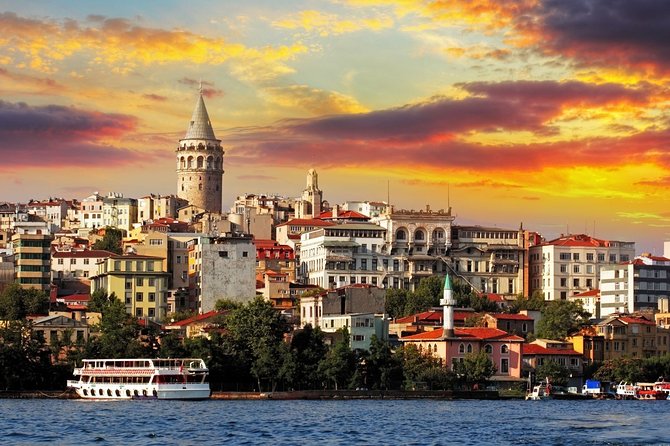
Sultanahmet is where Istanbul’s layers stack up fast. Hagia Sophia and Topkapi are close enough to make sense together, but different enough that you’ll feel like you’re seeing two separate worlds.
Hagia Sophia Grand Mosque: The building’s story is the main event
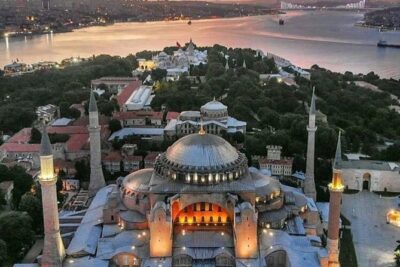
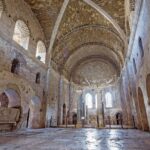
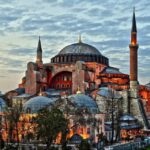
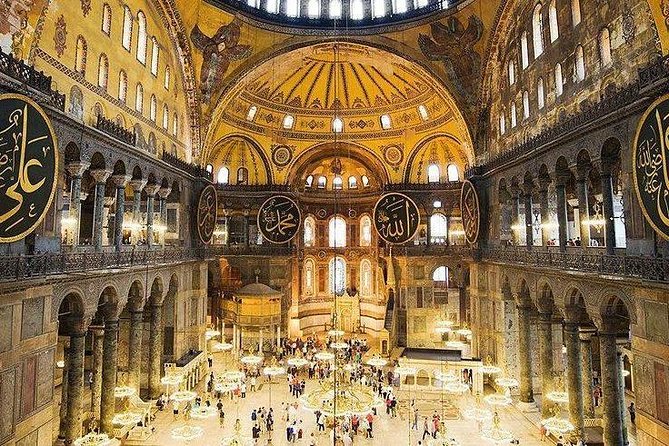
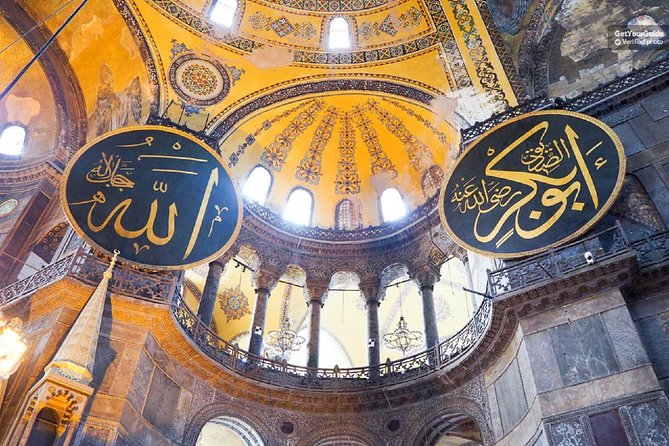
This stop works best when you treat it like a history-and-engineering walkthrough. The guide’s job here is to help you notice what your eyes can miss: this building was constructed three times on the same site, and each phase left visible fingerprints.
You get the big picture fast: it began as a major church of the East Roman Empire, it later became a mosque after the Ottoman conquest, and at different points it served as both a museum and a working religious space. Knowing that timeline changes how you look at the interior details.
Two details I’d focus on inside:
- The scale and construction logic, including how the dome was engineered for a massive interior span. The tour info includes the dome’s height from ground level and its radius directions, which helps you understand why the room feels so huge.
- The mix of materials and spolia (marble and columns moved from other places). You’ll hear where different colored marbles came from (Marmara Island, Eğriboz, Afyon, North Africa), which makes the decorations feel less random.
Practical note: Hagia Sophia often has crowd pressure. A guide who understands timing can help you spend less time stalled and more time looking.
Topkapi Palace: Power, storage, and ceremony—inside courtyards
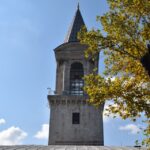
After Hagia Sophia, Topkapi hits with a different kind of awe. This palace wasn’t just a home; it was the administrative and educational center of the Ottoman state, and the royal treasure and archives stayed here even after the sultans moved partly to Dolmabahce.
What I like about Topkapi in a guided format is that the complex becomes a map instead of a maze. You’ll hear how the palace sits on the Byzantine acropolis at Sarayburnu, surrounded by sea on multiple sides, and how the layout is organized through courtyards and gates.
You’ll also get a key structural idea: Topkapi is organized into the Outer Palace and the Inner Palace, with the Harem connected to the inner complex. That matters because many visitors wander without understanding where the daily workings stopped and where the highest-level spaces began.
If you’re the kind of person who likes spatial logic—who enjoys gates, walls, and “who goes where”—you’ll probably enjoy Topkapi more than you expect.
Blue Mosque, Grand Bazaar, and the Hippodrome: The Easy-to-See Trio That Adds Texture
Day one doesn’t end at palaces. This is where you see Istanbul as a living city: worship space, trade space, and the old public arena footprint.
You can also read our reviews of more private tours in Istanbul
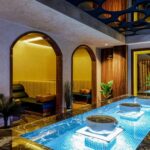



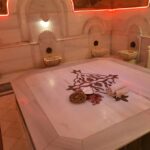
Blue Mosque (Sultanahmet Camii): Blue tiles and a real worship schedule
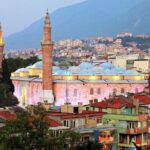
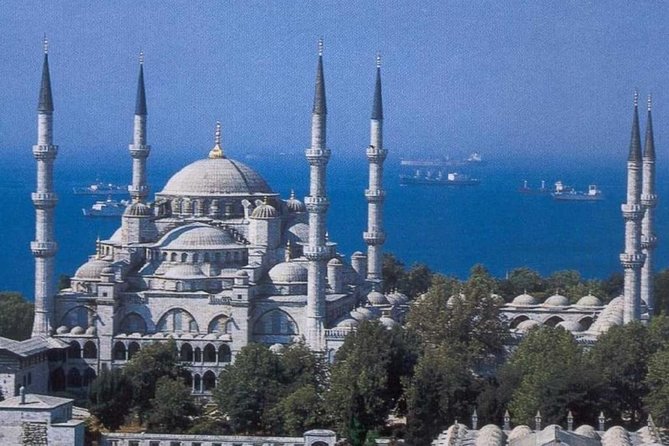
The Blue Mosque is free and it’s still active. The tour description highlights what gives it its name: blue tiles around the interior walls.
One practical consideration: it can close to non-worshippers for about half an hour around the five daily prayer times. The guide should help you approach with the right flow, and the recommended entry approach is from the Hippodrome side.
This stop is ideal when you want something quieter and more architectural, with a bit of local rhythm built in.
Grand Bazaar: Big enough to feel like a city
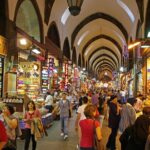
The Grand Bazaar’s scale can feel hard to picture until you’re standing in it. It covers about 30,700 square meters with over 60 streets and alleys and thousands of shops.
What makes a guided visit worth it is navigation. The guide can point you to the main historical core (like the İç Bedesten area) and also help you understand why the bazaaar grew into a roofed “city-within-a-city” with hans (inns), trade support, and other services.
If you’re shopping, you’ll also like knowing the bazaar’s Ottoman-era structure. The tour notes include that it reached its present size by the 17th century with over 4,000 shops. That context makes the place feel less like a generic mall and more like a long-term economic engine.
Hippodrome area: The monuments aren’t random
The Hippodrome of Constantinople is one of those places that doesn’t look like much at first—until you connect the dots. The tour info explains it as a public arena mainly for chariot races, across Roman, Byzantine, and Ottoman periods.
If you want a standout moment with minimal effort, focus on the monuments mentioned:
- The Obelisk of Theodosius (also linked to Thutmosis III), one of the Egyptian obelisks in the world and described as in very good condition.
- The capacity idea of about 40,000 people, which helps you picture the scale of crowds and spectacle.
And because this is Istanbul, the guide can also connect the space to major events, including references to the Nika riots and the role of the Hippodrome in Byzantine civic life.
Day Two on the European Shore: Spice Market, Dolmabahce Palace, and a Bosphorus Reset
Day two shifts from old empires to an imperial style with a waterfront mood. You’ll also get a more casual market break before the big palace.
Misir Çarşısı (Spice Market): Quick sensory shopping that won’t eat your day
This is a free stop and it works like a reset. The Spice Market is described as a colorful indoor bazaar with spices, flavored teas, Turkish delight, nuts, ceramics, and small souvenirs.
I like this kind of stop on a tour because it gives your brain a break from architecture. You can snack, browse, and still feel like you’re doing something local.
Dolmabahçe Palace: Ottoman power expressed through scale and ceremony
Dolmabahce is where the tour turns fancy. The palace sits along the Bosphorus, and the information you get explains why the location matters: a shallow bay turned into gardens and pavilions after the older waterfront setup changed.
The palace build timeline is specific: ordered in 1843 under Sultan Abdülmecid I and finished in 1856. That time range is helpful because Dolmabahce reads like a different mood from older Ottoman patterns and it also connects to modern state use.
What I’d look for during the visit:
- The palace size numbers, including over 110,000 square meters of construction on 250,000 square meters of land.
- The three main sections: Administrative apartments (Selamlik), Ceremonial Hall, and the Imperial Harem.
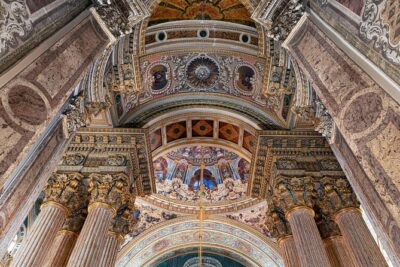
- The Ceremonial Hall details, including its scale and the massive chandelier described in the tour notes.
This place also has a modern-civic link. The tour info says the Parliament decided to use it as a presidential palace, and Atatürk stayed and received foreign guests there, with his death in the palace on November 10, 1938. Even if you’re not a museum person, that fact gives the visit a different emotional tone.
Also, the guided structure helps you not get lost in the complex. The info describes extra buildings in the complex (like imperial kitchens, stables, and workshops). A guide makes it feel like a system, not a pile of rooms.
Taksim to the Bosphorus: Finishing With City Pulse and a Cruise
After Dolmabahce, the tour drops you into more contemporary Istanbul.
Taksim Gezi Park: A short breather
The plan lists Taksim and Gezi Park as a free stop with about an hour. The practical value here is simply giving you space between major sites so you don’t end the day with your feet in revolt.
Bosphorus Strait cruise: The view payoff
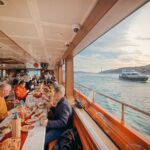
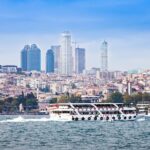
You also get a Bosphorus cruise tour of about 1.5 hours. The tour data doesn’t list a ton of operational details, but it clearly positions the cruise as a core experience.
This is a smart choice because it helps you see the city’s split personality—older monuments behind you, waterfront views in front of you—without needing to cram in another heavy museum.
Timing Tips: Closing Days and How Your Plan Changes
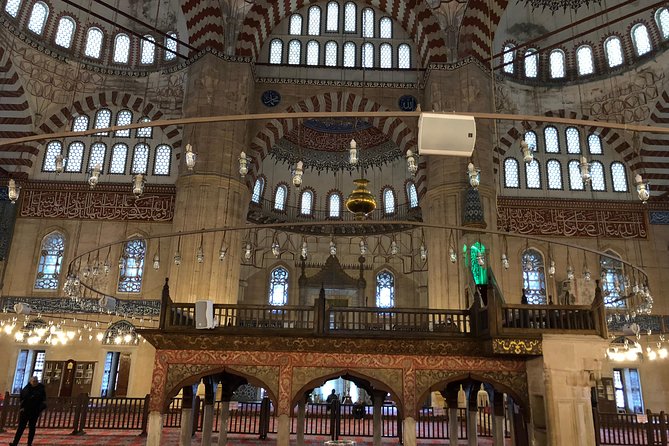
You’ll want to watch the stated closing patterns because they shape whether your schedule feels smooth or stressful.
Key closures listed:
- Grand Bazaar closes on Sundays
- Hagia Sophia closes on Mondays
- Topkapi Palace closes on Tuesdays
- Dolmabahce Palace closes on Mondays and Thursdays
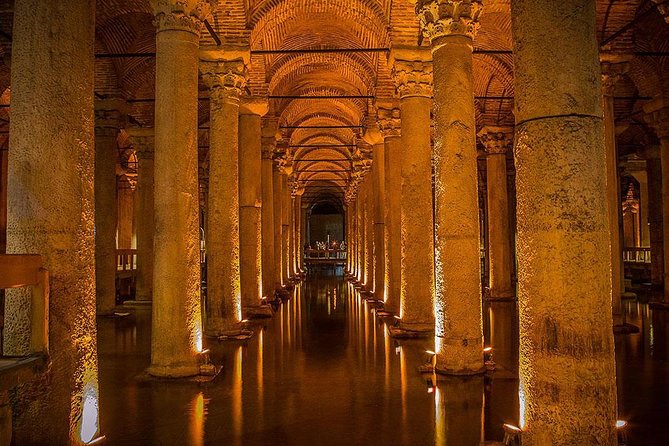
If a museum is closed on your chosen day, the plan can shift to the next available day. If it can’t, the tour can replace the visit with an Underground Cistern or Galata Tower trip.
This is one of those details that doesn’t feel exciting while booking—but it matters when you’re standing in Istanbul counting the hours. A guide who keeps Plan B ready makes the tour feel dependable.
Value Check: Who This Tour Fits Best
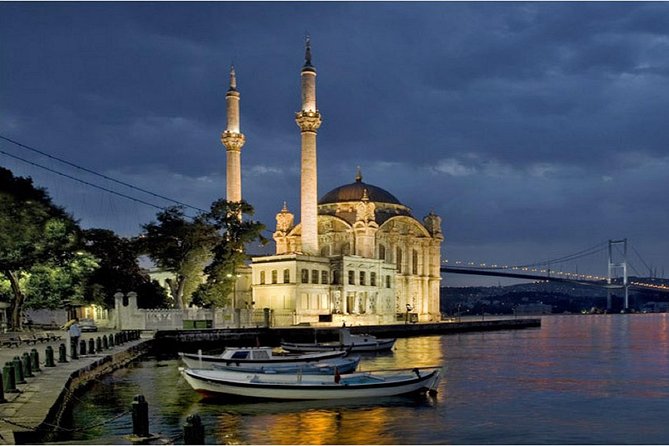
This private tour is best for:
- First-time Istanbul visitors who want a tight two-day arc across the classic “must-sees”
- People who value explanation and context, especially for Hagia Sophia and Topkapi’s layouts
- Anyone who likes structure: pickup, set stops, and a guide to handle timing and transitions
It may be less ideal if:
- You want fully independent wandering without any scheduled stops
- You expect entrance fees to be included (they are not)
- You prefer longer time at just one site instead of covering several major ones
The Big Decision: Should You Book This Private Istanbul Tour?
If your goal is to hit the headline sights in a private format and you’re okay budgeting for entrance fees, I think this is a strong plan. The schedule is built so day one stays anchored in Sultanahmet, and day two uses the Bosphorus setting to change pace.
Before you book, do two quick checks:
- Confirm which days match your travel dates given the listed closures.
- Budget for paid entrances (Hagia Sophia, Topkapi, Dolmabahce) since tickets aren’t included, even though several stops are free.
If you want a guide who can keep the day moving and help you get your time back, look for a service style like Numan or Asli—both names show up in the guide-focused feedback you were given, and the common thread is pacing and practical help.
FAQ
FAQ
How long is the tour?
The tour is listed as 2 days (approx.) and it’s offered as a 1 or 2 day private tour depending on the option selected.
Is this tour private or shared?
This is a private tour/activity. Only your group participates.
What’s included in the price?
Included items are a professional guide, 1 or 2 days depending on option selected, and the tour is private. Pickup and drop-off are also included.
Are entrance tickets included?
No. Admission tickets are not included (and the tour notes specify that some specific sites are free while others are not). Hagia Sophia, Topkapi Palace, Dolmabahce Palace, and the Bosphorus cruise have admission not included.
Are meals included?
Food and drinks are not included.
Does the tour include hotel or port pickup?
Yes. The tour always includes hotel or harbour pick-up and drop off.
Where does the tour start?
The start meeting point is the German Fountain (Binbirdirek) at Binbirdirek, At Meydanı Cd, 34122 Fatih/İstanbul. If your hotel isn’t centrally located, the guide may meet you in front of Hagia Sophia.
When is the Grand Bazaar closed?
The Grand Bazaar closes on Sundays.
When is Hagia Sophia closed?
Hagia Sophia closes on Mondays.
What happens if a museum is closed on your chosen day?
If the museum is closed, the local supplier will move the itinerary to the next available day. If not possible, the tour can be replaced with a trip to the Underground Cistern or Galata Tower.
Is cancellation free?
Yes—free cancellation is offered. You can cancel up to 24 hours in advance for a full refund, and cut-off times are based on local experience time.