REVIEW · BLUE MOSQUE TOURS
Private: Topkapi Palace, St. Sophia, Blue Mosque, Grand Bazaar, Hipodromme
Book on Viator →Operated by Private & Small Group Ephesus & Istanbul & Turkey Tours · Bookable on Viator
Istanbul hits hard when you skip the hunt. This private highlights circuit is a smart way to see the big names without wasting your day zigzagging on your own, moving between stops in an air-conditioned vehicle with a guide. I especially like the time-saving approach and the way the day flows from one site to the next.
I like that you can shape the pace to your group. In real life, I’ve seen this work because guides like Ezgi and Emel adjust timing for comfort, shade breaks, and what you care about most, whether that’s architecture or getting out before lines peak. The second big win for me is the private, just-your-party setup.
One consideration: Hagia Sophia has changed how visitors get live guidance. Since restrictions that started in January 2024, you’ll need a smartphone and headphones system for the visit, or you can buy headphones at the entrance (if you arrive without them). That’s not a dealbreaker, but it does affect how smooth the museum-style experience feels.
In This Review
- Key points to know before you go
- A one-day Istanbul hit: why this route makes sense
- Hippodrome Square: start where Istanbul’s crowds have always gathered
- Blue Mosque: Iznik tiles, quick viewing, and Friday timing
- Hagia Sophia after January 2024: the audio visit system
- Topkapi Palace: Ottoman power plus the weapons section
- Grand Bazaar: a shortcut through one of the world’s biggest markets
- Value and logistics: what you’re really buying for $99
- Who this suits best, and when you might rethink it
- Should you book this private Istanbul highlights tour?
- FAQ
- What does this private tour include?
- Is it really private, or do I join a larger group?
- How long is the tour?
- Is pickup available, and where does it happen?
- Are entrance fees included?
- How does Hagia Sophia work with the current guiding rules?
- What should I wear for mosques?
- What if a site is closed?
- When is the Blue Mosque open on Fridays?
Key points to know before you go
- Private with your party only: no blending with strangers, and you can move at your pace
- On-time return focus for cruise days: guaranteed return to port timing
- Hagia Sophia audio-style visit: no live guiding inside; plan for headphones and a smartphone
- Skip-lines help: the guide has pre-paid tickets where needed
- Ottoman + Byzantine in one run: Hippodrome to Topkapi to the Grand Bazaar
A one-day Istanbul hit: why this route makes sense
I like Istanbul best when the logistics don’t steal your energy. This tour stitches together five major stops that would otherwise take planning, timed entry stress, and a whole lot of walking to connect efficiently. You’re based around a classic “Old City core” loop: Hippodrome Square, the Blue Mosque, Hagia Sophia, Topkapi Palace, then the Grand Bazaar area.
You’re also not trapped in a rigid script. The tour is private, so you can ask your guide to shift the order a bit within the day, spend more or less time at a specific place, or decide how long you want near the shops. That flexibility shows up clearly in how guides handle tight schedules and visitor bottlenecks.
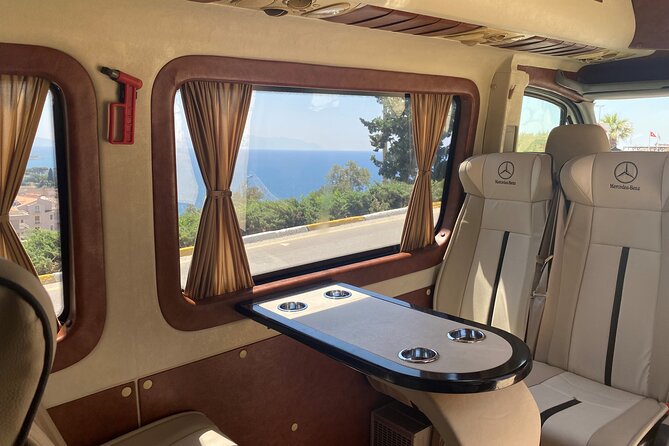
Value-wise, the big question is what you’re paying for. At $99 per person, you’re not just buying entrances to attractions. You’re paying for a professional guide, private transportation in a minivan, local taxes, and the practical head start of pre-paid entry support. Some entrances are free (Hippodrome, Blue Mosque, Grand Bazaar), while others (Hagia Sophia and Topkapi Palace) are not included—so your final “trip math” depends on those site fees.
You can also read our reviews of more private tours in Istanbul

Hippodrome Square: start where Istanbul’s crowds have always gathered
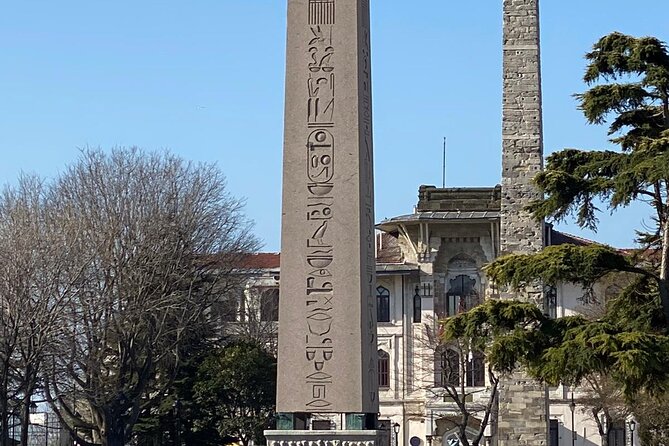
You begin at Hippodrome Square, a location that still feels like a stage even after the chariot-race era ended. This is where chariot races once thundered through the Byzantine period, and it also links to the tension and uprisings of Roman and Byzantine times.
What I like about starting here is the context. Istanbul can feel like a stack of eras—Roman layers here, Byzantine splashes there, Ottoman power later. Hippodrome gives you an early “how the city used to work” anchor before you hit the religious heavyweights.
In terms of effort, the stop is short (about 20 minutes) and the plan is flexible: you can walk or drive to the square depending on the day. Admission here is free, so you’re mainly paying for orientation and historical framing from your guide rather than ticket cost.
The main drawback is also the most practical one: you’ll still be in the open air. If the weather is hot or stormy, you’ll want to rely on your guide for shade breaks and timing. Good guides handle that well; not every day is perfect.
Blue Mosque: Iznik tiles, quick viewing, and Friday timing
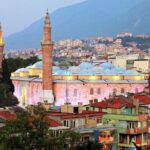
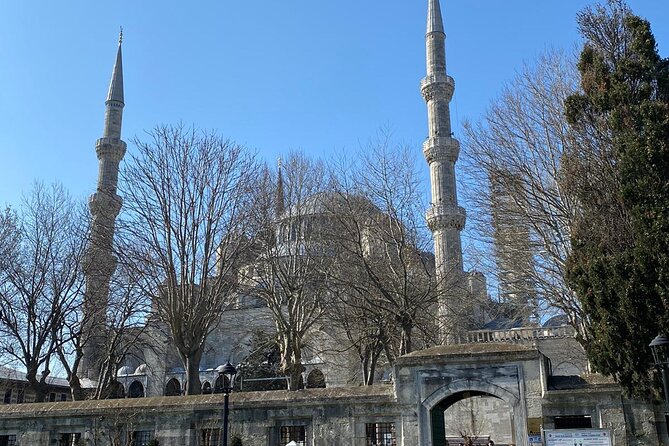
Next up is the Blue Mosque, famous for its beautiful blue Iznik tiles. The outside-to-inside flow matters here, because this is one of the most photographed interiors in Turkey—and that means security lines and visitor volume can become the story if you’re on your own.
On this tour, the stop is about 20 minutes and admission is free. That short timing is intentional. It helps you see the key features without turning the day into one long queue. You’ll also be in a better position to arrive at the next stop with energy left.
One timing detail you should know: the Blue Mosque is open from 14:30 to 16:30 on Fridays. If your tour happens to be on a Friday, your guide may need to adjust to match opening windows, your group’s time, and how entry works on the day. In at least one instance, guides have had to re-plan when the mosque wasn’t accessible during the available time.
Also, this is a mosque, so dress rules apply: bare shoulders aren’t allowed, and shoes are not permitted inside. If you show up borderline, you may need to improvise or purchase something at the last minute—so it’s worth wearing a shirt or scarf-friendly outfit.
Hagia Sophia after January 2024: the audio visit system
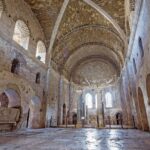
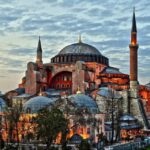
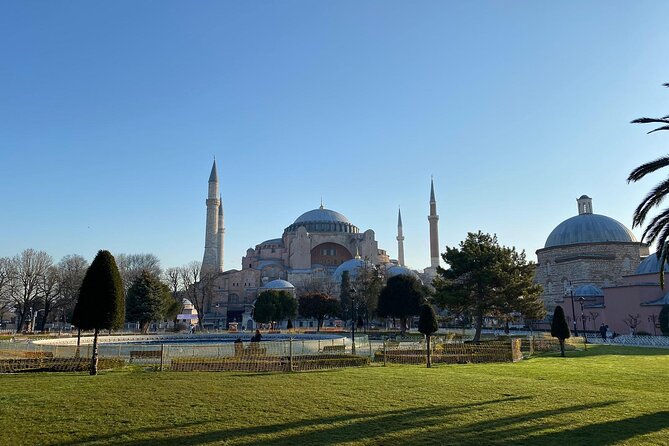
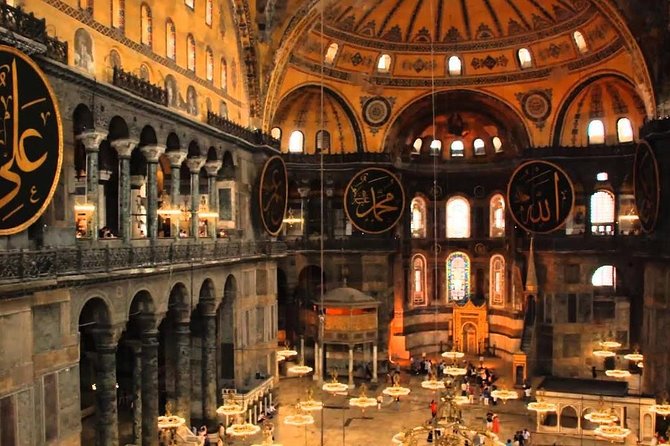
Hagia Sophia is the centerpiece for many people, and it’s where planning matters most. It was built in 532 AD by Roman Emperor Justinian I, and even today the place makes you pause. The scale alone does it, and the layers of use over centuries make it feel alive.
Here’s the big update: after January 15, 2024, live guiding is not allowed inside Hagia Sophia. Instead, you’ll follow an audio-style system using your own smart phone plus headphones. If you don’t have headphones, you can buy them at the entrance for 3.5 USD. If you don’t have a smartphone, the visit includes signs and written information you can follow.
This is the main reason I’d tell you to pack for smoothness:
- Bring your phone and make sure it’s charged.
- If you’ve got a spare pair of wired or wireless headphones, bring them.
- Expect that your guide’s role shifts from talking inside to helping you navigate the experience.
The stop time is about 45 minutes, and Hagia Sophia admission is not included in the tour price. So yes, you’ll pay the site fee separately, but you’re buying a short, focused visit time plus guidance on how to handle the new rules.
The upside is that the audio/sign system can still make the experience feel coherent. The downside is that if you love lots of real-time explanation, you’ll need to adjust your expectations for this particular stop.
Topkapi Palace: Ottoman power plus the weapons section
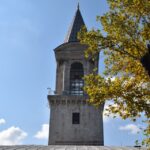
Topkapi Palace is where Istanbul shifts from religious landmarks into a show of government, education, and military order. It wasn’t just a residence for Ottoman sultans; it also served as an administrative and educational center. Construction dates in the 1460–1478 range under Sultan Mehmed II, the conqueror of Constantinople.
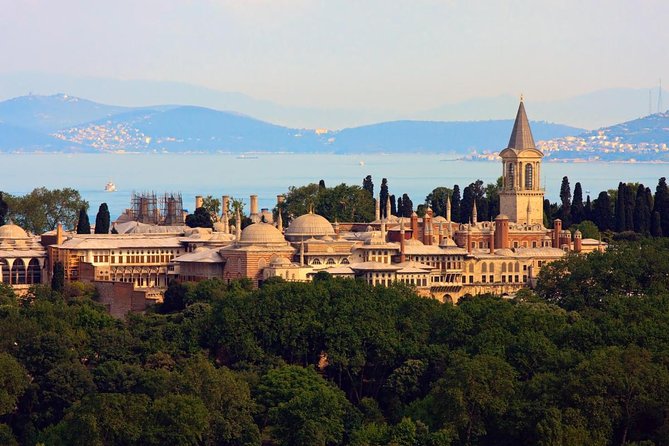
This tour spends about 2 hours here, and admission is not included. The highlight for many visitors on this route is that you also see the weapons section. That’s a smart choice because it gives you a different lens on Ottoman life. You’re not just looking at decorative objects; you’re seeing tools of power and the way the state thought about defense.
What makes Topkapi work in a one-day format is the structure. Two hours is long enough to feel like you really saw something, but not so long that you lose the thread or get fried by fatigue. Still, this is a big palace. If your group wants slower movement and more photo time, ask your guide. The private format helps here.
The other practical note: Topkapi is indoors and outdoors in parts, so you’ll want layers. Also, bring water outside mosques and museums when allowed, but you didn’t come for lunch—this tour doesn’t include it.
You can also read our reviews of more shopping tours in Istanbul





Grand Bazaar: a shortcut through one of the world’s biggest markets
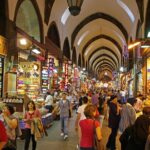
Then it’s on to the Grand Bazaar, one of the largest and oldest covered markets in the world. It includes more than 58 covered streets and over 1,200 shops, with visitor levels that can run extremely high daily. It’s been around since 1461 and is well known for jewelry, pottery, spices, and carpets.
This stop is about 1 hour 30 minutes, and admission is free. I like the time box because it lets you see what makes the bazaar special without turning it into hours of slow wandering. With a guide, you’re also less likely to get trapped in the wrong corridors.
If shopping is part of your travel joy, this is the place. Some guides are helpful with bargaining tactics and navigating shop choices. If shopping is not your thing, you can still enjoy the bazaar’s atmosphere, the covered lanes, and the visual chaos in a controlled way—without spending your whole budget.
One consideration: the bazaar can be loud, crowded, and hot. Your guide can often help by choosing calmer entry points and moving you efficiently. On some days, depending on closures, the plan may swap to alternatives like the Spice Market or Arasta Bazaar, so don’t lock your expectations to only one shopping maze.
Value and logistics: what you’re really buying for $99
Let’s talk about why this tour can be good value even though two major sites charge separately.
You’re paying for:
- A private guide (not a big bus commentary)
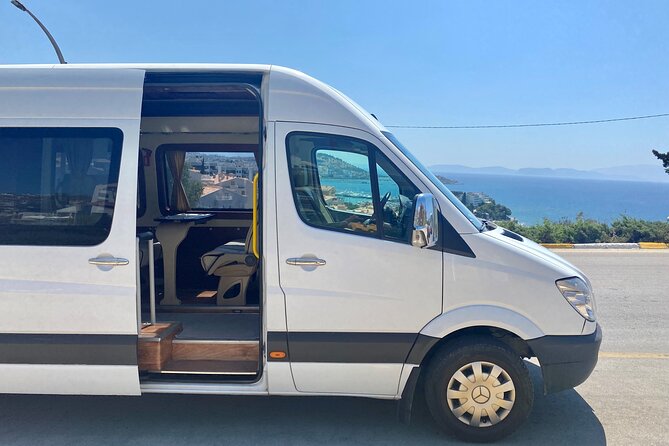
- Private transportation in an air-conditioned minivan
- Pre-paid ticket support where it matters, which helps you avoid the worst line problems
- A worry-free shore excursion focus, including guaranteed on-time return to port
- Mobile ticketing
Meanwhile, you still get meaningful free admissions at Hippodrome, Blue Mosque, and Grand Bazaar. That spreads your total day cost so you’re not paying full admission for everything inside your single price.
The best value shows up on the days you’d normally waste time. Istanbul lines can be brutal, especially when multiple cruise ships hit the area. Private guiding doesn’t magically make crowds disappear, but it does reduce the time you lose because someone is always steering you—where to queue, when to arrive, and how long to stay.
The one place you must plan a bit yourself is Hagia Sophia’s audio system. If you forget headphones or don’t bring a phone, you’ll still get in, but you’ll pay more at the entrance and lose some flow.
Who this suits best, and when you might rethink it
This tour fits best if you want to see major Istanbul highlights in one day and you don’t want to manage timing and transport on your own. It’s also a great idea for cruise days because of the emphasis on on-time return to port and a guided, efficient route.
You’ll especially appreciate it if:
- You like a clear plan, but still want room to adjust
- You prefer short, high-impact site visits rather than half-day museum marathons
- You want help with mosque rules and practical on-site decisions
You might rethink it if:
- You hate audio-style museum experiences and strongly prefer live narration at every stop (Hagia Sophia is the exception)
- You’re chasing a slow, deep dive into one museum wing for hours
- You don’t want any shopping time at all. Most days revolve around major landmarks and a market stop; if your guide is too shop-focused, you’ll want to steer the day back toward sights early.
From past guide behavior, I’ll add one practical tip: if your group cares about history and architecture more than shopping, say it early and keep saying it kindly. In a few cases, guidance has drifted toward store time when expectations weren’t set right away.
Should you book this private Istanbul highlights tour?
Book it if you want a smooth, efficient day hitting Hippodrome, Blue Mosque, Hagia Sophia, Topkapi, and Grand Bazaar without getting lost or stuck in long delays. The private format plus pre-paid entry help usually means more time looking at Istanbul and less time stuck in logistics.
Skip it or choose another format if Hagia Sophia’s audio-only setup will frustrate you, or if you want a very slow, in-depth museum day with heavy live interpretation at every stop.
If you do book, come prepared: dress for mosques (shoulders covered), bring headphones (or at least plan for the 3.5 USD purchase), and bring a phone with enough battery for the Hagia Sophia visit. Then you’ll get the best of Istanbul’s layered past with a day that actually fits your schedule.
FAQ
What does this private tour include?
It includes stops at Hippodrome Square, Blue Mosque, Hagia Sophia, Topkapi Palace (including the weapons section), and the Grand Bazaar. You also get private transportation with a guide.
Is it really private, or do I join a larger group?
It’s a private tour/activity. Only your group participates.
How long is the tour?
It runs about 8 hours (approximately).
Is pickup available, and where does it happen?
Yes. Hotel guests are picked up from the hotel lobby in selected hotels only, and cruise guests are picked up at the Istanbul Cruise Terminal. Your suggested pickup time is provided after confirmation.
Are entrance fees included?
Admission tickets are listed as free for Hippodrome, Blue Mosque, and Grand Bazaar, while admission for Hagia Sophia and Topkapi Palace is not included.
How does Hagia Sophia work with the current guiding rules?
Live guiding is not allowed in Hagia Sophia after January 15, 2024. You need a smartphone and headphones during your visit. If you don’t have headphones, you can buy them at the entrance for 3.5 USD.
What should I wear for mosques?
You’ll need to avoid bare shoulders in holy places of worship, and shoes are not permitted in mosques.
What if a site is closed?
There are planned replacements. On Tuesdays, Topkapi Palace may be replaced by Underground Cistern. On Sundays, Grand Bazaar may be replaced by Spice Market. Grand Bazaar may be replaced by Arasta Bazaar on public holidays.
When is the Blue Mosque open on Fridays?
On Fridays, the Blue Mosque is open from 14:30 to 16:30.