REVIEW · BLUE MOSQUE TOURS
Istanbul: Hagia Sophia, Blue Mosque, Suleymaniye Mosque Tour
Book on GetYourGuide →Operated by TripGuru Turkey · Bookable on GetYourGuide
If Istanbul is a story, this tour reads it out loud. You’ll hit three landmark mosques in a tight 4-hour walking loop with a guide who connects art, politics, and faith. It’s a great way to see what makes this city tick without spending your whole day bouncing between tickets and crowds.
I especially like how the tour gives you the “why” behind what you’re looking at. Hagia Sophia isn’t just impressive, it’s a timeline: Orthodox Christian cathedral in the 6th century, then a Catholic church, then a mosque, and later a museum. The Blue Mosque and Süleymaniye Mosque add the other half of the picture: Ottoman design choices and Mimar Sinan’s architectural thinking.
One thing to plan for: timing can shift around prayer, and the sites require a strict dress code (no shorts or sleeveless tops). If you’re sensitive to queues, pick the skip-the-line Hagia Sophia option, because without it you may face a 1–2 hour line.
In This Review
- Key things that make this tour work
- Hagia Sophia: 1,500 Years Told in Walk-Up Form
- Blue Mosque on Sultanahmet’s Main Stage: Tiles, Stories, and Sultan Ahmed’s Choice
- Süleymaniye Mosque: Mimar Sinan’s Big Idea on the Third Hill
- The Madrasah Drink Break: A Pause That Feels Like Istanbul, Not a Detour
- Price and What You’re Really Buying for $29
- Logistics, pace, and where the tour actually starts
- Dress code and prayer-time reality checks (what to pack)
- Who this tour suits best (and who should skip it)
- Should you book this Istanbul Hagia Sophia and mosque tour?
- FAQ
- Where does the tour start?
- How long is the tour?
- Is the Hagia Sophia skip-the-line entrance fee included?
- What is included in the tour price?
- Are there dress code restrictions?
- What should I do if prayer times affect the schedule?
Key things that make this tour work
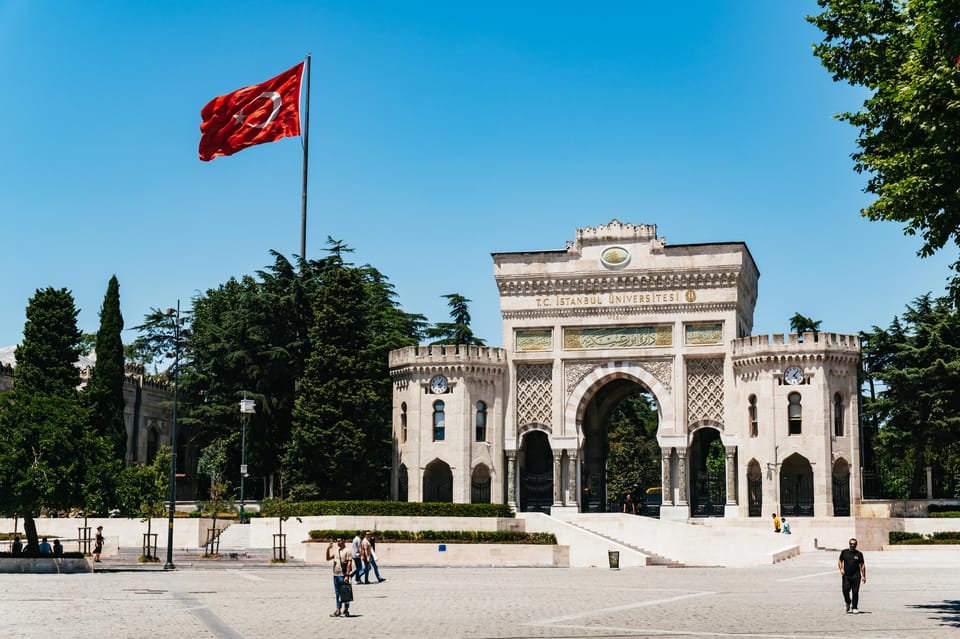
- Skip-the-line flexibility for Hagia Sophia: choose the option, or expect possible long queues
- Three top-tier sights in one walk: Hagia Sophia, the Blue Mosque, Süleymaniye Mosque
- Design details, not just dates: tilework, floral ornament, and Ottoman/Byzantine context
- A madrasah stop with a local drink: a break that feels part of the story
- Small group options: many bookings run small, so you can ask questions
- Guides who tailor the pace: multiple guides in reviews were praised for timing and clarity
Hagia Sophia: 1,500 Years Told in Walk-Up Form
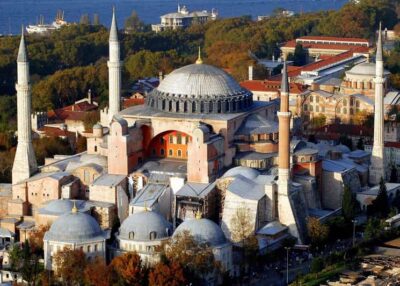
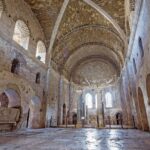
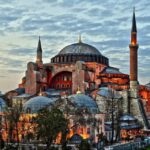
Hagia Sophia is the kind of place where your brain keeps switching settings. One moment you’re staring at massive domes and stone geometry, and the next moment your guide is explaining how the same space got re-used again and again across empires.
You’ll start with a photo stop and then a guided visit that focuses on the building’s long life. The big idea here is transformation. Hagia Sophia was completed in the 6th century A.D. as an Orthodox Christian cathedral in early-day Constantinople. Over the centuries, it served as a Catholic church, then a mosque, and later a museum. That sequence matters because it explains why the building feels both monumental and complicated, almost layered.
Here’s the practical value: if you come with no context, you mostly see “wow.” With context, you start spotting patterns. You understand why certain design elements were emphasized, and why later caretakers made specific choices. That’s where a good guide earns their fee. In the reviews, people singled out guides like Muhammed and Ebru for connecting architecture with history in a way that actually lands.
If you can choose, take the Hagia Sophia skip-the-line option. Without it, you could face a 1–2 hour wait. With it, you’re more likely to keep your day on track and spend energy looking instead of standing in a line.
You can also read our reviews of more tours and experiences in Istanbul.



Blue Mosque on Sultanahmet’s Main Stage: Tiles, Stories, and Sultan Ahmed’s Choice
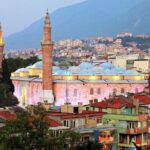
Next you head to Sultan Ahmed’s Mosque, the one most people call the Blue Mosque. It’s not called that by accident. The interior and exterior tilework, floral design motifs, and color play are the headline, but the guide’s job is to tell you what to notice and why.
You’ll have a photo stop plus about an hour of guided sightseeing and walking. That time is enough to do the main sights without rushing. The guide also walks you through the story of Sultan Ahmed commissioning the building, including how it went ahead despite counselors’ advice. That angle helps you understand the mosque as a statement, not just a pretty building.
What I like about this stop is how it balances art appreciation with real-world context. It’s easy to romanticize ornament when you’re looking at tiles. It’s easier to remember the experience when your guide ties those design choices to the people who funded the work and the values they wanted to express.
Also, keep your expectations realistic. Mosques are religious sites, so visitors often face moments where the mood changes with prayer. The tour can be adjusted if prayer times shift. If you treat that as normal, you’ll enjoy the human rhythm instead of getting annoyed by the schedule.
Süleymaniye Mosque: Mimar Sinan’s Big Idea on the Third Hill
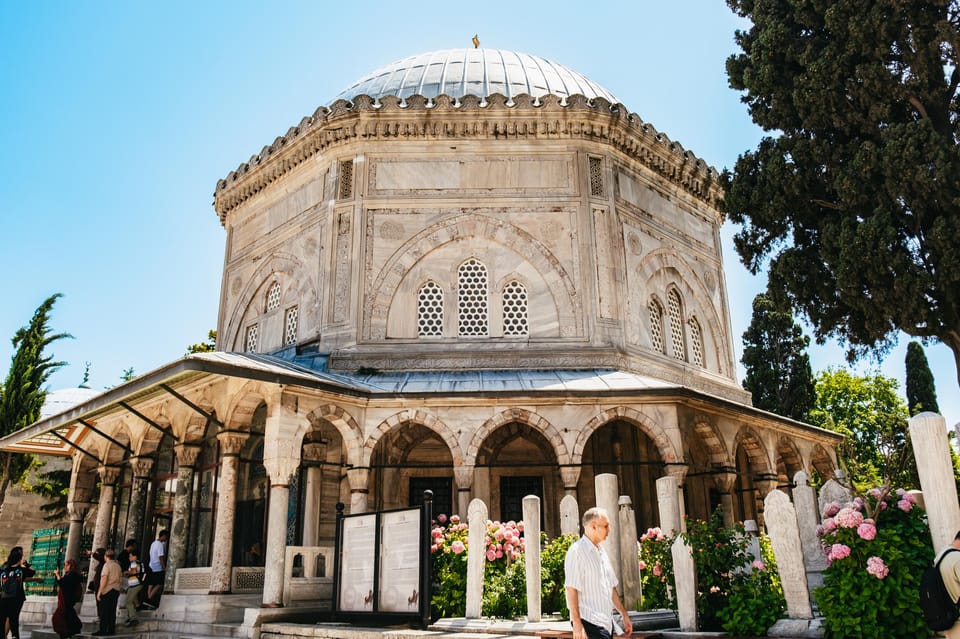
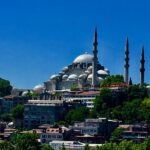
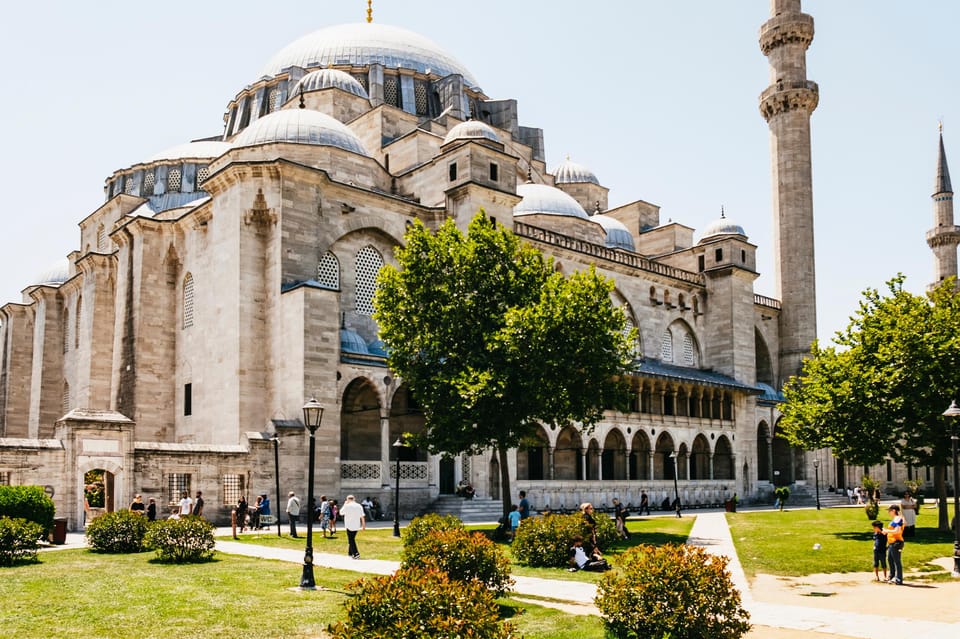
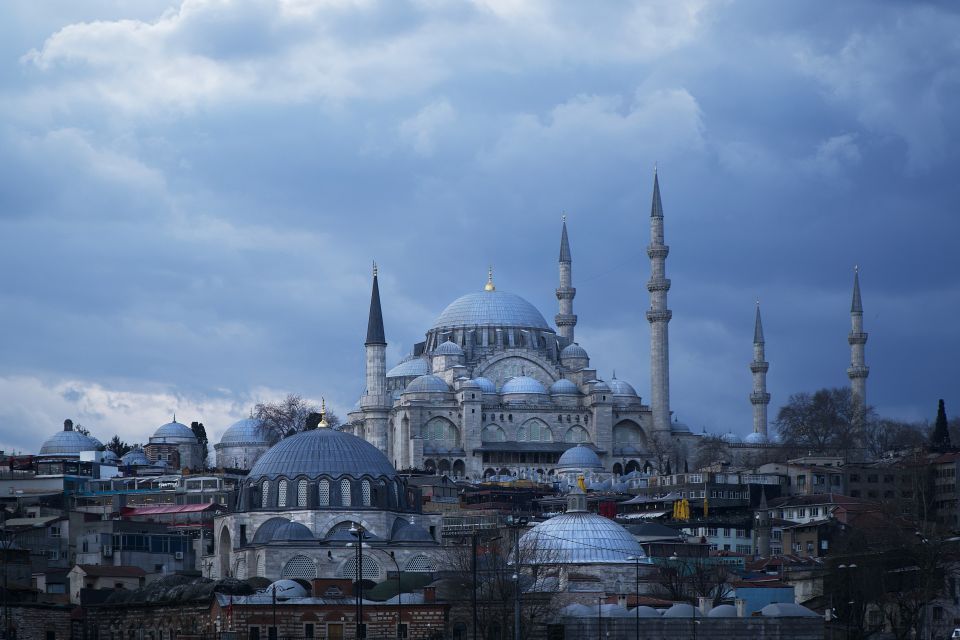
Then you’ll climb into the mood of Süleymaniye Mosque, known as Istanbul’s largest mosque for more than 450 years, until 2019 changed that ranking. The location itself helps: it sits on Istanbul’s “Third Hill,” so the views and the sense of scale land fast.
Your time here is another guided visit with photos and sightseeing, about an hour total at the mosque. The standout is that you’re seeing Ottoman architecture through the lens of Mimar Sinan, the renowned architect behind the design. Even if you don’t call yourself a “architecture person,” this is the stop where you’ll start recognizing how Ottoman builders used space, light, and proportion to create order and calm.
A good guide makes this more than a photo session. They point out how the mosque functions as a community center, and how the design supports that role. Several review comments praised guides for explaining not only the building but also how Islam works in everyday practice, including basics like prayer rhythms and how people move inside religious spaces. It’s a small thing, but it changes the way you read what you see.
One caution: this area involves walking and time outdoors in the sun. Bring the basics, because the mosques are only part of the equation. The streets and steps are the other part.
The Madrasah Drink Break: A Pause That Feels Like Istanbul, Not a Detour
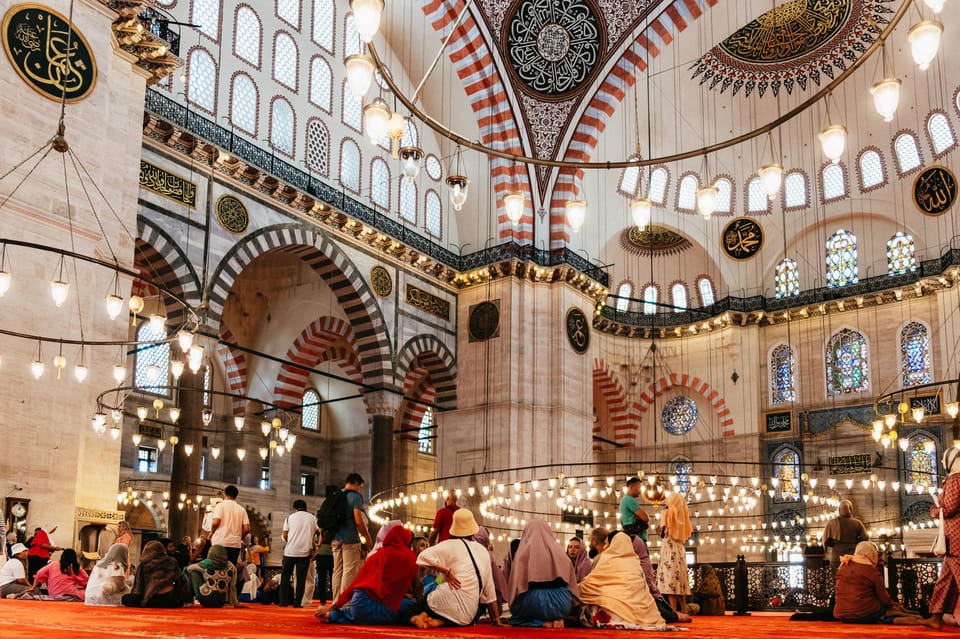
The final part is a stop at a historical madrasah area, where you can try a refreshing local drink. Depending on the package you choose, that drink is included.
This is a smart endcap. When you visit three major religious landmarks back-to-back, you need a reset for your feet and your brain. A madrasah stop works because it doesn’t feel like a random tourist “snack stop.” You’re still in a place tied to education and learning, which matches the theme of the tour.
In reviews, people also mentioned tea and small local treats during breaks, and how the guide used that moment to add practical context. That kind of “talk while you rest” style is often the difference between a tour that feels like facts and one that feels like understanding.
Price and What You’re Really Buying for $29
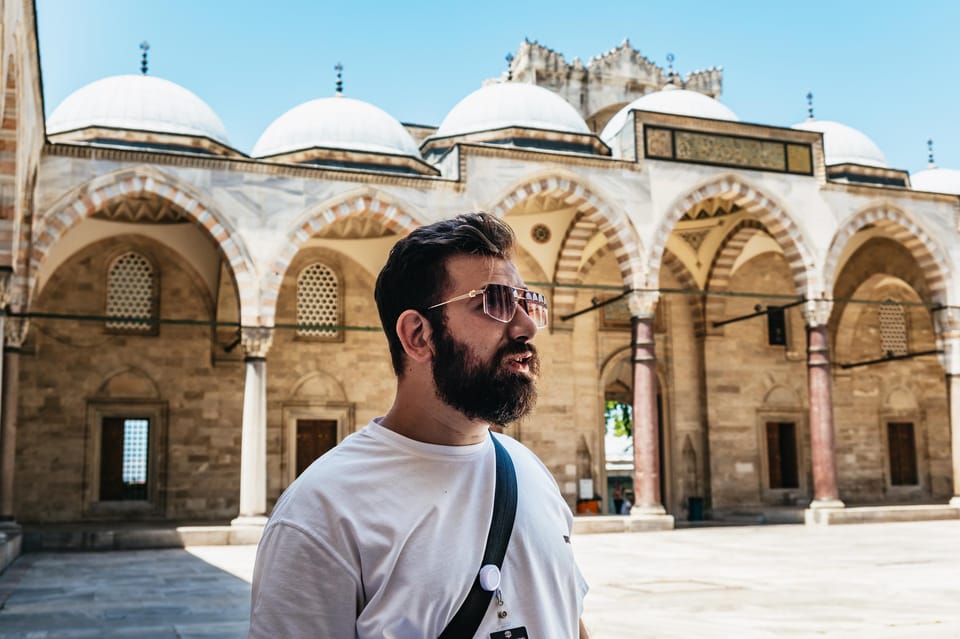
At $29 per person for a 4-hour guided walking tour, the value is mostly about two things: access to expert guidance and reducing time lost to lines.
The Hagia Sophia entry fee is a key variable. There’s an option to include Hagia Sophia skip-the-line entrance fees. If you don’t select it, the Hagia Sophia Mosque entrance fee is listed as 25 EUR per person, paid on site. The tour also notes that people without skip-the-line tickets may face a queue of 1–2 hours.
So the real math isn’t just the headline price. It’s whether the option helps you avoid a long wait on your limited vacation time. If you’re only in Istanbul briefly, cutting a 1–2 hour queue can be worth a lot more than you’d think.
What you’re also buying is a licensed guide who can explain in both English and Turkish (and the guide may speak additional languages depending on the session). In reviews, many guests praised guides by name, including Ebru, Esra, Selin, Emrullah, Cansu, and Muhammed, for turning “big monuments” into a connected story.


Logistics, pace, and where the tour actually starts
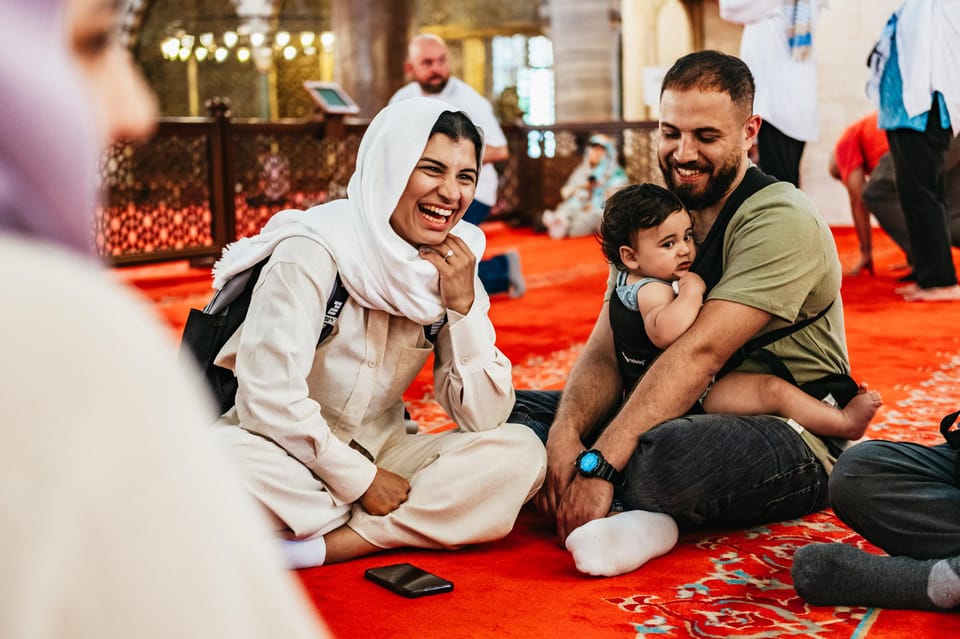
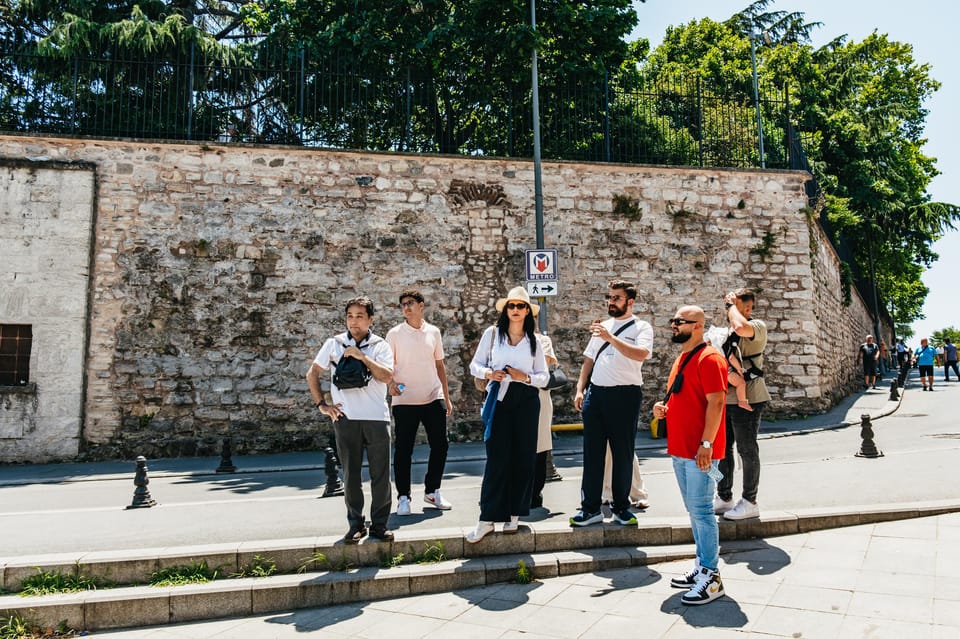
Meetup happens in the Sultanahmet area, with starting points that can vary by option. Common meeting/start locations include the German Fountain (Fuente Alemana).
Then it’s walking between sites. The itinerary breaks include a coffee/tea and local snacks stop in Sultanahmet for about 30 minutes. That matters because it prevents the tour from turning into a nonstop march.
In terms of pace, you should expect a “see the core and learn the core” approach rather than a slow wander. The tour is built around efficient visits, so you’ll want to wear comfortable shoes and plan for stairs where needed.
Group size is described as small group available, and reviews frequently mention tours as small, sometimes with just a handful of people. That’s ideal for asking questions about why Ottoman rulers built the way they did, or how the mosques work during prayer times.
Dress code and prayer-time reality checks (what to pack)
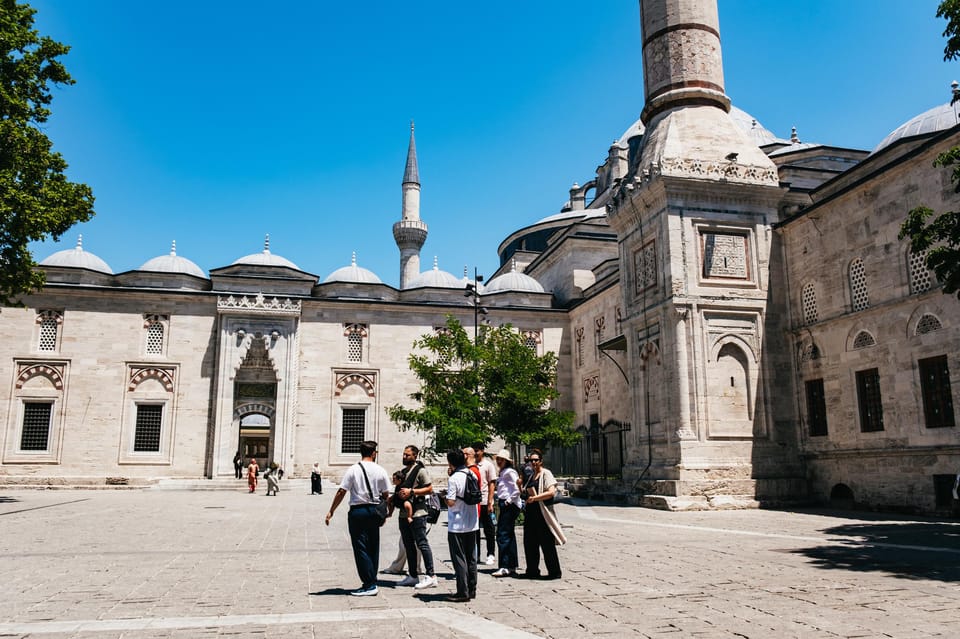
This tour is friendly for first-time visitors, but it is not casual about clothing. For religious sites on the route, you’ll want to avoid revealing items. The tour states that shorts and sleeveless shirts are not allowed, and that shoulder, underarm, back, and knee-covered clothing may be enforced.
Practical packing list that actually helps:
- bring a scarf or sweater so you can cover up quickly
- long-sleeved shirt and clothing that respects the dress code
- sunglasses, hat, sunscreen, and an umbrella if weather looks questionable
- cash for any extra on-site needs
Also note a mobility detail: the upper gallery is accessible by stairs, and it’s not recommended for tourists with mobility issues. The tour also lists people with mobility impairments as not suitable, along with those who are pregnant, have heart problems, or have respiratory issues. If any of those apply, you’ll want a different plan.
Finally, prayer times can adjust the itinerary. The tour may be extended, shortened, or re-ordered depending on the calendar and prayer schedule. That’s normal for Istanbul mosque visits. The best move is to stay flexible and treat changes as part of the experience.
Who this tour suits best (and who should skip it)
This is a strong choice if you:
- want to see Hagia Sophia, the Blue Mosque, and Süleymaniye without spending hours sorting tickets and timing
- like art and architecture with actual context, not just photo captions
- enjoy asking questions and getting answers in a guided format
- prefer a small group feel over a giant bus crowd
It’s also ideal if you’re someone who wants a structured route through Sultanahmet but still wants time for photos and a snack break.
You might skip this tour if you:
- need step-free access or are sensitive to lots of walking and stairs
- prefer a totally self-paced itinerary
- are traveling with constraints around religious-site dress code
- have health conditions that make crowded, hot, or physically demanding sightseeing difficult (pregnancy, heart, or respiratory issues are specifically listed as not suitable)
Should you book this Istanbul Hagia Sophia and mosque tour?
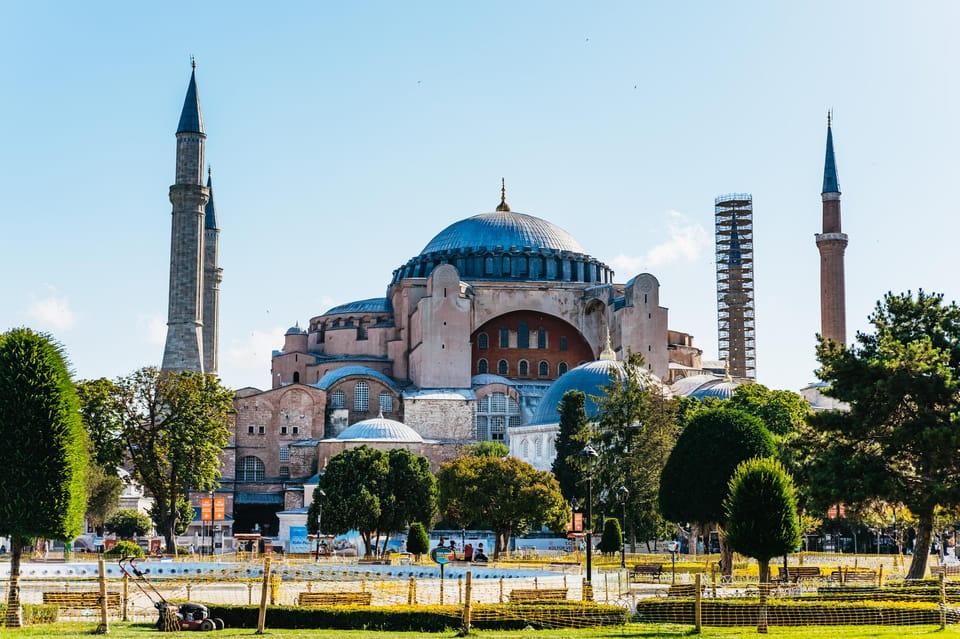
Yes, if you want maximum impact in one half-day and you care about understanding what you’re seeing. The best reason to book is the combination of three iconic stops plus a guide who can explain the layers, including the way Hagia Sophia shifted roles over centuries and how Ottoman builders expressed power through design.
The only real reason to hesitate is time spent outside and the queue situation at Hagia Sophia. If you book, try to select the skip-the-line option so you’re not stuck in a long line. Also, pack for the dress code from day one so you’re not scrambling for a scarf at the gate.
If you want a smoother experience, look for sessions with guides praised in the reviews such as Ebru, Esra, Selin, Emrullah, Cansu, and Muhammed. Even without knowing the guide ahead of time, the consistently high ratings (4.7 with 599 reviews) suggest this tour’s strongest ingredient is the human part: clear explanations, good pacing, and a friendly tone.
FAQ
Where does the tour start?
Meeting point may vary depending on the option booked, but starting locations include the German Fountain (Fuente Alemana) in the Sultanahmet area.
How long is the tour?
The duration is 4 hours.
Is the Hagia Sophia skip-the-line entrance fee included?
It depends on the package you choose. Hagia Sophia skip-the-line entrance fees are included if you select that option. If not selected, the Hagia Sophia entrance fee is listed as 25 EUR per person to pay on site.
What is included in the tour price?
Included items are a walking tour with a bilingual English- and Turkish-speaking professional licensed guide, a local drink at a historical madrasah depending on the package, and Hagia Sophia skip-the-line entrance fees if you choose the inclusive option. Private tour may be offered if selected.
Are there dress code restrictions?
Yes. Shorts and sleeveless shirts are not allowed. Clothes revealing the shoulders, underarms, back, and knees are not allowed in some sites and enforcement may be strict. Bring a scarf or sweater to cover up.
What should I do if prayer times affect the schedule?
The itinerary may be adjusted, extended, or shortened due to changes in prayer times throughout the year, so be flexible with timing on the day.