REVIEW · CAPPADOCIA TOURS FROM ISTANBUL
Wonders of Turkey – Gulet: Istanbul, Cappadocia, Ephesus, Fethiye
Book on Viator →Operated by Fez Travel · Bookable on Viator
Turkey feels huge, yet the pace works.
This trip strings together Istanbul, Gallipoli, and the Turkish Riviera in one clean flow, so you don’t feel like you’re running in circles. I especially like how the itinerary balances major sites (Blue Mosque, Ephesus, Pamukkale) with time on the water, where the views actually come first.
You’ll also like the hands-on touches: guided stops with a professional English-speaking guide on the land portion, plus included touches like a wine tasting in Selçuk. The one drawback to consider is that a fair chunk of entrance fees isn’t included—you should plan on cash for the listed on-the-spot entrance fee (about €240 per person).
In This Review
- Key highlights you should care about
- How this Istanbul-to-Cappadocia route stays worth your time
- Istanbul: Blue Mosque, Hagia Sophia, Topkapi, and a Bosphorus shift
- Gallipoli: WWI ground-level history, with real named places
- Troy and Behramkale: UNESCO ruins plus a calmer village pause
- Ephesus: big ancient sites, plus museum time and carpet craft
- Turkish Riviera gulet cruise: bays, snorkeling, and a small-ship rhythm
- Day 6: first water day and ruins at Dockyard Island
- Day 7: Roman Baths + a hike to a Lycian town
- Day 8: island hopping near Fethiye and a final Red Island swim
- Pamukkale and Hierapolis: white travertines and Roman hot springs
- Konya: caravan stop history plus the Mevlana museum
- Cappadocia: Göreme Open Air Museum and the underground city
- Ankara and the Ataturk finish: Anitkabir before returning to Istanbul
- Price and what it really covers (and what to budget extra)
- Who this tour fits best (and who should think twice)
- Should you book Wonders of Turkey – Gulet?
- FAQ
- How many nights are included on the gulet?
- What group size should I expect?
- Are meals included during the cruise?
- Is there a guide during the gulet section?
- Are entrance fees included in the tour price?
- Do I need to send passport details before travel?
- Is the Bosphorus cruise included on Day 2?
Key highlights you should care about
- A true gulet start to your trip: 3 nights on a small ship with private bathrooms and meals included
- Small group feel: max 16 travelers, with a maximum of 2 passengers per cabin
- Gallipoli WWI sites in full detail: Lone Pine, Chunuk Bair, ANZAC Cove, trenches and tunnels
- Ephesus beyond the big ruins: Ephesus Archaeology Museum plus a carpet-making stop
- Pamukkale plus Hierapolis: travertines, hot springs, and the ancient city in the same day
- Cappadocia with real depth: Göreme Open Air Museum and an underground city exploration
How this Istanbul-to-Cappadocia route stays worth your time
This tour works because it’s not just a highlight reel. It’s built around the idea that Turkey has different “moods,” and you rotate through them without losing a day to wasted transit.
You start in Istanbul with the heavy hitters—then you shift to a solemn WWI chapter, followed by myth and archaeology (Troy, Ephesus), then a full reset in the Aegean and Mediterranean (the gulet cruise). After that, you climb into white travertine country (Pamukkale), settle in central Turkey (Konya), then end in Cappadocia’s odd underground world. It’s a lot—but the stops are grouped by region so each day feels purposeful.
One more plus: the tour is capped at a small size. On paper that means a “max 16” group. In real life it usually means fewer bottlenecks and less waiting around.
You can also read our reviews of more tours and experiences in Istanbul.
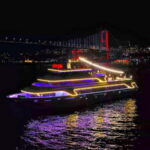

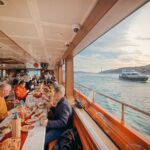
Istanbul: Blue Mosque, Hagia Sophia, Topkapi, and a Bosphorus shift
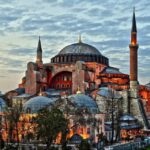
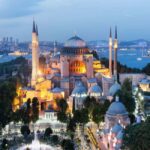
Day 2 is a classic Istanbul starter day, and it’s the right way to get your bearings. You’ll go through Sultanahmet with a fully guided route covering the Blue Mosque, St Sophia Museum, Topkapi Palace (including Hagia Irene), and the Hippodrome. That’s a lot of landmark density, but having it guided helps you connect what you’re seeing to the larger story.
In the afternoon, you get a cruise between Europe and Asia on the water separating the continents. There’s also an optional half-day Bosphorus cruise if you want more time on the water.
Practical note: this is a walking-and-steps day. You’ll be moving between key monuments, so comfortable shoes matter.
Gallipoli: WWI ground-level history, with real named places
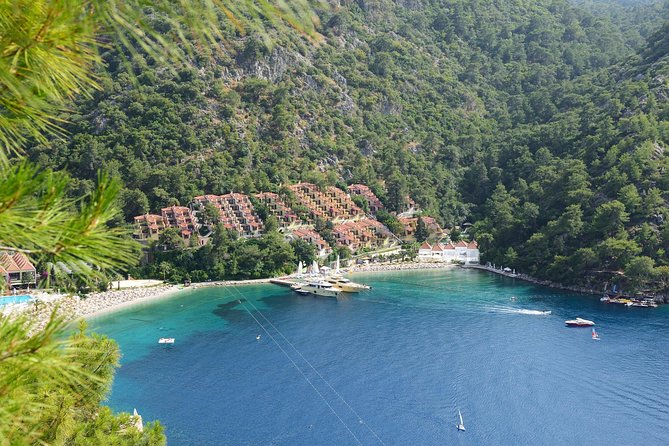
Day 3 is one of the most emotionally serious parts of the itinerary. The tour takes you to major WWI battlefields and memorials including Lone Pine and Chunuk Bair Memorials, plus ANZAC Cove, The Nek, Johnston’s Jolly, and you’ll see original trenches and tunnels.
What makes this valuable isn’t just the fact that it’s Gallipoli—it’s that you’re visiting specific sites that people identify with the conflict. Named places help you understand where the fighting happened and why the terrain mattered. If you like history that feels grounded, this day delivers.
Consideration: this is not a light sightseeing day. Plan to be mentally present. You’ll get a lot more out of it if you’re ready for reflective stops rather than a quick photo run.
Troy and Behramkale: UNESCO ruins plus a calmer village pause
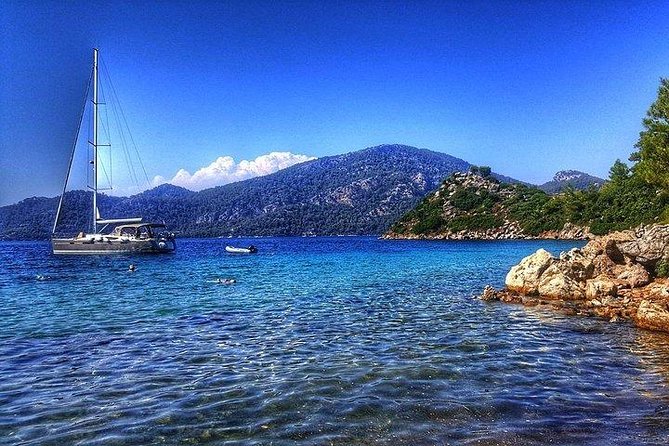
Day 4 pairs two very different settings. You’ll explore Troy, a UNESCO World Heritage Site, and you’ll also visit the new, award-winning Troy Museum. Then you head to Behramkale, a small village with stone houses and narrow streets—plus time to slow down, look around, and grab Turkish tea or coffee.
The Troy Museum is a smart inclusion because it gives context before or alongside the ruins. Instead of just “seeing stones,” you get a framework for what the site represents.
Then you continue onward toward Kuşadası, setting you up for Ephesus the next day.
If you’re sensitive to long days: Day 4 is described as a longer drive day (listed 8 hours), so treat it as a travel-heavy chapter. Bring snacks/water from wherever you can (the itinerary doesn’t spell out every meal on land).
Ephesus: big ancient sites, plus museum time and carpet craft
Day 5 is one of the most complete archaeology days in the entire trip. You’ll start with a guided tour through Ephesus, focusing on major highlights such as the Temple of Artemis area, the Library of Celsus facade, and the amphitheater. Then you visit the Ephesus Archaeology Museum, where artifacts bring the city to life in a more tangible way than walking ruins alone.
Next comes a practical cultural stop: a carpet village. You’ll learn how carpets are made by hand and what determines their value. This matters because it turns “shopping time” into something more useful: you understand the work behind what you’re seeing.
Finally, you move into Selçuk for wine tasting—3 local wines are included as part of the overall tour.
Why this day is strong for value: it’s not only monuments. You’re also getting craftsmanship context and a museum stop. That mix keeps Ephesus from turning into one long set of stone photos.


Turkish Riviera gulet cruise: bays, snorkeling, and a small-ship rhythm
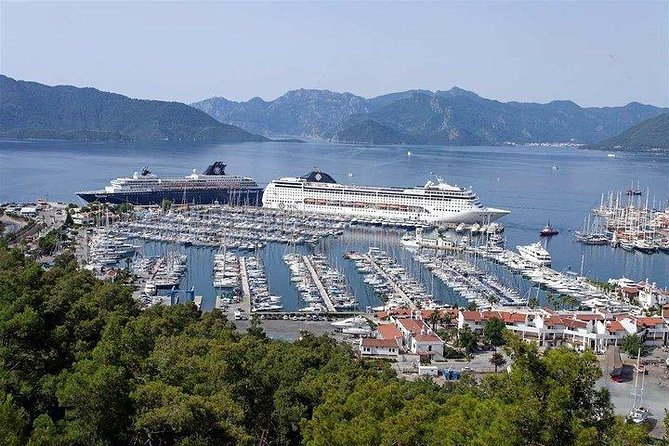
This is the heart of the experience. Your 3-night gulet begins after you board in Fethiye around 15:00. The ship is a traditional wooden yacht with 16 cabins, each with a private bathroom. Even though it’s small, it has a saloon bar, a dining room, and a sun deck—so you have both social space and a place to just lie back and watch the water.
Meals are included on the gulet, which is a big practical win. You’re not trying to hunt food between swims and anchorages.
Day 6: first water day and ruins at Dockyard Island
Your first cruising day includes swimming and snorkeling in Turunc Bay or Tarzan Bay (you’ll choose based on conditions and route). You also cruise past islands toward Tersane Island (Dockyard Island), where you can explore ruins connected to a former Greek town and a shipyard.
This is a good opener because you go straight into the “why gulets matter.” Views from the water change fast—headlands, islands, and coves create that constant sense of motion.
Day 7: Roman Baths + a hike to a Lycian town
After breakfast, you head to Hamam Bay, where you can swim in Roman Baths said to have been built by Mark Antony as a gift for Cleopatra. From there, you cruise to Sarsala Bay, surrounded by pines, with a 45-minute hike option to an ancient Lycian town known for inscribed walls from the 3rd century BC.
Next comes Bedri Rahmi Bay, named after a famous Turkish painter. You’ll have time to jump in or explore.
Two things to plan for here:
- The hike is optional, but if you choose it, bring shoes that handle uneven ground.
- Expect a day that blends swimming and walking, not just lying on deck.
Day 8: island hopping near Fethiye and a final Red Island swim
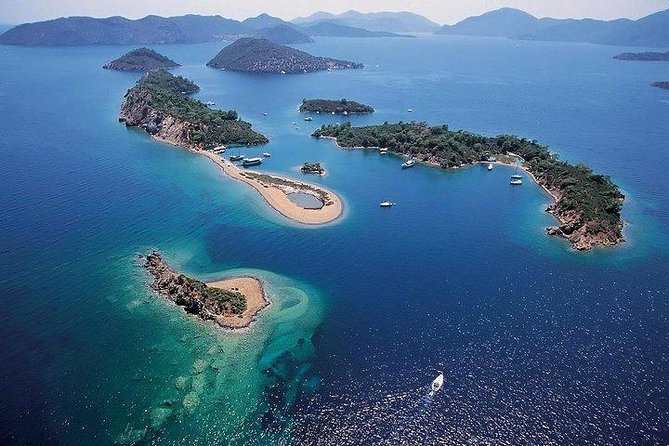
You cruise toward Fethiye passing the Yassica and Gocek islands. Many of these are small and unnamed, but they offer safe anchorage and sandy beaches. The day ends with a final stop to swim at Red Island before returning to Fethiye.
The gulet part is where you can set your own rhythm. When the ship docks, the plan is that you decide how you want to spend time—small-town wandering, another swim, or just soaking up the sun.
One more logistics point: during the gulet section, the land tour guide does not accompany the group. You’ll still have the ship’s skipper/crew managing the cruise, but the guided narrative you get on land may shift to a more self-directed feel.
Pamukkale and Hierapolis: white travertines and Roman hot springs
Day 9 is one of the most recognizable “Turkey postcard” days. You’ll visit Pamukkale’s travertines—white calcium terraces—and also tour Hierapolis.
The main experience isn’t just looking; it’s getting in. You’ll have time to dip in the hot springs among ancient columns, which were used in Roman times for their therapeutic powers.
This is also one of the days where timing matters. Pamukkale can get crowded, and the terrace areas are best when you have time to move slowly and avoid rushing. The itinerary gives you the full site focus in a single 7-hour block, which helps.
Konya: caravan stop history plus the Mevlana museum
Day 10 moves you into central Turkey and follows the Silk Road vibe. You’ll visit the Sultanhani Caravansary and the Mevlana museum in Konya along the way.
You can also add an optional traditional Turkish folklore evening. If you like your sightseeing with at least one performance moment, this option can be a fun way to round off a temple-and-heritage day.
Cappadocia: Göreme Open Air Museum and the underground city
Day 11 is pure Cappadocia identity. You’ll visit the Göreme Valley Open Air Museum and see the fairy chimneys. Then you explore an underground city, including many levels.
Why this combination is smart: you get both the open-air religious artwork and the practical engineering side of underground living. It helps the region feel more than a surreal photo set.
If you don’t love crowds or tight spaces, this is still usually manageable, but the underground sections are enclosed. Wear clothing you can move in comfortably.
Ankara and the Ataturk finish: Anitkabir before returning to Istanbul
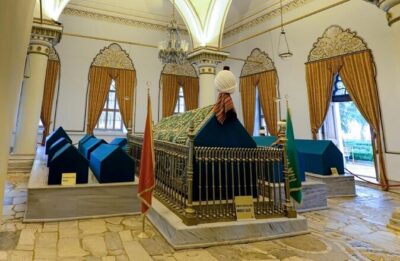
On Day 12, you go to Ankara for Anitkabir, the mausoleum of Mustafa Kemal Ataturk. Then you return to Istanbul.
This is a good “final facts” day. After days that feel like they’re about empires, legends, and landscapes, Anitkabir brings you into modern national story territory.
Day 13 ends after breakfast back at the meeting point area, with your tour concluding and a farewell to your new group.
Price and what it really covers (and what to budget extra)
The price is listed at $2,356.81 per person for the overall 13-day tour.
For value, focus on what’s bundled:
- 3 nights on board a gulet with a private bathroom cabin
- Included gulet meals
- Air-conditioned vehicle for the land transfers
- Wine tasting in Selçuk (3 local wines)
- A professional English-speaking tour guide for the land portion
- Several included admissions are noted on specific days in the itinerary
But also budget for what’s not included:
- Entrance fee paid on the spot in cash: €240 per person
- Tips for captain/crew and driver/guide are not included
- Alcoholic drinks are not included
My take: if you want a Turkey trip that includes both major sites and a real 3-night sailing break, this price can make sense. The gulet cabin alone is usually the hardest part to replicate on your own without turning into a logistics mess.
If you’re trying to travel ultra-budget, the entrance-fee cash amount and tipping expectations are worth keeping in mind before you book.
Who this tour fits best (and who should think twice)
This tour fits you if:
- You want one guided “thread” through Istanbul, Gallipoli, Troy, Ephesus, Pamukkale, Konya, Cappadocia, and Ankara
- You value structured sightseeing days paired with a self-paced water portion
- You like history that has names, places, and specific memorial sites—not just broad overviews
Think twice if:
- You strongly prefer fully guided experiences every single day. The gulet portion has the land guide off duty, so it’s more skipper/crew + your own decisions once you’re onboard.
- You’re not comfortable with a longer multi-stop ride day rhythm (several days are described as full travel blocks).
Also important: there’s a minimum age of 12, and single travelers have a single supplement (you’d have the hotel room and/or gulet cabin to yourself).
Should you book Wonders of Turkey – Gulet?
If you’re torn between doing Turkey “by region” or “by checklist,” I’d lean toward booking this if your dream includes the gulet cruise. The reviews rate this very high—4.9 out of 5 with 51 reviews, and it’s recommended by 100%. The strongest praise centers on the gulet being a great way to start the country, and that matches how this itinerary is built.
My practical advice:
- Pack light. You’re allowed one suitcase and one carry-on, and oversized items may have restrictions.
- Bring cash for the €240 entrance fee.
- If good weather is a deal breaker for you, keep your plans flexible; this experience requires good weather, and if it’s canceled due to poor conditions, you’ll be offered another date or a full refund.
FAQ
How many nights are included on the gulet?
Your gulet portion is 3 nights.
What group size should I expect?
The experience has a maximum of 16 travelers, and the gulet can accommodate a maximum of 16 passengers.
Are meals included during the cruise?
Yes. All meals are included on the gulet. (On land, the itinerary lists some meals as optional.)
Is there a guide during the gulet section?
No. The tour guide does not accompany the group during the gulet section.
Are entrance fees included in the tour price?
Not fully. You should plan on an entrance fee payable on the spot in cash (€240 per person).
Do I need to send passport details before travel?
Yes. You need to provide a copy/image of all passengers’ passports at the time of booking.
Is the Bosphorus cruise included on Day 2?
A Bosphorus cruise is included as described, but there is also an optional half-day Bosphorus cruise.