REVIEW · ISTANBUL
Magic Explorer 13-Day Tour from Istanbul to Gobeklitepe Mt Nemrut
Book on Viator →Operated by Fez Travel · Bookable on Viator
From Istanbul to Gobeklitepe in 13 days. I like how this route stitches Istanbul’s landmarks to ancient sites and serious WWI history in one organized loop.
I also appreciate that it’s built for a small group (up to 20), with an English-speaking guide who helps you connect what you’re seeing.
The big reason to pick it is the payoff: Mt Nemrut at sunset and the entrance fees included for major stops. It’s a schedule with real momentum, not just sitting on a bus all day.
One watch-out: the days can be long, with significant time on the road, so you’ll want stamina for long travel days and early starts.
In This Review
- Key things I’d plan around before you go
- A 13-day Turkey route that feels like a story, not a checklist
- Istanbul: getting your bearings with Blue Mosque, Hagia Sophia, and Topkapi
- Gallipoli WWI memorials: the day that slows your thoughts
- Troy and Behramkale: UNESCO ruins plus a calmer village pause
- Ephesus and the Temple of Artemis: ruins plus craft culture
- Pamukkale: white travertines and Roman hot springs in one day
- Konya and the Silk Road: Sultanhani Caravansary and Mevlana stops
- Cappadocia’s Goreme Valley: fairy chimneys plus underground cool air
- Mt Nemrut at sunset: Commagene’s statues and the Antiochos tumulus
- Harran and Sanliurfa: Abraham’s Holy Pools and mud-brick history
- Gobeklitepe: the early religious site that changes your mental timeline
- Gaziantep and Halfeti: sunken city water views and Zeugma mosaics
- Pace, group size, and why the guide can make or break it
- Value for $3,560.68: what’s included and what you’ll likely spend extra on
- Should you book the Magic Explorer 13-day Turkey tour?
- FAQ
- What is the duration of the Magic Explorer 13-day tour from Istanbul to Gobeklitepe Mt Nemrut?
- What does the tour price include?
- Are there any optional activities during the tour?
- Where is the meeting point, and what’s the pickup like?
- What happens on the last day?
- Is there any weather-related risk?
Key things I’d plan around before you go
- Gobeklitepe’s earliest known ritual structures (about 11,000 to 13,000 years old) set a unique pace for the whole trip
- Mt Nemrut’s Tumulus of Antiochos gives you the “statues at golden hour” moment you came for
- Gallipoli memorials and trenches cover key sites like Lone Pine, Chunuk Bair, ANZAC Cove, and The Nek
- Pamukkale travertines plus Hierapolis hot springs mix dramatic geology with Roman-era bathing
- Cappadocia’s Goreme Open Air Museum and fairy chimneys plus an underground-city visit keeps the day varied
- Halfeti’s sunken city boat trip and Zeugma mosaics add an art-and-water change of pace in Gaziantep
A 13-day Turkey route that feels like a story, not a checklist
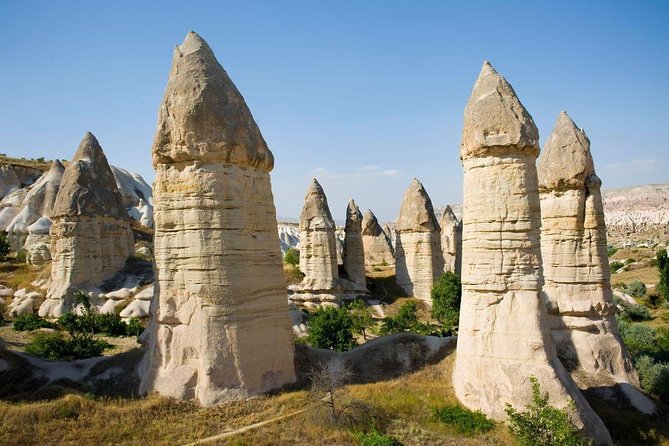
This tour is a straight shot through Turkey’s “great hits,” but it’s the ordering that makes it work. You start with Istanbul’s East-meets-West feel, then move into places where humans left clear evidence—war memorials, classical ruins, and very early religious architecture.
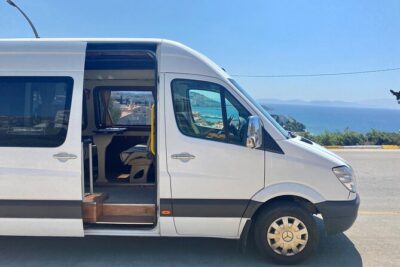
The itinerary is also built to reduce friction. You get transportation in an air-conditioned vehicle, a guided component most days, and hotel stays for 12 nights, so you’re not piecing together trains and tickets while on the move.
You can also read our reviews of more tours and experiences in Istanbul.

Istanbul: getting your bearings with Blue Mosque, Hagia Sophia, and Topkapi
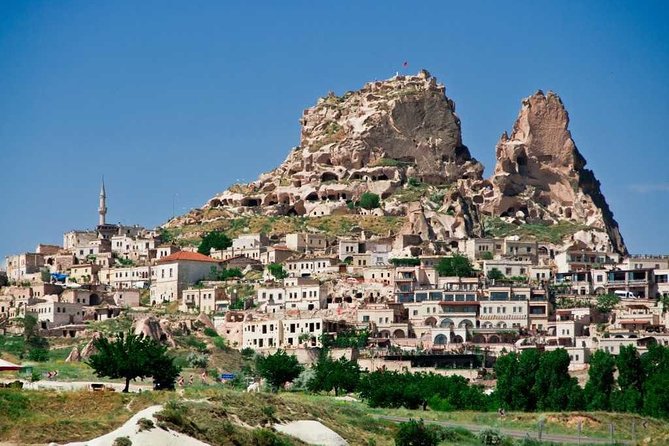
Your first day is mostly reset time. After being transferred to your hotel, you can wander Istanbul at your own pace and shake off jet lag.
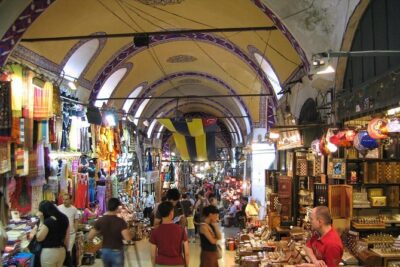
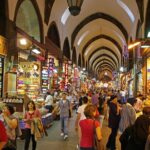
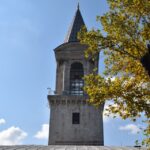
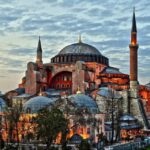
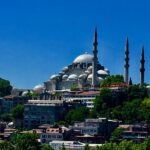
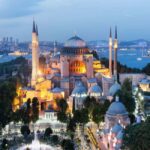
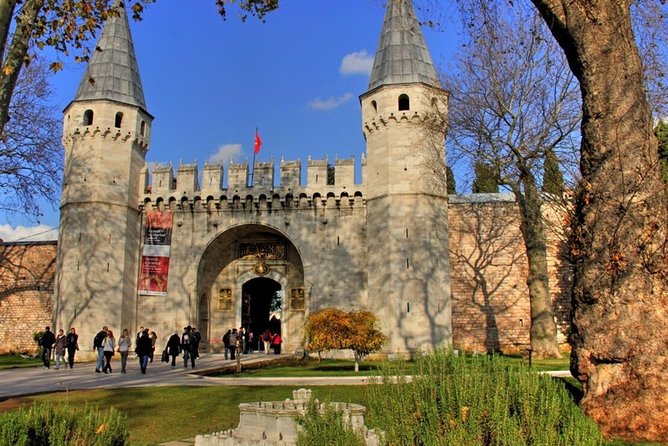
Day 2 is the classic intro sweep with a full guide: Blue Mosque, St Sophia Museum, Topkapi Palace, and the Hippodrome. This is a good way to learn the city’s layout fast—what’s near, what’s symbolic, and why these sites matter.
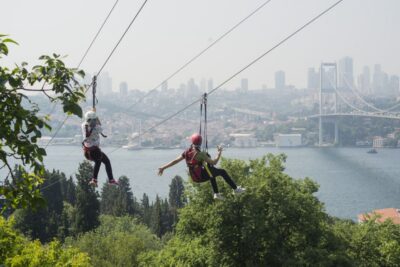
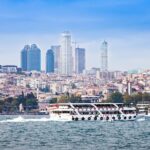
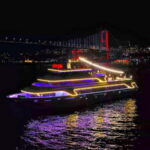
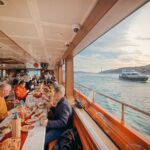
In the afternoon, you also have a water-view option: an optional Half day Bosphorus cruise. Even if you skip the cruise, you’ll still get that “two continents” feeling from the way the city is split by water and bridges.
Gallipoli WWI memorials: the day that slows your thoughts
Gallipoli is the tour’s emotional weight, and it’s not treated like a quick photo stop. You visit WWI battlefield sites including Lone Pine, Chunuk Bair Memorials, ANZAC Cove, The Nek, and Johnston’s Jolly, plus the original trenches and tunnels.
Why it works on this itinerary: it gives you context for modern relationships between countries, not just dates in a textbook. You’ll see how terrain, positioning, and loss shaped the story.
The consideration is stamina. This is a long day (listed at about 11 hours), so pack for breaks and expect time in the vehicle.
Troy and Behramkale: UNESCO ruins plus a calmer village pause
From Çanakkale you head to Troy (Truva), a UNESCO World Heritage site. You’ll explore the ancient city and also visit the Troy Museum, which helps when you want context beyond what’s left on the ground.
Then you continue to Behramkale, an old village with stone houses and narrow streets. This is one of the nicer rhythm changes on the tour: after big ruins, you get a slower, local-feeling stop where you can grab Turkish tea or coffee and watch the landscape unfold.
After that, you move on toward Kuşadası, keeping the momentum going for the next ancient-city day.
Ephesus and the Temple of Artemis: ruins plus craft culture
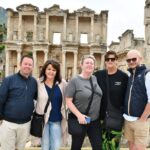
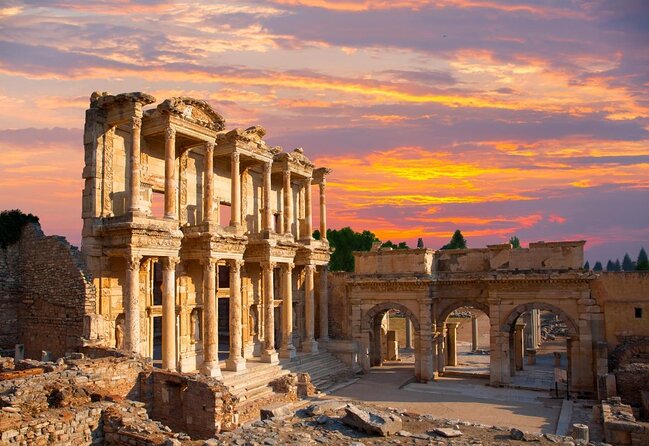
The Ephesus day is a full guided experience. You’ll tour Ancient City of Ephesus, including the site of the Temple of Artemis, and you’ll also see the theatre and the general spirit of the place through guided explanations.
What I like here is that you don’t only get stone. The plan includes the Ephesus Archaeology Museum, where the artifacts help you connect what the ruins used to be.
Then you add a very practical cultural stop: a carpet village where you learn how carpets are made by hand and what drives their value. If you’re the type who likes to understand craft before buying, this part can save you from guesswork.


Pamukkale: white travertines and Roman hot springs in one day
Pamukkale is one of those places that hits your eyes first. You’ll go to the Travertines of Pamukkale, those white calcium terraces that look almost unreal in daylight.
After that, you move into Hierapolis & Pamukkale. You tour Hierapolis, including ancient columns and the hot springs—the same idea Romans used for bathing, described as therapeutic in the tour notes.
The drawback isn’t the content; it’s the practicality. This is an active day with walking and time in a site that can feel hot or crowded depending on season. If you’re the kind of person who hates sweaty lines, plan your hydration early.
Konya and the Silk Road: Sultanhani Caravansary and Mevlana stops
Day 7 takes you along a Silk Road corridor vibe. You visit Sultanhani Caravansary and the Mevlana museum in Konya along the way.
This is also one day where optional choices add flavor. There’s an optional traditional Turkish folklore evening in the mix, which can be a fun way to turn travel fatigue into something cultural and social.
It’s a full day (about 9 hours), so it works best when you treat it like a “travel day with meaning,” not a day to fight exhaustion.
Cappadocia’s Goreme Valley: fairy chimneys plus underground cool air
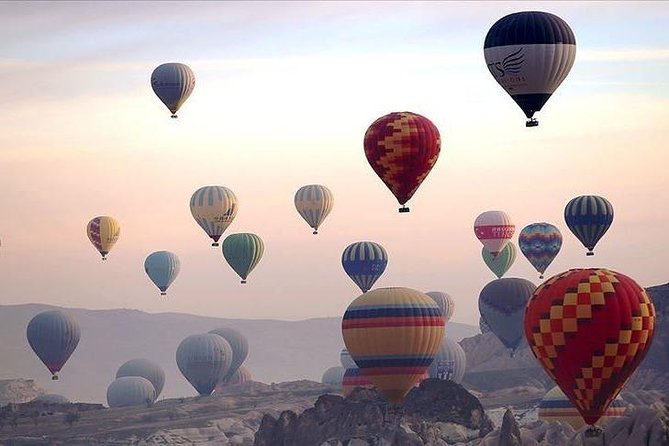
Cappadocia days are where the tour shifts tone. You’ll visit the Goreme Open Air Museum, known for its fairy chimneys and the way structures are carved into the rock.
The plan also includes exploring multiple levels of an underground city. That’s a smart contrast: the open-air visuals are dramatic, but the underground spaces explain how people adapted to hardship and shelter needs.
This is an admission-included stop (about 5 hours total). If you’re short on physical energy, you’ll still want comfortable shoes, because the terrain can be uneven.
Mt Nemrut at sunset: Commagene’s statues and the Antiochos tumulus
Leaving Cappadocia early, you drive to Adiyaman and pass through Kahramanmaras on the way. Then your day culminates with the summit experience: Mt Nemrut, famed for the Colossal Statues of Gods and the tomb complex of the Commagene Kingdom.
You’ll ascend to the Tumulus of Antiochos, which is described as the former capital of Kommagene. The key moment is the sunset from the summit, when the tumulus and statues become a stage for changing light.
This is one of the tour’s “don’t miss” days. The tour notes are specific about the sunset timing, so treat it like the anchor of your day and plan your energy accordingly.
Harran and Sanliurfa: Abraham’s Holy Pools and mud-brick history
Day 10 moves you east to Sanliurfa (Urfa) via Harran and a scenic route that includes the Ataturk Dam.
Harran is known here for its mud-brick houses and ancient city walls, and that description alone tells you what you’re in for: a place that feels more old-world than tour-bus photo stop.
In Sanliurfa, the focus is religious sites associated with Abraham: you’ll visit the Holy Pools of Abraham and a cave believed to be the birthplace of the Prophet Abraham. It’s a day that can feel reflective after the big, dramatic sites of the west.
Gobeklitepe: the early religious site that changes your mental timeline
Day 11 is the headline stop for many people: Gobekli Tepe. The tour frames it as the most significant archaeological site of the trip, and for good reason—its earliest religious structures date back roughly 11,000 to 13,000 years, far earlier than pottery, writing, and even many famous monument timelines people learn in school.
You won’t only stop at the site. The day also includes Haleplibahce Mosaic Museum, Kizilkoyun Nekropolis, and the Sanliurfa Archaeology Museum.
This combination matters. Gobeklitepe can feel abstract until you’re reminded of what’s around it—mosaics, burial contexts, and regional museum collections that give you more than one data point.
Gaziantep and Halfeti: sunken city water views and Zeugma mosaics
Day 12 shifts you to Gaziantep by scenic drive. The highlights include a boat trip at Halfeti that explores the sunken city beneath calm waters. This is a nice break from ruins, because it uses water and light instead of stone to tell the story.
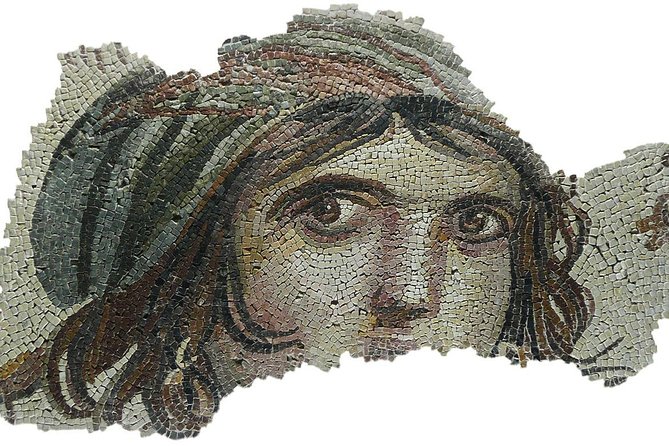
Then you visit Zeugma Mosaic Museum, where mosaics recovered from the submerged city of Zeugma are displayed. If you love art and craftsmanship, this museum is a clear payoff day: it’s visual and easy to connect with everyday skill and storytelling.
One more practical note: you end the day by catching a flight back to Istanbul, which helps keep the full 13-day schedule from becoming a nonstop road marathon.
Pace, group size, and why the guide can make or break it
This tour caps at 20 travelers, and that small-group limit shows in how days feel. You get guided time at big sites without the “everyone stop at different points” chaos that can happen on larger buses.
The guide experience is also a big factor in quality. In the feedback, names that come up often include Tamer Ozden and Fatih Karci, along with guides such as Eda and Goksu. The consistent theme is clear explanations in English, patience with questions, and good planning around rest breaks.
Drivers are praised too—Hasan, Murat, and Mujdat appear in guest notes as safe, steady presences during long driving days. That matters because this itinerary includes several long hours on the road.
Value for $3,560.68: what’s included and what you’ll likely spend extra on
Price is $3,560.68 per person, and the value comes from how many “base costs” are bundled.
Here’s what you typically get without surprise add-ons:
- 12 nights accommodation
- Daily breakfast (12)
- Select dinners (9)
- Entrance fees for the listed major sites
- Professional English-speaking guide throughout the tour
- Transportation in an air-conditioned, non-smoking vehicle
- In and outbound transfers in Istanbul
- Domestic flight back to Istanbul on day 12
What’s not included:
- Optional activities (for example, the optional Bosphorus cruise and the optional folklore evening)
- Travel insurance
- Tips for the driver and guide
So the math isn’t just “you paid for a hotel.” You’re also paying for guided logistics across huge distances, plus entrance fees where ticketing can add up fast. If you’re the type who’d otherwise buy individual museum tickets and then pay for transport on top, this bundled setup can feel like relief.
Should you book the Magic Explorer 13-day Turkey tour?
I’d book it if you want a single, guided plan that hits Istanbul, Gallipoli, Troy, Ephesus, Pamukkale, Cappadocia, Nemrut, Sanliurfa, and Gobeklitepe without you doing the organizing math.
You should also book if you like expert storytelling. The guide names that show up in feedback—Tamer Ozden, Fatih Karci, Eda, and Goksu—are repeatedly linked with patient answers and strong English explanations, which matters on a trip where dates and sites can blur together.
Skip it (or be extra careful) if you dislike long days on the road. This itinerary includes stretches that run 8 to 11 hours, and Gobeklitepe and Nemrut are timed moments where you’ll want to be in the right headspace, not worn out.
One more practical reality: the experience is non-refundable if you cancel or request changes, and it requires good weather. If you’re booking with tight date constraints, factor that risk into your decision.
FAQ
What is the duration of the Magic Explorer 13-day tour from Istanbul to Gobeklitepe Mt Nemrut?
It runs for 13 days (approx.), starting in Istanbul and ending back at the meeting point area in Istanbul after breakfast on day 13.
What does the tour price include?
The package includes 12 nights accommodation, entrance fees, professional English-speaking guide, breakfast (12), select dinners (9), inbound and outbound transfers in Istanbul, transportation in an air-conditioned vehicle, and a domestic flight back to Istanbul.
Are there any optional activities during the tour?
Yes. The schedule lists optional add-ons such as a Half day Bosphorus cruise on day 2 and a traditional Turkish folklore evening on day 7. There may also be other suggested optional activities not included in the base price.
Where is the meeting point, and what’s the pickup like?
The tour starts at Mahallesi, Kılıçali Paşa, Meclis-i Mebusan Cd. No:13, 34433 Beyoğlu/İstanbul, Türkiye. Day 1 includes transfer to your hotel, and the tour notes that pickup is offered.
What happens on the last day?
After breakfast on day 13, the tour concludes and you’re transferred to the airport for your onward flight, with the tour otherwise ending back at the meeting point area.
Is there any weather-related risk?
Yes. The experience requires good weather. If it’s canceled due to poor weather, you’ll be offered a different date or a full refund.