REVIEW · ISTANBUL
Istanbul: Turkish Tile Painting & Ceramic Workshop w/ Snacks
Book on GetYourGuide →Operated by Istanbul Workshops · Bookable on GetYourGuide
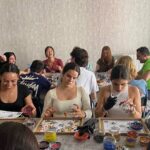
A quiet break from Istanbul’s streets, this ceramic tabak workshop turns tile patterns into something you can carry home. What makes it fun is the hands-on pace and the friendly coaching from artists such as Zeynep and Isra, who are praised for being patient and chatty. You’ll also get unlimited Turkish tea and coffee while you work, which makes the session feel more like a relaxed studio afternoon than a class.
The main consideration to think about is logistics: the meeting is in Sirkeci, but some sessions end up on the Asian side, so you may need to plan extra time or transport to get back to where you’re staying.
In This Review
- Key things to know before you go
- A 3-hour Istanbul studio break, not a museum stop
- Painting your own tabak: motifs, choices, and what “no experience” really means
- The art lesson behind the patterns: what you learn while you paint
- Snacks, tea, and a slower Istanbul pace
- Getting your plate home: bubble-wrap that actually matters
- Price and value: is $31 a smart move?
- Meeting in Sirkeci, possible shifts to the Asian side
- What this workshop is best for (and what might not fit)
- Guides who make the class work: Zeynep, Seyma, Isra, Mustafa
- Should you book this Istanbul tile painting workshop?
- FAQ
- How long is the Turkish tile and ceramic painting workshop?
- Do I need any prior art or painting experience?
- What will I paint and take home?
- Are drinks and snacks included?
- What languages are used during the workshop?
- Is hotel pickup and drop-off included?
- Where do I meet for the workshop?
- How do they protect the finished ceramic plate for travel?
- Is free cancellation available?
Key things to know before you go
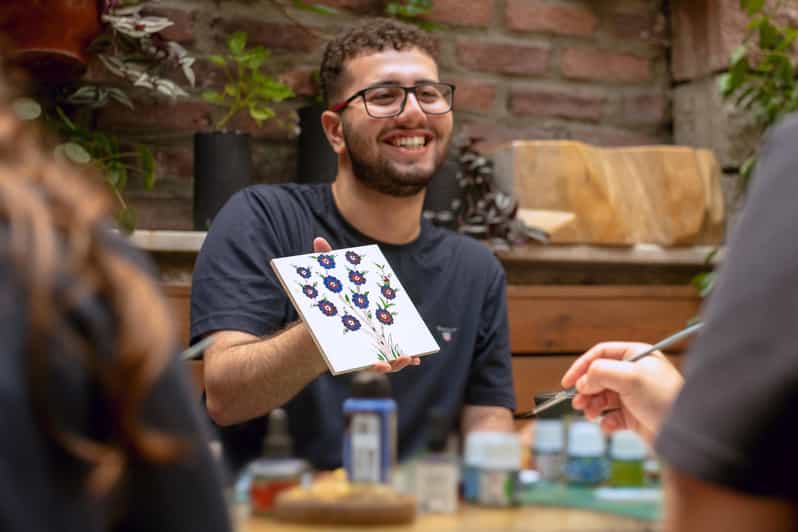
- Beginner-friendly guidance: you can show up with zero art experience
- Real Turkish technique teaching from a local artist with a master’s degree in art history
- Pick a classic motif or go personal on your own painted plate
- Unlimited tea, coffee, and handmade cookies keep the mood easy
- Bubble-wrap protection for your finished tabak in luggage
- A completion certificate is included, even though it’s not a school vibe
A 3-hour Istanbul studio break, not a museum stop
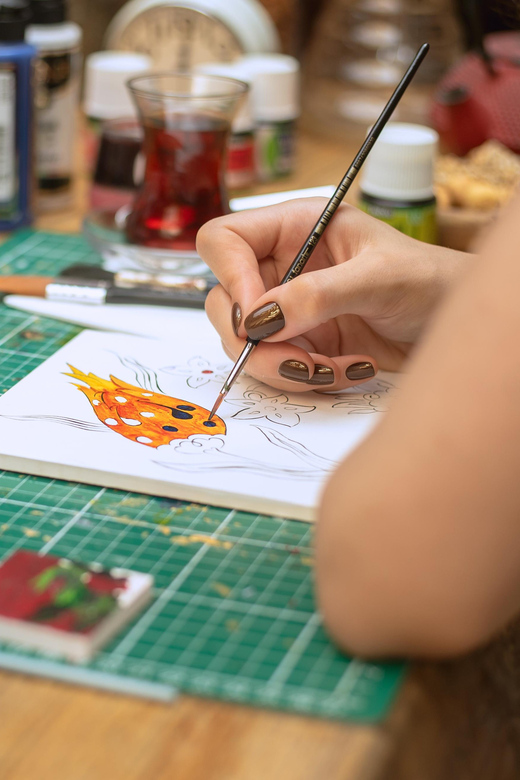
Istanbul has a way of pulling you in five directions at once. This workshop gives you a different rhythm. For about 3 hours, you sit down at a worktable and make one concrete souvenir: a painted ceramic plate called a tabak. Instead of trying to interpret museum patterns from across the room, you learn how those designs are built up, layer by layer, with tools and colors prepared for beginners.
If you like experiences where your hands actually do the work, you’ll probably enjoy the flow here. The studio is set up so you’re not staring at blank space for long. A master artist walks you through traditional tile painting techniques, then helps you keep going when you want to correct a line, adjust a color, or choose a motif that looks good on the shape you’re working with.
It also helps that the class atmosphere is built for comfort. You get unlimited Turkish tea, coffee, and water, plus a selection of handmade local cookies. That means you can take your time, snack between steps, and have easy conversation without rushing to your next sightseeing stop.
One more thing I like about this format: a souvenir isn’t just a purchase here. You leave with something you made while someone explained the why behind the style.
You can also read our reviews of more tours and experiences in Istanbul
Painting your own tabak: motifs, choices, and what “no experience” really means
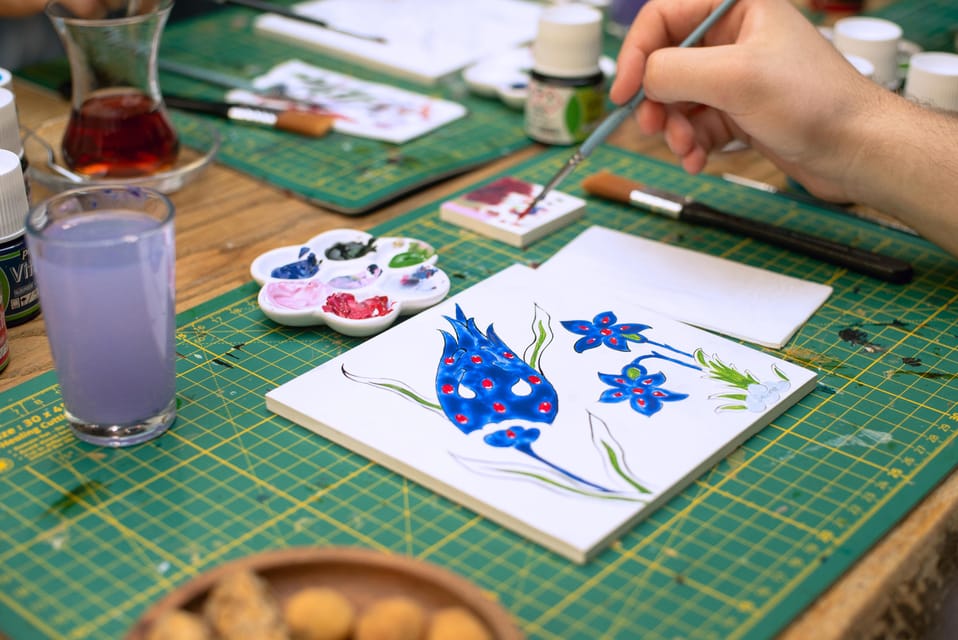
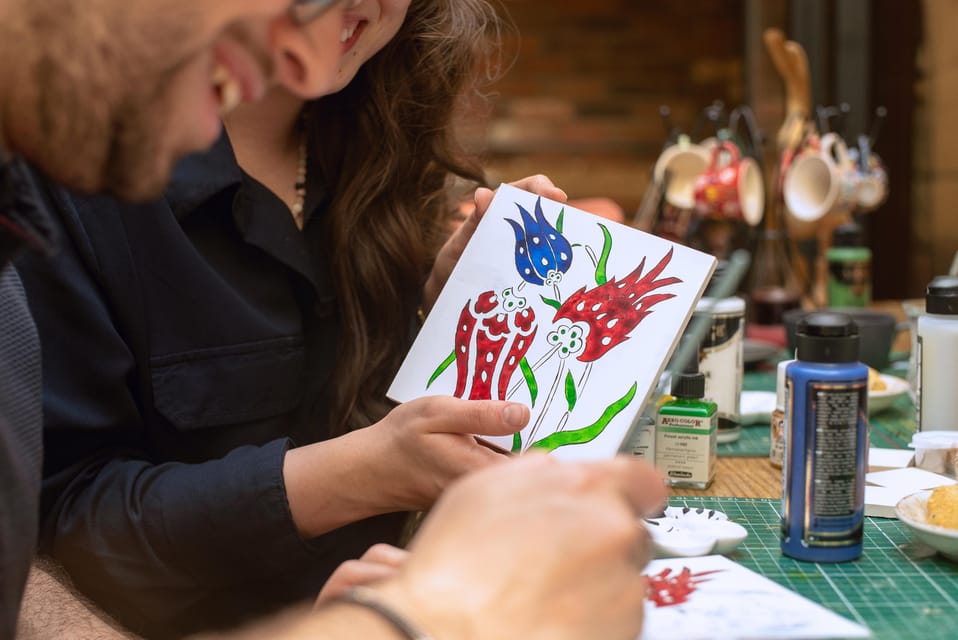
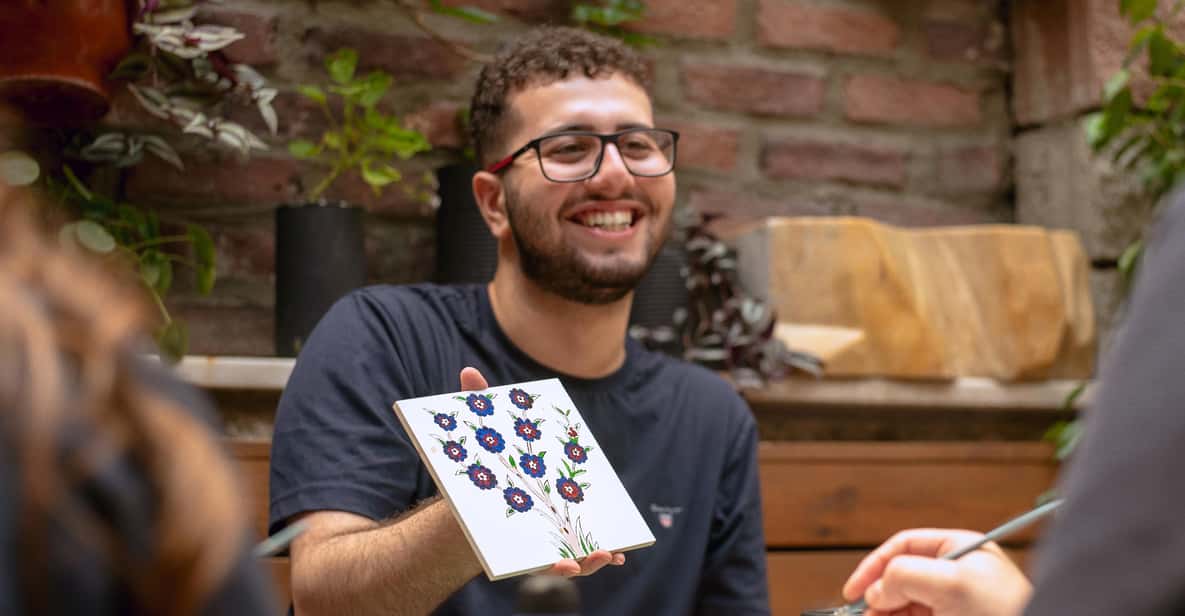
The workshop centers on one idea: you’ll paint a ceramic plate (a tabak) in the style of Turkish ceramics and tiles. The good news is that you don’t need previous painting skills. The not-so-secret reason this works for beginners is that you’re guided through process, not forced into freehand art right away.
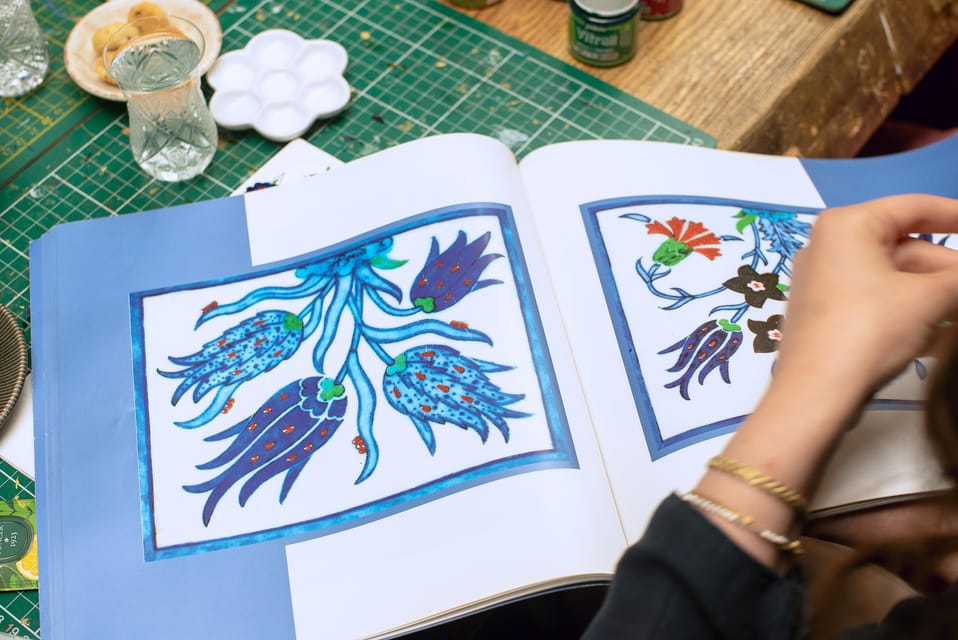
You typically get a choice. You can go with a classic Turkish motif if you want a traditional look that fits Istanbul perfectly. Or you can paint whatever you’re drawn to. In practice, that flexibility matters because it keeps the session from feeling like a one-size-fits-all template. You still learn the technique, but you make the design yours.
Here’s how that translates into a better souvenir decision for you:
- If you want something unmistakably Turkish, classic motifs are the safest bet.
- If you want something more personal, the plate’s shape gives you room to experiment while still using traditional painting skills.
The workshop provides the high-quality paints and the traditional tools and materials, so you’re not bringing supplies or worrying you’ll run out of the right color. Also, because the instructor sets the pace, you don’t have to guess what comes next.
From the reviews, I’m also picking up that the studio staff stay involved during the painting time. People specifically praised assistants who offer suggestions as you progress, which is exactly what you want if you’re worried about ruining the look.
The art lesson behind the patterns: what you learn while you paint
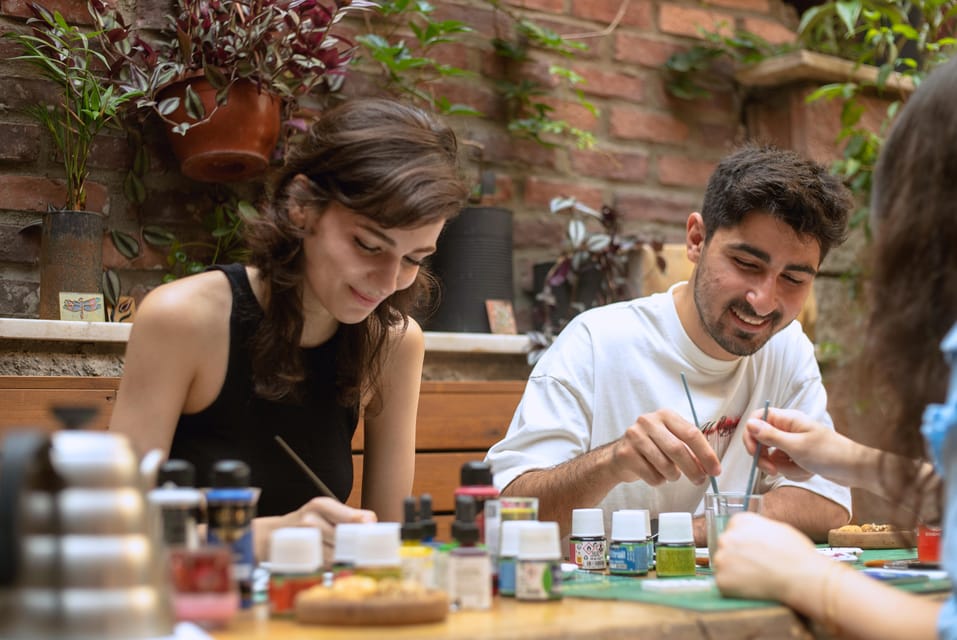
This isn’t just “paint a picture.” The teaching part focuses on traditional Turkish tile and ceramic painting techniques. You’re guided by a local artist described as having a master’s degree in art history, which is useful because it keeps the class grounded in meaning, not just decoration.
What that looks like while you’re seated:
- You’ll learn the approach behind the motifs, not only how to copy them.
- You get help choosing colors and placing patterns so they fit the shape of a plate.
- You get context about the role Turkish designs play in ceramics and tiles.
That context is the difference between a souvenir that’s pretty and one that feels intentional. Even if your final plate isn’t perfect (and it won’t be museum-perfect), you’ll understand what you did and why it matches Turkish design traditions.
And yes, there’s conversation. Several guides are described as friendly and thoughtful, like Zeynep, Seyma, and Isra. That matters because the workshop becomes a break from the checklist mindset. You’re not only learning how to paint; you’re also learning how locals talk about art and Istanbul, in plain language, at studio-level.
Snacks, tea, and a slower Istanbul pace
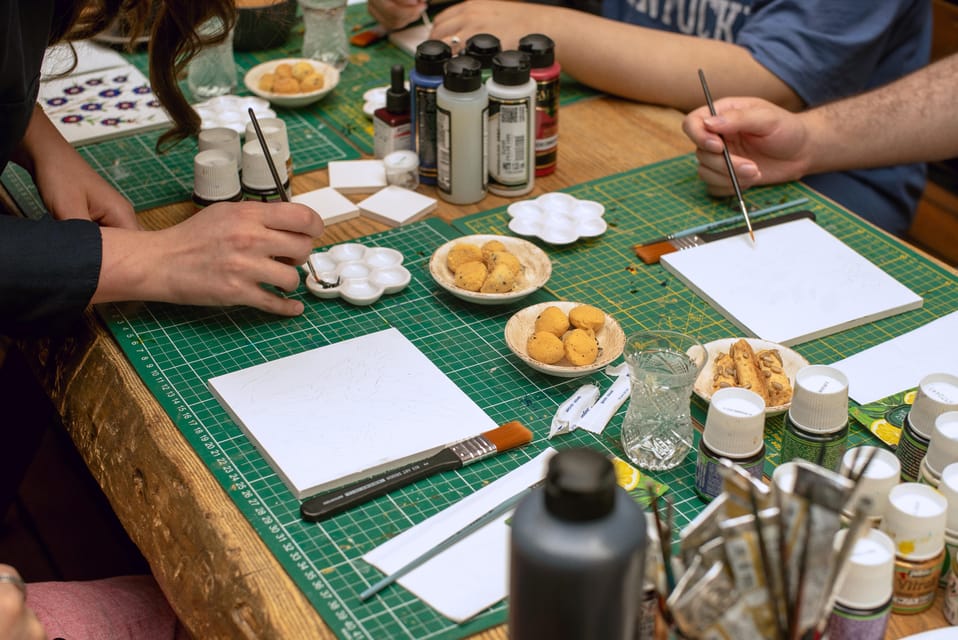
The best part of this workshop might be how comfortable it feels once you’re inside. You’re not just offered a drink once. The class includes unlimited Turkish tea, coffee, and water, and the studio keeps handmade cookies coming during your painting time.
If you’re the type who likes small breaks during a travel day, this hits the sweet spot. You get the social comfort of a group activity, but the core focus stays calm: paint, snack, adjust, and ask questions.
One practical angle: tea and coffee can also help you settle into the pace of ceramics. Painting takes patience. Warm drinks make it easier to slow down and concentrate on details without feeling like time is pressing you.
The staff experience also seems to be a recurring theme. Reviewers praised guidance that included regular check-ins, extra tea or biscuits, and patient help when someone wanted to fix a section. If you’re worried about feeling awkward in a class setting, this kind of attention helps.
Getting your plate home: bubble-wrap that actually matters
A painted souvenir is only useful if it survives your trip. This workshop includes secure bubble-wrap packaging designed to protect your finished tabak so it makes it through luggage without turning into a pile of shards.
That’s not a small detail. Ceramic is fragile, and “please be careful” isn’t a plan. Here, you’re given a protection step that’s part of the included experience, so you don’t have to scramble for wrapping materials near the end of the day.
Also, since the class is only 3 hours, there’s less chance you’ll be carrying a fragile item around town for half the trip. You finish, you get packed up, and you’re done.
One thing to watch for when you decide your design: choose colors and thicknesses that you can replicate cleanly. The studio helps with technique, but your final look depends on your own confidence while painting. If you take guidance, your plate will look more cohesive, and it’s easier to be happy with the finished result.





Price and value: is $31 a smart move?
At $31 per person, this is priced as a short, skill-based activity with included materials and food. The value comes from several things you’re not paying extra for:
- One ceramic plate (tabak) to paint and keep
- High-quality paints and traditional tools
- Unlimited drinks and local cookies
- Bubble-wrap packaging for safer travel
- Instruction from a local artist
- A verified certificate of completion
If you compare it to buying a decorative souvenir, the “value” is different. You’re paying for time, guidance, and the materials needed to create the object. The end result is a souvenir with a story built in, plus the satisfaction of having made it yourself while learning the technique.
Is it worth it if you already plan to buy ceramics? In my view, yes if you like hands-on experiences or you want something more personal than a store-bought design. If you only want to look, not participate, then it won’t feel efficient. But for anyone who enjoys crafting, it’s a strong deal for Istanbul.
Meeting in Sirkeci, possible shifts to the Asian side
The listed meeting point is in Sirkeci, at a historic building with a vintage signboard reading Merhaba Pastaneleri Sirkeci. Your guide is supposed to be waiting outside the entrance.
Here’s the key consideration: some people report that after booking, they were told the workshop is on the Asian side of Istanbul. In those cases, they were given options, and at least one situation involved using metro help from a guide, with extra transport needed afterward to return to the European side around rush hour.
So what should you do? Plan like this:
- Confirm the exact workshop location with your guide in advance.
- Give yourself buffer time if your day includes a lot of timed sights.
- If you’re staying on the European side, be ready for the possibility that getting home could be slightly inconvenient depending on the session location and time of day.
This is the main “watch it” point I’d carry into your schedule. The painting itself is straightforward. Getting back and forth is the piece that can change.
What this workshop is best for (and what might not fit)
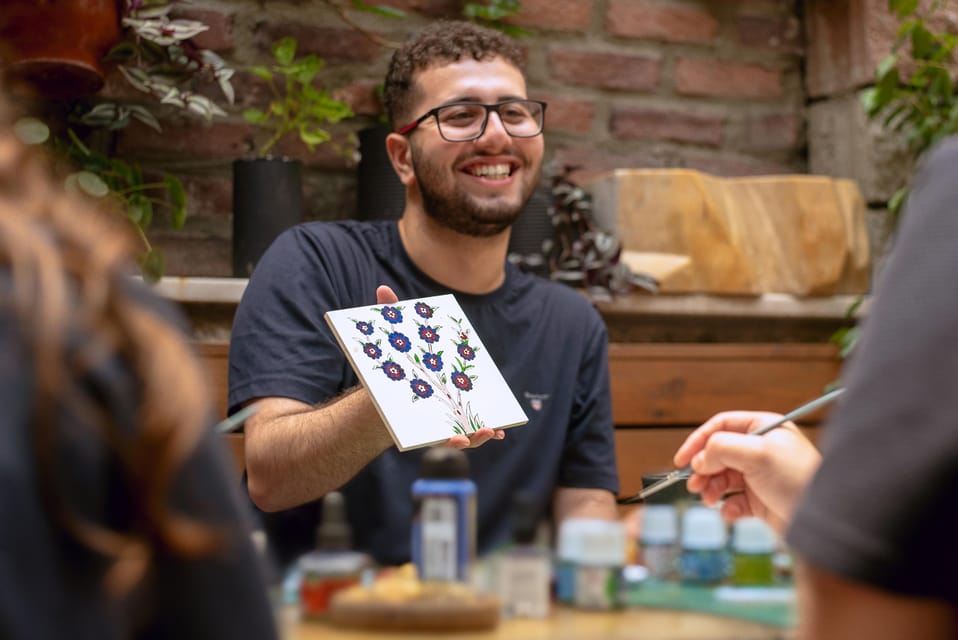
I’d put this workshop high on the list if you’re:
- Doing a shorter Istanbul trip and want a compact activity
- Looking for a souvenir with real meaning
- Traveling with friends and want something easy to do together
- Interested in Turkish design but don’t want it to feel like an exam
It can also work well solo. The studio is social, drinks flow, and the guides described in reviews (Zeynep, Seyma, Isra, Mustafa) are portrayed as supportive and conversational.
It may not be your best choice if:
- You strongly dislike group activities
- You want a purely sightseeing day with no seated time
- You need predictable local logistics and can’t handle any possible extra transport planning
Language is another practical check. The workshop is described as English and Turkish. But one reviewer noted a guide who only spoke Turkish, which is a reminder to assume you might need to rely on gestures, visuals, or a bit of translator energy if the group language shifts. The instructor and staff guidance still seem to work for beginners, but if you rely 100% on English, you may want to ask what language support will be used for your session.
Guides who make the class work: Zeynep, Seyma, Isra, Mustafa
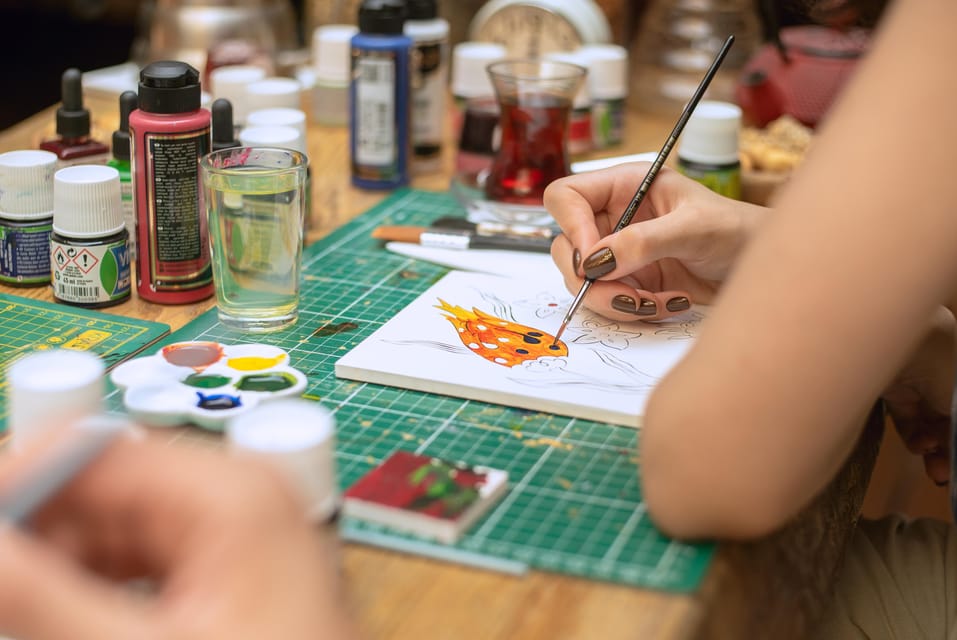
This is where the experience gets personal. Multiple reviews highlight specific staff members:
- Zeynep: praised for patience and helpful guidance, with a friendly personality.
- Isra: described as checking in regularly, keeping conversation going, and offering more tea, coffee, or biscuits.
- Seyma: praised for guiding the whole process and sharing art and history knowledge in a way that makes the session more meaningful.
- Mustafa: mentioned as kind and part of the welcoming studio atmosphere.
You don’t need these names to enjoy the workshop, but it helps you understand what kind of classroom it is. This is not a silent studio where you sit alone. It’s a guided, chat-friendly environment.
Should you book this Istanbul tile painting workshop?
Book it if you want a fun, beginner-friendly way to make a Turkish souvenir in about three hours. The combination of hand-on tabak painting, expert coaching, unlimited tea and snacks, and bubble-wrap travel protection makes it practical, not just cute.
You should pause and check logistics first if your day is tight or if you’re staying on the European side, because workshop location can shift to the Asian side for some sessions. A quick message to confirm where you’ll be painting will save you stress.
If you’re the type who likes coming home with something you made rather than something you bought, this one delivers.
FAQ
How long is the Turkish tile and ceramic painting workshop?
It lasts 3 hours.
Do I need any prior art or painting experience?
No. The workshop is beginner-friendly and you do not need prior art experience.
What will I paint and take home?
You’ll paint one ceramic plate (tabak) and take it home as a souvenir.
Are drinks and snacks included?
Yes. You get unlimited Turkish tea, coffee, and water, plus a selection of handmade local cookies.
What languages are used during the workshop?
The instructor is listed as English and Turkish.
Is hotel pickup and drop-off included?
No. Hotel pickup and drop-off are not included.
Where do I meet for the workshop?
Meet at the historic building with the vintage signboard that reads Merhaba Pastaneleri Sirkeci, outside the entrance.
How do they protect the finished ceramic plate for travel?
They provide secure bubble-wrap packaging so your finished plate is protected for travel in your luggage.
Is free cancellation available?
Yes. You can cancel up to 24 hours in advance for a full refund.