REVIEW · HAGIA SOPHIA TOURS & TICKETS
Istanbul: Hagia Sophia Skip-the-Ticket Line & Audio Guide
Book on GetYourGuide →Operated by Herms · Bookable on GetYourGuide
Big domes make you forget the line.
This Hagia Sophia skip-the-ticket experience pairs your timed entry with an English audio guide, so you can spend your energy on mosaics, calligraphy, and the big architectural moments instead of standing at ticket counters.
I like that your QR code lands in your email one day before you visit, and you enter using the tourist entrance near Topkapi Palace with access to the upper galleries.
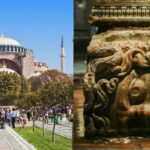
I also like the points of focus the audio guide supports, including Byzantine mosaics and details like the upside-down Medusa heads you’ll want to seek out.
One thing to plan for: this does not guarantee priority at security or the main entry.
In busy periods, you can still end up waiting, even though you’re avoiding the longest ticket-booth squeeze.
In This Review
- Key highlights you’ll notice right away
- Skip-the-ticket entry vs. Istanbul security: know what you’re really buying
- Your self-guided route inside Hagia Sophia (upper galleries only)
- The best reason to bring the audio guide app: mosaics, calligraphy, and context
- What to hunt for: Medusa heads, submerged columns, and standout mosaic scenes
- Timing: how to reduce the real waiting (especially at busy hours)
- Finding the tourist entrance near Topkapi Palace (and why it matters)
- Dress code and site rules: avoid the get-stopped moments
- Ticketing quirks: QR code, printed vouchers, and audio download
- Price and value: is $41 worth it for this kind of visit?
- Is a “not a guided tour” plan right for you?
- Should you book this Hagia Sophia skip-the-ticket entry with audio?
- FAQ
- Is this a guided tour with a live guide?
- Where do I enter Hagia Sophia?
- Does the skip-the-ticket-line also skip the entry line?
- What does my ticket include?
- What parts of Hagia Sophia can I access with this ticket?
- Do I get headphones with the audio guide?
- When will I receive my QR code ticket?
- What are the dress code rules?
- Are photos allowed?
- What is the cancellation policy?
- Is the site wheelchair accessible?
Key highlights you’ll notice right away
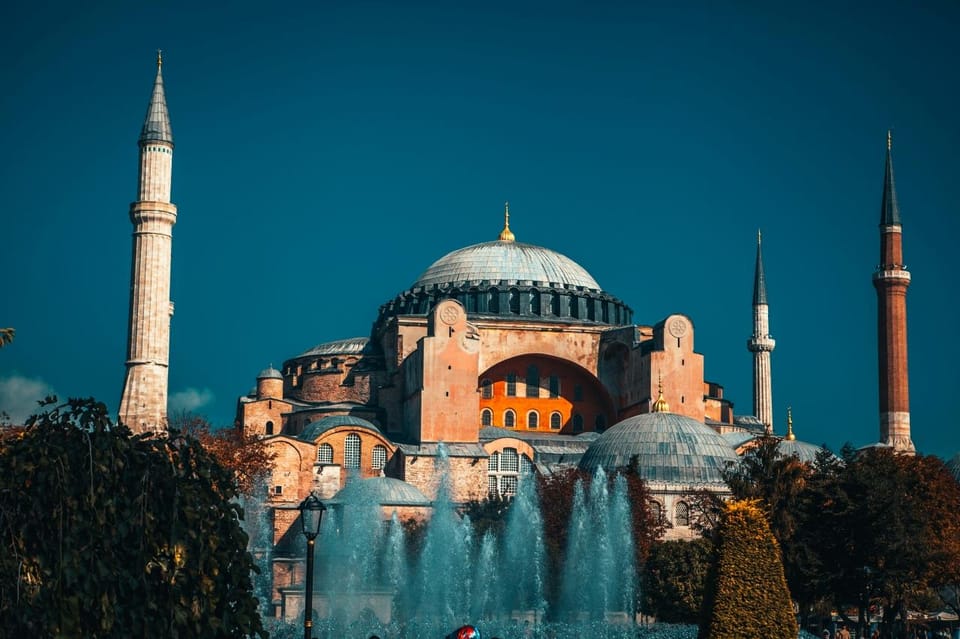
- Tourist entrance near Topkapi Palace gets you into the upper gallery circuit via a gentle ramp
- English digital audio guide app keeps the visit self-paced and story-led
- Byzantine mosaics + Islamic calligraphy help you see the building as one long cultural conversation
- Submerged-looking marble columns add an eerie, almost movie-scene mood inside the hall
- Upside-down Medusa heads give you a fun, memorable “wait, what am I seeing?” moment
Skip-the-ticket entry vs. Istanbul security: know what you’re really buying
This is a 1-day plan built around a simple idea: reduce time spent at ticket counters by using a QR code for entry access. Your ticket includes skip-the-ticket line and the Hagia Sophia entry ticket, plus a complimentary digital audio guide app in English. You do not get a live guide, and it’s not a guided group walk-in.
Here’s the practical reality I’d plan around: “skip-the-line” here mostly means skipping the line to purchase tickets, not necessarily skipping the entry flow itself. The activity also notes that during peak seasons you should expect lines at security checkpoints, and your ticket does not provide priority access.
So think of it like this: you’re trading one kind of delay (ticket buying) for a smoother start on your chosen entry time. The security checkpoint is still security, and it still can have a line.
You can also read our reviews of more tours and experiences in Istanbul


Your self-guided route inside Hagia Sophia (upper galleries only)
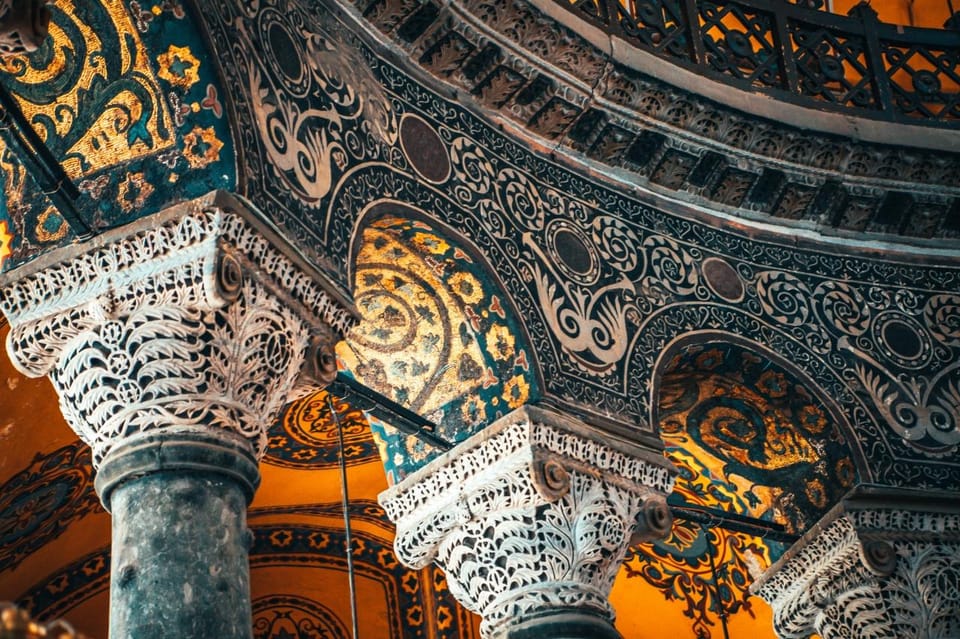
There’s an important rule that affects what you’ll see. The ticket grants access to the upper gallery and viewing area only. Entry to the ground-level prayer hall is not included.
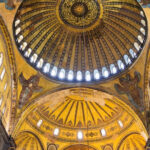
That changes the feel of your visit in a good way if you like architecture and viewing angles. From the upper levels, you can study the space as a whole: the famous dome, the soaring interior volume, and the way the light hits the mosaic surfaces. It also means you’ll want to calibrate your expectations. If your dream visit is standing in the main prayer hall area, this ticket won’t cover that.
During your visit time, you enter on your own, then move at your pace through the areas that are included. The audio guide is designed for self-guided listening, so you can stop when you care, skip when you don’t, and re-listen later if something catches your eye.
The best reason to bring the audio guide app: mosaics, calligraphy, and context
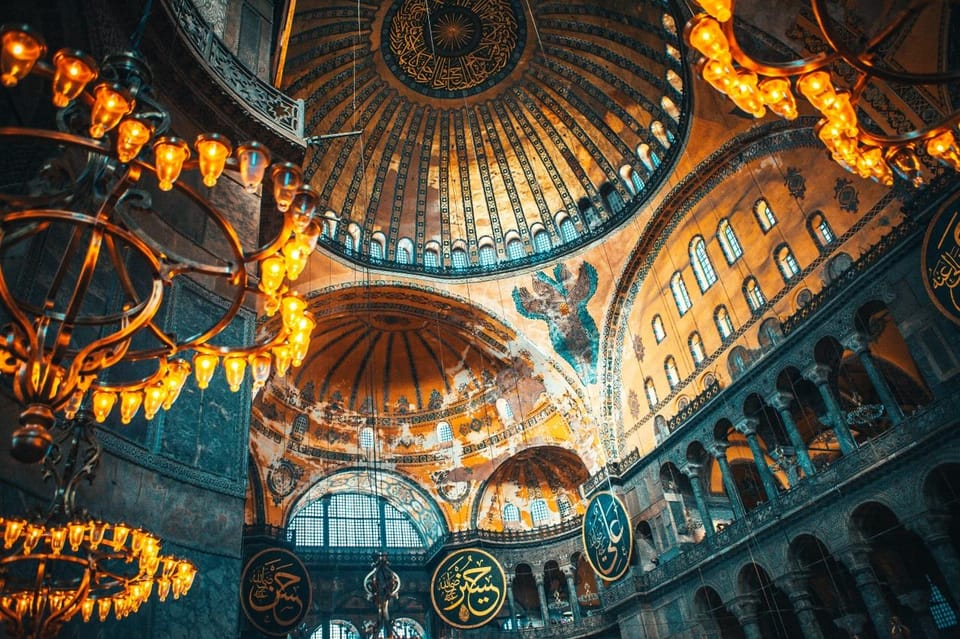
The audio guide isn’t just narration. It’s built to make the details easier to spot and harder to forget. You’ll get stories tied to Byzantine mosaics, plus insights on the presence of Islamic calligraphy and how the building’s layers reflect different eras.
What that means for you, in real terms: instead of staring at a wall and hoping you understand what you’re seeing, you’ll have an audio timeline playing in your earbuds or phone speaker setup (headphones are not included, so plan accordingly). When the guide mentions a specific feature, it helps you aim your eyes instead of wandering in a museum fog.
One note from the experience info: the app is complimentary, and it’s offered in English. Some people also report the app can be a bit glitchy, so I’d treat this as “download and go,” not “stream and hope.” If connectivity inside is weak (it often is in big historic sites), having the audio ready before you arrive is smart.
Also, there’s an extra practical thought: inside Hagia Sophia, there may be an audio option you can use that’s similar in spirit. That can be a backup plan if the app struggles, but the provided option is still the main value of this package.
What to hunt for: Medusa heads, submerged columns, and standout mosaic scenes
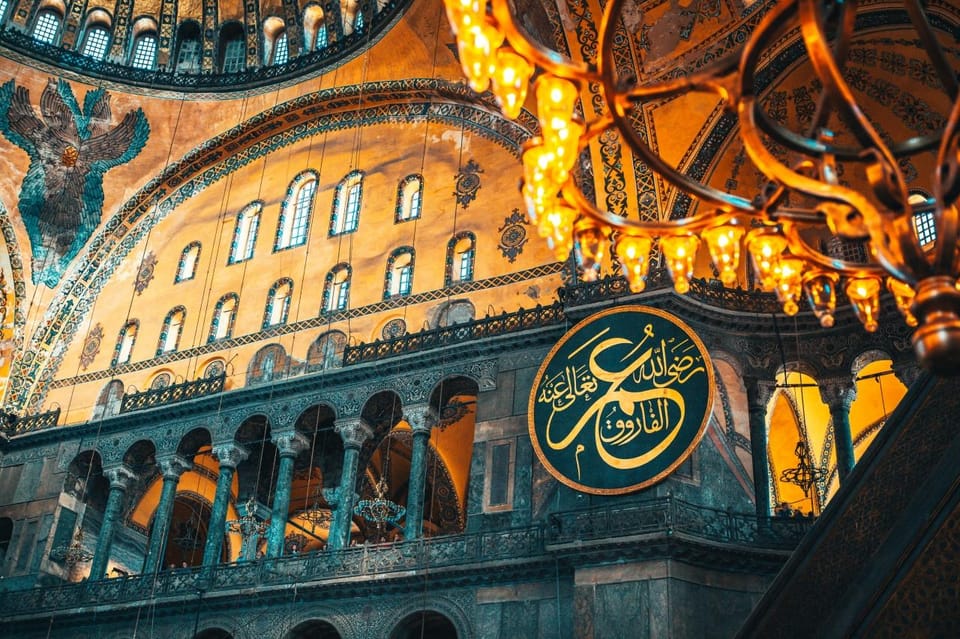
Hagia Sophia is famous for a reason, but the good surprises come from looking for specific things. This experience highlights several features that are both visual and story-friendly.
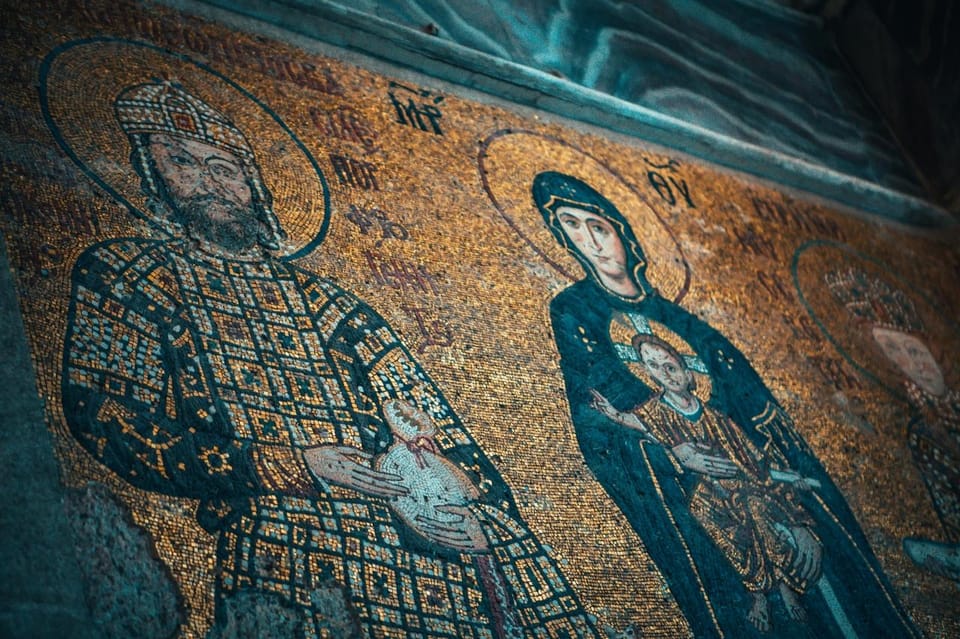
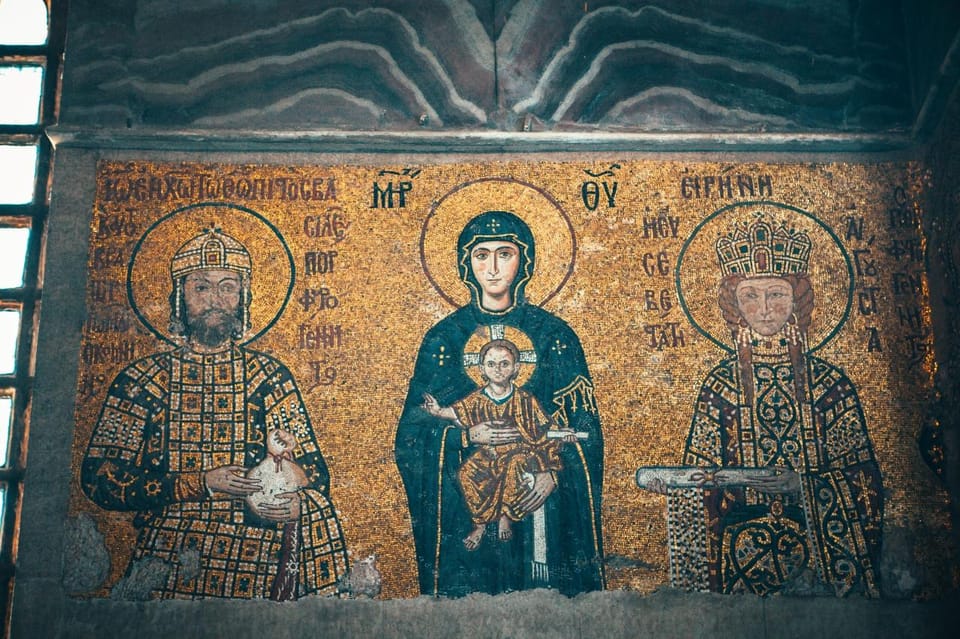
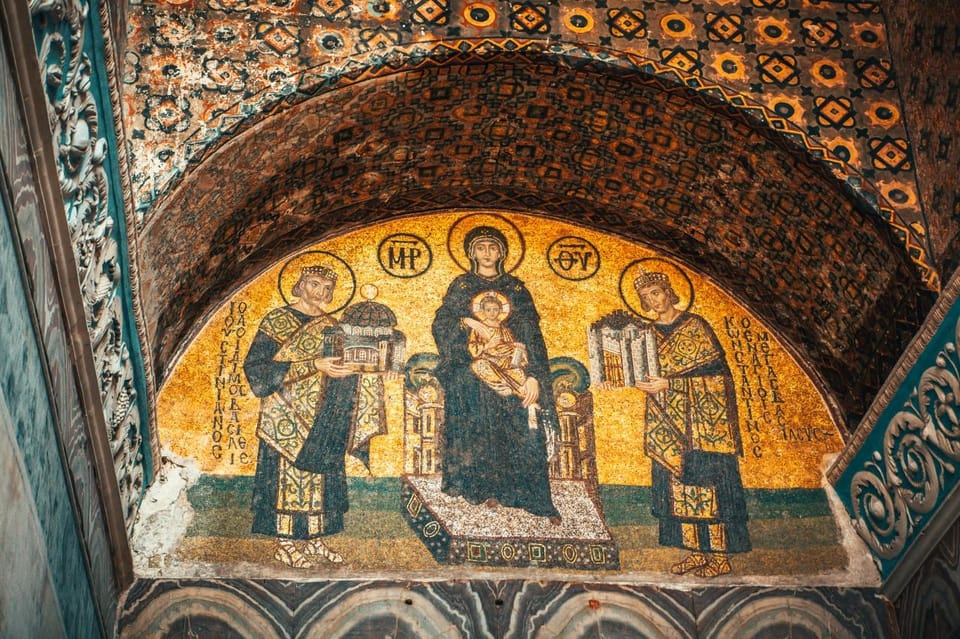
First, seek out the Byzantine mosaics. The building can feel like layers of time stacked in one place, and the guide helps connect what you’re seeing to how the site evolved. Some mosaic subjects are religious and emotional, and you may spot imagery tied to the Virgin Mary and saints, which people often find moving.
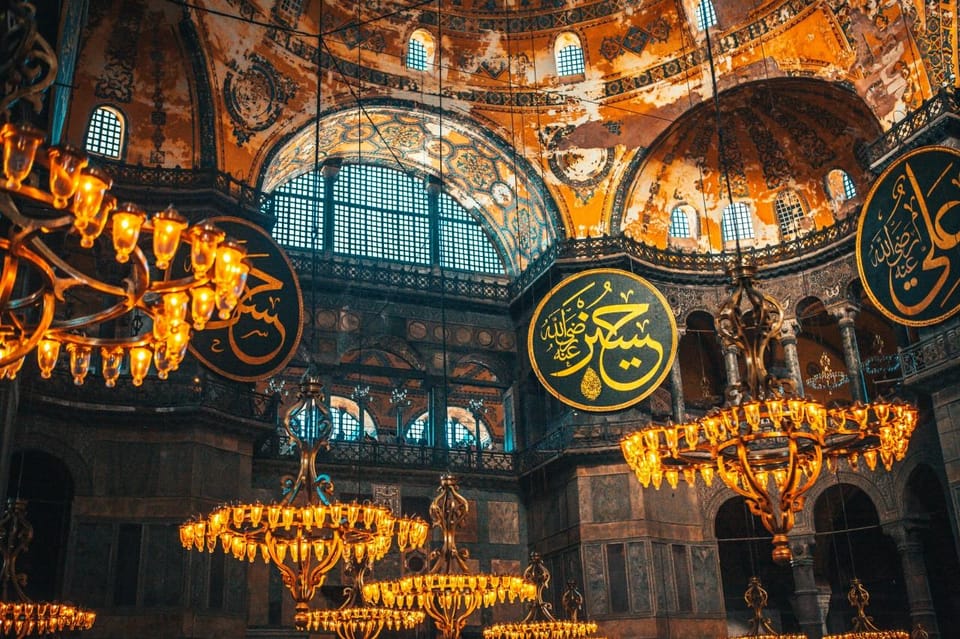
Second, don’t miss the Islamic calligraphy. In a place like this, calligraphy isn’t just decoration—it signals a shift in how the space was used and understood. When you hear the guide’s explanation, the calligraphy becomes part of the building’s timeline instead of just background.
Third, look for the ancient, submerged columns made from marble. The listing describes them as eerily beautiful, and they do create that “how is this here?” feeling. Whether you fully grasp their story on the first pass or not, your job is simple: slow down and notice how the marble and the mood of the area work together.
Finally, the star detail for many first-timers: the upside-down Medusa heads. These are the kind of detail you might overlook unless someone points it out. With the audio guide cueing you, you’ll be far more likely to see them—and far more likely to remember them later.
Timing: how to reduce the real waiting (especially at busy hours)
If you only take one planning tip, take this one: morning is your friend. The experience info and the practical guidance embedded in the setup make it clear that security lines and crowd pressure can build quickly.
In particular, getting there early helps you avoid long waits. One clear pattern from the guidance: early arrivals can mean almost no ticket and entry friction, while later mornings and after-11am can bring much heavier entry lines. Even if your ticket helps with the ticket-counter step, the main entry and security checkpoint can still be crowded.
So aim for an early start if you can. If you’re flexible, pick a time slot near opening and plan to arrive a little ahead rather than rushing at the last second. Hagia Sophia is one of those sites where being ten minutes early can feel like a different world.
You can also read our reviews of more guided tours in Istanbul



Finding the tourist entrance near Topkapi Palace (and why it matters)
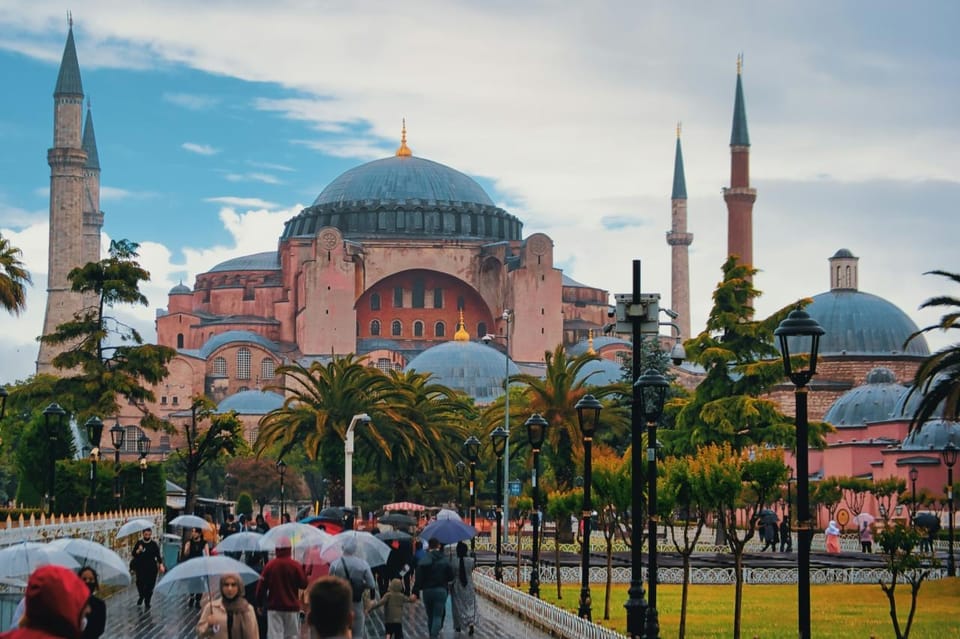
This activity is not a meeting-point-plus-guide situation. The meeting point is essentially: go to Hagia Sophia (Ayasofya) and enter on your own using your ticket.
Your entry method matters. Foreigners can enter through the newly opened tourist entrance located near Topkapi Palace. From there, you get direct access to the upper floor galleries via a gentle ramp.
If you’re thinking about accessibility or just want the easiest physical path, this detail is valuable. The information also notes that ramps and stairs may be uneven, and for full accessibility you should use the Turkish Citizen Entrance, which has a ramp. Wheelchair access is listed as available, but uneven steps can still matter depending on route and crowd flow.
Practical advice: when you arrive, look for the tourist entrance signage and plan to move calmly. Security can slow things down, especially when crowds compress at chokepoints.
Dress code and site rules: avoid the get-stopped moments
Hagia Sophia is religious space as well as a major tourist site. That means rules are real, not optional suggestions.
Plan for the head-and-body coverage requirements:
- Women must cover heads, shoulders, and knees
- Men must cover knees and shoulders
- Headscarves and body wraps are available for a small fee at the ticket booth
This is one of those details that can ruin your morning if you ignore it. If you’re traveling light, bring something that covers quickly—especially if you visit in warmer months.
Also, know the restrictions before you get inside:
- No weapons or sharp objects
- No luggage or large bags
- No smoking indoors
- No unaccompanied minors
- No making noise
- Photography rules are restricted: flash and tripods are prohibited, and you should avoid photographing worshippers
- The activity also states photography is not allowed inside, but personal-use photography may be allowed in visitor areas—so follow onsite signage and staff instructions closely
There’s no cloakroom, so don’t count on storage for bags.
Ticketing quirks: QR code, printed vouchers, and audio download
The smoothest experience starts with the QR code arriving at the right time. Your tickets with a QR code are sent one day before your tour date via email. That means you’ll want to check your inbox (and spam folder) the day before, then keep your phone charged.
One useful warning from the kind of issues people hit: make sure you have the actual QR code available. If you print something that’s more of a voucher than a scannable ticket, you may have trouble at the gate barrier. If that happens, the fix is typically re-downloading to your phone, but it’s stressful when you’re staring at a barrier.
So do this: bring your QR code on your phone, keep it easy to access, and have a backup (like another device or a screenshot if allowed—without blocking the QR scan).
If your audio guide app needs internet, don’t count on a strong connection inside. Download or load what you need before arriving, then step in and let the guide do its job.
Price and value: is $41 worth it for this kind of visit?
At $41 per person for a 1-day visit, the value depends on what you personally want out of the time you spend at Hagia Sophia.
Here’s what you’re paying for:
- Skip-the-ticket line, meaning less time at ticket purchase counters
- Entry ticket to Hagia Sophia
- Complimentary English audio guide app
- Optional access to the History and Experience Museum, if selected
What you’re not paying for:
- A live guide
- Headphones (so you may need your own)
- The ground-level prayer hall, since this ticket is upper gallery only
- Priority access for security or the main entry at busy times
So the best value tends to show up when you’re short on time or you hate line chaos. If you’re comfortable arriving early and you’d rather buy onsite, you might feel you overpaid. But if your schedule is tight, or you want to reduce stress and move straight into the experience, the time saved can be worth the cost.
Also keep in mind: even with the skip-the-ticket line, you still have to go through security. So it’s not a magic bypass. It’s a smarter allocation of your time.
Is a “not a guided tour” plan right for you?
This package works best if you like control. You pick your entry time within the available starts, then wander at your pace with audio prompts. No group herding. No waiting for a guide to catch up.
It’s a good fit for:
- First-timers who want the big highlights but don’t want a rigid schedule
- Travelers who like self-paced museums
- People who want context on mosaics and calligraphy without paying for a live guide
It may feel like the wrong fit if you want:
- A human who can answer questions on the spot
- Access that includes the ground-level prayer hall (this ticket doesn’t include it)
- A guaranteed low-crowd experience regardless of time of day
Should you book this Hagia Sophia skip-the-ticket entry with audio?
I’d book it if you want a straightforward way to cut down the worst ticket-booth hassle and you’ll actually use the English audio guide app while you’re inside. I’d especially lean toward booking early-day slots when crowds peak later in the morning.
Skip booking if your top priority is standing in the ground-level prayer hall (not included here), or if you’re traveling with restrictions that make self-navigation stressful. Also, if you’re the type who hates phone-based ticketing, this may require extra attention to QR code access.
If you want a practical plan that focuses your time on what matters—mosaics, calligraphy, and specific architectural details like the Medusa heads—this is a solid choice.
FAQ
Is this a guided tour with a live guide?
No. This is not a guided tour. You enter Hagia Sophia on your own at your chosen time using the ticket QR code.
Where do I enter Hagia Sophia?
Foreigners can enter through the newly opened tourist entrance near Topkapi Palace, which provides direct access to the upper floor galleries via a gentle ramp.
Does the skip-the-ticket-line also skip the entry line?
The info indicates your ticket skips the ticket-buying line, but it also notes your ticket does not provide priority access for security or entry. In the busiest periods, entry may still take longer than usual.
What does my ticket include?
It includes the Hagia Sophia entry ticket, skip-the-ticket line, and a complimentary digital audio guide app (English). Access to the History and Experience Museum is included only if that option is selected.
What parts of Hagia Sophia can I access with this ticket?
Your ticket grants access to the upper gallery and viewing area only. Entry to the ground-level prayer hall is not included.
Do I get headphones with the audio guide?
No. Headphones are not included, so you may want to bring your own.
When will I receive my QR code ticket?
Your ticket with a QR code is sent one day before your tour date via email.
What are the dress code rules?
Women must cover their heads, shoulders, and knees. Men must cover their knees and shoulders. Headscarves and body wraps are available at the ticket booth for a small fee.
Are photos allowed?
Photography is restricted. The info says photography inside is not allowed, but it also states photography is allowed for personal use in visitor areas. Flash and tripods are prohibited, and you should avoid photographing worshippers.
What is the cancellation policy?
Free cancellation is available up to 24 hours in advance for a full refund.
Is the site wheelchair accessible?
Wheelchair accessibility is listed as available. However, ramps and stairs may be uneven, and for full accessibility you should use the Turkish Citizen Entrance, which has a ramp.


![Street Food Tour in Istanbul [Don't Miss it] - From Travel Inn Turkey to Sultanahmet: Simit and Turkish Tea Kickoff](https://cd.theistanbultraveller.com/wp-content/uploads/street-food-tour-in-istanbul-dont-miss-it-400x267.jpg)