REVIEW · BASILICA CISTERN TICKETS
Istanbul: Basilica Cistern Small Group Tour with Tickets
Book on GetYourGuide →Operated by TOURMANIA · Bookable on GetYourGuide
Underground water waits below the Sultanahmet buzz. In this 1-hour small-group visit, you get skip-the-line entry and an English guide to decode the Byzantine engineering inside Istanbul’s Yerebatan Sarayi, including the famous Medusa heads.
I love how quickly this tour gets you into the cool dark, where you’re met by rows of columns and mirrored water instead of a crowded queue. I also like the photo-focused pacing, especially when guides help you spot the best angles in the dim light.
One possible drawback: the visit is short, so if you want a long, slow wander at your own speed, you might feel a bit rushed toward the end.
In This Review
- Key points to know before you go
- Basilica Cistern: what you’re stepping into
- Meeting point and getting in fast
- Your guided walk inside: columns, water, and atmosphere
- Photo stop tips you’ll be glad you didn’t skip
- The Medusa heads: the story behind the shock
- Byzantine water engineering, translated into human language
- Timing and how long you actually spend
- Comfort, crowding, and what to wear
- Price and value: why $51 can make sense
- Who this tour fits best
- Should you book this Basilica Cistern skip-the-line tour?
- FAQ
- FAQ
- How long is the Basilica Cistern small group tour?
- Is this tour in English?
- What’s included with the tour?
- Do you handle the entrance tickets for me?
- Where do I meet the guide?
- Does the tour include time for photos?
- Is it a small group?
- What time does the tour start?
- Can I cancel for a refund?
- Can I reserve and pay later?
- Is the guide useful for hearing instructions in a busy site?
Key points to know before you go
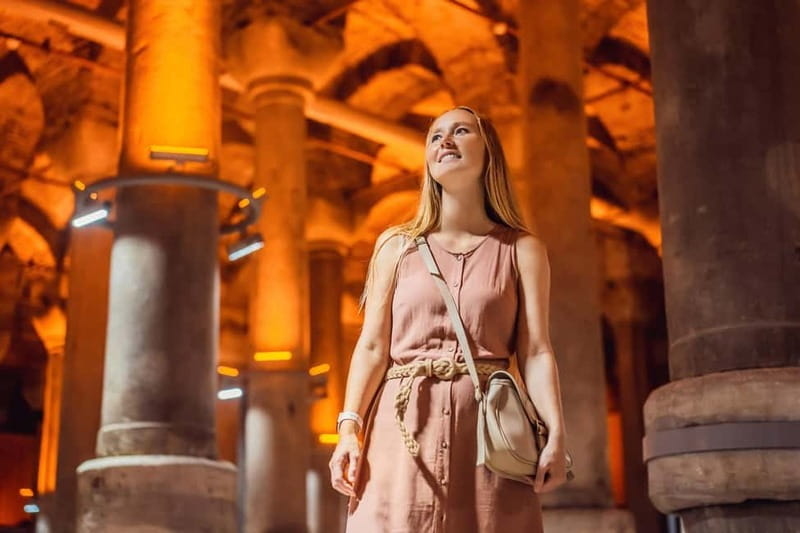
- Skip-the-line tickets included so you don’t burn time waiting to enter
- English live guide who explains what you’re actually looking at
- Photo stop inside the cistern with help finding strong viewpoints
- Medusa heads moment explained in context, with the mystery made clearer
- Atmospheric lighting and sound that make the space feel otherworldly
- About an hour total which is perfect if you want value without a long commitment
Basilica Cistern: what you’re stepping into
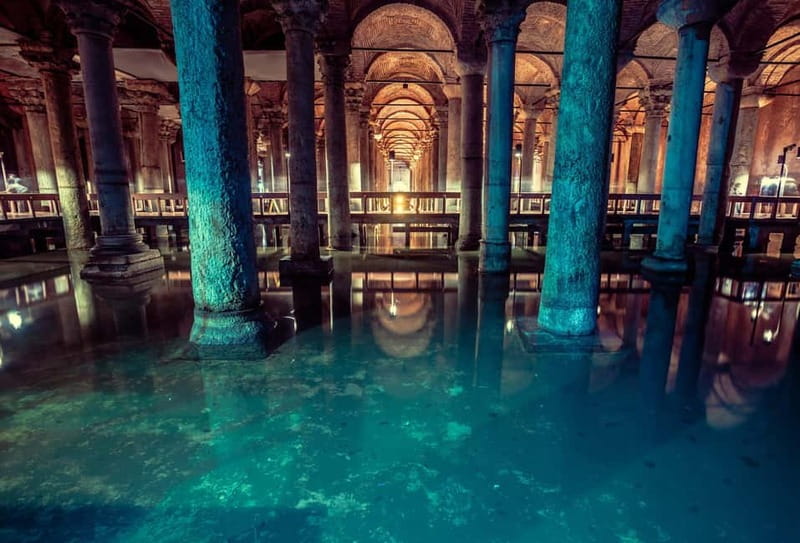
The Basilica Cistern (Yerebatan Sarayi) is an underground water reservoir built in the 6th century under Byzantine Emperor Justinian I. It wasn’t designed as a tourist monument. It was a practical piece of city life, built to supply water to the Great Palace complex.
That function is exactly why the cistern feels so strange in the best way. You’re walking through a manmade underground world of stone, water, and reflections, with the geometry of the columns doing most of the talking. It’s also dimly lit and often paired with atmospheric music, so the space feels frozen in time rather than like a typical museum hall.
You’ll get more out of the visit if you come with one simple mindset: look for details. A guide helps you connect those details into a clear story, instead of just admiring the visuals and moving on.
You can also read our reviews of more tours and experiences in Istanbul


Meeting point and getting in fast
Your tour starts at the exit gate of the Basilica Cistern. That matters because meeting there helps the group line up quickly at the exact spot where you can move into the site with minimal hassle.
The key promise here is that you don’t need to fight the main ticket line. With your entrance ticket handled as part of the tour, you’re spending your time underground instead of standing in the sun outside. In practice, this is what makes the whole experience feel good value for money.
Also, the meeting area can be crowded, so it helps to show up a few minutes early and keep an eye out for your guide. Many guides use a heads-up message shortly before the tour so you know what to look for (people have said this via WhatsApp).
Your guided walk inside: columns, water, and atmosphere
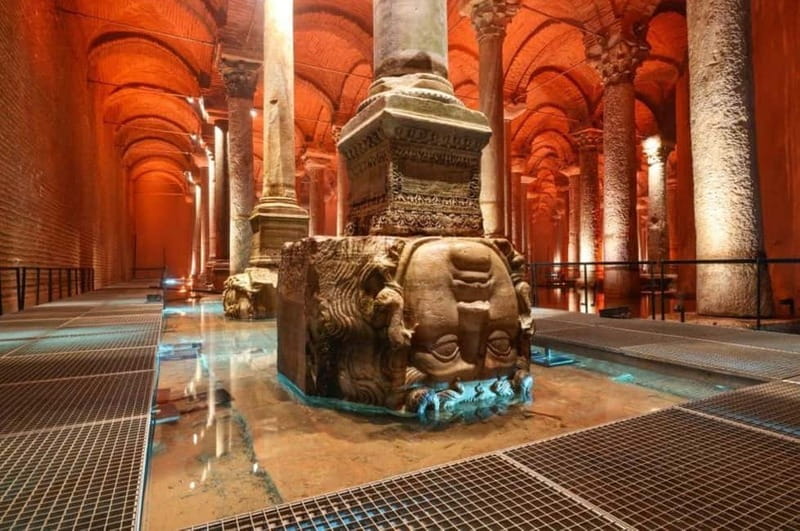
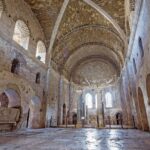
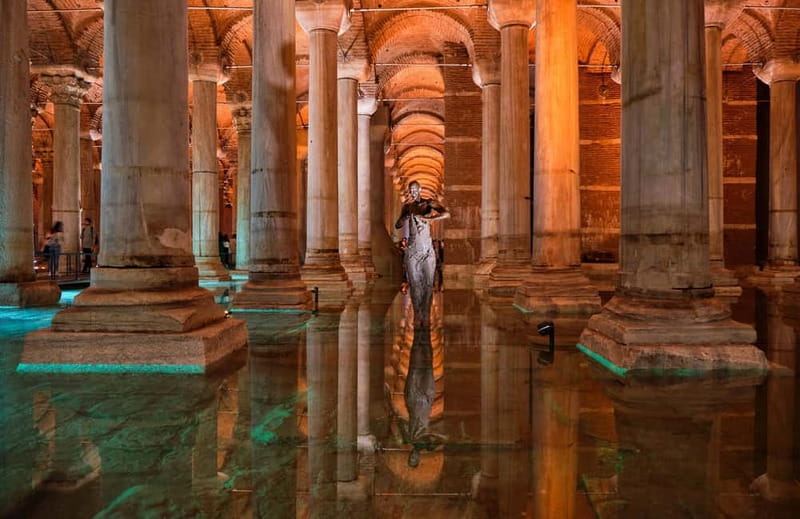
Once you’re in, the cistern opens up like a set from a very old film. You’ll descend into a wide underground chamber where long rows of columns rise out of the water. The columns aren’t all uniform—different architectural styles show up in the details—so you’re not just seeing one repeating pattern. You’re seeing how builders solved problems with what they had.
A guide will point out things you’d likely miss on your own:
- how the construction works in a space this deep and dim
- what different parts of the chamber suggest about Byzantine-era design choices
- why the lighting and water reflections make the cistern look larger in person than in photos
There’s also a practical comfort angle here. The cistern can be busy, and acoustics underground can make it harder to hear. Some tour participants have been given headsets to hear the guide better, which is a nice touch if you’re traveling with kids, or you just don’t love straining your ears.
The pacing is designed for a smooth hour. You’ll have time to move at a comfortable walking speed, plus a photo stop where your guide can steer you toward good angles.
Photo stop tips you’ll be glad you didn’t skip
If you care about photography, this is one of the strongest reasons to book a guide rather than going solo. The cistern is famously photogenic, but the dim light and reflective water can make it hard to find the best compositions without wandering aimlessly.
A few helpful patterns you can expect your guide to cover:
- where to position yourself for column symmetry
- how to avoid the worst glare off the water surface
- which viewpoints make the chamber look deeper
People have also noted that guides will stake out photo spots and patiently accommodate extra picture time. One family even mentioned that the tour was workable with a stroller, with most of the walking being manageable—just remember there are stairs involved when moving down and back up.
The Medusa heads: the story behind the shock
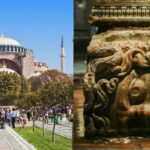
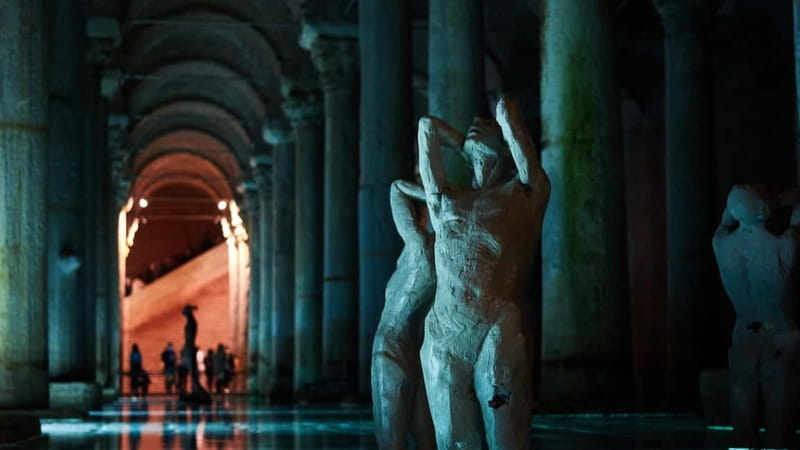
No part of the Basilica Cistern gets as much attention as the two carved Medusa heads. They’re ornate, and they’re weirdly memorable: you’ll spot them, and you’ll immediately want to know why they’re here.
The guides explain the commonly discussed background: the Medusa heads were believed to have been reused from an older Roman structure. That reuse is part of the mystery. Another part is that historians and guides connect the heads to shifting interpretations—what you see is clear, but the full intent isn’t.
When a good guide is on your side, you don’t just get facts. You get a framework for understanding why this detail matters:
- It hints at how later builders repurposed older art and materials
- It shows how layers of empires overlap in Istanbul
- It turns a quick glance into an “aha, I get it” moment
If you’re the type who likes explanations that match what you can see in front of you, this is where the tour delivers.
Guides with names like Fatih, Sarah, and Can are often praised for being friendly and effective at pointing out these exact details. Even if your guide is different, the goal is the same: you leave knowing why the Medusa heads are such a big deal.






Byzantine water engineering, translated into human language
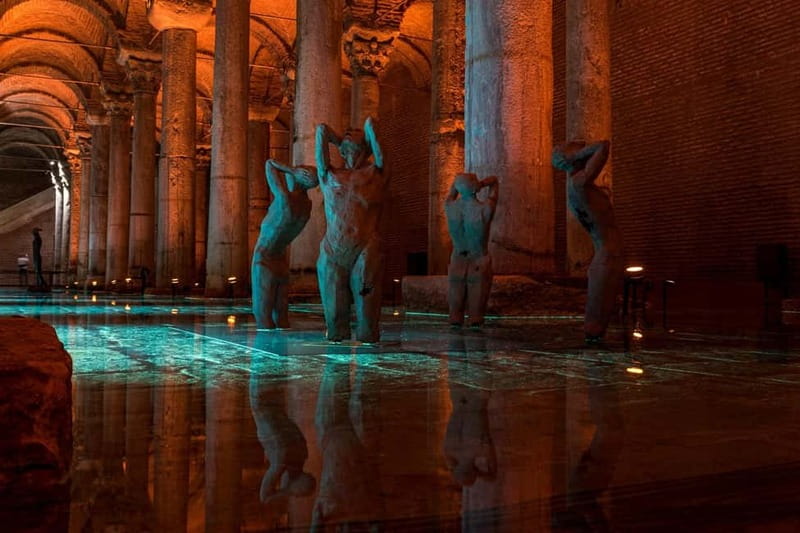
The cistern’s origin story helps everything click. Built in the 6th century during Justinian I’s reign, it was designed to supply water to the Great Palace complex. That’s the big idea, and it’s what makes the Basilica Cistern more than a photogenic ruin.
Here’s the value for you: once you understand the purpose, you start noticing the engineering logic in the space. You can appreciate:
- the scale of a system meant to support palace life
- the practicality of storing water underground
- the way Byzantine builders created infrastructure that lasted
The cistern also highlights the practical genius of empire-scale projects. Istanbul was crowded with power and movement above ground. Underneath, this was how water was kept stable and controlled.
A guide helps keep this from turning into a history lecture. Instead, it becomes a series of meaning-based observations as you look around.
Timing and how long you actually spend
This tour is about an hour. That’s short enough to fit cleanly into a busy day, and long enough to cover the essentials without rushing through the important visuals.
Just keep expectations realistic. Some people have mentioned that the Basilica Cistern can close sooner than they expected, which can turn the final minutes into a hurry. That’s not something you can fully control, so the best strategy is to book earlier if you have flexibility.
If you want a slow, solitary, on-your-own pace, you might prefer unguided time. But if you want the most meaningful hour you can get underground, this tour is built for that.
Comfort, crowding, and what to wear
The Basilica Cistern is underground and dim, so bring sensible basics:
- wear comfortable shoes you can walk in on uneven stone
- expect cooler air and keep a light layer in your bag
- plan for photos, not just sight-seeing
In terms of movement, there are stairs involved. One participant specifically noted that it’s one flight of stairs down and about 30 steps up. That doesn’t mean it’s impossible, but it does mean you should consider your comfort level if you’re traveling with a stroller, mobility needs, or little kids.
If your priority is easy logistics, the skip-the-line entrance still helps. Your time underground becomes the focus, not the stress of waiting outside.
Price and value: why $51 can make sense
At around $51 per person, you’re paying more than a basic entry ticket. The tradeoff is clear: you get skip-the-line entry and a professional English guide for the hour.
For many visitors, this math works because:
- time has value in Istanbul (queues can eat your day)
- the cistern is all about details, and a guide helps you notice them
- you also get photo assistance, which is hard to replicate without trial and error
One review said the price was only a few dollars over the standard ticket, which is basically the sweet spot for skip-the-line tours: you pay a little extra to avoid wasted time and to add a guide who makes the place make sense.
If you’re the type who normally skips guided tours, this is the one that might change your mind. The Basilica Cistern rewards context. The best parts—like the Medusa heads—don’t explain themselves.
Who this tour fits best
This is a strong match if you:
- want a short, high-impact activity that doesn’t eat your whole day
- care about history but want it explained in a practical, visual way
- like photography and appreciate help finding angles
- prefer small-group attention rather than getting lost in a big crowd
It’s also a good option if you’re traveling with kids, as long as you can handle the stairs and keep expectations realistic about the short duration.
If you’re someone who wants to linger for 90 minutes or 2 hours on your own, you may find the guided hour feels tight. In that case, consider adding extra self-guided time afterward (if the site hours allow), or choose a tour with longer time on site.
Should you book this Basilica Cistern skip-the-line tour?
I’d book it if you want the best value for an hour underground: fast entry, an English guide who points out the details, and a photo-friendly visit. The cistern is visually stunning, but it becomes significantly more satisfying when you understand the purpose and the big mysteries, especially the reused Medusa heads.
Skip it only if your top priority is maximum unstructured time inside, or if you’re very sensitive to stairs and timing. Otherwise, this is one of those Istanbul stops where a guide turns a pretty scene into a story you can actually remember.
FAQ
FAQ
How long is the Basilica Cistern small group tour?
It lasts about 1 hour.
Is this tour in English?
Yes. The live guide is provided in English.
What’s included with the tour?
You get a skip-the-line ticket to the Basilica Cistern and a professional guide.
Do you handle the entrance tickets for me?
Yes. Entrance tickets are included as part of the tour, so you don’t need to buy them separately.
Where do I meet the guide?
Meet your guide at the exit gate of the Basilica Cistern.
Does the tour include time for photos?
Yes. There is a photo stop as part of the visit.
Is it a small group?
The experience is described as a small group tour.
What time does the tour start?
Starting times vary, so you’ll need to check availability to see the options.
Can I cancel for a refund?
Yes. Free cancellation is available up to 24 hours in advance for a full refund.
Can I reserve and pay later?
Yes. You can reserve now and pay later, keeping your travel plans flexible.
Is the guide useful for hearing instructions in a busy site?
The tour can be busy, and some participants have noted getting headsets to hear the guide better.