REVIEW · BASILICA CISTERN TICKETS
Istanbul: Basilica Cistern Skip-the-line Entry & Guided Tour
Book on GetYourGuide →Operated by Istanbul E-pass · Bookable on GetYourGuide
Underground myths wait under Istanbul. This Basilica Cistern tour is built for skip-the-line entry plus a guided introduction to the Medusa heads you’ll see down below, with just enough story to make the place click. People consistently praise guides such as Senay, Ibrahim, and Engin for turning a quick visit into a clear, memorable introduction.
The main consideration is that the guided part is short, so if you want an extended, lecture-style walkthrough, you may feel the 20-minute format moves fast. Still, the setup works well if you’d rather get inside quickly and spend your time looking at what’s actually there.
In This Review
- Key things to know before you go
- What this Basilica Cistern tour really feels like
- Meeting point near Hagia Sophia: finding the right guide
- Skip-the-line entry: why it’s worth paying for
- The 20-minute guided tour: Medusa heads and the stories that make it click
- Free time inside: how to use it well
- Logistics that matter: weather, bags, timing, and access
- Price and value: is $54 for this short tour fair?
- Who this tour suits best (and who might skip it)
- Should you book this Basilica Cistern tour?
- FAQ
- How long is the Basilica Cistern guided tour?
- Does this tour include skip-the-line entry?
- Where do we meet the guide?
- Is hotel pickup included?
- What language is the guide speaking?
- Is the Basilica Cistern visit wheelchair accessible?
- Are there restrictions on luggage or bags?
- Can I use my phone inside the cistern?
- Is there anything special to know about photos?
Key things to know before you go
- Skip-the-ticket-line entry saves you from the worst of the exterior waits in Sultanahmet.
- A short guided intro (about 15–20 minutes) sets the context, then you’re free to roam.
- Medusa head legends and cistern myths are part of what your guide points out.
- You can stay as long as you like after the intro, so you can linger for photos and mood.
- Clear meeting point: the guide holds a white Istanbul E-pass flag near Busforus Sultanahmet across from Hagia Sophia.
What this Basilica Cistern tour really feels like
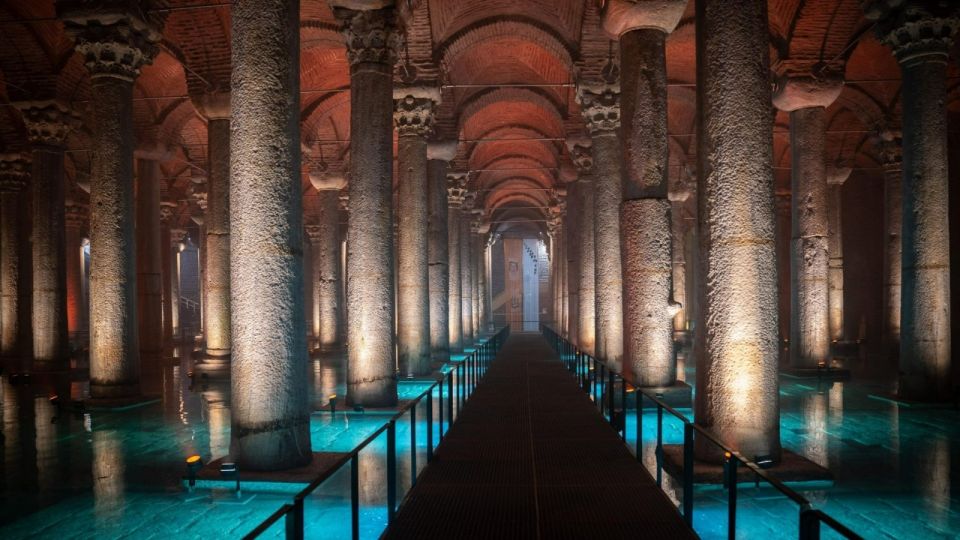
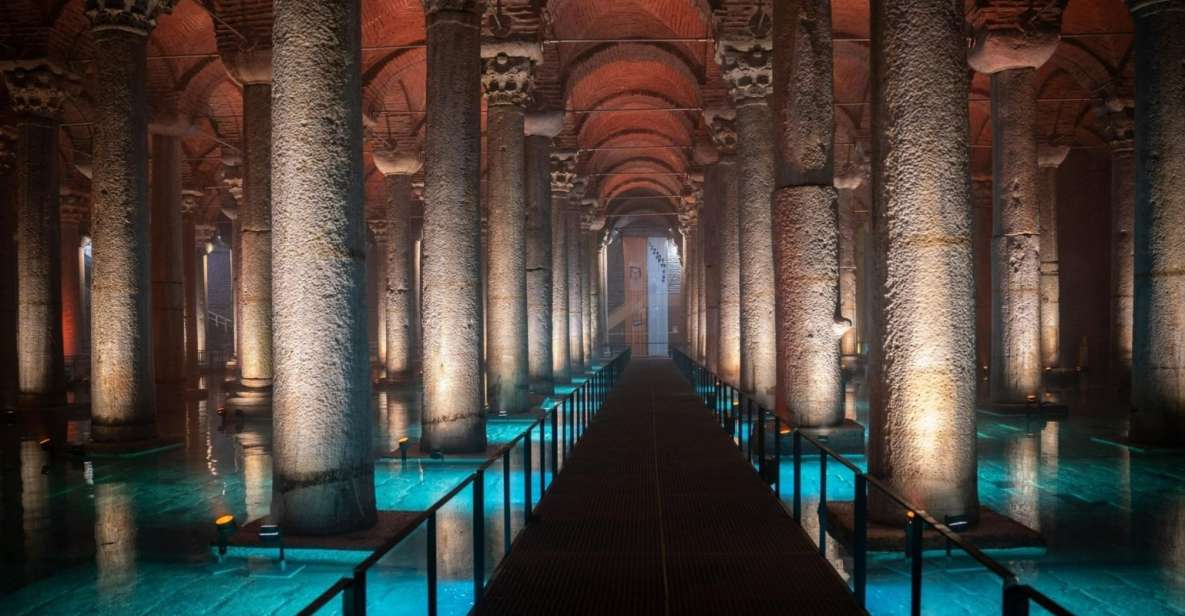
Istanbul’s Basilica Cistern is one of those places where the atmosphere does half the work for you. Even before you spot the famous statues, you’re stepping into a cavernous underground hall with dramatic lighting, long rows of stone columns, and that cool, damp hush that makes your footsteps sound louder than they should.
This tour keeps expectations realistic. You get quick access to the cistern and a short, practical guide explanation. It’s not trying to turn the visit into a half-day class. Instead, the goal is simple: help you notice the right details fast, then let you wander at your own pace while the place stays weird and wonderful.
If you love legends, you’ll likely enjoy how the guide frames the story. The cistern’s myth layer is part of the attraction here, especially around the Medusa heads—the kind of visual that’s much more striking once you know why people talk about it.
And if you care about logistics, you’ll appreciate the design: a skip-the-ticket-line setup that reduces the time you spend standing around in a crowded tourist zone.
You can also read our reviews of more guided tours in Istanbul



Meeting point near Hagia Sophia: finding the right guide
The meeting point is not complicated, but it does require one careful look. You meet with the guide in front of Busforus Sultanahmet (Old City). The stop is across from Hagia Sophia, and you’ll be able to spot it because it’s in the open near the old city bus area—many visitors use the red double-decker buses as a landmark.
Your guide will be holding a white flag with the Istanbul E-pass logo. That means you don’t have to guess which group is yours. Still, give yourself a small buffer to walk over and confirm the flag—Sultanahmet can look chaotic when crowds surge.
One more practical tip: I’d plan to arrive with your meeting spot already saved on your phone map or offline screenshot, because inside the cistern there’s no mobile signal or Wi‑Fi. Outside, networks can vary, but once you head underground you won’t be refreshing messages for directions.
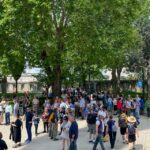
Also, if your day happens to coincide with a large public event nearby, the area around your meeting point can look busier and more crowded than usual. On at least one occasion, the meeting area was affected by a big rally with lots of flags and people. The lesson is just to show up calmly and confirm the flag before you start worrying.
Skip-the-line entry: why it’s worth paying for
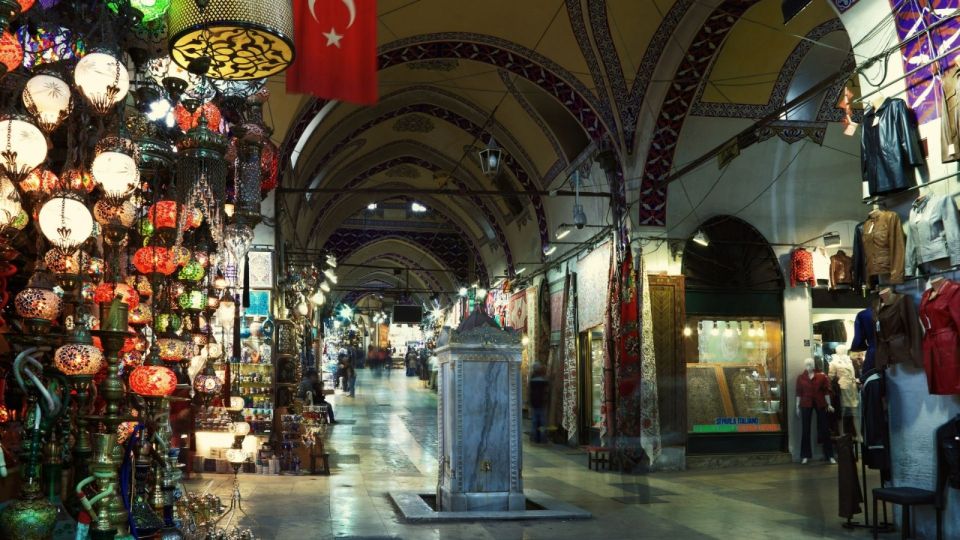
In Istanbul, lines can turn a short visit into a long delay. This is where the value comes in.
The tour includes skip-the-ticket-line, so you should be able to enter faster than people waiting at the standard queue. Several people described saving significant time—one mentioned saving at least 45 minutes compared with waiting outside. That time matters, because the Basilica Cistern is at its best when you get to see it without rushing your first impressions.
What you’re really buying is time control. With a faster entry, you can:
- spend more of your visit actually looking upward at the columns and paying attention to details
- avoid the feeling of being herded through a crowded arrival phase
- choose a calmer moment for photos
And because the guide intro is short, you’re not tied up in long group pacing. You get in, you get oriented, then you can move.
The 20-minute guided tour: Medusa heads and the stories that make it click
Your guided portion runs about 20 minutes (often experienced as roughly 15–20 minutes). The guide’s job is to give you a quick map of what matters so you don’t leave thinking you only saw a dark room full of pillars.
This is also where the tour earns its keep. A great guide helps you spot the points that make the Basilica Cistern memorable. People have specifically called out how guides guide you through the pillars and point out a few “surprises” along the way.
You’ll also hear myths and legends tied to the cistern. The biggest “wait, what?” moment is the Medusa heads. If you’ve only ever seen them in photos, seeing them in person can feel oddly more intense because of the lighting and the scale of the space. Your guide’s explanation adds context so the statues don’t feel random—you understand why they’re famous, and why people keep staring at them.
Guide styles vary, but the common praise is consistent: the talk is focused, the English is clear, and the guide gives you just enough to ask questions if you want. Several names came up for this kind of performance—Senay stood out for making the cistern’s history easy to follow, while Ibrahim and Engin were mentioned for keeping the group together and delivering the intro efficiently. Oguzhan was praised for being highly engaging and caring while sharing what to look for.
Group size can be fairly large (one group was described as around 30), but the pacing seems designed to prevent you from falling behind. The guide’s best moments tend to be the quick orientation: where to look first, what story element matters, and what to watch for once you go free-roaming.
Free time inside: how to use it well
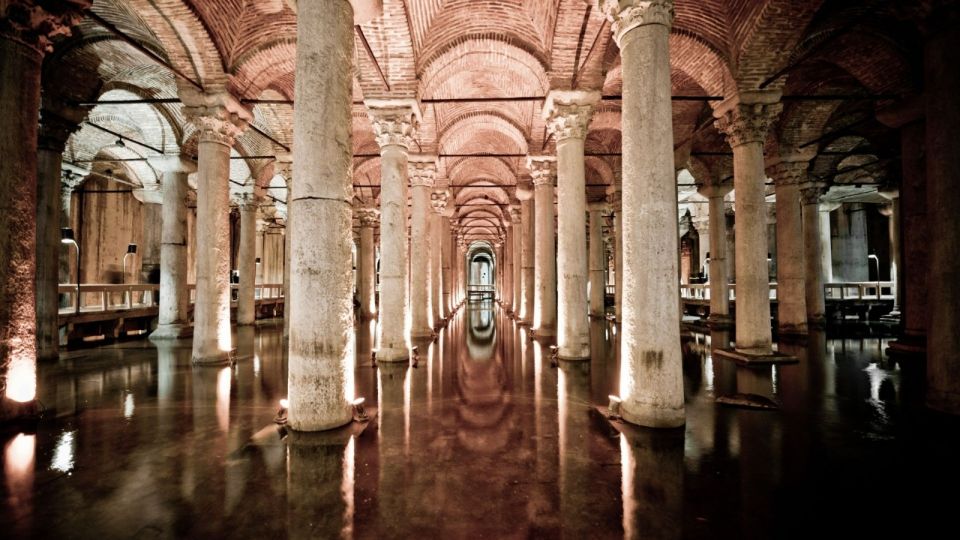
After the short guided intro, you’re free to wander. The tour specifically allows you to stay inside the Basilica Cistern for as long as you like, and that is a big deal because this site rewards slower looking.
Here’s how I’d use the free time:
- Walk in with intention, not speed. Take your first pass to see the full room and how the pillars frame the space.
- Then do a second slower pass focused on details. If the guide mentioned specific spots, go hunt them down with patience.
- If you’re chasing photos, plan your first shots quickly, then return for calmer angles once the initial crowd moves.
The cistern’s lighting and atmosphere are part of the experience. One person noted that the mood and lighting heighten the effect—so if you only rush in for a quick look, you might miss how the space changes as your eyes adjust.
One important photo rule: flash must be turned off inside. This is not optional. If you use your camera app with flash enabled by default, take a second before you start shooting so you don’t accidentally break the rule.
Also remember: there’s no mobile signal or Wi‑Fi inside. I’d avoid relying on your phone to search for what you should be looking at mid-visit. If you want extra context, read up before you go or accept that the guide’s quick intro is your main orientation.
You can also read our reviews of more tours and experiences in Istanbul


Logistics that matter: weather, bags, timing, and access
This tour runs rain or shine, so you should plan for wet weather if you’re visiting in Istanbul’s cooler seasons. You don’t need to panic, but bring something that keeps you comfortable while you walk around Sultanahmet.
There are also limits on what you can bring. Oversize luggage and large bags are not allowed. If you’re traveling with a bulky daypack or a suitcase, you may have to rethink what you carry into the cistern area. Keeping your bag small and manageable makes everything smoother.
On timing: people have suggested morning entry can be calmer. One note mentioned that a 9:00am start felt far less crowded. If you hate peak crowds, you’ll likely be happiest choosing an earlier slot when the day is still fresh and tour buses haven’t fully hit.
Accessibility is a plus. The activity is wheelchair accessible, which makes it easier to plan if you need step-free comfort. Still, the cistern is underground and stone-heavy, so moving slowly and carefully is always smart.
Price and value: is $54 for this short tour fair?
At $54 per person for roughly 20 minutes, the price can look a little steep if you judge it like a long sightseeing day. But it’s not really buying the cistern. The cistern is the same either way.
You’re paying for three things:
- Skip-the-ticket-line entry, which often saves you a chunk of waiting time.
- A live guide that gives context quickly, so you don’t miss the Medusa-head story and the key visual points.
- A structure that gets you inside efficiently, then gives you time to wander.
Several people directly said the tour was worth it because the guide intro is short but meaningful. Others framed it as a reasonable extra cost compared with Istanbul’s often high attraction pricing. One balanced comment also hinted that the guided info is not so deep you could skip reading, which is fair: this is an orientation, not a textbook.
So here’s the honest way to decide:
- If you want fast entry and a quick, useful narrative, you’ll likely feel the price is fair.
- If you’re the type who prefers to read everything yourself and enjoy a slower, self-guided pace from the start, you might feel you only needed a standard ticket.
Given how crowded Sultanahmet can be, the skip-the-line feature is usually what turns this into a good-value choice.
Who this tour suits best (and who might skip it)
This is a strong fit if you:
- want to see the Basilica Cistern but don’t want to lose time standing in queue
- like a quick historical story that points you toward the key sights
- prefer short guided time followed by independent wandering
- appreciate a guide that helps you know what to look for among the pillars and statues
It’s less ideal if you:
- expect a long, deep lecture-style tour
- hate group pacing at all, even when it’s short
- want to spend most of your visit learning from an in-depth script rather than noticing the space yourself
Also, if your visit lines up with unusually heavy crowds (like a day with lots of cruise visitors), your free time may feel more packed than you want. In those cases, the guide’s role shifts toward keeping you moving and hitting the key sights efficiently.
Should you book this Basilica Cistern tour?
I’d book it if your priorities are time and getting the most out of your photos and first look. The skip-the-line entry is the big win, and the short guided intro helps you understand what you’re looking at—especially around the Medusa heads—without eating up your whole day.
I’d skip or consider alternatives if you’re comfortable waiting in lines and you prefer self-guided learning. Also, if you need a longer guided explanation, this format may feel like it’s over before you’re fully ready.
If you do book, go early when you can, arrive a few minutes before meeting time to spot the Istanbul E-pass flag, and remember the cistern has no phone signal and no flash. Then you’ll have a smoother, calmer underground visit.
FAQ
How long is the Basilica Cistern guided tour?
The guided tour portion is listed as 20 minutes.
Does this tour include skip-the-line entry?
Yes. It includes skip-the-ticket-line entry to the Basilica Cistern.
Where do we meet the guide?
You meet in front of the Busforus Sultanahmet (Old City) Stop. The stop is across from Hagia Sophia, and the guide will hold a white flag with the Istanbul E-pass logo.
Is hotel pickup included?
No, hotel pickup and drop-off are not included.
What language is the guide speaking?
The live tour guide is provided in English.
Is the Basilica Cistern visit wheelchair accessible?
Yes, the activity is listed as wheelchair accessible.
Are there restrictions on luggage or bags?
Oversize luggage is not allowed, and luggage or large bags are not allowed.
Can I use my phone inside the cistern?
There is no mobile signal or Wi‑Fi inside the Basilica Cistern.
Is there anything special to know about photos?
Phone flash must be turned off inside the Basilica Cistern.