REVIEW · CRUISES & BOAT TOURS
Full Day Private Guided Istanbul Tour From Hotel or Cruise Ships
Book on Viator →Bookable on Viator
Istanbul in one day? You can. This private guided route is built to get you from major landmarks to local neighborhoods with a guide who can help you steer the day to what you care about most.
Two things I like right away: the easy pickup (central hotels or the port gate on foot) and the way the plan mixes big-ticket icons with stops that make the city feel real, from Ottoman architecture to Fener and Balat backstreets. Guides such as Kivanc and Kaya are specifically praised for being flexible with timing and requests, which matters when Istanbul traffic and crowds have their own ideas.
One thing to plan for: it’s a long, walking-focused day, and some entrances don’t have true skip-the-line shortcuts. Hagia Sophia is a good example, because you may still wait in ticket and security lines depending on conditions.
In This Review
- Key takeaways before you go
- German Fountain meetup: smooth start from hotels and cruise ports
- A 7 to 8 hour private day: pacing, walking, and customization
- Sultanahmet essentials: Blue Mosque across from Hagia Sophia
- Topkapi Palace: Ottoman power without the time-crunch
- Basilica Cistern: the underground world people miss
- Hippodrome monuments: Egypt, Delphi, and Constantine in one square
- Grand Bazaar and Spice Market: shopping that doesn’t feel like a trap
- Dolmabahçe Palace: European-style Ottoman residence on the Bosphorus
- Galata Tower: Genoese roots and a quick city-view payoff
- Bosphorus Bridge and the idea of a water break
- Taksim and İstiklal Caddesi: modern Istanbul between monuments
- Fener and Balat: the Golden Horn neighborhoods that feel like alleys of stories
- Balat and St. George: Jewish heritage and Greek Orthodox roots
- Iron Church in the Bulgarian Orthodox tradition
- Pierre Loti Tepesi and Halic: the romantic wind-down you’ll remember
- Price and value: what $67 buys you, and what you should budget extra
- Guide quality: why names like Kivanc, Kaya, and Huseyin matter
- Who should book this private Istanbul day?
- Final call: should you book it?
- FAQ
- FAQ
- How long is the full day private Istanbul tour?
- Is pickup included, and where does the tour start?
- Can I join if I’m on a cruise ship?
- Is the tour offered in English?
- Are museum and monument admission tickets included?
- Does the guide help with skipping lines?
- Is this a walking tour?
- Which attractions are closed on certain days?
- What should I wear for visits to mosques?
Key takeaways before you go
- Private, one-group day: only your party with a local guide, so you’re not stuck matching other peoples’ pace.
- Pickup from central areas: meet near the German Fountain or at your cruise gate, then go from there on foot.
- Sultanahmet hits first: Blue Mosque, Hagia Sophia, Topkapi Palace, Hippodrome, and Basilica Cistern in one sweep.
- Markets + viewpoints + neighborhoods: Grand Bazaar, Spice Bazaar, Galata Tower, Taksim/İstiklal, and the Fener/Balat area.
- Mosque and queue reality check: dress rules apply, and at Hagia Sophia you may still queue.
- Guide quality can swing the experience: most guides shine, but I’d still choose your priorities and communicate them early.
German Fountain meetup: smooth start from hotels and cruise ports
This tour is designed for real-life meetups. The main starting point is the German Fountain area near At Meydanı Cd in Fatih, and cruise passengers meet at the port gate on foot.
If you’re staying somewhere central, pickup is handled on foot by your guide. If your hotel is farther out, you might face an extra charge, and that’s worth checking before you book so you’re not surprised later.
You can also read our reviews of more boat tours in Istanbul

A 7 to 8 hour private day: pacing, walking, and customization
Expect a long day, roughly 7 to 8 hours, built around walking and short visits. It’s private, so your guide can adjust the flow if you want more time for photos, less time for indoor spaces, or a quick stop to regroup.
The tour is also offered in English. Most travelers can participate, but since you’ll be moving a lot and visiting religious sites, come ready for steady steps, not a sit-down museum marathon.
Sultanahmet essentials: Blue Mosque across from Hagia Sophia

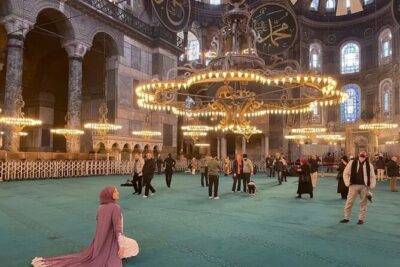
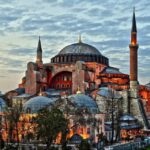
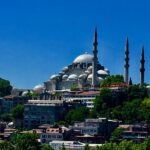
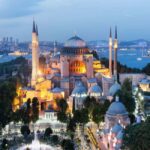
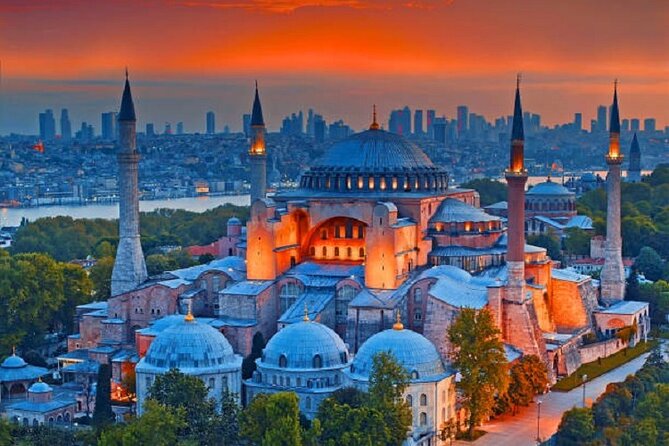
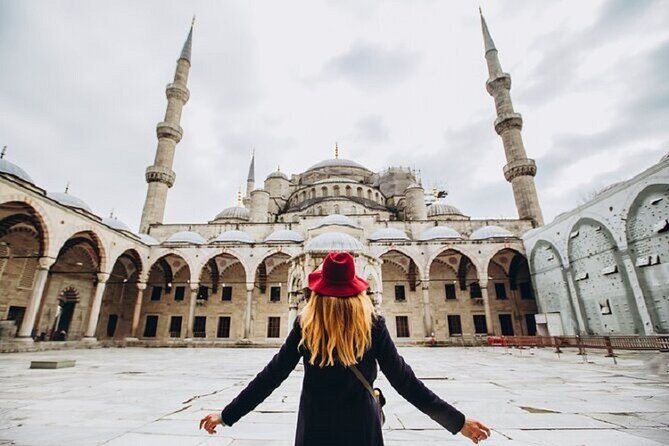
Sultanahmet is where Istanbul goes cinematic. You’ll spend time at the Blue Mosque (Sultanahmet Camii) and Hagia Sophia in the same core area, with the buildings facing each other across the neighborhood streets.
For Hagia Sophia, plan for a site that has worn multiple identities over time. It served as a Byzantine cathedral, then became an important mosque after 1453, and today it’s visited as a mosque. Big interior moments tend to mean crowd time, and while the guide can help, you should still expect that lines for tickets and security may happen.
The Blue Mosque is famous for its handmade İznik tiles in blue-and-floral patterns and its look with six minarets. It’s the kind of stop where your photos look good even if you’re walking fast, mostly because the whole building is a visual anchor.
Practical mosque tip: bring or plan to use a scarf at the entrance, and remember shoulders and knees are covered expectations for women. If you’re wearing something like leggings or skirts, you’ll still be asked to cover appropriately with whatever is provided at the entrance.
Topkapi Palace: Ottoman power without the time-crunch
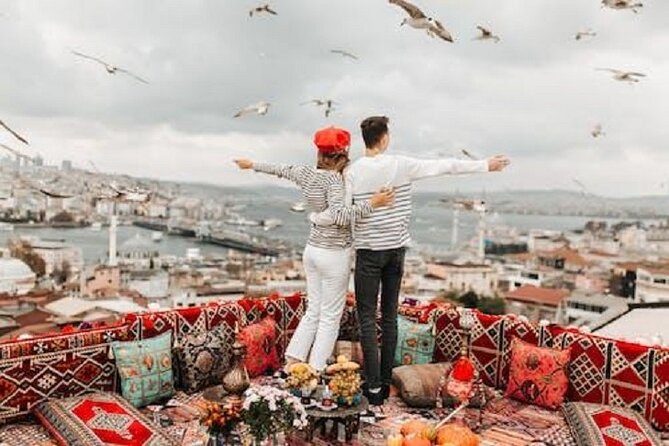
Topkapi Palace is the Ottoman administrative home and the setting for royal life and education, including the Harem and the Enderun educational center for roughly four centuries. Even with a shorter time slot, it’s worth having a guide because you’ll understand what you’re seeing in the courtyards instead of just wandering.
This stop typically lasts around 30 minutes, and admission is not included. That means you should be ready for a “high-impact, don’t-get-lost” visit rather than a slow, hour-by-hour palace deep dive.
If you hate rushing, tell your guide early. A private format helps here: you can usually shift minutes between palace courtyards and exterior viewpoints depending on what you care about more.
Basilica Cistern: the underground world people miss
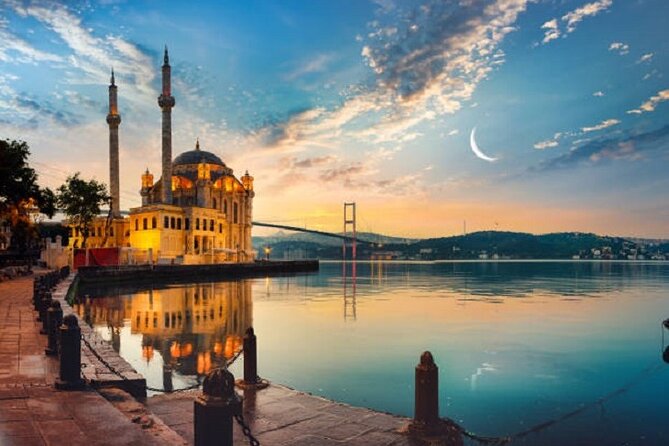
Basilica Cistern feels like stepping into a secret level of the city. It’s the largest and best-excavated cistern open to visitors, designed to hold about 80,000 cubic meters of water.
The site is also a favorite filming location, including scenes tied to movies like James Bond and Dan Brown’s Inferno. Your time here is usually around 30 minutes, which is enough to understand the layout and feel the scale without turning it into a slog.
As with other indoor sights, admission is not included. If you’re sensitive to damp-cool spaces, bring a light layer; the cistern tends to feel cooler than the street above.
You can also read our reviews of more guided tours in Istanbul




Hippodrome monuments: Egypt, Delphi, and Constantine in one square
Next comes an easier stop that still pays off with history cues you can actually spot. The Hippodrome covers three key monuments in the central area, and you’ll see them clustered enough to compare details without long travel.
You’ll encounter the Egyptian Obelisk, which arrived in Istanbul by boat centuries after its original placement in Egypt. You’ll also see the Serpent’s Column, which originally belonged to Delphi and later moved to Istanbul; one snake head is gone, and another is referenced as housed elsewhere.
The Column of Constantine has its own story too, tied to later metal coverings and what the Crusaders reportedly did to the bronze and silver. This is a “look, learn, and move on” stop that keeps your day from turning into only indoor waiting lines.
Grand Bazaar and Spice Market: shopping that doesn’t feel like a trap
You get two different market vibes here, and that’s why it works.
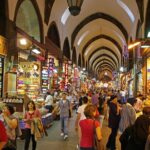
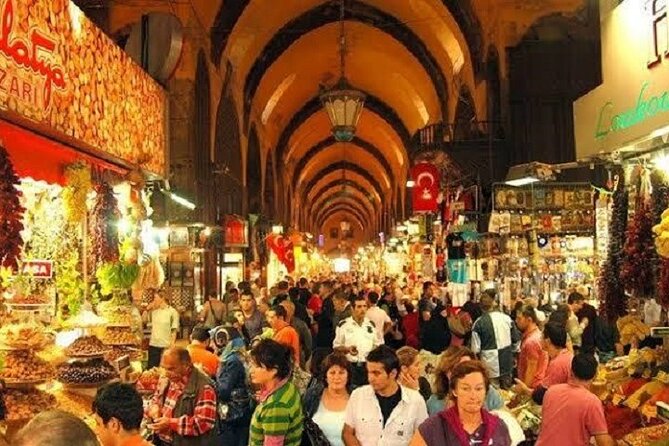
Grand Bazaar is a covered market built in 1461, and it’s known for an Ottoman-era feel that still reads like a market rather than a mall. It’s organized by specialties, so different streets align to different goods—helpful if you want a route that makes sense while you wander.
Grand Bazaar is closed on Sundays. If your day lands on Sunday, ask your guide how they’ll reshape your timing.
Spice Market, also called Misir Carsisi or Egyptian Bazaar, sits behind the New Mosque in Eminonu Square. It was built as part of that mosque complex and is connected to the idea of spices imported from Egypt, plus it was originally funded through taxes on those goods.
The Spice Market stop runs about 25 minutes, so it’s ideal for quick sensory sampling: smells, texture, and colorful stalls—no need to “buy everything” to enjoy it.
Dolmabahçe Palace: European-style Ottoman residence on the Bosphorus
Dolmabahçe Palace brings the day onto a grand European-influenced stage. It sits along the southern shore by the Bosphorus in the Beşiktaş area and served as a residence for the last six Ottoman Sultans.
It’s known for a design mix influenced by Baroque, Rococo, and Neoclassical styles. That European touch is exactly why this stop breaks up the older-feeling Ottoman core of Sultanahmet without feeling random.
Your visit is about 1 hour, and admission is not included. It’s closed on Mondays, so if your trip hits Monday, the guide will need to adjust your plan.
Galata Tower: Genoese roots and a quick city-view payoff
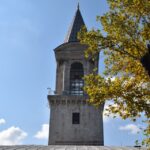
Galata Tower is the standout structure left from the Genoese colony period in Istanbul. It was first built in the 14th century and stands by the Galata Walls near the entrance to the Golden Horn.
The area around it also shifts the feel of your day. Approaching the tower through smaller streets with brick walkways, boutiques, and cafés creates a more European-leaning atmosphere compared to the older imperial core.
This stop is about 30 minutes, and admission is not included. Even if you don’t go inside, the outside setting gives you a readable “where am I in Istanbul” moment, because the tower is such a clear landmark over the Golden Horn.
Bosphorus Bridge and the idea of a water break
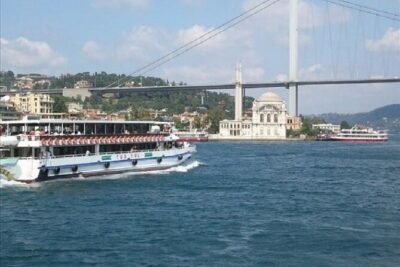
A Bosphorus water experience is built into this day. The plan frames it as a cruise-style segment where you can spot landmarks and mansions from both the European and Asian sides of Istanbul.
That said, admission is marked not included, so you should assume you’ll pay for any boat ticket separately if you want to take it. This matters for budget because the Bosphorus is one of those experiences that people either prioritize or skip.
If you tend to get motion sick, plan ahead and tell your guide before you reach the water segment.
Taksim and İstiklal Caddesi: modern Istanbul between monuments
After the monumental part of the day, you’ll hit the modern pulse.
Taksim Square is positioned as a key city area, historically connected to water distribution to neighborhoods. Today it’s also a movement hub with markets around it and the energy that comes from a constant flow of people along Istiklal Street.
Istiklal Caddesi runs from Taksim toward Karaköy, and you’ll pass along a street that’s shaped by older transit too, including an old tram line that runs through the area.
These stops are short, basically time to see the mix of old and new without forcing a full day in shopping streets. They’re also useful as a reset point if you need a break from heavier historical sights.
Fener and Balat: the Golden Horn neighborhoods that feel like alleys of stories
This is where Istanbul stops feeling like a checklist and starts feeling like real neighborhoods.
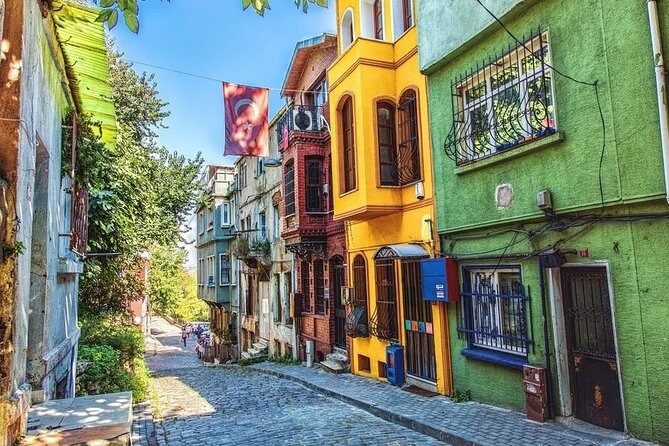
Fener and Balat are tied to UNESCO heritage and offer a maze of cobblestone lanes up and down. You’ll see colorful Ottoman houses, religious buildings, small local crafts, and restored spaces that help the area keep its lived-in feel.
This portion is full of brief stops—around 10 minutes each—so it’s not about long museum-style visits. It’s about orientation: you’ll learn what to look for while your guide explains how the districts developed.
Balat and St. George: Jewish heritage and Greek Orthodox roots
Balat sits next to Fener and has its own distinct vibe, with colorful cafés and restaurants plus vintage shops. The area is closely tied to Jewish heritage, including a history shaped by Sephardic settlement after exile from Spain, and it’s also associated with Byzantine-era layers.
You also spend time around the Greek Orthodox Patriarchate in the Fener area and the Patriarchal Church of St. George. The Patriarchate is described as the mother-church for 300 million people worldwide, and the church complex is noted as having held its center in Istanbul for over seventeen centuries.
There’s also St. George as a major church connected to the patriarchal offices since the late 1500s. If churches and religious architecture are your thing, this block is a strong payoff even with short time windows.
Iron Church in the Bulgarian Orthodox tradition
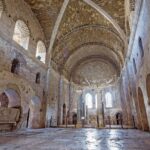
In the same neighborhood zone, you’ll also find the Bulgarian Orthodox Church of Saint Stephen, locally known as the Iron Church. It’s described as built using iron and steel, and it includes interior decoration and an icon wall.
This stop is marked around 10 minutes, so it’s best treated as a quick “see the difference” stop. You’ll get a contrast from stone-and-stucco styles you may have seen earlier, and the interior icon detail can be a memorable mini-moment if you allow yourself to look.
Pierre Loti Tepesi and Halic: the romantic wind-down you’ll remember
As the day closes, you get scenery and atmosphere.
Pierre Loti Tepesi sits in the Eyüp district. It’s linked to French writer Julien Viaud, who settled in Istanbul in 1876 and used to visit a coffee house there to write novels. The hill is known for a romantic, unique atmosphere, and even a short stop can feel like a reward after a day of crowds.
Finally, you’ll reach Halic, tied to the Golden Horn. Historically it was a trading harbor and residential area, with a chain once blocking unwanted ships from entering. During the Ottoman period, it’s described as home to Jewish immigrants from Spain, creating a mix of communities—Armenians, Greeks, Gypsies, and Turks along the shores.
These last stops are short (around 10 minutes each), but they’re the right kind of ending: a reminder that Istanbul isn’t only stone monuments. It’s also water, neighborhoods, and everyday city life.
Price and value: what $67 buys you, and what you should budget extra
At $67 per person for a private guided day, this tour can be good value—especially if you’re trying to hit multiple top sights without arranging everything on your own. Pickup is included, and it’s built around a professional local guide.
Still, admissions are not included. That matters because some of the biggest ticket items in the plan include Topkapi Palace, Hagia Sophia, Basilica Cistern, Dolmabahçe Palace, and Galata Tower, plus any Bosphorus cruise ticket if you choose that water segment.
On the “waiting time” side, the tour notes skip-the-ticket-line support with the official tour guide, but Hagia Sophia is a special case where skip priority isn’t guaranteed and you may still wait in ticket and security lines. So yes, you can save time, but you can’t eliminate queues completely.
Given it’s booked an average of 62 days in advance and has a strong rating (4.5 out of 5, with 91% recommended), it’s popular for a reason. Just go in with realistic expectations: this is a packed day, not a slow gallery walk.
Guide quality: why names like Kivanc, Kaya, and Huseyin matter
In Istanbul, the guide isn’t a background detail. A good one changes how you experience crowds, routes, and indoor time.
Kivanc is specifically praised for making an all-day rain situation feel manageable, with solid history context and help navigating the city. Kaya is praised for flexibility and good communication. Huseyin is praised for convenient movement between stops and a strong day flow.
Then there’s the cautionary note: one guide named Atilla had a poor experience reported by a group, and the company response said he wasn’t employed anymore afterward. That doesn’t mean every booking is risky, but it does underline a truth: you should plan to communicate your interests early and be ready to adjust if something feels off on the day.
Who should book this private Istanbul day?
This tour fits best if you:
- Want a first-time Istanbul overview that doesn’t skip the big icons.
- Prefer a private guide who can help steer timing and priorities.
- Like a mix of imperial landmarks, markets, and real neighborhoods like Fener and Balat.
- Are short on time and want pickup from hotels or the cruise port gate.
It’s less ideal if you:
- Want minimal walking or lots of long museum time.
- Hate mosques and dress expectations.
- Need a quiet, slow pace with few crowds.
Final call: should you book it?
If you want a one-day Istanbul plan that blends Sultanahmet classics with market energy and neighborhood texture, this is a strong candidate. The private format helps, and guide flexibility is a real advantage when crowds or weather change plans.
Book it if you’re willing to handle a walking-heavy schedule and you’re okay paying admission fees for key indoor stops. I’d also pick your top 3 priorities before the day starts—then you’ll get the best value from a guide who’s actually able to adjust the order and pacing.
FAQ
FAQ
How long is the full day private Istanbul tour?
It lasts about 7 to 8 hours.
Is pickup included, and where does the tour start?
Pickup is offered from central hotels on foot. The meeting point is the German Fountain in Binbirdirek, near At Meydanı Cd, Fatih.
Can I join if I’m on a cruise ship?
Yes. If you book from a cruise ship, your guide meets you at the gate of the port on foot, and you’ll need to provide ship name and docking, disembarkation, and re-boarding times.
Is the tour offered in English?
Yes, it’s offered in English.
Are museum and monument admission tickets included?
No. Admission fees of museums are not included, and some sites also note admission tickets are not included.
Does the guide help with skipping lines?
The tour notes skip the ticket line with the official tour guide, but for Hagia Sophia the guide does not have skip-the-line priority, so you may still wait in ticket and security lines.
Is this a walking tour?
Yes. It’s a walking tour, with pickup provided and stops around the historic and city areas.
Which attractions are closed on certain days?
Dolmabahçe Palace is closed on Mondays, Topkapi Palace is closed on Tuesdays, and Grand Bazaar is closed on Sundays.
What should I wear for visits to mosques?
Women need to cover heads, shoulders, and knees; scarves are provided at the entrance (available at a charge). Men need to cover knees if shorts or bermudas are above the knee.