REVIEW · BOSPHORUS SIGHTSEEING CRUISES
Bosphorus Daytime or Sunset Sightseeing Cruise & Audio Guide
Book on Viator →Operated by Mega Lüfer Yachts | Bosphorus Dinner Cruise İstanbul | Bosphorus Daytime and Sunset Cruise · Bookable on Viator
Two hours, and Istanbul hits fast. For $9, this Bosphorus cruise from Mega Lüfer Yachts pairs a live English guide with a phone audio app, so you can match what you see to what it means.
I love the way the route turns famous waterfront landmarks into photo-friendly moments: Dolmabahçe Palace, Ortaköy Mosque, the big suspension bridges, and Maiden’s Tower all line up along the water. I also like the practical extras for the price, like coffee/tea, soda/pop, bottled water, and onboard Wi‑Fi to keep things easy while you float.
My main caution is sound-and-crowd reality. Even with an audio guide, you may find it harder to hear during busy periods, and seating choice affects both views and how well you catch the commentary.
In This Review
- Key highlights to know before you go
- Why This $9 Bosphorus Cruise Works When You’re Short on Time
- Getting Onboard: Seating, Sound, and When to Arrive
- Dolmabahçe Mosque and Palace: Classic Ottoman Glam With Water-Level Views
- Çırağan Palace: The Showy One Turned Hotel
- Ortaköy Mosque to the Bosphorus Bridge: The Waterfront Photo Row
- Rumeli Fortress and Anadolu Hisarı: When the Bosphorus Was a Battleground
- Fatih Sultan Mehmet Bridge: The Modern Link Over a Historic Strait
- Küçüksu Pavilion and Beylerbeyi Palace: Asian Side Royal Retreats
- Maiden’s Tower: The Myth, the Photo, the Final Impression
- What You Actually Get for the Money
- Should You Book This Bosphorus Cruise?
- FAQ
- How long is the Bosphorus daytime or sunset cruise?
- What’s included with the ticket?
- Are alcoholic drinks included?
- What languages are available for the audio guide?
- Where does the tour start?
- Is free cancellation available?
Key highlights to know before you go
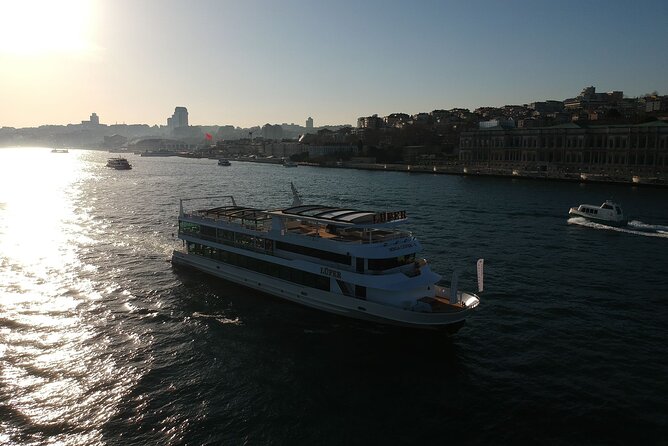
- Live English guide + mobile audio app: you get both narration and a phone-based guide in multiple languages
- Ottoman-to-modern skyline loop: palaces, mosques, forts, and two major bridges
- Photo stops are built into the route: camera time for Dolmabahçe, Ortaköy, Rumeli/Anadolu Hisarı, and Maiden’s Tower
- Value is the point: drinks plus Wi‑Fi for a very low ticket price
- Seating matters: being mid-deck or choosing the left side can help you hear better
- Crowds can spike on weekends/sunset: expect deck hustle when the light is good
Why This $9 Bosphorus Cruise Works When You’re Short on Time
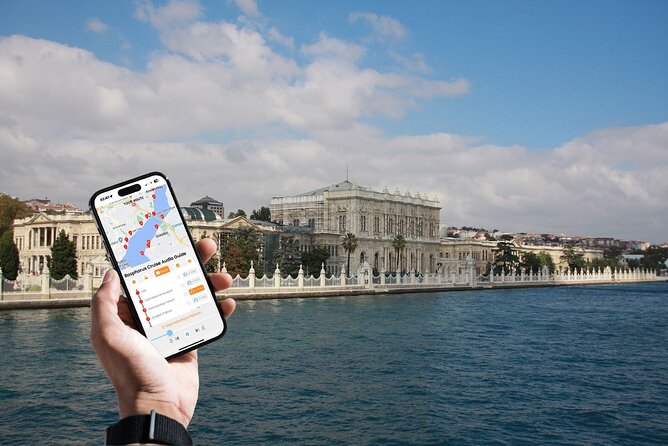
If Istanbul feels like a to-do list, this kind of cruise is your pressure valve. You’re on the water for about 2 hours, and in that time you pass a stack of landmarks that would take you a whole day to piece together on foot and by taxi.
The best thing here is the value. For the ticket price, you’re not just paying for scenery—you’re paying for context. You get a live English guide, plus a mobile audio guide app (9 languages listed), so you’re not stuck staring at landmarks wondering what you’re looking at. On top of that, the cruise includes practical onboard comforts: Wi‑Fi, bottled water, and coffee/tea plus soda/pop.
It’s also a good “second-day” activity. If you’re already walking around European and Asian neighborhoods, this lets you see the Bosphorus corridor as one connected story—bridges, forts, and imperial palaces all in the same view line.
You can also read our reviews of more boat tours in Istanbul
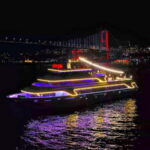
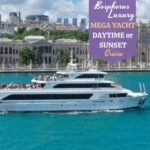
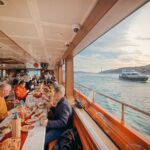
Getting Onboard: Seating, Sound, and When to Arrive
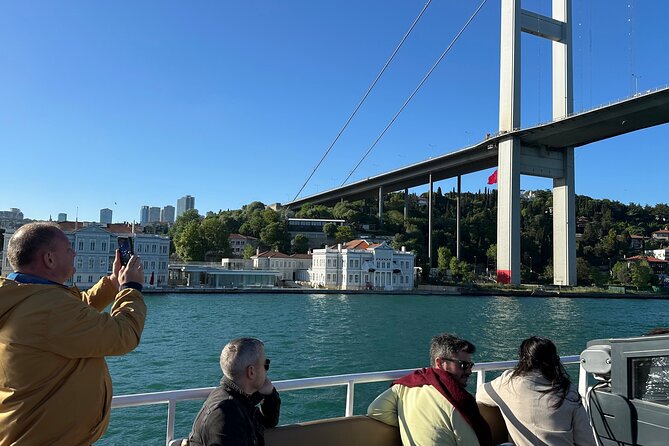
This cruise is run by Mega Lüfer Yachts, and it starts at Ömer Avni, Meclis-i Mebusan Cd. No:34, 34427 Beyoğlu (the Mega Lüfer Yachts meeting point). It ends back where you board.
Here’s what you should plan for:
- Arrive early so you can settle before the deck gets packed.
- Choose your spot with your goal in mind. If you want photos, pick a place with a clear waterfront view. If you want the narration, being around the middle can help you hear the guide more clearly than spots that are too far back.
- If you’re doing sunset, expect it to be busier. On crowded departures, the guide can be harder to catch over onboard noise, and audio timing can feel slightly behind what you’re seeing.
Also note the boat setup can change. Some departures may feel more crowded than you expect on certain decks, and it can get chilly depending on wind. Bring something light you can layer.
Dolmabahçe Mosque and Palace: Classic Ottoman Glam With Water-Level Views
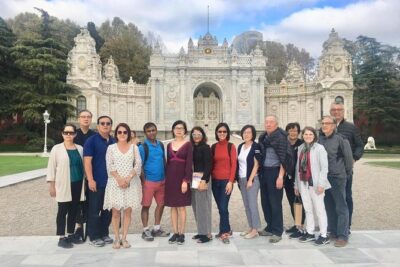
The cruise starts by treating you to the Dolmabahçe shoreline right away, with two big anchors: Dolmabahçe Mosque and Dolmabahçe Palace.
Dolmabahçe Mosque is an Ottoman masterpiece commissioned by Sultan Abdülmecid in 1855. What makes it work from the boat is the geometry: minarets, a grand dome, and the palace complex behind it. You’ll get a clean view from the water without the street-level traffic and angles that can get messy when you’re photographing on land.
Right after, the boat glides past Dolmabahçe Palace, the late Ottoman Empire’s administrative center. This is where you’ll see the mix of styles that makes the palace feel a bit European in shape while still unmistakably Ottoman in presence. One detail that’s especially eye-catching from the water: the palace is known for the world’s largest Bohemian crystal chandelier. You won’t read it from a brochure on the boat, but you’ll understand the scale as the exterior slides by.
One drawback to be aware of: you may not get long “standstill” time at each landmark. This cruise is about passing and photographing, not about lingering. If you’re the kind of traveler who wants to stare and read every inscription, pair this with at least one on-land visit later.
Çırağan Palace: The Showy One Turned Hotel
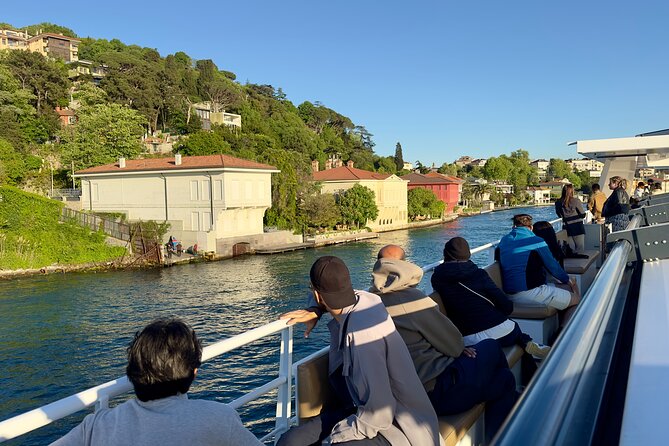
Next up is Çırağan Palace, another mid-19th-century Ottoman grand residence. From the water, it’s all about the marble façade and the terraces that look out over the Bosphorus.
What makes this stop interesting isn’t just the architecture—it’s the transformation. The palace is now a luxury hotel, and the boat’s audio helps connect the dots between its royal past and its present-day role. Even if you don’t plan to stay here, it’s a strong moment for understanding how Istanbul repurposes big imperial buildings instead of letting them disappear.
From a photos perspective, this is one of those moments where being on the right side of the boat can help. If you’re serious about photos, arrive early and get a vantage point before everyone crowds in.
Ortaköy Mosque to the Bosphorus Bridge: The Waterfront Photo Row
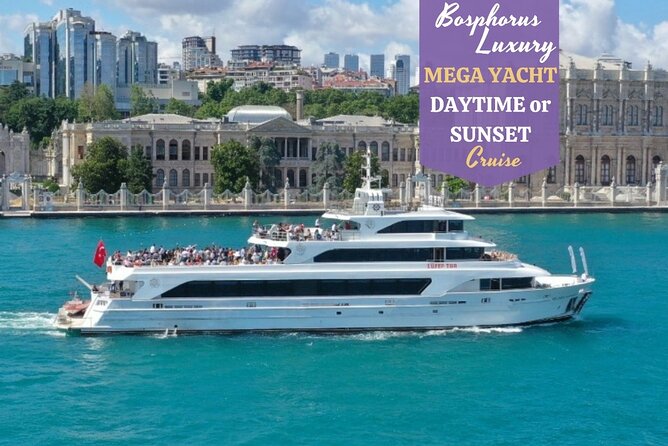
After the palaces, the cruise moves toward a very photogenic cluster: Ortaköy Mosque and then the Bosphorus Bridge.
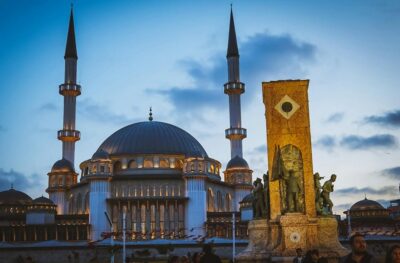
Ortaköy Mosque (officially Büyük Mecidiye Camii) is described as Neo-Baroque, which already tells you it doesn’t look like the typical “first mental image” of a mosque dome-and-minaret skyline. From the water, the details of the façade are easier to see than you might expect from street level. The audio helps tie the visual to its historical context, so you’re not just taking a pretty picture—you’re understanding why it’s there.
Then comes the Bosphorus Bridge, the suspension bridge linking Europe and Asia. This is your modern engineering contrast to the Ottoman waterfronts you’ve been seeing. It’s a vital connection for Istanbul’s daily life, and it also gives you a wide panoramic view if you shift your camera angle as the boat approaches.
Tip for smoother photos: keep your camera ready and work in short bursts. This cruise moves steadily, so if you wait for the perfect angle every time, you’ll miss other good frames.
You can also read our reviews of more guided tours in Istanbul


Rumeli Fortress and Anadolu Hisarı: When the Bosphorus Was a Battleground
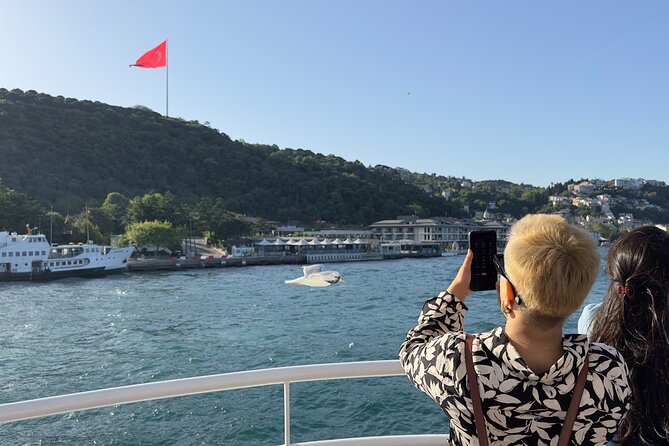
Now you get into the heavy hitters: forts and defense lines.
Rumeli Fortress appears as the boat heads along the European side. This Ottoman fortification was constructed under Sultan Mehmed the Conqueror and is tied to the era around the conquest of Constantinople. The practical photo advantage here is the structure’s mass—its walls and towers read clearly from the water, even if you’re not zoomed in.
Then you cross the story to Anadolu Hisarı on the Asian side. This medieval fortress dates to the 14th century, built by the Ottomans, and it’s a reminder that the Bosphorus wasn’t only a royal corridor—it was a strategic choke point through the ages. With the Asian shoreline greenery in the background (you’ll see the contrast between rugged stone and softer vegetation), it frames well for skyline-and-structure shots.
These fort stops are also where you’ll feel the audio guide’s usefulness most. From water level, it can be hard to picture military intent. The commentary gives you the “why” behind the stonework.
Fatih Sultan Mehmet Bridge: The Modern Link Over a Historic Strait
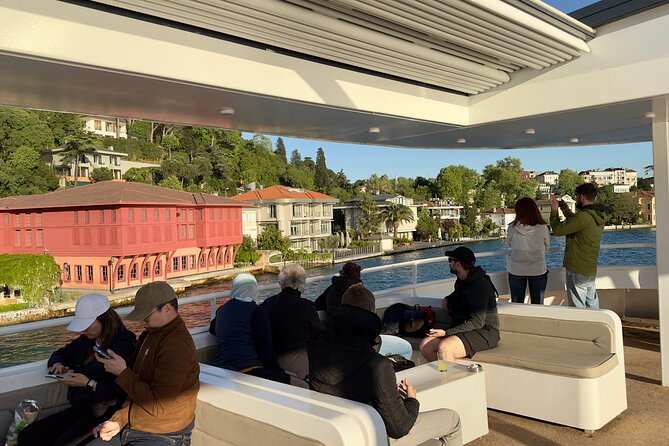
Between fortress views, you’ll pass under the Fatih Sultan Mehmet Bridge, sometimes referred to as the Second Bosphorus Bridge. This is Istanbul’s modern connection at scale—another suspension bridge, another major engineering statement.
The audio focuses on the bridge’s construction and its role in connecting Europe and Asia. Even if you’re not an engineering nerd, it helps to think of the Bosphorus as a moving timeline: fortifications for control in earlier centuries, then bridges for movement in modern ones.
If your goal is photography, the best approach is to switch between:
- a wide shot (bridge + skyline)
- a tighter shot (bridge lines and towers)
The boat motion makes it easy to catch the bridge at a few different angles.
Küçüksu Pavilion and Beylerbeyi Palace: Asian Side Royal Retreats
As the cruise continues along the Asian shore, you’ll see two palatial highlights: Küçüksu Pavilion and Beylerbeyi Palace.
Küçüksu Pavilion is described as a charming 19th-century Ottoman summer palace, known for imperial luxury in an elegant, smaller scale than the grandest palaces. It’s also noted for appearing in historical films, which gives you a fun mental hook: you’re not only looking at architecture—you’re looking at something that’s been used as screen scenery because it feels so period-authentic.
Next is Beylerbeyi Palace, another major 19th-century residence. The audio frames it as both a summer home for Ottoman sultans and a guest house for visiting dignitaries. From the water, you’ll likely notice the palace’s stonework and garden setting as a complete composition, not just a single building façade.
These stops are less about dramatic action and more about atmosphere. If you like the idea of seeing “everyday grandeur,” this is where you’ll feel it.
Maiden’s Tower: The Myth, the Photo, the Final Impression
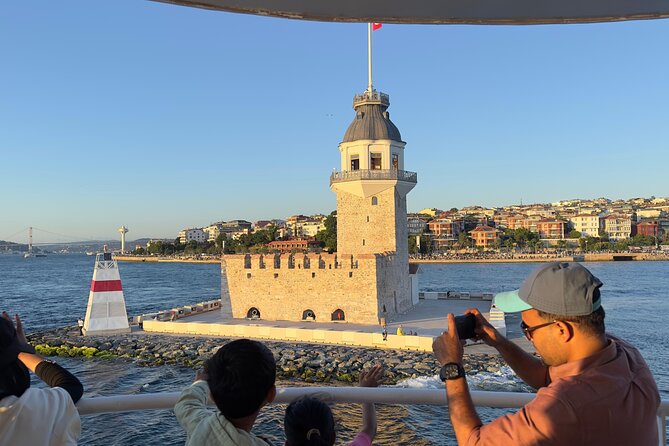
At the southern entrance of the Bosphorus, you’ll pass Maiden’s Tower—one of Istanbul’s most photographed landmarks.
What makes it special here isn’t only the silhouette. The commentary includes the legends tied to princesses and tragic love, and it also explains the tower’s changing uses over the centuries. Today, it’s also known as a café and restaurant, which helps explain why it keeps pulling attention even for visitors who don’t go deep on mythology.
Photo-wise, Maiden’s Tower is a strong finish. The boat gives you a view from the water where the tower feels like a separate “character” against the wider city line.
What You Actually Get for the Money
Let’s talk value in plain terms. This cruise is priced around $9 per person and runs for about 2 hours. That’s the kind of budget that makes most people think: “Okay, but what’s missing?”
Here’s what you do get:
- Coffee and/or tea
- Soda/pop and bottled water
- Wi‑Fi onboard
- A mobile audio guide app in 9 languages
- A live guide in English
- Mobile ticket
So you’re not just buying transportation—you’re buying narration and comfort. And the itinerary packs in a lot of major waterfront sights without asking you to hop between several neighborhoods on your own.
What might be missing for some people is the “quiet, uncrowded, always-a-clear-view” part. Reviews show that crowding can make sound harder, and seating assignment can impact whether you get the best angles. If your ideal cruise is peaceful and low-noise, you may want to consider a daytime departure or be extra picky about where you sit.
Also, alcohol is handled with age rules. Alcoholic drinks are served only to travelers 21 and older, while minors are served non-alcoholic drinks.
Should You Book This Bosphorus Cruise?
I’d book it if you:
- want the big-name Bosphorus sights in a short time
- like having a live English guide plus a phone audio fallback
- care more about views and context than deep museum-style stops
- are traveling on a tight budget and still want a “wow” factor
I might skip or rethink it if you:
- hate crowds and loud decks, especially at sunset
- need crystal-clear audio the entire time (seating and crowd noise can affect what you hear)
- want a long, slow pace with lots of on-land time
My practical advice: if you do book, prioritize where you sit. Aim for a mid-deck spot for better hearing, and try for the left side if you want a strong photo rhythm. And bring a light layer, because wind off the water is real even when the sun feels warm.
FAQ
How long is the Bosphorus daytime or sunset cruise?
It’s approximately 2 hours.
What’s included with the ticket?
The ticket includes soda/pop, bottled water, coffee and/or tea, Wi‑Fi, and a mobile audio guide app (9 languages) plus a live guide in English.
Are alcoholic drinks included?
Alcoholic drinks are served only to travelers 21 and older. Minors get non-alcoholic drinks.
What languages are available for the audio guide?
The mobile audio guide app is listed as available in 9 languages.
Where does the tour start?
The meeting point is Mega Lüfer Yachts | Bosphorus Dinner Cruise İstanbul | Sunset & Daytime Tours, at Ömer Avni, Meclis-i Mebusan Cd. No:34, 34427 Beyoğlu/Istanbul.
Is free cancellation available?
Yes. You can cancel for a full refund up to 24 hours in advance.