REVIEW · BASILICA CISTERN TICKETS
Blue Mosque, Hagia Sophia & Basilica Cistern, Hipodrom Tour
Book on GetYourGuide →Operated by Aussie Tours Travel Agency · Bookable on GetYourGuide
Four sites, one Istanbul story.
This guided loop helps you connect Hagia Sophia and the Blue Mosque to the city’s big turning points, from Byzantine rule to Ottoman mosque life. I like that the guide keeps the history readable (and practical), and that the included headsets help you catch details without fighting for position. One thing to plan for: the base price does not include major site tickets, so your total cost will be higher once you add Hagia Sophia and Basilica Cistern entry.
You’ll also get a guided stop around the Hipodrom area and time in the atmospheric Basilica Cistern below ground. Expect a compact 1–3 hour outing with an English-speaking guide, modest dress expectations, and a few rules that can affect what you see at certain times (especially around prayer hours).
In This Review
- Key things that make this tour work
- Hagia Sophia: From Justinian’s Cathedral to a Live Mosque
- Blue Mosque: Blue Tiles, Six Minarets, and Prayer-Time Reality
- Basilica Cistern: The Underground Room That Feels Like a Secret
- Hipodrom Tour: A Short Stop With Big City Context
- Headsets and a Clear Pace: Why the Tour Feels Easier Than It Looks
- Price and Logistics: The Real Cost Behind the $15
- Dress Code and Photo Rules: Avoid the Common Headaches
- Who This Tour Fits Best (And Who Should Rethink It)
- Should You Book This Blue Mosque, Hagia Sophia, Cistern and Hipodrom Tour?
- FAQ
- FAQ
- How long is the Blue Mosque, Hagia Sophia, Basilica Cistern, and Hipodrom tour?
- What is included in the tour price?
- Are tickets included for Hagia Sophia and the Basilica Cistern?
- Do I get skip-the-line entry to the Blue Mosque?
- Do I need a head covering or scarf?
- What are the dress code rules?
- Can I take photos with flash?
- Is the tour suitable for wheelchair users or mobility impairments?
Key things that make this tour work
- A guide who ties the buildings together so Hagia Sophia and the Blue Mosque feel like one connected story, not two separate photo stops
- Headsets included, which makes crowded indoor moments easier on your ears and your patience
- Specific timeline highlights like Hagia Sophia’s shift from cathedral (537) to mosque (1453) to museum (1935), then back to mosque (2020)
- Blue Mosque details you can actually spot—especially the blue tiles, central dome look, and six minarets
- Basilica Cistern’s underground atmosphere explained as a 6th-century water reservoir tied to the Great Palace
- Good use of a short time window: Hagia Sophia + Blue Mosque are the core, with cistern and Hipodrom added for context
Hagia Sophia: From Justinian’s Cathedral to a Live Mosque
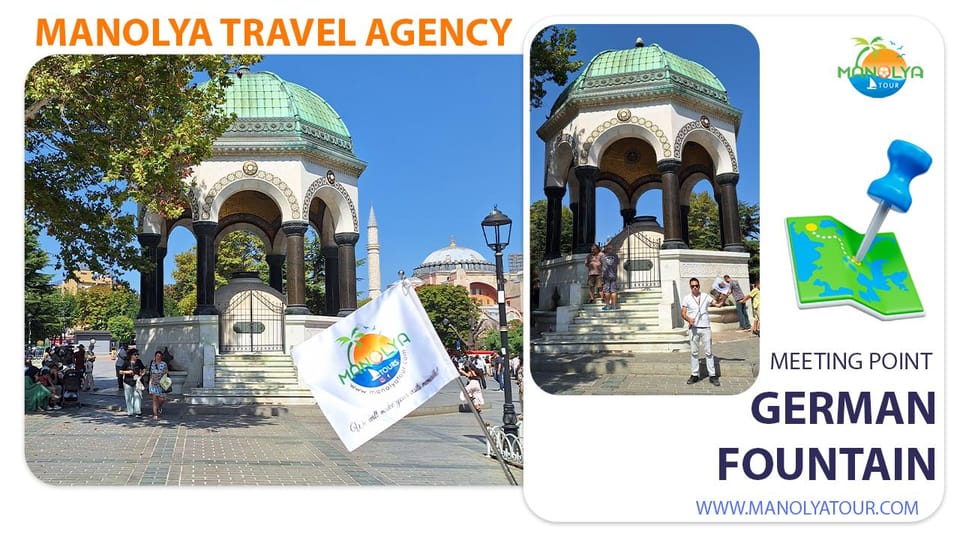
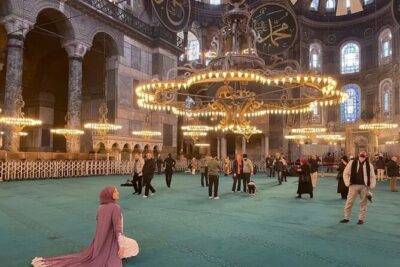
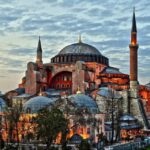
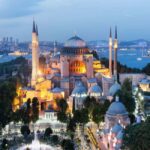
Hagia Sophia is the kind of place where you feel history in layers. On this tour, you’ll start with what it was originally: a cathedral built under Byzantine Emperor Justinian I in 537 AD. Your guide then frames the major shift in 1453, when the Ottoman conquest of Constantinople turned it into a mosque—followed by a later change when it became a museum in 1935 under Mustafa Kemal Atatürk’s reforms, and then a return to mosque status in 2020.
What I like about having a guide here is simple: you don’t just look at an enormous interior and guess what you’re seeing. You get the timeline in plain language, which helps the architecture make sense. And because it’s an operating mosque now, you’ll follow the site rules immediately—no wandering in with the usual museum mindset.
Practical stuff you should be ready for: you’ll need to remove your shoes upon entry, and women are required to cover their heads. Also, the tour specifies that large bags or backpacks aren’t allowed inside Hagia Sophia, so plan to travel light.
You can also read our reviews of more tours and experiences in Istanbul.


Blue Mosque: Blue Tiles, Six Minarets, and Prayer-Time Reality
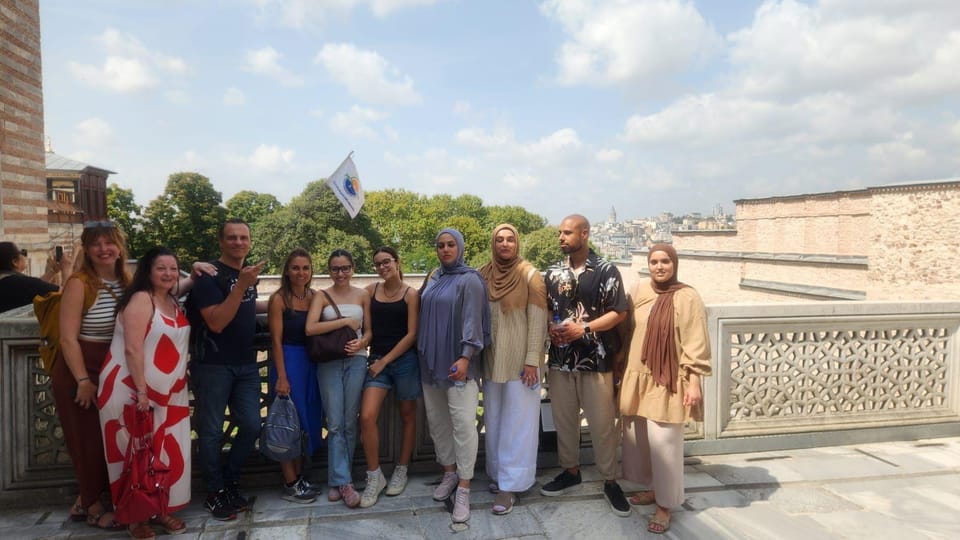
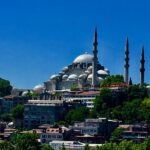
Next comes the Blue Mosque, built between 1609 and 1616 during the reign of Sultan Ahmed I. The name makes sense once you’re inside: the stunning blue tiles are what gives the mosque its look, and you’ll get time to admire that effect rather than just passing through.
You’ll also get a clear run-through of the key architectural features: the main central dome surrounded by smaller domes, plus six minarets. With a guide, these aren’t just details—they’re clues. They help you understand how the building was designed to create scale and focus.
Important consideration: the Blue Mosque can be closed to tourists during prayer times. When that happens, you’ll get a tour of the exterior instead. So if your visit lands on a prayer window, you’ll still learn something, but you might not get full indoor access at that moment.
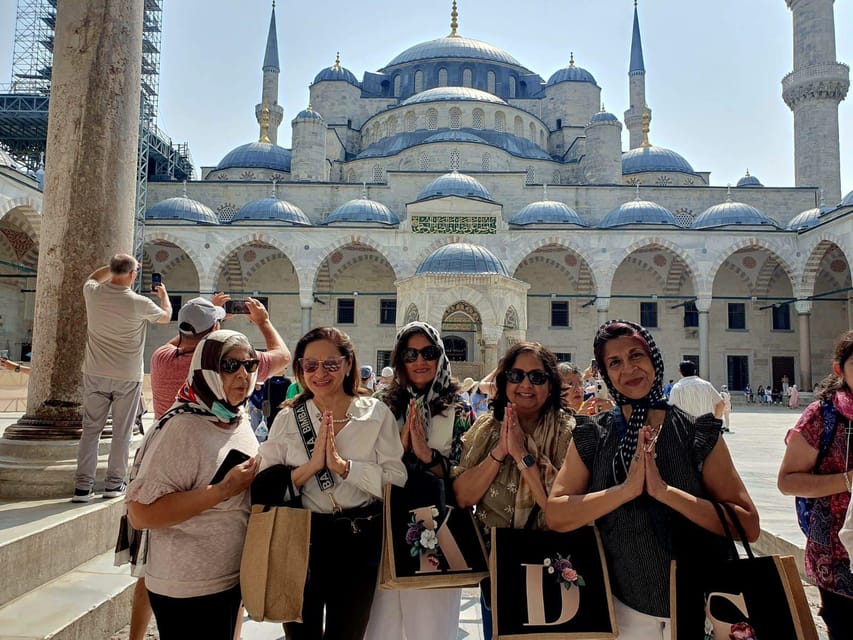
Like Hagia Sophia, the dress code is modest and specific. You’ll want knees and shoulders covered for both men and women, and you should avoid short skirts and sleeveless tops. Scarves and body coverings are not included, so bring what you need or be prepared to cover properly.
Basilica Cistern: The Underground Room That Feels Like a Secret
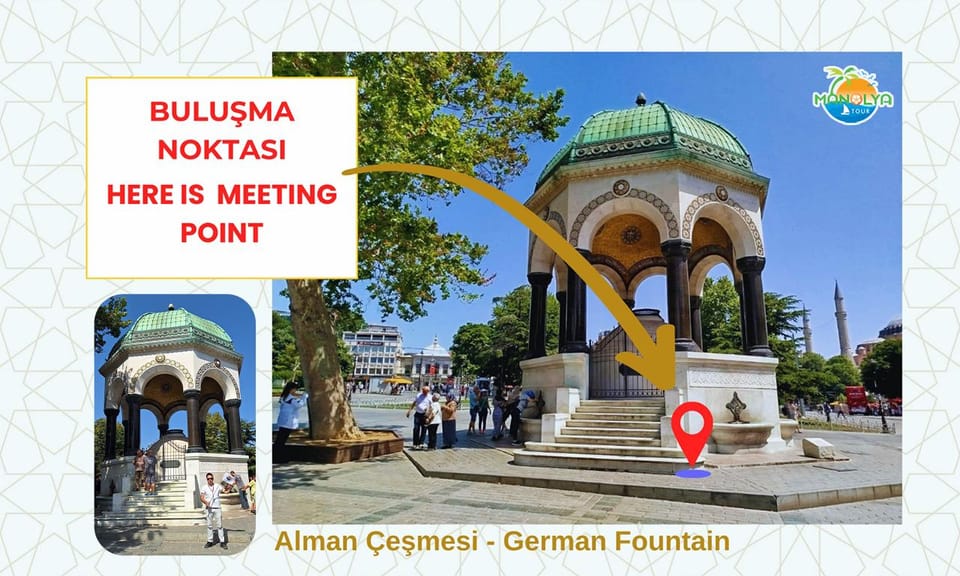
The Basilica Cistern is one of those Istanbul stops that changes your pace. You go from grand, open spaces into a cool underground chamber with a reservoir vibe—wide and atmospheric, and very different from the mosques above.
Here’s the core context your guide will give you: this structure is a 6th-century underground water reservoir built during Emperor Justinian I’s reign. It wasn’t just decorative—it supplied water to the Great Palace and surrounding buildings. That “water system” explanation matters, because it turns the cistern from a quirky detour into an essential piece of how the city functioned.
This stop also comes with a practical budget note. Tickets for the Basilica Cistern are extra (listed at 30 Euro each). If you’re comparing options, that’s a key piece of the math.
Also, you’ll still be dealing with general tour behavior: comfortable shoes help, and the headsets make it easier to hear your guide in the quieter underground space.
Hipodrom Tour: A Short Stop With Big City Context
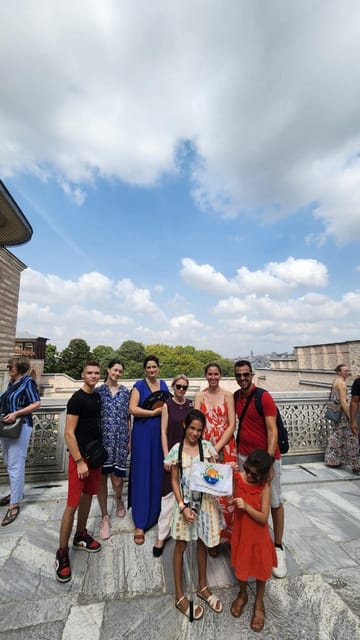
After the big indoor landmarks, the tour includes a stop around the Hipodrom area. You shouldn’t expect this to be as visually dominant as Hagia Sophia or the Blue Mosque; it’s more about context. Your guide uses this part of the route to connect how Istanbul’s historic city life played out around major public spaces.
Because the details of what you’ll see at the Hipodrom are not laid out here beyond the guided visit, treat this as a grounding moment: it helps you connect the religious and architectural landmarks you just saw to a broader city setting.
Timing matters too. Since the entire experience is designed to fit into about 1–3 hours, this is likely a focused add-on rather than a long, slow exploration. If you love linger-time, you may want to build extra free time in this neighborhood afterward.
Headsets and a Clear Pace: Why the Tour Feels Easier Than It Looks
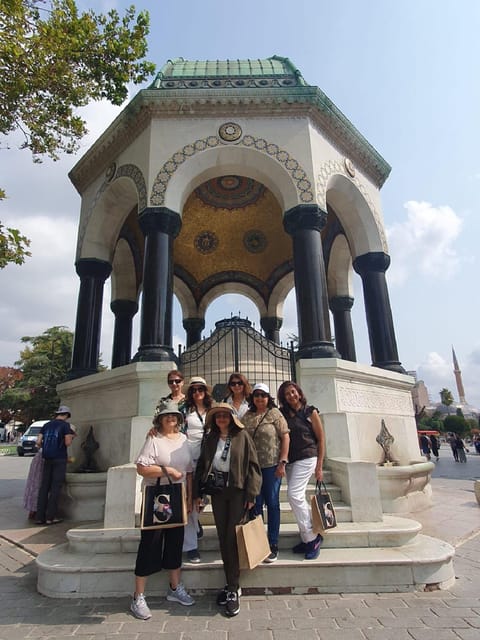
A tour like this lives or dies on communication and flow. This one includes English-speaking guide support and headsets, which is a big deal at Hagia Sophia and the Blue Mosque where crowds can make hearing difficult.
Headsets don’t just save your ears—they reduce frustration. You spend less time craning your neck, asking the person next to you what the guide said, or waiting for someone to catch up. In practical terms, that means you actually get the explanations about why the buildings changed—like the timeline of Hagia Sophia’s cathedral-to-mosque-to-museum-to-mosque shifts—without losing momentum.
The total duration is listed as 1–3 hours. That’s not long, but it’s long enough to do the important interiors where you’re allowed, then still add the cistern and a Hipodrom stop. If you’re visiting Istanbul for the first time and you want the greatest hits with context, that compact structure is a real advantage.
And one more small detail: you might find that the experience is guided by a friendly, organized approach. A past group credited the guide Oktay for being gentle, knowledgeable, and focused on showing the main monuments—exactly the kind of energy that makes high-pressure landmarks feel calmer.


Price and Logistics: The Real Cost Behind the $15
The headline price is listed as $15 per person, but the tour description also makes it clear what’s extra. Here’s what to watch so you don’t get surprised at the end.
Included:
- English-speaking tour guide
- Blue Mosque tour
- Hipodrom tour
- Headsets
Not included:
- Skip-the-line entry to the Blue Mosque
- Tickets for Basilica Cistern (extra 30 Euro each)
- Tickets for Hagia Sophia (extra 25 Euro each)
- Scarf and body cover at the Blue Mosque and Hagia Sophia
- Food and drinks
- Hotel pick-up/drop-off
What this means for value: you’re paying for guidance and interpretation, not for the entrance costs. For budget planning, treat it like a guided context package for the main sites, plus separate entry fees for Hagia Sophia and Basilica Cistern.
Also note the Blue Mosque ticket line won’t be shortened by any skip-the-line option here. That doesn’t ruin the tour—headsets and a guide still help—but it can affect how quickly you reach the highlights.
Dress Code and Photo Rules: Avoid the Common Headaches
If you remember one thing, make it this: dress for the mosques like it’s part of the ticket. The rules are strict enough that you don’t want to be improvising on the sidewalk.
What to bring:
- Comfortable shoes
- Head covering or kippah
- Camera
- Water
Dress code expectations:
- No shorts or sleeveless tops
- Knees and shoulders must be covered (for both men and women)
- Short skirts and tight clothing are not allowed
Site behavior rules:
- Hagia Sophia and Blue Mosque require modest coverage; you must remove shoes in Hagia Sophia
- Flash photography is not allowed inside Hagia Sophia
- Backpacks and large bags are not allowed inside Hagia Sophia and the Blue Mosque
That last point is the one that sneaks up on people. If you travel with a larger daypack, you may need to rethink how you carry it. The buildings are not set up for easy grab-and-go storage.
Who This Tour Fits Best (And Who Should Rethink It)
This tour is ideal if you:
- Want a short, organized way to see Hagia Sophia and the Blue Mosque with clear explanations
- Like architecture and religious history, but don’t want to research every change in ownership and function yourself
- Benefit from headsets in crowded places
- Are planning a tight schedule and still want Basilica Cistern and a Hipodrom stop
It may not fit you if:
- You need wheelchair access or have mobility impairments. The tour is listed as not suitable for people with mobility impairments and wheelchair users.
- You hate dress rules. If modest clothing feels like a dealbreaker, this won’t feel comfortable.
Should You Book This Blue Mosque, Hagia Sophia, Cistern and Hipodrom Tour?
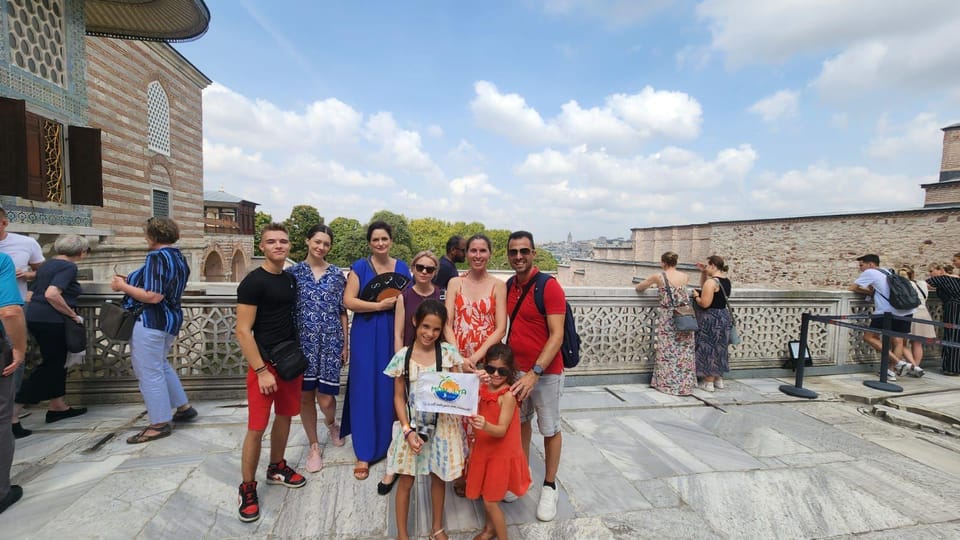
I’d book this if you want the big Istanbul icons in a guided, time-efficient format and you value hearing the meaning behind what you’re seeing. The included headsets are a genuine comfort upgrade, and the guide-led focus on Hagia Sophia and the Blue Mosque makes the visit less random.
I’d hesitate if you’re expecting a low-cost all-in package. Since Hagia Sophia and Basilica Cistern tickets are extra, and there’s no skip-the-line option for the Blue Mosque, your final spend will be higher than the headline $15. Also, plan around the possibility that the Blue Mosque might be closed to tourists during prayer hours, which can shift what you see indoors.
If you’re okay with those tradeoffs—and you want a guided story through Istanbul’s most famous landmark zone—this is a strong pick for a first pass.
FAQ
FAQ
How long is the Blue Mosque, Hagia Sophia, Basilica Cistern, and Hipodrom tour?
The duration is listed as 1–3 hours, depending on the starting time you select and how the visit flows.
What is included in the tour price?
Included are an English-speaking tour guide, the Blue Mosque tour, the Hipodrom tour, and headsets to hear the guide better.
Are tickets included for Hagia Sophia and the Basilica Cistern?
No. Tickets are not included. Hagia Sophia tickets are extra 25 Euro each, and Basilica Cistern tickets are extra 30 Euro each.
Do I get skip-the-line entry to the Blue Mosque?
No. Skip-the-line entry to the Blue Mosque is not included.
Do I need a head covering or scarf?
Yes. A head covering or kippah is listed as something to bring, and scarves and body cover at the Blue Mosque and Hagia Sophia are not included. Modesty rules apply at both places.
What are the dress code rules?
Modest dress is required: no shorts or sleeveless tops, and knees and shoulders must be covered for both men and women.
Can I take photos with flash?
Flash photography is not allowed inside Hagia Sophia.
Is the tour suitable for wheelchair users or mobility impairments?
No. It is listed as not suitable for people with mobility impairments and wheelchair users.